Our Wildebeest Migration holidays & safaris
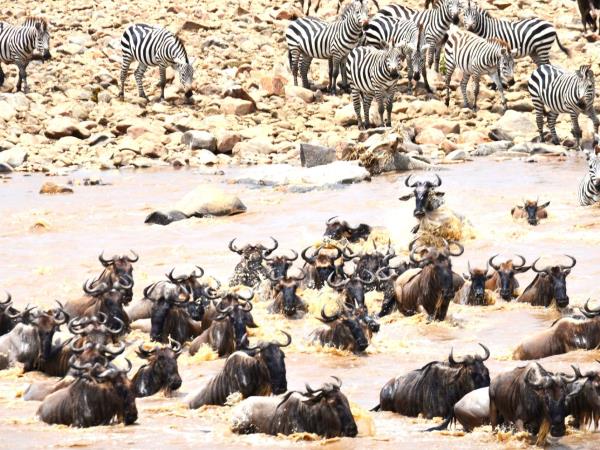
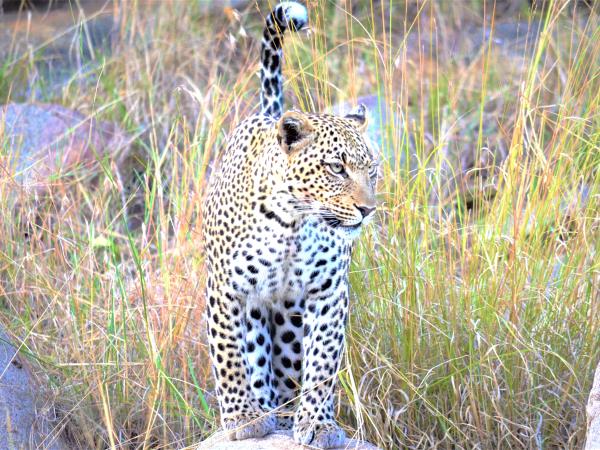
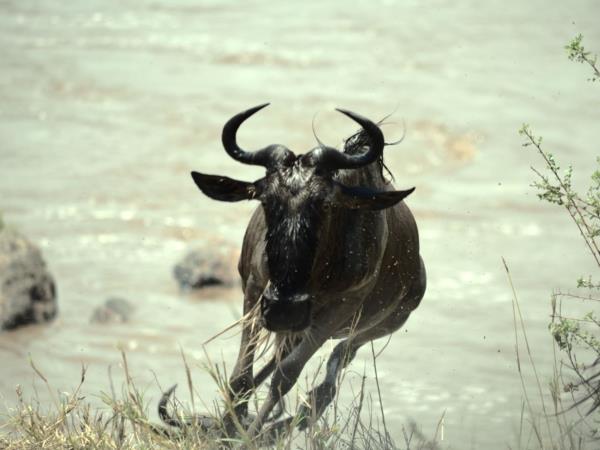
Our wildebeest migration holidays immerse you in one of nature’s biggest wildlife events; a once-seen, never-forgotten drama on a blockbuster scale. The stars of the show are some 1.5 million wildebeest, with a supporting cast of zebras, gazelle and eland, who spend the year circling the vast Serengeti-Mara ecosystem in Tanzania and Kenya, chasing the rains in a constant search for food. This is a journey loaded with risk as the legendary Serengeti lions – some 3,000 of them – lie in wait, along with leopards, cheetahs and hungry hyenas. One of the most perilous moments is when the mega herds cross the Mara and Grumeti rivers, where enormous crocodiles lurk. This is nature red in tooth and claw; a spectacle so vast it’s both hard to miss and not-to-be missed. And our wildebeest migration safaris give you front row seats, with expert local guides helping you enjoy some breathtaking scenes. They also know less-visited viewpoints, where you can take in the spectacle without dozens of other jeeps around – like stepping into a nature documentary.
Our top Wildebeest migration holidays
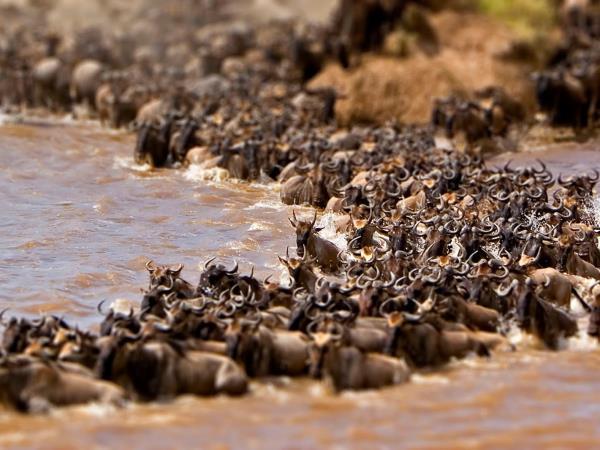
Serengeti migration safari in Tanzania
From
US $3500 to US $4600
8 days
ex flights
Witness the Wildebeests crossing in Serengeti Mara River
Tailor made
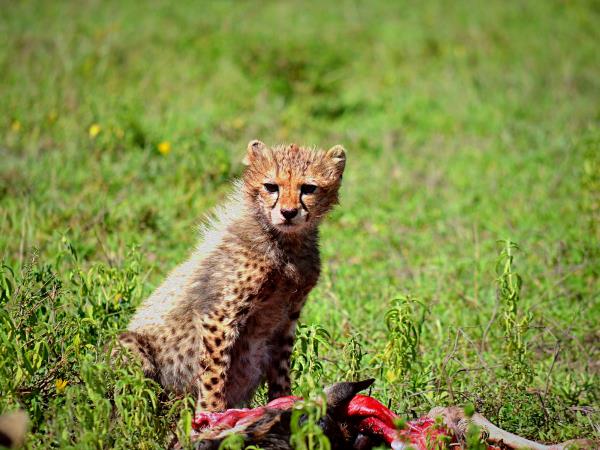
Tanzania green season guided safari holiday
From
US $5080 to US $5390
8 days
ex flights
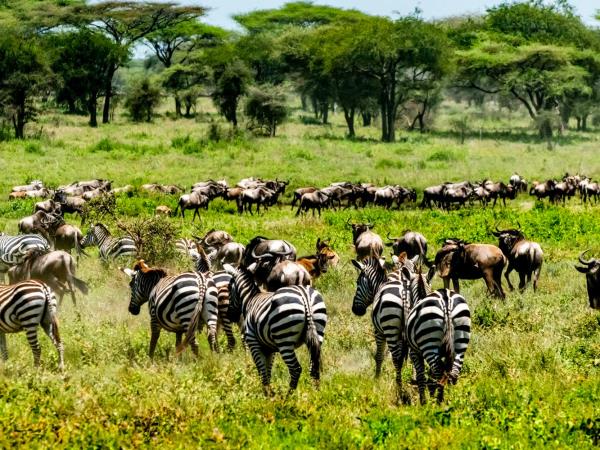
Witness endless herds thundering across emerald plains
Small group2026: 2 Dec, 12 Dec, 20 Dec
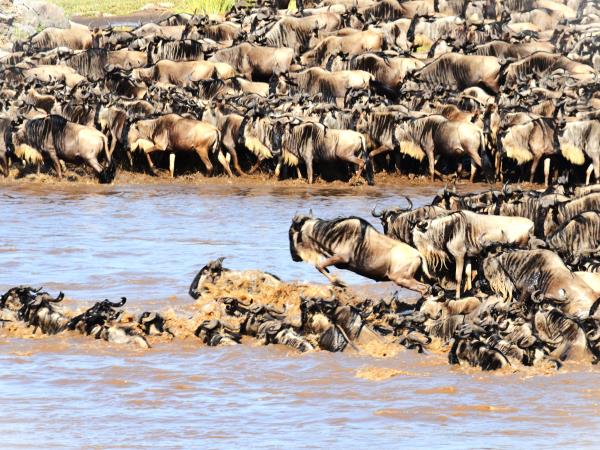
Great migration photography holiday, Tanzania
From
US $6900 to US $9100
11 days
ex flights
Capture the wild drama of Tanzania
Tailor made
Tanzania Great Migration and Serengeti Safari holiday
From
US $5520 to US $7700
10 days
ex flights
Get close to the action during the active phase of the migration
Tailor made
8 day great migration safari in Tanzania
From
US $5100 to US $6950
8 days
ex flights
Ultimate great migration safari in Tanzania
Tailor made
Serengeti great migration safari, Tanzania
From
US $3000 to US $4150
6 days
ex flights
Witness wildebeest calving on the plains of Serengeti
Tailor made
Tanzania national park safari holiday
From
US $4380 to US $6200
8 days
ex flights
Three parks - Serengeti, Tarangire & Ngorongoro Crater
Tailor made
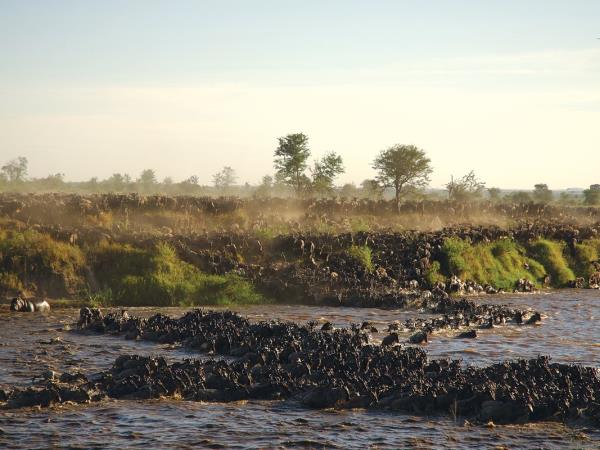
Great migration safari holiday in Tanzania
From
£3500 to £7750
7 days
ex flights
Luxury fly in safari visiting Tanzania's magnificent parks
Tailor made
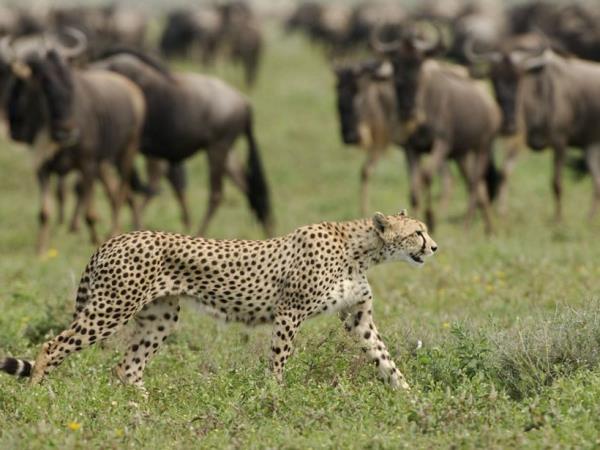
Great migration small group safari, Tanzania
From
£5825
8 days
ex flights
February provides one of the wonders of the natural world
Tailor made
 See all our Wildebeest migration holidays
Contact Us
Call us for a chat about our holidays. We are happy to discuss your holiday and help in any way we can. No bots, queues or awful hold music.

01273 823 700
Call us Monday after 9am
Calling from outside the UK

Highlights of our wildebeest migration holidays
Tanzania
Much of the action takes place in Tanzania, where the wildebeest spend most of their year. The short-grass plains of the southern Serengeti serve as a safe nursery for thousands of calves – half a million are born here in January and February. The plains and granite kopjes are great for game viewing, and there are soda lakes pink with flamingos and marshes where serval cats wander. You’ll stay in leave-no-trace wilderness camps that immerse you in the natural surroundings.
As the dry season approaches, the herds split in search of fresh pastures, some heading north through the Seronera Valley in the central Serengeti, others travelling along the Western Corridor towards the Grumeti River crossing and the Masai Mara. Wherever their journey takes them, there’s no escaping the peril that lies in wait. Hey, predators need to eat too, and they also need extensive range. Habitat loss poses a threat to many species, and our wildebeest migration holidays actively support big cat conservation efforts across Africa, such as leopard monitoring and research.
As the dry season approaches, the herds split in search of fresh pastures, some heading north through the Seronera Valley in the central Serengeti, others travelling along the Western Corridor towards the Grumeti River crossing and the Masai Mara. Wherever their journey takes them, there’s no escaping the peril that lies in wait. Hey, predators need to eat too, and they also need extensive range. Habitat loss poses a threat to many species, and our wildebeest migration holidays actively support big cat conservation efforts across Africa, such as leopard monitoring and research.
Kenya
Although not all the herds venture as far north as the Masai Mara, and those that do remain there for only a short period between July and October, some of the greatest wildebeest migration holidays are set in Kenya. That’s because to reach safety they must first cross the gauntlet that is the Mara River, and the predators within it. Expect some scintillating encounters.
Kenya’s Masai Mara is a national reserve, one of the most famous ecosystems in the world, and synonymous with both wildlife and the Maasai tribes. Some two million wildebeest and zebras spill into it from June to October, if they survive the precarious crossing. On our wildebeest migration tours you can stay outside the Masai Mara in one of Kenya’s excellent private conservancies, which is a good way to avoid the crowds, although you might have a long drive in to watch the crossings. Conservancies allow Maasai people to use their land for livestock grazing, and to earn from tourism while protecting wildlife. As the land is private, safaris have a more exclusive feel, and you’ll also have many opportunities to learn about traditional Maasai ways of life from your guides, who come from local tribal communities.
Kenya’s Masai Mara is a national reserve, one of the most famous ecosystems in the world, and synonymous with both wildlife and the Maasai tribes. Some two million wildebeest and zebras spill into it from June to October, if they survive the precarious crossing. On our wildebeest migration tours you can stay outside the Masai Mara in one of Kenya’s excellent private conservancies, which is a good way to avoid the crowds, although you might have a long drive in to watch the crossings. Conservancies allow Maasai people to use their land for livestock grazing, and to earn from tourism while protecting wildlife. As the land is private, safaris have a more exclusive feel, and you’ll also have many opportunities to learn about traditional Maasai ways of life from your guides, who come from local tribal communities.
When to see the Wildebeest Migration
The migration doesn’t follow a map and timetable, as only seasonal rains dictate the start time. The Mara River crossings usually take place in July and October, and they draw big crowds – up to 200 cars at a time in places. Consequently, the best time to see the wildebeest migration tends to be in late June or September, when safari-goer numbers are dispersing outside the peak summer season. Fewer cars also mean less disturbance for the wildlife – they’ve got enough on their minds.
While they make for some iconic sightings, the river crossings are not the only time to experience the wildebeest migration. In late October, you can catch the animals heading south through the northern Serengeti or Ngorongoro with the start of the short rains. Head to the central Serengeti in May, as animals move north, and to the Grumeti River in June. Although shallower than the Mara, the Grumeti crossing still serves up the sight of huge crocs snapping at hooves as wildebeest pile through. Outside of the July to September peak season you’re more likely to find reduced rates, too. Just avoid April, when the rains are at their heaviest, camps close and the plains become quagmires.
While they make for some iconic sightings, the river crossings are not the only time to experience the wildebeest migration. In late October, you can catch the animals heading south through the northern Serengeti or Ngorongoro with the start of the short rains. Head to the central Serengeti in May, as animals move north, and to the Grumeti River in June. Although shallower than the Mara, the Grumeti crossing still serves up the sight of huge crocs snapping at hooves as wildebeest pile through. Outside of the July to September peak season you’re more likely to find reduced rates, too. Just avoid April, when the rains are at their heaviest, camps close and the plains become quagmires.
What you'll see
Our holiday partners closely monitor the progress of the migration and use that knowledge to get you close to the mega herds. Once here, cutting the engine and just watching as the thousands of animals graze and move is the best way to soak up this spectacle. Put the camera aside for a moment, and properly take it all in, listening to the snorting and snuffling of the herd. In amongst the wildebeest, you’ll see Thomson’s gazelle, zebra and eland, and look out too for predators in the long grass, eyeing up their next meal. Although there’s a general push north during the dry season, the wildebeest migration involves a fair bit of meandering, too, so it’s fascinating to observe the massing and moving of the wildebeest up close. Herds tend to cross back and forth over the rivers, following the rains and the fresh grass. At the Mara River it’s possible to see different herds crossing in different directions on the same day.
Experienced guides and drivers are integral to the whole experience on our wildebeest migration holidays. They get you safely into the heart of the action, and help you understand the wider picture around conservation issues in Kenya and Tanzania. By fostering tourism training and jobs, our holidays create well-paid jobs in local communities, as well as helping to fund social projects, such as distributing mosquito nets, and building schools. They ensure that future generations can continue to enjoy one of Earth’s greatest natural spectacles, in the company of brilliant guides.
Experienced guides and drivers are integral to the whole experience on our wildebeest migration holidays. They get you safely into the heart of the action, and help you understand the wider picture around conservation issues in Kenya and Tanzania. By fostering tourism training and jobs, our holidays create well-paid jobs in local communities, as well as helping to fund social projects, such as distributing mosquito nets, and building schools. They ensure that future generations can continue to enjoy one of Earth’s greatest natural spectacles, in the company of brilliant guides.
Our Wildebeest migration holidays reviews
4.9
18Wildebeest migration holidays reviews
Mark Wigglesworth13 Aug 2026
Fabulous. All of it. 5 stars
read more
Kate West31 Jul 2026
If I could give this trip 10 stars, I would! Josh and his team exceeded all my expectations. I feel my heart remains in Tanzania, all thanks to them! It's impossible to choose just one memorable part of my Tanzania tour, as it felt like every day was packed with them! Josh's expertise and passion enabled me to see and experience more than I had ever imagined. We saw all the big cats, more elephants, giraffe and birds than I could count, even a rhino. He is so skilled, he knew just when and where...read more
Phil Bevan30 Jun 2026
Wonderful. Saw so much wildlife at close quarters. 5 stars.read more
Lavinia Thompson11 Jun 2026
Absolutely amazing. Supported conservation on all points. 5 stars.read more