Yucatán travel guide

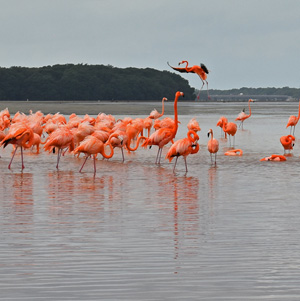
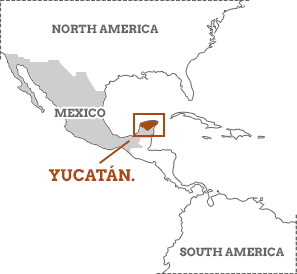
Out on a limb in southeast Mexico, between the Gulf of Mexico and the Caribbean Sea, the Yucatán Peninsula draws in huge numbers of tourists each year, many who come for the beach resort lifestyle of Cancún and the Riviera Maya. But head beyond the all-inclusives, cruise docks and club nights and you’ll find rich Mayan culture, forests brimming with birds and mammals and sublime stretches of beach with incredible marine life just offshore.
The Yucatán Peninsula delivers huge rewards in a petite package: Mayan ruins, gorgeous beaches, wonderful wildlife and excellent food.
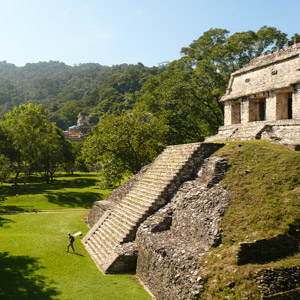
The Yucatán's history is ever-present as you explore the region, from the colourful colonial buildings that pepper the streets of Mérida and Campeche, to grand former plantation houses that now serve as hotels, to the region’s big draw: the crumbling ruins of ancient Mayan civilisations, many of which lie scattered in thick tracts of jungle.
Read on in our Yucatán travel guide.
Yucatán is…

natural wonderland both above and below the water.

Yucatán isn’t…

just about beaches and boisterous resorts such as Cancún.

Things to do in the Yucatán

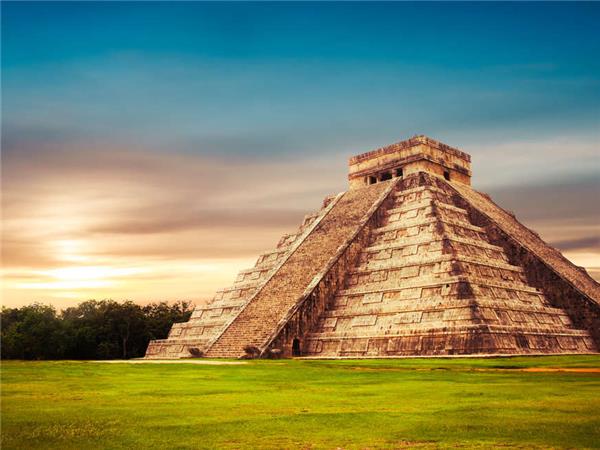
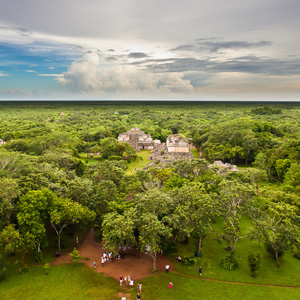
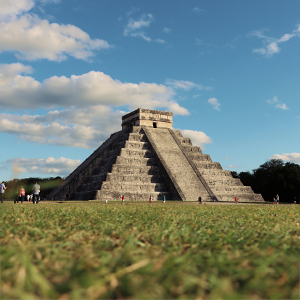
The Mayan civilisation dominated Mexico's Yucatán Peninsula between 600 and 900AD, and visiting the ancient remnants of their towns and cities is a highlight of a visit here. The UNESCO World Heritage Site of Chichén Itzá is the most popular, but for a less crowded glimpse into the region’s past, head for Cobá, tucked away in the jungle near Tulum, or the beautifully preserved pyramids of Ek Balam, near the colonial town of Valladolid. The reefs off the Yucatán’s Caribbean coast are stunning and home to several protected wildlife zones, so should you definitely pull on your snorkel gear; the open ocean offers chance encounters with sailfish, dolphins, whale sharks and giant manta rays. You may also take a refreshing swim in a cenote (a natural limestone sinkhole typical of the Yucatán peninsula). The Yucatán’s landscapes are wild and beautiful and there’s plenty to be explored on foot, by bike or by boat. You could choose to hike around Mérida and Campeche, bike the ruins of Cobá or kayak the wetlands of Sian Ka’an. Alternatively, opt for a week-long small group bike tour, covering up to 70km a day.

Our top trip

Mexico and Yucatan Peninsula holiday

Mexico and Yucatan Peninsula holiday

The land of the Aztec, Zapotec and Maya civilisations

From £3900 to £5999 21 days ex flights
Small group travel:
2026: 26 Sep, 28 Oct, 29 Oct, 21 Nov, 19 Dec
2027: 16 Jan, 6 Feb, 13 Mar, 1 May, 31 Jul, 28 Oct, 29 Oct, 30 Oct, 6 Nov, 20 Nov

Contact Us

Responsible Travel, Travel Team

Call us for a chat about our holidays. We are happy to discuss your holiday and help in any way we can. No bots, queues or awful hold music.

Responsible Travel, Travel Team

Things not  to do in the Yucatán

The Yucatán Peninsula is famous for its seafood – and everything else is pretty spectacular too, so don’t miss out on the local eats. Specialities include fried fish with salsa and a peppery spice called achiote, and raw conch fillet doused with lime, but if you prefer your flesh to be land-based, try cochinita pibil, a Mayan dish of pork marinated in achiote and orange and baked wrapped in plantain leaves. From ritzy Playa del Carmen to full on concrete Cancún, Yucatán has more than its fair share of all-inclusive deals, but these are best avoided. For the most part, these holidays have little or no regard for local culture or the regional economy as it is usually a foreign company that owns the hotel, ground transportation and even local excursion providers. Opt for small, locally run accommodation, or if you like the idea of a resort, seek out those that operate responsibly, through building a loyal and skilled local workforce, reducing energy costs and waste, and sourcing fresh local produce, for example. Make sure any tour operator you travel with is committed to protecting wildlife and if diving or snorkelling, never touch fish, coral or turtles. And always follow your instructor’s advice – a good one will know what’s best for both you and for the underwater environment.
Written by Nana Luckham
Photo credits: [Page banner: Pascal] [is isn't: Constanza S. Mora]