Volunteer travel holidays
The scope of volunteer holidays is widening, encompassing everything from football coaching to diving threatened reefs, via elephant sanctuaries and rural clinics. The message is – anyone can make a difference, whether you’re 16 or 60, and whether you have five days or five months to spare just ensure you do your research and find out who you're really helping and why.
193 Volunteer travel holidays found

Greece, turtle volunteering for families
Protect turtle hatchlings on a Greek island
From £475 6 days ex flights
Small group travel:
2027: 6 Aug, 13 Aug, 20 Aug
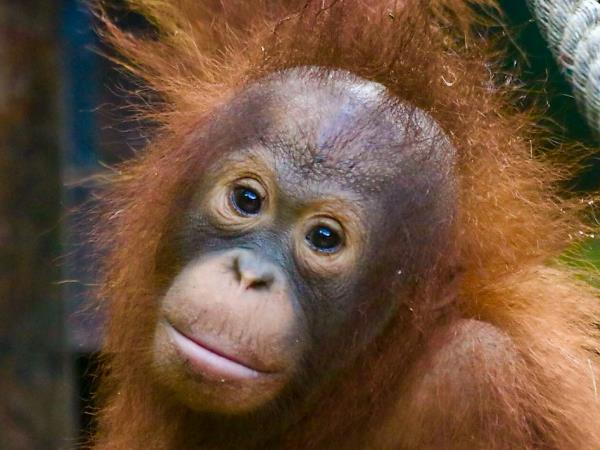
Orangutan volunteering in Borneo
Volunteer at an award winning orangutan rehabilitation centre
From £795 to £1,995 8 days ex flights
Small group travel:
2026: 5 Oct, 19 Oct, 5 Nov, 19 Nov, 5 Dec, 19 Dec
2027: 5 Jan, 19 Jan, 5 Feb, 19 Feb, 5 Mar, 19 Mar, 4 Apr, 12 Apr, 19 Apr, 5 May, 19 May, 5 Jun, 19 Jun, 4 Jul, 12 Jul, 19 Jul, 5 Aug, 19 Aug, 4 Sep, 12 Sep, 19 Sep, 5 Oct, 19 Oct, 4 Nov, 12 Nov, 19 Nov, 5 Dec, 19 Dec
2027: 5 Jan, 19 Jan, 5 Feb, 19 Feb, 5 Mar, 19 Mar, 4 Apr, 12 Apr, 19 Apr, 5 May, 19 May, 5 Jun, 19 Jun, 4 Jul, 12 Jul, 19 Jul, 5 Aug, 19 Aug, 4 Sep, 12 Sep, 19 Sep, 5 Oct, 19 Oct, 4 Nov, 12 Nov, 19 Nov, 5 Dec, 19 Dec

Lionfish spearing marine conservation in Belize
Help us protect reef ecosystems by hunting invasive species
From US $995 5 days ex flights
Tailor made:
This trip can be tailor made throughout the year to suit your requirements
Only $665 usd per week - use promo code "conservation2026" - offer only applies to bookings for trips taken before 5 December 2026 - enquire now!

Over 50s volunteering with elephants, South Africa
Over 50s group volunteer with elephants adventure in Africa
From £1,395 8 days ex flights
Small group travel:
2026: 18 Oct
2027: 7 Mar, 3 Oct
2027: 7 Mar, 3 Oct

Contact Us
Call us for a chat about our holidays. We are happy to discuss your holiday and help in any way we can. No bots, queues or awful hold music.
01273 823 700
Call us after 10am
Calling from outside the UK
rosy@responsibletravel.com
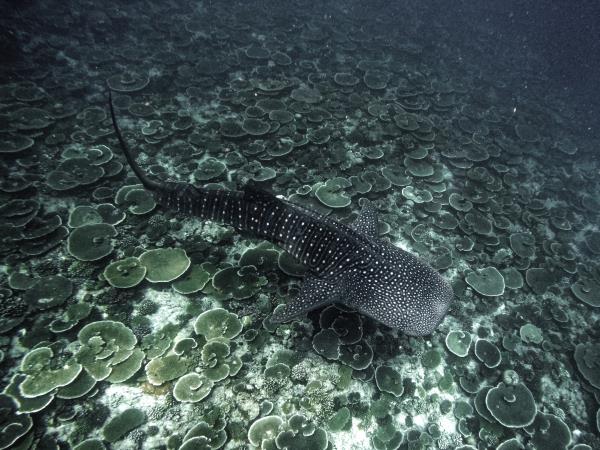
Maldives whale shark conservation snorkelling cruise
Maldives whale shark conservation cruise with local experts
From US $2,499 to US $2,699 8 days ex flights
Small group travel:
2026: 1 Nov
2027: 31 Jan, 7 Feb, 14 Feb, 21 Feb, 28 Mar, 4 Apr, 22 Aug, 7 Nov, 14 Nov, 21 Nov
2027: 31 Jan, 7 Feb, 14 Feb, 21 Feb, 28 Mar, 4 Apr, 22 Aug, 7 Nov, 14 Nov, 21 Nov
Save $300 per person on our 01 November 2026 departure
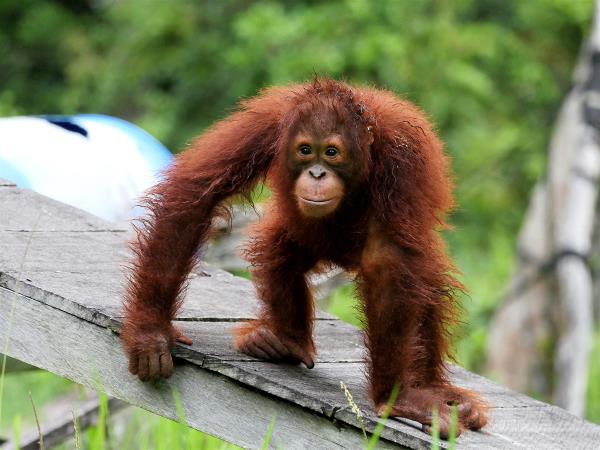
Orangutan sanctuary volunteering in Borneo
Care for stunning endangered orangutans in beautiful Borneo
From £1,195 to £1,895 13 days ex flights
Small group travel:
2026: 4 Oct, 18 Oct, 1 Nov, 15 Nov
2027: 28 Feb, 14 Mar, 4 Apr, 18 Apr, 2 May, 16 May, 6 Jun, 20 Jun, 4 Jul, 18 Jul, 8 Aug, 22 Aug, 5 Sep, 19 Sep, 10 Oct, 24 Oct, 7 Nov, 21 Nov
2027: 28 Feb, 14 Mar, 4 Apr, 18 Apr, 2 May, 16 May, 6 Jun, 20 Jun, 4 Jul, 18 Jul, 8 Aug, 22 Aug, 5 Sep, 19 Sep, 10 Oct, 24 Oct, 7 Nov, 21 Nov

Family volunteering in Tanzania
Memorable family holiday which makes a difference
From £530 to £630 14 days ex flights
Tailor made:
This trip can be tailor made throughout the year to suit your requirements
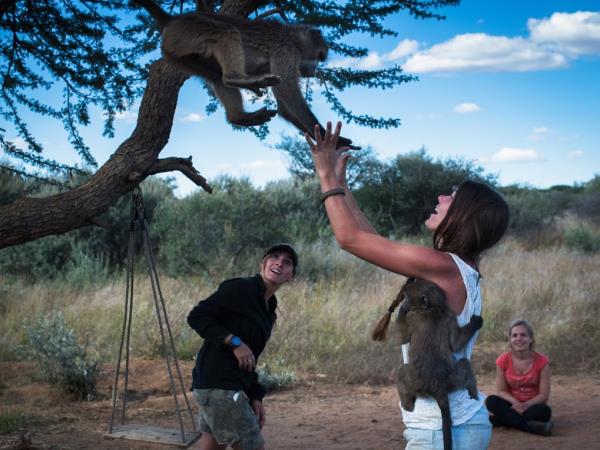
Namibia wildlife sanctuary volunteering holiday
Care for rescued animals in Namibia
From £1,195 to £5,895 15 days ex flights
Small group travel:
This project can be joined any day of the year

Volunteering with bears in Romania
Volunteer at a life changing bear sanctuary in Transylvania
From £1,379 7 days ex flights
Tailor made:
Flexible departures available throughout the year, minimum stay 1 week
Book by 30 Sept 2026 and get £100 off when you travel before 31 October 2026 departures - enquire now!
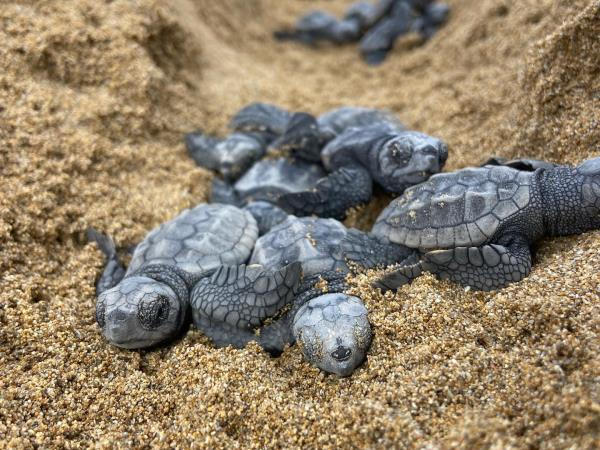
Turtle conservation in Greece
Help save sea turtles from extinction
From £799 14 days ex flights
Small group travel:
2026: 4 Oct, 18 Oct
2027: 12 Apr, 26 Apr, 10 May, 12 May, 24 May, 26 May, 7 Jun, 9 Jun, 21 Jun, 23 Jun, 5 Jul, 7 Jul, 19 Jul, 21 Jul, 2 Aug, 4 Aug, 16 Aug, 18 Aug, 30 Aug, 1 Sep, 13 Sep, 15 Sep, 27 Sep, 11 Oct
2027: 12 Apr, 26 Apr, 10 May, 12 May, 24 May, 26 May, 7 Jun, 9 Jun, 21 Jun, 23 Jun, 5 Jul, 7 Jul, 19 Jul, 21 Jul, 2 Aug, 4 Aug, 16 Aug, 18 Aug, 30 Aug, 1 Sep, 13 Sep, 15 Sep, 27 Sep, 11 Oct
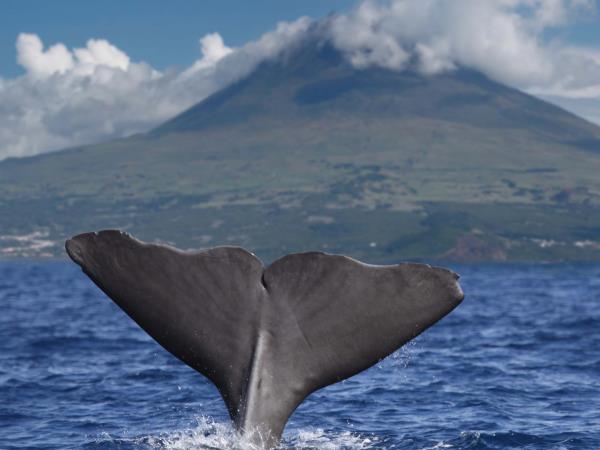
Whale conservation holiday in the Azores
Help assist in integral whale and dolphin conservation
From £695 to £4,195 7 days ex flights
Small group travel:
2027: 1 Mar, 15 Mar, 1 Apr, 15 Apr, 1 May, 15 May, 1 Jun, 15 Jun, 1 Jul, 15 Jul
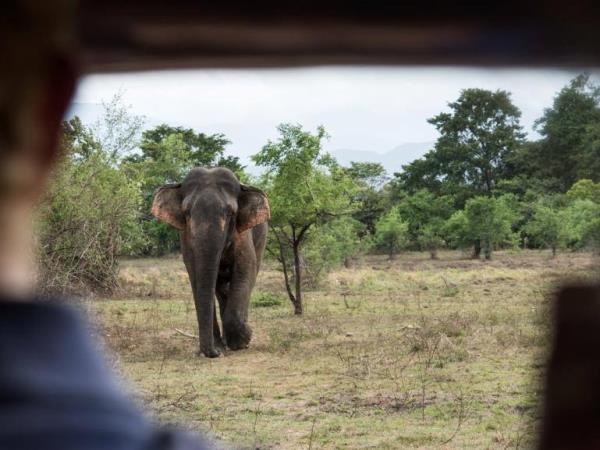
Elephant & wildlife conservation volunteering in Sri Lanka
Help wild elephants & wildlife in Sri Lanka
From £895 7 days ex flights
Small group travel:
2026: 27 Sep, 4 Oct, 11 Oct, 18 Oct, 25 Oct, 1 Nov, 8 Nov, 15 Nov, 22 Nov, 29 Nov, 6 Dec, 13 Dec, 20 Dec, 27 Dec
2027: 3 Jan, 10 Jan, 17 Jan, 24 Jan, 31 Jan, 7 Feb, 14 Feb, 21 Feb, 28 Feb, 7 Mar, 14 Mar, 21 Mar, 28 Mar, 4 Apr, 11 Apr, 18 Apr, 25 Apr, 2 May, 9 May, 16 May, 23 May, 30 May, 6 Jun, 13 Jun, 20 Jun, 27 Jun, 4 Jul, 11 Jul, 18 Jul, 25 Jul, 1 Aug, 8 Aug, 15 Aug, 22 Aug, 29 Aug, 5 Sep, 12 Sep, 19 Sep, 26 Sep, 3 Oct ...
2027: 3 Jan, 10 Jan, 17 Jan, 24 Jan, 31 Jan, 7 Feb, 14 Feb, 21 Feb, 28 Feb, 7 Mar, 14 Mar, 21 Mar, 28 Mar, 4 Apr, 11 Apr, 18 Apr, 25 Apr, 2 May, 9 May, 16 May, 23 May, 30 May, 6 Jun, 13 Jun, 20 Jun, 27 Jun, 4 Jul, 11 Jul, 18 Jul, 25 Jul, 1 Aug, 8 Aug, 15 Aug, 22 Aug, 29 Aug, 5 Sep, 12 Sep, 19 Sep, 26 Sep, 3 Oct ...
We still have some spaces our volunteer project. Enquire today and we'll help you plan your trip!

Costa Rica wildlife conservation
Work with sloths and other wildlife in Costa Rica
From £995 to £1,795 15 days ex flights
Tailor made:
This project can be joined on any day of the year
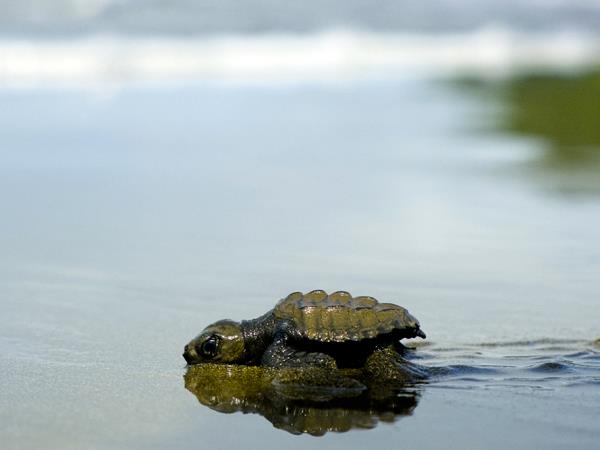
Costa Rica turtle conservation experience
Help protect turtles by volunteering in Costa Rica
From £895 to £4,195 8 days ex flights
Tailor made:
This project can be joined any day between August - December
Contact Us
Call us for a chat about our holidays. We are happy to discuss your holiday and help in any way we can. No bots, queues or awful hold music.
01273 823 700
Call us after 10am
Calling from outside the UK
rosy@responsibletravel.com

Over 50s volunteering in India
Use your 50's to travel & do rewarding volunteering in India
From US $1,049 14 days ex flights
Small group travel:
This holiday departs every Saturday throughout the year
Get 10% off when you book to travel between now and 31 December 2026. Bring a friend and both get 15% off!

Borneo family volunteering holiday
Encounter orangutans and meet local tribes in magical Borneo
From £925 7 days ex flights
Small group travel:
2027: 11 Jun, 11 Jul, 11 Aug, 11 Sep

Volunteer with chimpanzees, South Africa
Volunteer at Chimp Eden, The Jane Goodall Institute
From £795 to £2,095 8 days ex flights
Small group travel:
2026: 4 Oct, 18 Oct, 7 Nov, 15 Nov
2027: 14 Mar, 28 Mar, 11 Apr, 25 Apr, 8 May, 16 May, 30 May, 13 Jun, 27 Jun, 11 Jul, 25 Jul, 1 Aug, 15 Aug, 10 Oct, 24 Oct, 14 Nov, 21 Nov
2027: 14 Mar, 28 Mar, 11 Apr, 25 Apr, 8 May, 16 May, 30 May, 13 Jun, 27 Jun, 11 Jul, 25 Jul, 1 Aug, 15 Aug, 10 Oct, 24 Oct, 14 Nov, 21 Nov

South India community volunteering holiday
Engage with and support forest-dwelling tribal communities
From £1,590 to £2,353 14 days ex flights
Tailor made:
This trip can be tailor made from November - April

Mozambique marine conservation project
Help in integral marine conservation in stunning Mozambique
From £2,199 to £7,599 14 days ex flights
Tailor made:
You can start this project on any day of the year

Teaching assistant volunteering in Kerala
Make the most of your holidays by volunteering
From US $1,299 4 weeks ex flights
Small group travel:
2026: 26 Sep, 3 Oct, 10 Oct, 17 Oct, 24 Oct, 31 Oct, 7 Nov, 14 Nov, 21 Nov, 28 Nov, 5 Dec, 12 Dec, 19 Dec, 26 Dec
2027: 2 Jan, 9 Jan, 16 Jan, 23 Jan, 30 Jan, 6 Feb, 13 Feb, 20 Feb, 27 Feb, 6 Mar, 13 Mar, 20 Mar, 27 Mar, 3 Apr, 10 Apr, 17 Apr, 24 Apr, 1 May, 8 May, 15 May, 22 May, 29 May, 5 Jun, 12 Jun, 19 Jun, 26 Jun, 3 Jul, 10 Jul, 17 Jul, 24 Jul, 31 Jul, 7 Aug, 14 Aug, 21 Aug, 28 Aug, 4 Sep, 11 Sep, 18 Sep, 25 Sep ...
2027: 2 Jan, 9 Jan, 16 Jan, 23 Jan, 30 Jan, 6 Feb, 13 Feb, 20 Feb, 27 Feb, 6 Mar, 13 Mar, 20 Mar, 27 Mar, 3 Apr, 10 Apr, 17 Apr, 24 Apr, 1 May, 8 May, 15 May, 22 May, 29 May, 5 Jun, 12 Jun, 19 Jun, 26 Jun, 3 Jul, 10 Jul, 17 Jul, 24 Jul, 31 Jul, 7 Aug, 14 Aug, 21 Aug, 28 Aug, 4 Sep, 11 Sep, 18 Sep, 25 Sep ...
Get 10% off when you book to travel between now and 31 December 2026. Bring a friend and both get 15% off!
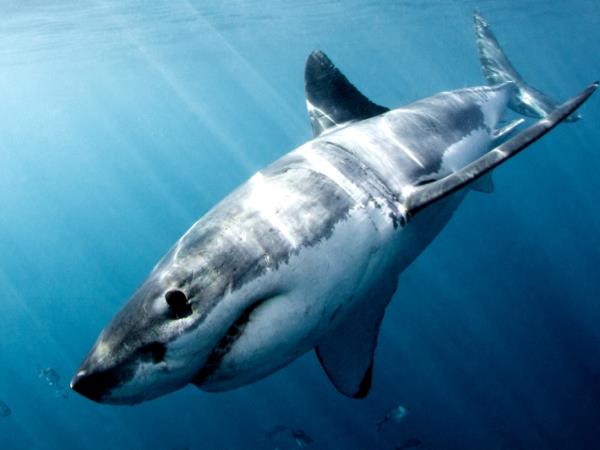
Shark conservation in South Africa
Shark and marine big 5 conservation project
From £999 7 days ex flights
Tailor made:
Trips run anytime throughout the year
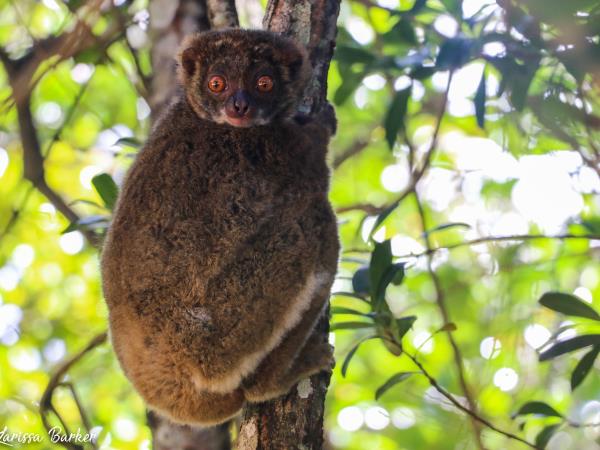
Lemur conservation project in Madagascar
Work alongside an award winning NGO in Madagascar
From £795 to £2,195 15 days ex flights
Small group travel:
2026: 29 Sep, 29 Oct

Dog and cat sanctuary volunteering in Portugal
Care for rescued animals in Lisbon’s local shelters
From £1,395 7 days ex flights
Tailor made:
This trip can be tailor made throughout the year to suit your requirements

Wildlife monitoring holiday in South Africa
Track wildlife while supporting conservation in Limpopo Province
From €1,700 to €7,600 15 days ex flights
Small group travel:
2026: 28 Sep, 5 Oct, 12 Oct, 19 Oct, 26 Oct, 2 Nov, 9 Nov, 16 Nov, 23 Nov, 30 Nov, 7 Dec, 14 Dec, 21 Dec, 28 Dec
2027: 4 Jan, 11 Jan, 18 Jan, 25 Jan, 1 Feb, 8 Feb, 15 Feb, 22 Feb, 1 Mar, 8 Mar, 15 Mar, 22 Mar, 29 Mar, 5 Apr, 12 Apr, 19 Apr, 26 Apr
2027: 4 Jan, 11 Jan, 18 Jan, 25 Jan, 1 Feb, 8 Feb, 15 Feb, 22 Feb, 1 Mar, 8 Mar, 15 Mar, 22 Mar, 29 Mar, 5 Apr, 12 Apr, 19 Apr, 26 Apr

Malawi wildlife conservation holiday
Protect iconic species in Liwonde National Park
From €2,900 to €5,650 4 weeks ex flights
Small group travel:
2026: 29 Sep, 6 Oct, 13 Oct, 20 Oct, 27 Oct, 3 Nov, 10 Nov, 17 Nov, 24 Nov, 1 Dec, 8 Dec, 15 Dec, 22 Dec, 29 Dec
2027: 5 Jan, 12 Jan, 19 Jan, 26 Jan, 2 Feb, 9 Feb, 16 Feb, 23 Feb, 2 Mar, 9 Mar, 16 Mar, 23 Mar, 30 Mar, 6 Apr, 13 Apr, 20 Apr, 27 Apr, 4 May
2027: 5 Jan, 12 Jan, 19 Jan, 26 Jan, 2 Feb, 9 Feb, 16 Feb, 23 Feb, 2 Mar, 9 Mar, 16 Mar, 23 Mar, 30 Mar, 6 Apr, 13 Apr, 20 Apr, 27 Apr, 4 May

Zambia elephant conservation holiday
Work with Lusaka Elephant Nursery & Kafue Release Facility
From €3,000 22 days ex flights
Small group travel:
2026: 28 Sep, 8 Oct, 30 Oct

Zululand wildlife conservation holiday in South Africa
Work across three diverse game reserves & range of species
From €2,000 to €6,700 14 days ex flights
Small group travel:
2026: 28 Sep, 12 Oct, 26 Oct, 9 Nov, 23 Nov, 7 Dec
2027: 4 Jan, 18 Jan, 1 Feb, 15 Feb, 1 Mar, 15 Mar, 29 Mar, 12 Apr, 26 Apr
2027: 4 Jan, 18 Jan, 1 Feb, 15 Feb, 1 Mar, 15 Mar, 29 Mar, 12 Apr, 26 Apr

Maldives marine conservation cruising holiday
The South Ari Atoll is a thriving marine sanctuary
From €4,000 14 days ex flights
Small group travel:
2028: 30 Jan

Animal welfare volunteering holiday in Greece
Support rescued Cats while exploring beautiful Greece
From €950 to €2,350 15 days ex flights
Small group travel:
2026: 26 Sep, 27 Sep, 28 Sep, 29 Sep, 30 Sep, 1 Oct, 2 Oct, 3 Oct, 4 Oct, 5 Oct, 6 Oct, 7 Oct, 8 Oct, 9 Oct, 10 Oct, 11 Oct, 12 Oct, 13 Oct, 14 Oct, 15 Oct, 16 Oct, 17 Oct, 18 Oct, 19 Oct, 20 Oct, 21 Oct, 22 Oct, 23 Oct, 24 Oct, 25 Oct, 26 Oct, 27 Oct, 28 Oct, 29 Oct, 30 Oct, 31 Oct, 1 Nov, 2 Nov, 3 Nov, 4 Nov, 5 Nov, 6 Nov, 7 Nov, 8 Nov, 9 Nov, 10 Nov, 11 Nov, 12 Nov, 13 Nov, 14 Nov, 15 Nov, 16 Nov, 17 Nov, 18 Nov, 19 Nov, 20 Nov ...

Bearded vulture conservation holiday, South Africa
Conserving endangered vultures in the Southern Drakensberg
From R25,916 14 days ex flights
Small group travel:
2026: 28 Sep, 26 Oct, 23 Nov
2027: 4 Jan, 1 Feb, 1 Mar, 29 Mar, 10 May, 7 Jun, 5 Jul, 2 Aug, 30 Aug, 27 Sep, 25 Oct, 22 Nov
2027: 4 Jan, 1 Feb, 1 Mar, 29 Mar, 10 May, 7 Jun, 5 Jul, 2 Aug, 30 Aug, 27 Sep, 25 Oct, 22 Nov
Browse by activity