Amazon photography holiday, Peru


GBP guideline price. Single supplements apply.
Daily departures May-October. 5-day trip visits two lodges. 7-day trip (extra cost) visits three lodges.

Description of Amazon photography holiday, Peru
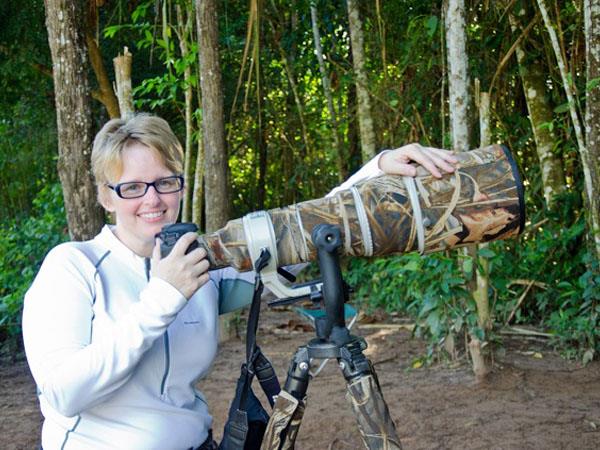
This tailor made Amazon photography holiday in Peru places travellers in the company of highly-skilled local photographers for a series of practical and immersive photographic workshops.
Unlocking the secrets of the Amazon rainforest through the eye of a lens is an incredibly exciting experience and will take you to locations that are rarely glimpsed by casual tourists.
The beauty of a photography holiday is that you know that practically every step of your adventure will be captured for posterity and any travellers looking to add to their photographic portfolio as well as expanding their skill set will certainly benefit from time spent in the Amazon.
As this holiday includes overnight accommodation in two separate rainforest lodges, you’ll really get to make the most of Peru’s Tambopata region with professional level equipment* allowing everyone from beginners to experts to enjoy an exciting all-inclusive experience.
Discovering the deep connections between science, nature and technology opens up a series of doors for photographers and artists alike with qualified local rainforest guides ensuring you won’t miss a thing as you discover and learn about Amazonian ecosystems in the company of experts.
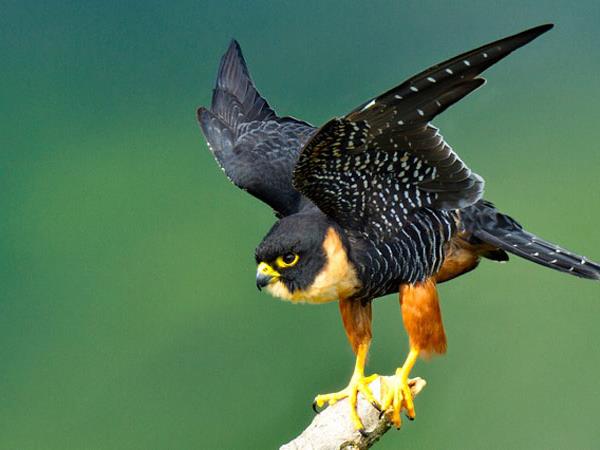
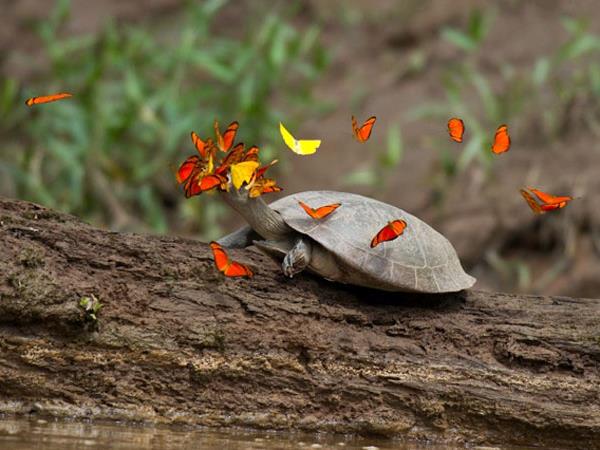
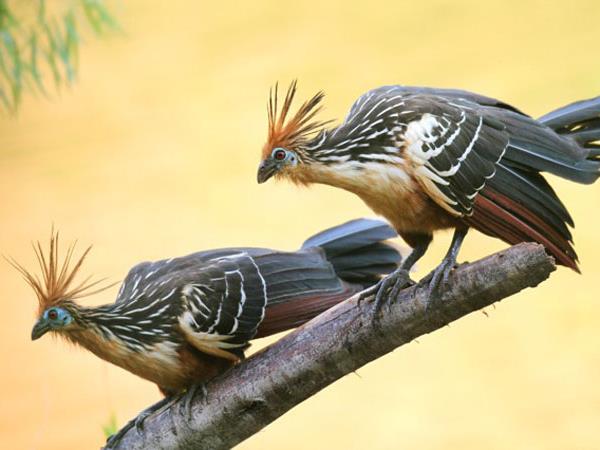
A combination of hands-on instruction, classroom lessons, critiques and discussions lead to an all-encompassing experience where everything from insects and butterflies to birds in flight and far off subjects, can be pictured via the correct photographic equipment.
*Including: Canon EF 600mm f/4L IS USM, Canon EF 100-400mm f/4.5-5.6L IS USM, Canon 7D Body, Canon MP-E 65mm f/2.8 1-5x Macro, Canon MT-24EX Macro Twin Ringlite Flash, Nikon 70-200mm f/2.8 ED VR, Nikon 50mm f/1.4G AF-S, Nikon 105mm f/2.8G AF-S VR IF-ED Micro, Nikon D7000 Body, GigaPan EPIC Pro for DLSR Cameras, StackShot Automated Focusing Rail, Gitzo Systematic Carbon Fiber Tripod, and Wimberley Head Version II.
Price information
GBP guideline price. Single supplements apply.
Daily departures May-October. 5-day trip visits two lodges. 7-day trip (extra cost) visits three lodges.
Departure information
Travel guides


Holiday information
Responsible Travel
Planet
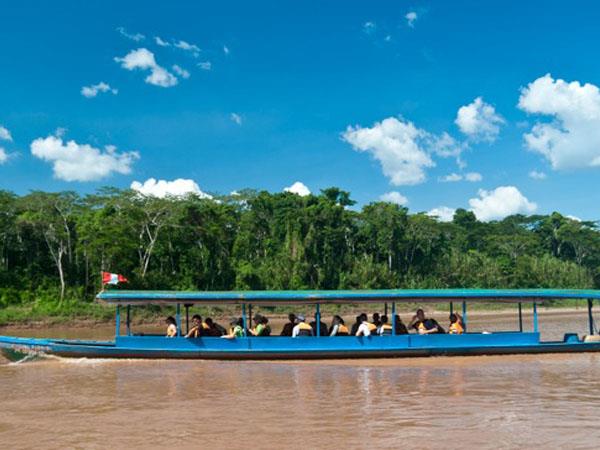
The lodges are located within a 200-hectare private reserve in the buffer zone of the Tambopata National Reserve. The lodges work with local families who harvest Brazil nuts from the surrounding rainforest, providing an opportunity for local communities to benefit from tourism alongside their forest-based livelihoods.The lodges provide access to the Tambopata rainforest and use open-sided designs that allow guests to experience the surrounding forest. Guest accommodation has three walls, while the communal areas are open-sided. The buildings use traditional materials including wood, palm fronds and clay.
Waste at the lodges is separated for recycling and other treatment. Biodegradable material is composted on site. Non-biodegradable waste is transported by boat to the city for disposal, while glass is taken to a local recycling facility. The lodges use biodegradable soaps, shampoos and laundry products. Lighting is provided by wind-up or similar low-energy lamps, and refrigerators are gas powered.
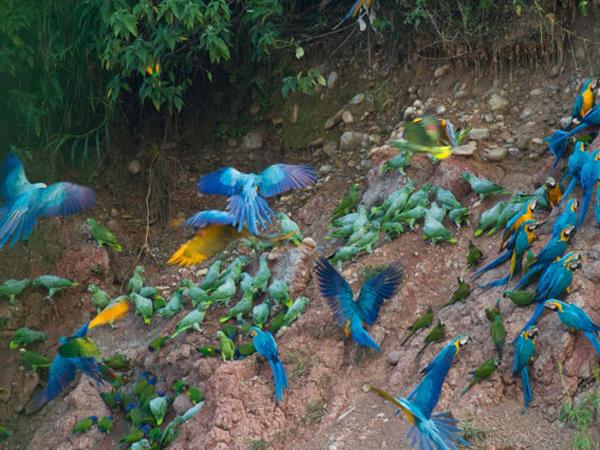
The lodges work with research projects studying species and ecosystems in the Tambopata region. Research has included monitoring of macaws, giant otters and harpy eagles. Findings from research and monitoring programmes inform aspects of lodge management, including visitor activities and wildlife monitoring.
The local community has established rules governing the use of natural resources in its communal reserve. These include restrictions on hunting, fishing with nets in the lake and cutting forest around harpy eagle nests. The community monitors compliance with these rules and can take action when they are breached.
The community also funds wildlife monitoring. Two community wildlife monitors collect information using monitoring methods developed with conservation partners. This helps the community understand wildlife populations and consider the effects of hunting and other activities on resources shared by local families and visitors.
The Tambopata National Reserve covers approximately 275,000 hectares and was established by the Peruvian government in 1990 to protect the watersheds of the Tambopata and Candamo rivers. It is adjacent to Bahuaja-Sonene National Park, which covers approximately one million hectares. Together, these protected areas conserve extensive areas of lowland and premontane tropical forest.
People
The lodges are owned by the Ese’eja Native Community of Infierno. Approximately 170 Indigenous and ribereño families are involved in the lodge operation and share in the benefits generated by tourism.A Community Committee provides a mechanism for local communities to participate in decisions relating to the lodges, visitors and the surrounding rainforest. Tourism income also contributes to community initiatives, including education.
The lodges work with a local Brazil nut operation and support the continued use of forest resources for Brazil nut harvesting alongside tourism.
Local community members are employed in a range of roles at the lodges, including technical, hospitality and guiding positions. Staff rotation provides opportunities for additional community members to gain experience and training, with some subsequently moving into tourism positions at other lodges.
A seed fund supports professional training for cooks and maintenance staff. Community guides undertake a structured training programme covering subjects including biology, conservation, biodiversity, ecosystems, flora and fauna. Guide training also includes first aid. Selected participants receive further practical and specialist training before taking on professional guiding roles.
The guide training programme also includes opportunities for participants to develop English-language skills and undertake further training in Lima. The programme operates as a revolving fund, with trained guides repaying their training loans so that funding can support future community participants.
The wider area around the Tambopata National Reserve supports a range of livelihoods, including small-scale agriculture, Brazil nut harvesting, timber extraction, hunting and fishing.
Transport infrastructure, including the Interoceanic Highway connecting Peru and Brazil, has increased access to the region and is an important factor affecting land use and economic activity.
The community has obtained an ecotourism concession covering part of the area around the lake. The community also works with neighbouring communities on approaches to land use and forest management.
Tambopata National Reserve and Bahuaja-Sonene National Park form part of wider conservation initiatives in the Andes-Amazon region. These initiatives involve protected areas and local communities and include participatory planning, local organisations, small businesses and agroforestry.
By staying at the lodges, guests contribute to the local tourism economy and to a business owned by the Ese’eja Native Community of Infierno. Tourism provides employment and income opportunities for community members alongside other local livelihoods.
Supporting local schools and community services
Visitors can also support local community projects through Pack for a Purpose. Travellers should check current requirements before travelling, as the most useful items can change according to local needs.
Popular similar holidays
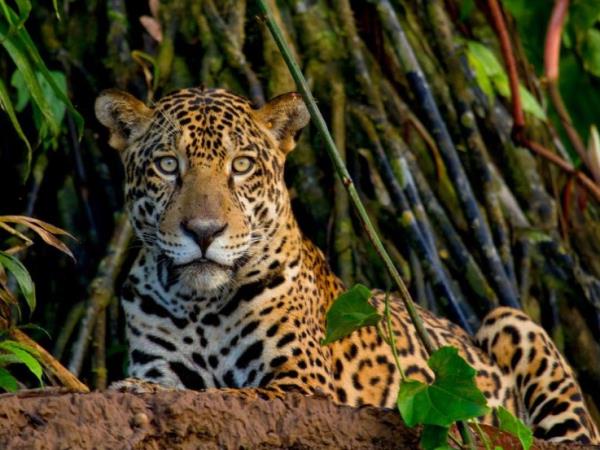
Peru highlands and wild Amazon adventure
From £5027 10 days including domestic flights only
Experience ancient civilisations & vibrant rainforest
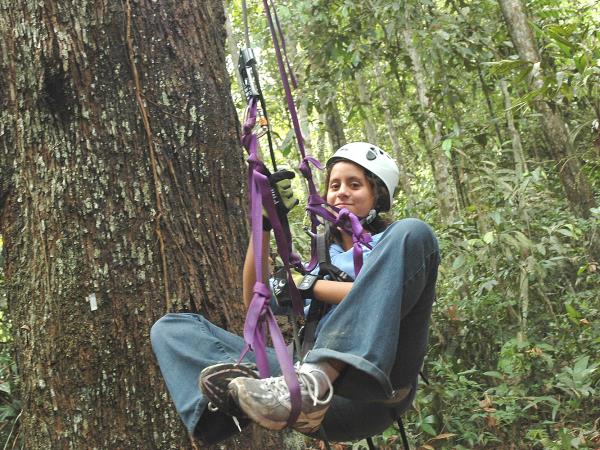
Peru Amazon Rainforest family adventure
From £928 4 days excluding flights
Amazon family adventure holiday, for children aged 4-10
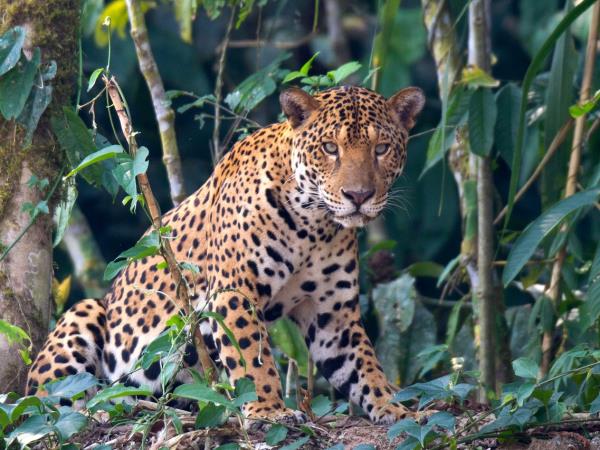
Amazon conservation project in Peru
From £1495 - £4295 33 days excluding flights
Help conserve the species of the incredible Amazon jungle