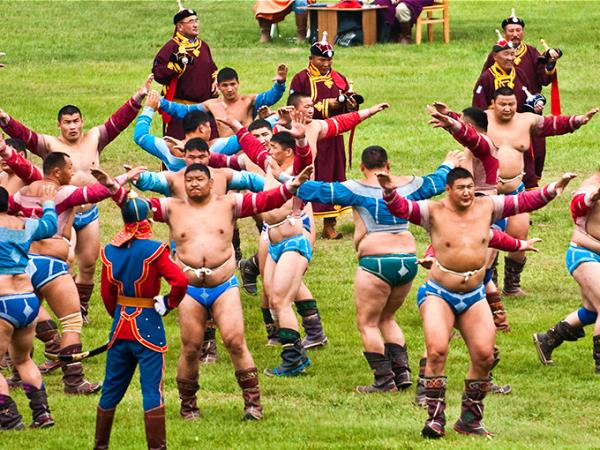
Naadam festival & Gobi desert tour, Mongolia
Price
US $3375ToUS $4260 excluding flights
Convert currency:


Duration
13 Days
Type
Small group
Group size
2-6

Description of Naadam festival & Gobi desert tour, Mongolia
Price information
US $3375ToUS $4260 excluding flights
Convert currency:
Check dates
2027: 30 Jun
Travel guides

Attending a local festival provides a fascinating insight into a culture – as well as being great fun.
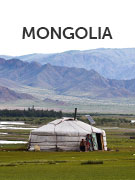
Insightsinto the world's least densely populated country, covering steppe and ger camp, camel treks and eagle festivals...
Responsible Travel
As the pioneers of responsible tourism, we've screened this (and every) holiday so that you can travel knowing we've worked to maximise the benefits of your holiday to local people and places, and minimise any negative impacts.
Planet
Mongolia is a vast, beautiful, and fragile land—and one that’s changing fast. We’ve seen firsthand how the climate emergency is reshaping the country: rainfall patterns have become unpredictable, annual precipitation is falling, and extreme weather events are more frequent. Desertification is spreading, biodiversity is under threat, and Mongolia’s average temperature is rising almost three times faster than the global rate.As a small, Mongolia-based business built on social enterprise values, we’re committed to ensuring that tourism benefits local people and landscapes as much as it benefits our guests. Our immersive experiences focus on women’s empowerment, inclusivity, and community engagement—creating lasting social value while keeping our environmental footprint as light as possible.
Our approach is based on long-term partnerships with families and grassroots initiatives that strengthen community resilience. We adapt and continue to support our partners even as their personal situations change, because sustained relationships are at the core of what we do.
We’re also realistic about what responsible travel means. Many of its labels have become marketing tools rather than genuine practice. With limited financial resources, our progress is gradual—but our commitment runs deep. Mongolia isn’t just where we work; it’s our home. That’s why we go far beyond the basics of respectful travel—actions like asking before taking photos or avoiding litter. For us, responsibility is a long-term, evolving practice that reflects care for the people and environments we’re part of.
Carbon Reduction: Domestic Flights | Local Transport | Electric Vehicles | Human-Powered Travel
Tourism is a major contributor to global carbon emissions, one of the key drivers of the climate emergency. We recognise that meaningful change takes time. As a small company with limited financial capacity, we’re taking a gradual but steady approach. With postgraduate students from the Responsible Tourism Management MSc at Leeds Beckett University (UK)—the only UNWTO-certified course of its kind—we’ve developed both an Environmental Management Plan and a Climate Action Plan.
We’re now working with responsible tourism consultant Léa Jacquot Benson to measure the carbon footprint of each tour, including emissions from our vehicles. This work also shapes how we design experiences that include cycling, horse trekking, and hiking, helping to further reduce emissions. We’re currently assessing the carbon impact of each journey and will share our progress annually through our Climate Action Plan.
Operating exclusively in Mongolia brings both challenges and responsibilities. The country is vast—roughly the size of Western Europe—with limited paved roads, and most visitors must fly internationally to reach us. We therefore focus on what we can control: making our operations as low-impact as possible and continuously improving how we travel within the country.
We are not a global or multi-destination operator. We live and work here, designing and running every trip ourselves rather than outsourcing to third parties. Our local knowledge allows us to move beyond the typical checklist of “highlights” and instead craft seasonal routes that reduce impact while directly supporting the communities we’re part of.
Our operations provide meaningful employment for our team of female Mongolian guides and male Mongolian drivers, supporting livelihoods while maintaining local autonomy—each driver owns their own vehicle for greater flexibility during the off-season. Although electric tour vehicles and charging infrastructure aren’t yet available outside Ulaanbaatar, their future use remains part of our long-term sustainability goals. And while Mongolia’s tourism industry is highly seasonal, we support our team year-round through free team events and discounted low-season trips.
Most of our itineraries—including this one—avoid domestic flights, even though long overland routes can be demanding. In the rare cases where a flight is necessary, we offer the option of travelling by public bus, and we cover the additional cost to encourage this lower-impact alternative.
The number of international airlines flying into Mongolia is limited, but we track and share their emissions data through Atmosfair, enabling guests to make informed travel choices before departure.
Meals On Tour | Locally Sourced Food | Vegetarian & Vegan Food
This trip focuses on Mongolia’s cuisine and food culture—an integral part of the country’s nomadic heritage. Traditional Mongolian diets are centred around meat and dairy, reflecting a herding lifestyle closely tied to livestock and the rhythms of the land.
Because we either cook with our host families or use our own compact mobile kitchen, we have the flexibility to adapt what we prepare. Our kitchen travels with us in the back of the tour vehicle, allowing us to carefully select ingredients, prioritising seasonal and locally sourced produce to reduce food miles. This approach also helps us to minimise food waste and packaging waste.
It also means we can offer vegetarian and vegan options, something that’s becoming increasingly possible even in Mongolia’s more remote regions. By preparing our own meals and sourcing locally, we’re able to share the flavours of Mongolia in a way that respects both cultural tradition and environmental sustainability.
Environment & Wildlife: Reducing Impacts on Nature
Mongolia is home to remarkably diverse yet fragile ecosystems. To help protect them, we offer a limited number of departures for each itinerary. Unlike many operators who concentrate on one or two high-profit routes, we don’t focus our trips in a single area or run the same tours repeatedly. Instead, we design varied, seasonal itineraries that help prevent the formation of a tourism circuit, reduce pressure on specific regions, and support environmental resilience over the long term.
When you book with us, you’re also directly supporting our annual two-day community clean-up in one of Mongolia’s national parks. Organised in partnership with local residents and protected area rangers, we’ve run this initiative every year since 2014—even during the pandemic, despite a complete loss of income.
Mongolia’s national parks operate on limited budgets, and with rising visitor numbers, small ranger teams struggle to manage the growing environmental impact. Our clean-up isn’t just about collecting rubbish; it’s about raising awareness and giving back to the communities and landscapes we work within.
Our founder, originally from the UK—one of the most nature-depleted countries in the world—has also established a grassroots wildlife group in her hometown. The group brings people together to protect local wildlife and habitats. In Mongolia, we launched an urban wildlife club for children in Ulaanbaatar, completing two successful projects and now exploring new ways to continue the club’s activities through community partnerships.
We also keep our group sizes genuinely small, with a maximum of four to six travellers. This allows for more personal and meaningful experiences while ensuring we remain a respectful presence—both to the families who host us and to the environments we visit.
Environment & Wildlife: Entry Fees to Parks and Support for NGOs
Every multi-day experience we offer—including the Food of the Nomads trip—includes visits to at least two or three of Mongolia’s protected national parks or nature reserves. All entry fees are paid directly, contributing to the ongoing management and protection of these areas.
Our trip assistants also receive seasonal training—when available—from one of the wildlife NGOs we collaborate with. These sessions strengthen our team’s understanding of local biodiversity and ensure our presence has minimal impact on the wildlife our guests come to see.
People
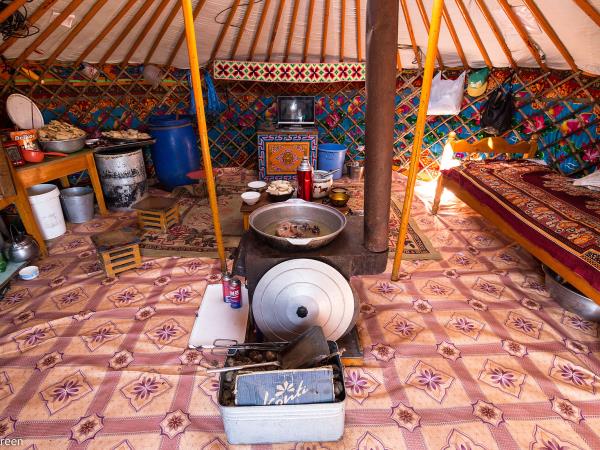
Local Economy: Locally Owned AccommodationA high percentage of the accommodation we use is ger accommodation provided by local families—simple, low-impact guest gers that function as homestays. We currently partner with 28 families across 12 of Mongolia’s 21 provinces. The small scale of these stays naturally helps to limit our environmental footprint, while ensuring that income from tourism goes directly to the households who host our guests.
However, Mongolia’s growing visitor numbers and limited infrastructure mean that waste management is becoming an increasing challenge. This is one of the driving forces behind our Sustainable Tourism Strategy, which sets out 11 key focus areas for ongoing improvement.
Water is another major pressure point, particularly as freshwater resources are already under strain. To reduce our impact, we’ve eliminated bottled drinking water from all tours. Outside Ulaanbaatar, recycling infrastructure is almost non-existent, making single-use plastic bottles unsustainable. Instead, each tour vehicle carries two 20-litre containers filled from local water stations, along with either a Lifesaver carbon filter or an Adventurer Steripen for safe refilling on the road.
We’ve also partnered with Water-To-Go, offering international guests a 15% discount on reusable filtered bottles—encouraging sustainable travel habits that extend beyond the trip itself.
We deliberately avoid the standard tourist ger camps, which often feature flush toilets and private showers that place additional strain on local water and waste systems. Instead, we use local town shower houses, a long-standing part of rural Mongolian life. While this approach may not appeal to every traveller—and can reduce our income—it’s one way we keep our environmental footprint to a minimum.
Waste disposal, especially plastic waste, is a growing national issue. Through our Sustainable Tourism Strategy, we’re working to reduce general plastic use. To encourage participation, we created the Mini Plastic-Free Mongolia Challenge, which invites both our team and guests to take part.
A further challenge is the lack of toilet facilities in rural areas, leading many travellers to use open countryside without proper disposal. One of our long-term goals is to help finance compostable toilets for our partner families, including those who host guests on the Food of the Nomads trip. In the meantime, we prioritise education and awareness: our trip assistants receive specific training to confidently deliver what we call “the toilet talk”, a key part of our responsible travel approach.
Local Economy: Creating Local Economic Opportunities
While we do visit well-known destinations, many of our itineraries venture into less-visited regions that are often overlooked by other tour companies. By diversifying where we travel, we help bring economic benefits to communities that might otherwise see little return from tourism.
Our experiences highlight Mongolian culture and create direct, long-term benefits for the people and communities we work with. These partnerships help supplement household incomes, reduce pressure for urban migration, address the challenges of climate change, and support the traditional herding lifestyle.
A key part of our philosophy is promoting low-season tourism, as demonstrated by the timing of the Food of the Nomads trip. Tourism, alongside mining and agriculture, is a vital income source for Mongolia, yet the main visitor season lasts just three months. By encouraging travel outside this short summer window, we help support economic stability for our partners during the costly winter months.
We also work with a number of grassroots community projects—currently six in rural provinces and four in Ulaanbaatar. These initiatives provide meaningful opportunities and long-term social benefits. For example, our complimentary ‘Intro to Ulaanbaatar’ tour includes a visit to the Uuliin Nuur Community Project, which we’ve supported since 2016 through per-guest donations that contribute to maintaining their community centre.
We also collaborate with the Mongolian Quilting Centre, which produces fabric tote bags for our guests. These serve as welcome souvenirs while supporting disadvantaged Mongolian women who are part of the project.
Employment, Inclusivity and Diversity: Creating Opportunities
We are a Mongolian-registered business, and our entire team—currently 24 people—lives and works in Mongolia. Team numbers fluctuate naturally as members adjust their personal circumstances, but we always keep their space open for them to return. Approximately 17% of our team is from Ulaanbaatar, 45% are from the provinces but now live in the city, and 38% continue to live in rural areas.
Our management team and all of our guides are Mongolian women. Overall, women make up over 60% of our team, 93% of whom are mothers and 53% single mothers.
Instead of hiring only the “top” guides already working within the tourism circuit, we focus on creating opportunities for women who are often excluded from the industry. We provide free, long-term training and mentoring to help Mongolian women develop skills and confidence—whether for professional growth, personal development, or financial independence.
Our female trip assistants are motivated, capable women who simply need a chance. We provide that chance, along with guidance and secure, long-term employment. By doing so, they’re breaking barriers in tourism, inspiring other Mongolian women from diverse backgrounds to join and thrive in the sector.
Although Mongolia’s economy is growing, progress towards gender equality in employment remains slow. Travelling with us directly supports the creation of meaningful, stable careers for Mongolian women. In recognition of this, we were proud to receive the Gender Equality Champion Award (2024) from Equality in Tourism International.
Our support also extends to our male team members, particularly older drivers who face high unemployment and social pressures linked to traditional gender roles. We provide long-term work for these experienced men, all of whom own their own vehicles, giving them financial independence and flexibility during the off-season.
Despite being a small company, we’re proud of our strong team culture. Many of our staff have been with us for over a decade, and our intergenerational team reflects a vibrant cross-section of modern Mongolia—blending tradition, change, and shared purpose.
Popular similar holidays
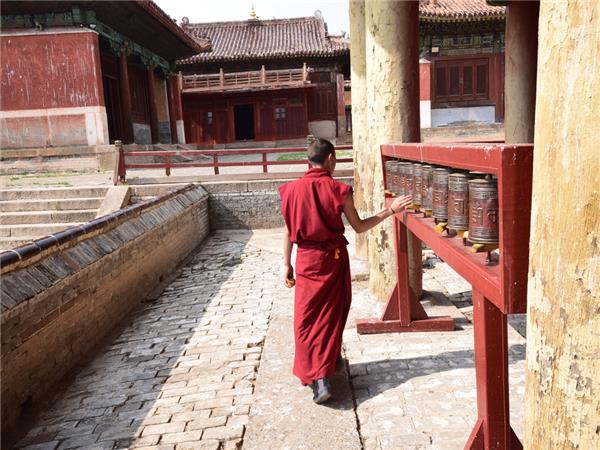
Mongolia small group holidays
From £2920 - £3580 15 days excluding flights
Discover the raw beauty and tradition of Mongolia
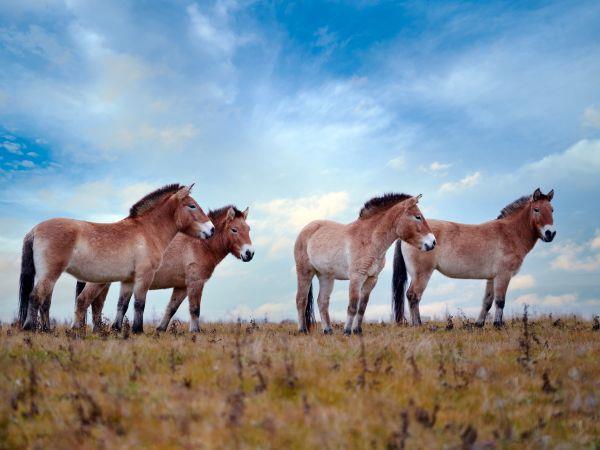
Mongolia tour, land of the great Khan
From £4370 - £4725 15 days excluding flights
Journey through Mongolia's epic landscapes
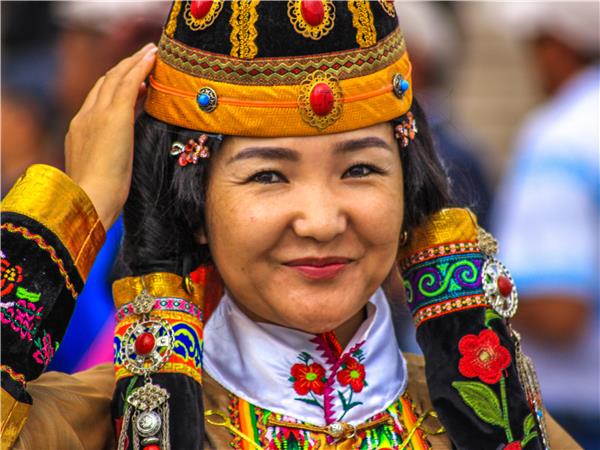
Naadam Festival holiday in Mongolia
From £4367 15 days excluding flights
Mongolia tour with Nadaam Festival departures