Rhino and elephant conservation in Zimbabwe



Flights are not included in the cost.

Description of Rhino and elephant conservation in Zimbabwe
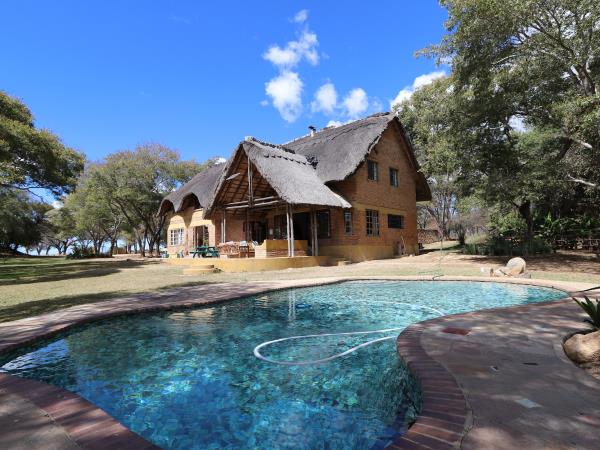
This project began life as a cattle farm back in the 1950's, but since then it has evolved into the impressive 10,000 acre conservation project you see before you today. Norman Traver's founded the family farm in Zimbabwe's beautiful Mashonaland region, and under the leadership of the Travers family the farm eventually transformed into a conservation haven with a strong focus on rhino and elephants.
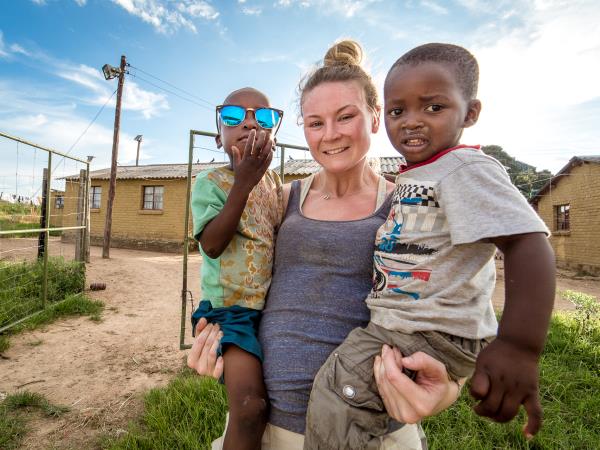
The aim of this project is to integrate conservation efforts with the local community to ensure that the local wildlife will survive into the future, and volunteers play a crucial role in each of these facets.
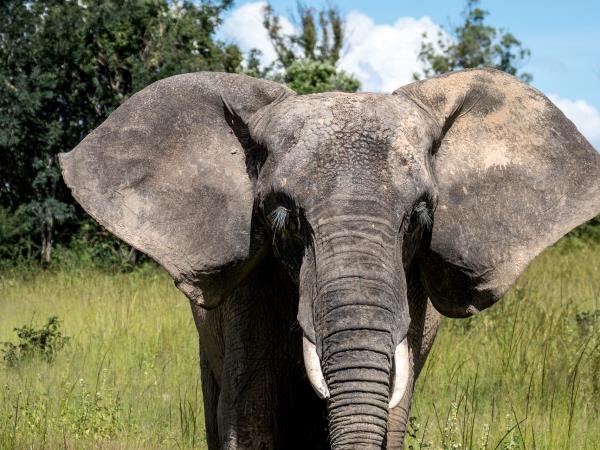
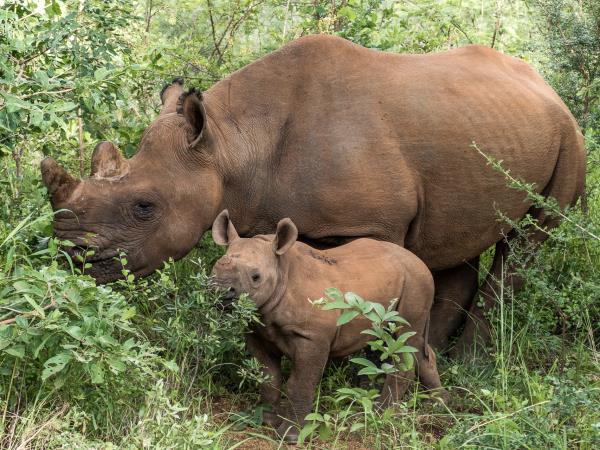
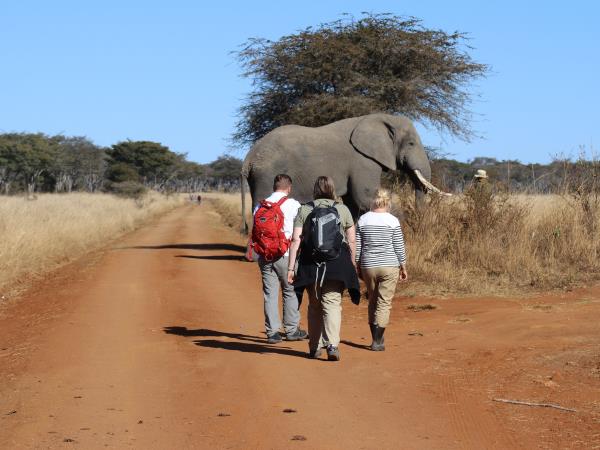
As a volunteer on this project you will take part in many exciting activities, each of which is designed to add noticeable contributions to the projects conservation efforts. You will have the chance to walk and feed both the elephants and rhino, immerse yourself in community initiatives and even enjoy a breakfast alongside the elephants. There are a whole host of general conservation activities that need to be completed too, so alongside the aforementioned activities you could be taking part in:
Observing and recording elephant and rhino behaviour
Enclosure cleaning
White Rhino tracking
Maintaining and repairing enclosures
Weapons Training & K9 Unit Demonstration
Herd monitoring on horseback (for experienced riders only)
Game drives
Campouts beneath the stars
This is an amazing conservation project, and you can rest safe in the knowledge that you will be helping to ensure that the region's wildlife has a future.
Price information
Flights are not included in the cost.
Check dates
2027: 11 Jan, 18 Jan, 25 Jan, 1 Feb, 8 Feb, 15 Feb, 22 Feb, 1 Mar, 8 Mar, 15 Mar, 22 Mar, 29 Mar, 5 Apr, 12 Apr, 19 Apr, 26 Apr, 3 May, 10 May, 17 May, 24 May, 31 May, 7 Jun, 14 Jun, 21 Jun, 28 Jun, 5 Jul, 12 Jul, 19 Jul, 26 Jul, 2 Aug, 9 Aug, 16 Aug, 23 Aug, 30 Aug, 6 Sep, 13 Sep ...
Travel guides
Reviews
1 Reviews of Rhino and elephant conservation in Zimbabwe
Reviewed on 09 Dec 2021 by Julie Alexander
1. What was the most memorable or exciting part of your holiday?
Walking with elephants
2. What tips would you give other travellers booking this holiday?
Be fit before you travel
3. Did you feel that your holiday benefited local people, reduced environmental impacts or supported conservation?
I feel it benefitted the local environment and animals. Im not convinced that volunteers should enter local communities. I think this gives the wrong impression- white people turning up with gifts then disappearing again. It raises expectation and creates an unhealthy dynamic in my view.
4. Finally, how would you rate your holiday overall?
Excellent. Life enriching
Read the operator's response here:
Thank you for your review and we’re glad you had an excellent overall experience!
Regarding entering local communities and giving donations, we appreciate your feedback and would like to reassure you that this is part of much broader work that we do to improve the lives of the communities we work with.
The well-being of rural communities is vital for conservation efforts, as life in rural Zimbabwe is very challenging and without the support of volunteers and international donors, the communities would be less able to support the wildlife. So the two work in conjunction with each other.
Recently (due to the impact of Covid-19), it has not been possible to run the in-school early years literacy programme as usual, but as supporting the surrounding communities remains an important part of what the team do, there are several ongoing community projects in place such as tree planting. One of the donors has donated fruit trees for the community which are given to encourage families to grow healthy food, either to sell or for their own consumption. At different times volunteers deliver the trees to the communities and assist in planting them. Though these trees are gifted to the community, they are to encourage and enable financial self-sufficiency.
While we do not support a culture of hand-outs, many volunteers do wish to bring personal donations such as sanitary ware, stationery, and school equipment. When this happens, members of the community are asked which families or individuals would most benefit from these individual donations and then volunteers visit to make their donation. We understand that this is not always an ideal situation, but access to essential items is extremely limited in rural Zimbabwe and we do not want to restrict volunteers from bringing out donations.
Additionally, there is a new partnership with a local couple who now host a homestead visit for the volunteers. Here they can see what life is like in a rural village, have a tour and enjoy a meal, and this is now an income-generating business which supports them.
We hope this provides some additional helpful information and please contact us if you have any further feedback or would like to chat about this.
Responsible Travel
Planet
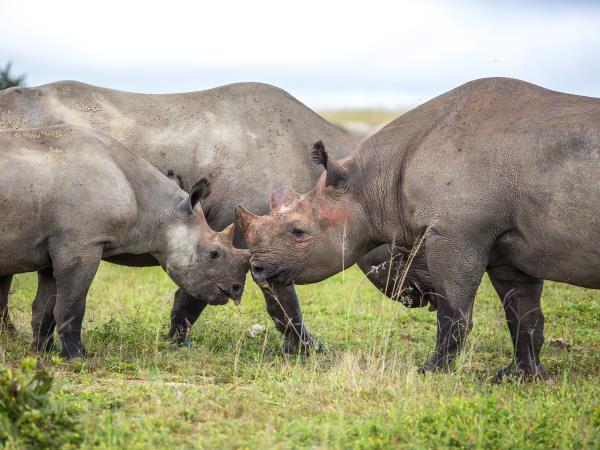
This project is committed to protecting the local wildlife and does this in many different ways. The project as a whole provides a safe haven for the endangered white and black rhino as well as rescued elephants. Volunteers on this project play a crucial role in helping to protect the wildlife by taking part in vital conservation activities that help the reserve to run smoothly. These activities include general reserve maintenance, caring for the rhinos and elephants and undertaking snare and anti-poaching patrols to ensure the animals safety. The work the project does is very important for conservation efforts in Zimbabwe as a whole, as without it the animals would be in danger.With regards to how the project conserves energy, it makes the most of the long days which are filled with sunlight! To conserve energy in a location where it can be scarce, the project has installed solar panels on the showers that volunteers use to wash. This negates the need to use electricity to warm up the water, and in turn means the project is doing its bit to reduce its energy usage.
People
This project gives volunteers the chance to enjoy weekends off, and during this time many of them head off into the nearby town to explore and soak up the local culture. When exploring the town many volunteers use this as an opportunity to enjoy a meal in a local restaurant or a chance to purchase souvenirs and this contributes to the local community. The in country team is more than happy to recommend places for the volunteers to eat and spend their money, and the local people love sharing their culture with the new guests!This project also promotes travelling with respect as it really pushes integration with the local community onto the volunteers. Members of the local community, children and adults alike, pay a visit to the volunteer house to share their culture and food stuffs. This is a favourite activity of the volunteers as it gives them the chance to learn more about the Shona culture whilst sharing their own experiences of home. Cultural exchange is very important on this project!
Popular similar holidays
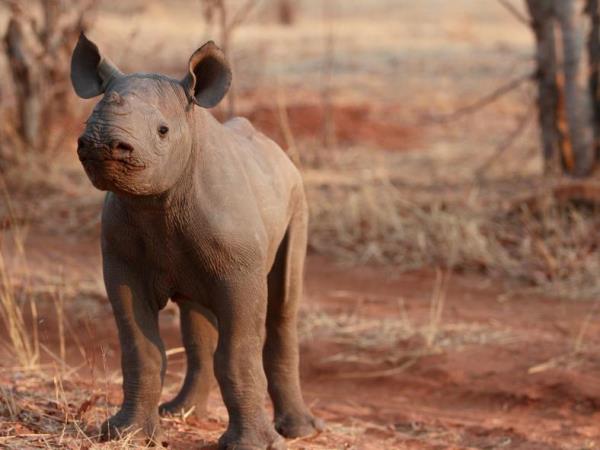
Victoria Falls volunteer project, Zimbabwe
From £1295 - £2495 14 days excluding flights
Work with Victoria Falls wildlife and communities
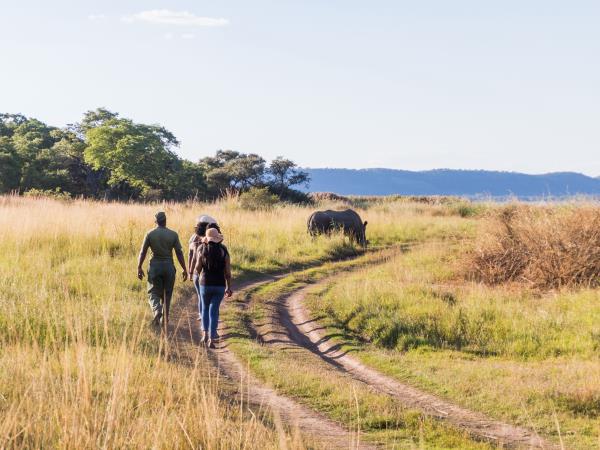
White rhino and horse project, Zimbabwe
From £1955 14 days excluding flights
Discover Zimbabwe's wildlife and warm hospitality
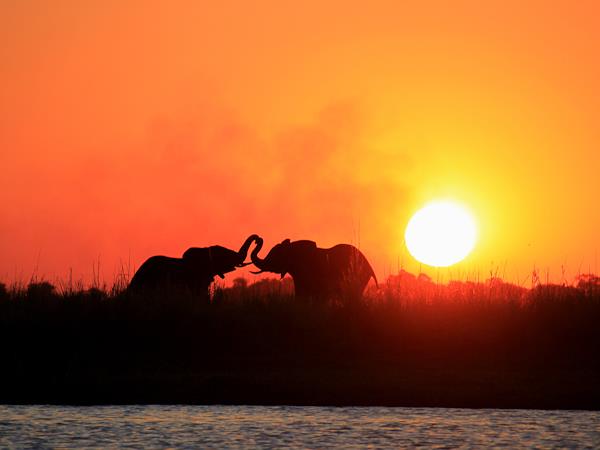
Zimbabwe & Botswana game tracker safari
From €3180 - €3320 16 days excluding flights
A lodge safari through Kruger, Zimbabwe & Botswana