Tanzania Northern Circuit luxury safari
Price
£2595To£3365 excluding flights
Convert currency:


Duration
6 Days
Type
Small group
More info
Costs vary according to season of travel.
Trip departs on alternate Mondays.
This trip can also be taken on a privately guided basis.
Trip departs on alternate Mondays.
This trip can also be taken on a privately guided basis.

Description of Tanzania Northern Circuit luxury safari
Price information
£2595To£3365 excluding flights
Convert currency:
Costs vary according to season of travel.
Trip departs on alternate Mondays.
This trip can also be taken on a privately guided basis.
Trip departs on alternate Mondays.
This trip can also be taken on a privately guided basis.
Check dates
2027: 4 Jan, 18 Jan, 1 Feb, 15 Feb, 1 Mar, 15 Mar, 29 Mar, 12 Apr, 26 Apr, 10 May, 24 May, 7 Jun, 21 Jun, 5 Jul, 19 Jul, 2 Aug, 16 Aug, 30 Aug, 13 Sep, 27 Sep, 11 Oct, 25 Oct, 8 Nov, 22 Nov, 6 Dec, 20 Dec
Travel guides
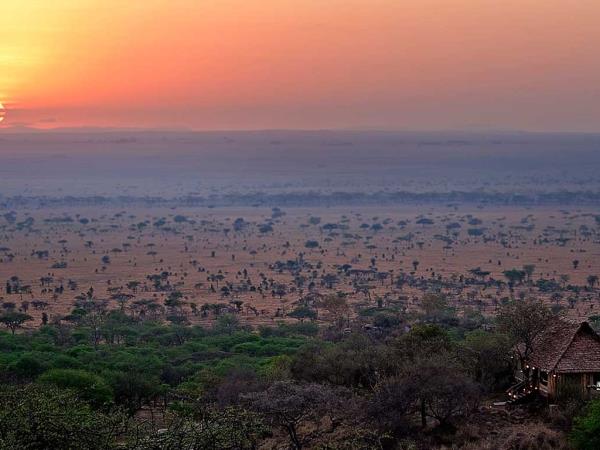
The Serengeti is the world’s greatest wildlife stage, with no prologue necessary, because here you go straight to the drama.
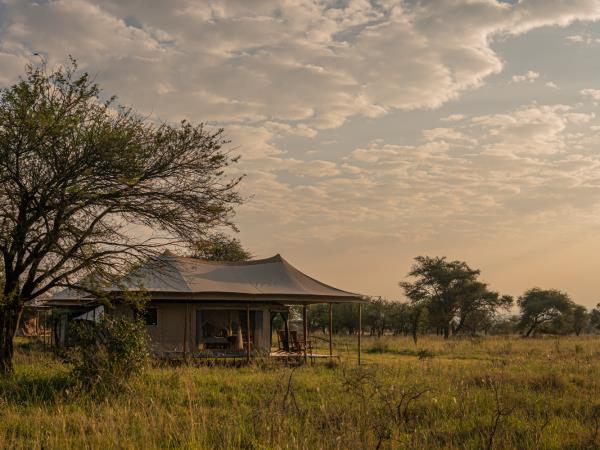
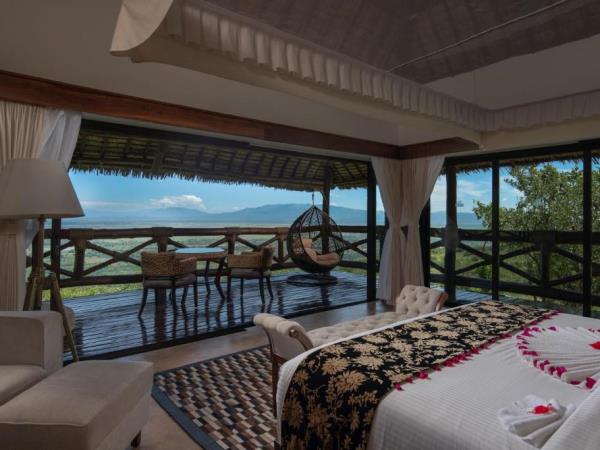
Returning to a revitalising hot shower after a long, dusty safari - that's the beauty of staying in a lodge.
Responsible Travel
As the pioneers of responsible tourism, we've screened this (and every) holiday so that you can travel knowing we've worked to maximise the benefits of your holiday to local people and places, and minimise any negative impacts.
Planet
CARBON REDUCTIONThis trip does not use air transport to access the remote areas, and instead uses shared overland vehicle; thereby reducing the number of vehicles on the road by offering a group departure.
The accommodations used in this itinerary use renewable energy at several of its safari properties, with solar power used at locations including Tarangire and the Serengeti camps. Using renewable energy, such as solar power, has several environmental and economic benefits. Solar energy produces electricity without directly burning fossil fuels, helping to reduce greenhouse gas emissions and the carbon footprint of tourism properties. This is particularly valuable for lodges and camps located in sensitive natural environments, where reducing environmental impact can help protect wildlife and ecosystems.
Renewable energy can also reduce reliance on diesel generators, which lowers air pollution, noise and fuel consumption. In remote safari locations, solar power can provide a more cost-effective source of energy because fuel does not need to be transported long distances. Overall, using renewable energy helps support the conservation of the natural environment that visitors come to experience.
ENVIRONMENT AND WILDLIFE
The accommodations in this itinerary have clear examples of reducing environmental impacts through renewable energy, particularly solar electricity and solar water heating at its remote safari properties. These measures can reduce carbon emissions, air pollution, fuel consumption and generator noise. Some properties are also designed to integrate with their natural surroundings.
This trip visits 3 of Tanzania's National Parks, which actively work to protect wildlife and the environment. Tanzania’s national parks protect wildlife by creating protected habitats, employing trained anti-poaching rangers, monitoring wildlife populations, protecting migration corridors and supporting conservation programmes for threatened species such as black rhinos and African wild dogs. The parks also work with surrounding communities to reduce human-wildlife conflict and promote conservation. Together, these measures help protect Tanzania’s biodiversity while allowing tourism to provide income that supports continued conservation
People
LOCAL ECONOMYThe Accommodation used in this itinerary helps Tanzania’s local economy mainly by keeping tourism spending within the country and creating economic opportunities around its lodges, camps and resorts.
The accommodations are part of a locally owned Tanzanian company. The group specifically identifies direct employment of local community members and young people as one of its community initiatives. This means tourism revenue supports Tanzanian wages, skills and household incomes rather than flowing entirely to an overseas hotel group.
The accommodations operate across destinations including the Serengeti, Ngorongoro, Lake Manyara, Tarangire, Mikumi, Dar es Salaam and Zanzibar. Tourism properties in these areas generate demand for guides, transport, food and other services, creating opportunities for businesses beyond the hotels themselves.
They offer activities such as village walks, Maasai bead-making experiences, cultural visits and Hadzabe excursions. These can connect visitors directly with local guides, artisans and communities and create additional sources of tourism income, as well as spread the benefits of tourism beyond just providing accommodation.
The company's corporate social initiatives include building schools and laboratories in rural areas, promoting education, awareness programmes and community contributions. These investments can have longer-term economic benefits by improving education and opportunities for young people.
Employment, Inclusivity and Diversity
The company provides employees and partners with continuous training and counselling, which can strengthen hospitality skills and improve people's future employment prospects.
This matters particularly in Tanzania because tourism can have a strong effect on rural livelihoods. Tanzania's Investment Centre notes that community-based tourism can generate employment as well as income from handicrafts, food supply and guiding, and reports substantially lower poverty rates among households with someone working in tourism
Popular similar holidays
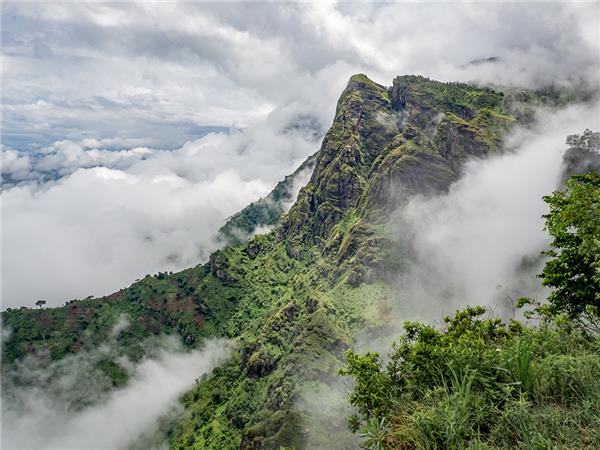
Tanzania small group safari
From £1497 - £2180 12 days excluding flights
Experience the beauty of Africa from Nairobi to Zanzibar
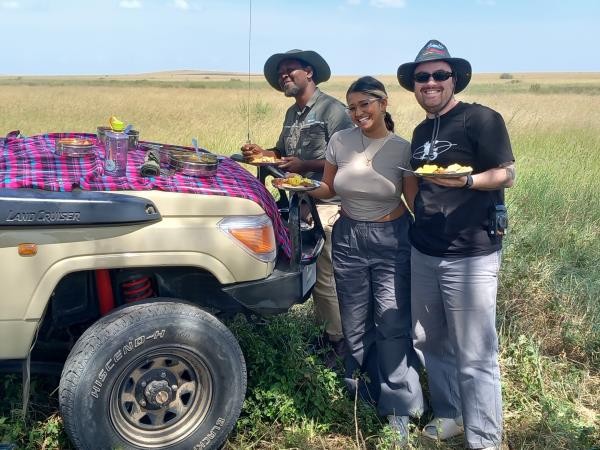
Serengeti holiday in Tanzania, the big five
From US $2570 - US $3500 5 days excluding flights
The best National parks of Tanzania northern circuit
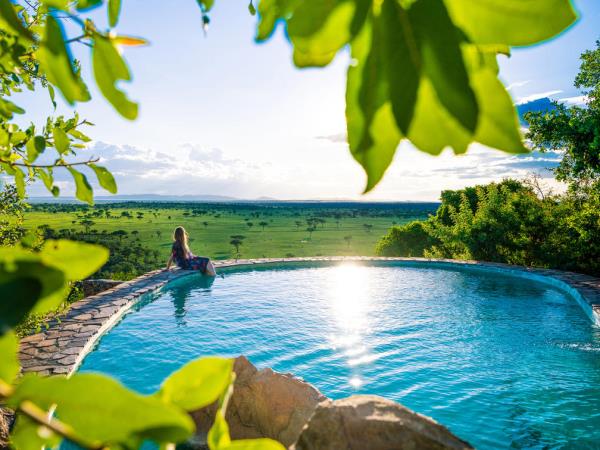
Tanzania northern circuit safari holiday
From £3535 9 days including domestic flights only
Stunning landscapes & unique wildlife experience