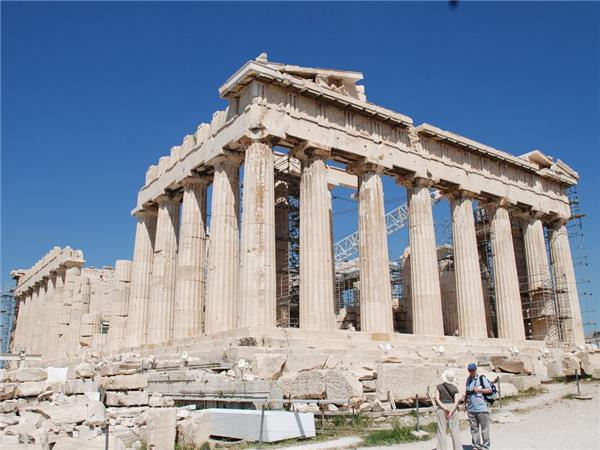
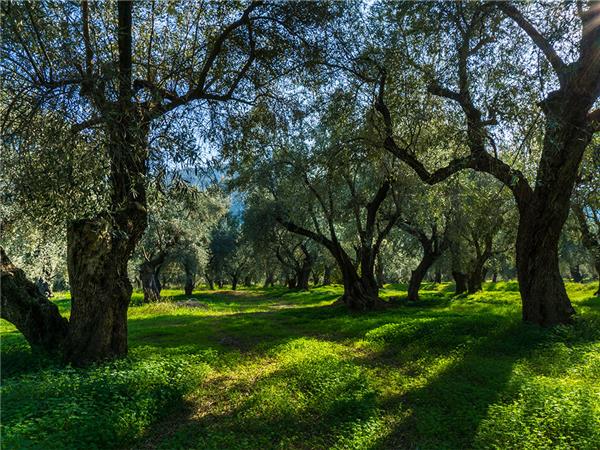
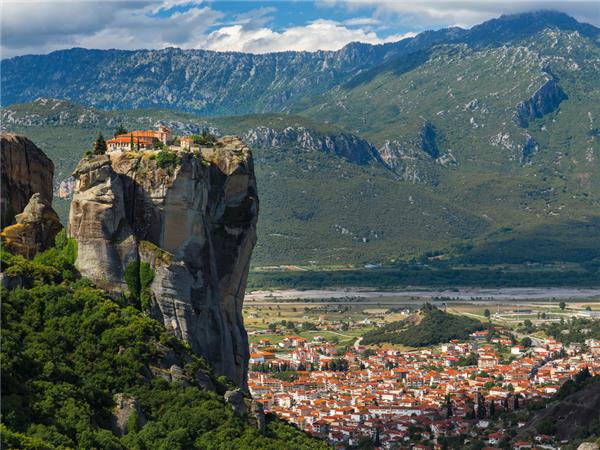
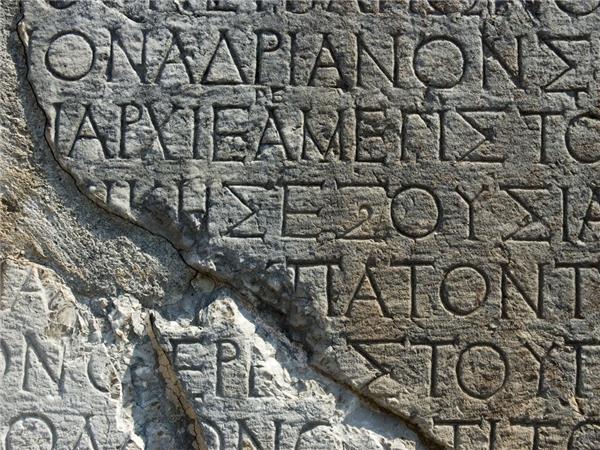
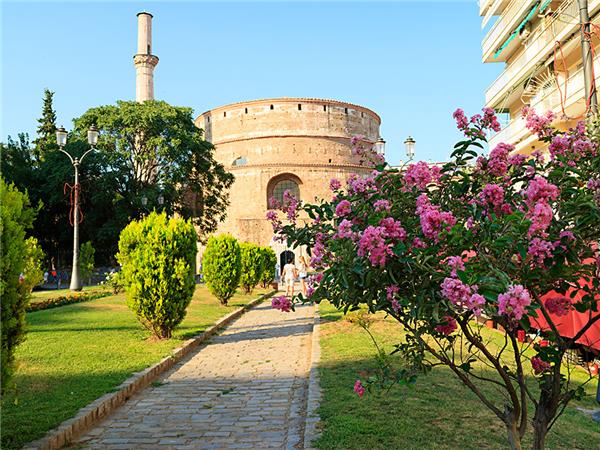
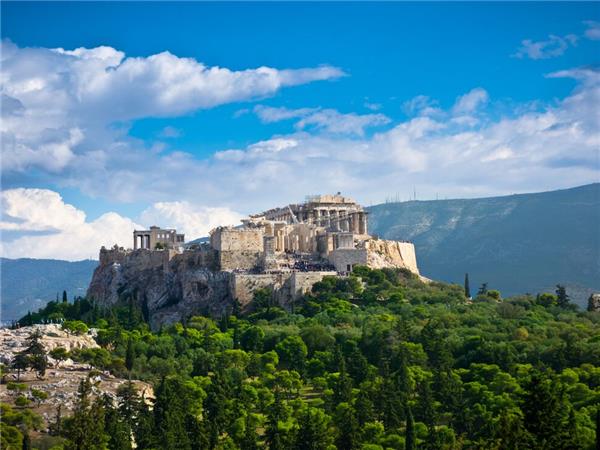
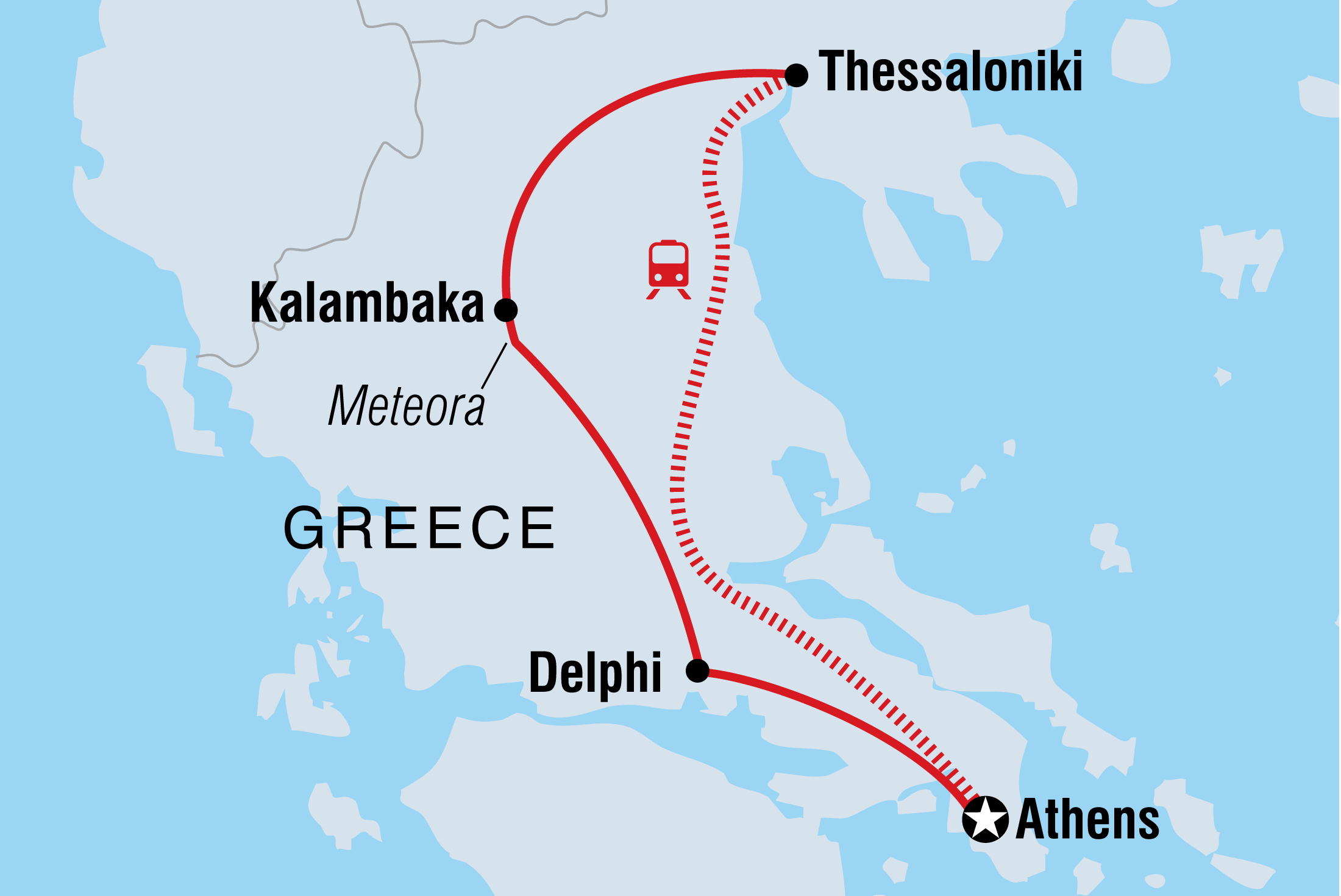
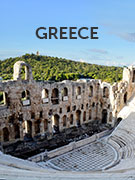
Most travellers to Greece head straight for the islands but this week long tour of the mainland will help you see that there’s so much more to the country than the beach. You’ll visit iconic ancient Greek sites in Athens and Delphi, explore the cosmopolitan city of Thessaloniki, home to Byzantine, Ottoman and Roman architecture and climb the hills of Meteora, to see stunning 14th century cliffside monasteries.
You’ll travel with a small group of up to 12 travellers, only using public transport, including buses and trains, in order to make the trip as low impact as possible. You’ll stay in small, locally run hotels and be accompanied by experienced local guides along the way, to ensure that you get as much of a flavour of the real Greece as possible.
Map
Price information
£1645To£1875excluding flights
Single supplement from £345 - £370.
Contact Us
If you'd like to chat about this holiday or need help finding one, we're very happy to help
Our travel guide tries to stick to the cold hard facts - a challenge, since it's supremely easy to fall in love with Greece.
Holiday information
Small group tour, ideal for solos & couples:
Small group travel is not large group travel scaled down. It is modeled on independent travel – but with the advantage of a group leader to take care of the itinerary, accommodation and tickets, and dealing with the language. It’s easy to tick off the big sights independently – but finding those one-off experiences, local festivals, travelling markets and secret viewpoints is almost impossible for someone without the insider knowledge gained from years in the field. For those with limited time, a small group tour will save valuable time in planning, and on holiday.
Reviews
1 Reviews of Mainland Greece tour
5 out of 5 stars
SHOW
1
0
0
0
0
Reviewed on 20 Sep 2026 by Claire Walker
1. What was the most memorable or exciting part of your holiday?
So much of it! The amazing rocks and monasteries of Meteora, the stunning views of the mountains at Delphi, the Acropolis in Athens. Just amazing every day.
2. What tips would you give other travellers booking this holiday?
It was very hot even for September, take plenty of sun cream and cool clothing. Comfortable walking shoes too. Gather snacks where you can as they come in handy for the longer bus journeys.
3. Did you feel that your holiday benefited local people, reduced environmental impacts or supported conservation?
Yes definitely. We always stayed in locally run hotels and ate in local / family run tavernas. We used public transport. We visited refugee charity and spent money in their shop. Everything we spent went to local people in one way or another.
4. Finally, how would you rate your holiday overall?
Wonderful
Responsible Travel
As the pioneers of responsible tourism, we've screened this (and every) holiday so that you can travel knowing we've worked to maximise the benefits of your holiday to local people and places, and minimise any negative impacts.
Planet
While we want to offer the best travel experiences ever to our groups, we always make sure that this happens in harmony with the natural environments we visit.
When visiting fragile environments, remote areas and national parks, we operate a “take in, take back out” system. Our travellers are always asked to carry any rubbish with them when hiking, to ensure no litter is left behind. To reduce single-use plastics on our trips we often provide reusable bags, encourage the use of reusable drinking bottles and are working to increase access to places to refill them.
During this trip we only use public transport to keep our ecological footprint as low as possible. From Thessaloniki to Athens and from Athens to Pyraeus we take the train. Public transport gives our travellers a unique opportunity to get in touch with the locals and learn more about Greek life. The train and ferry journeys on this trip are excellent examples of travelling like a local, with locals.
People
This small group tour has a maximum of 12 participants, allowing us to have a low impact on the communities we visit and meaning we can ensure we don’t disrupt or lead to the displacement of local people.
This tour actively encourages guests to chat with local people, visit local cafes and bars, purchase local produce, gifts and crafts, and discover what life is really like in this part of Europe. In addition to the local guide, who accompanies the group throughout the entire trip, we always use specialist local tour guides on site. For example, when the group visits the Acropolis in Athens they’ll be accompanied by a local expert. Our goal is to promote intercultural communication and understanding.
Our company strives to create employment opportunities in the countries we travel to and our staff is made up of many different people from all over the world. We offer local people good working conditions, a fair wage, and empower them through training opportunities. We also work to maximise the benefits generated by tourism for local economies and communities. We source local activities that we believe are sustainable to the economy in that they allow the flow of income from visitors to be distributed to a greater audience, instead of remaining concentrated with a handful of tourism providers.