Langtang Valley trek in Nepal with Gosaikunda Lake
Price
US $1390 excluding flights
Convert currency:


More info
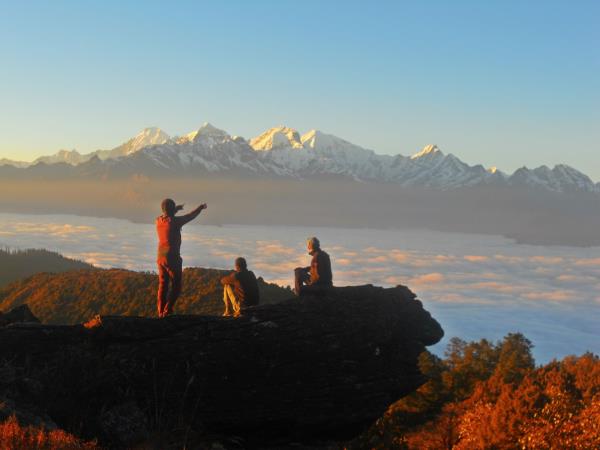
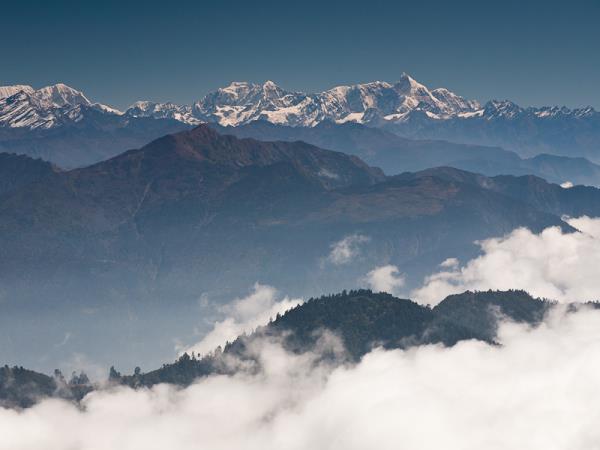
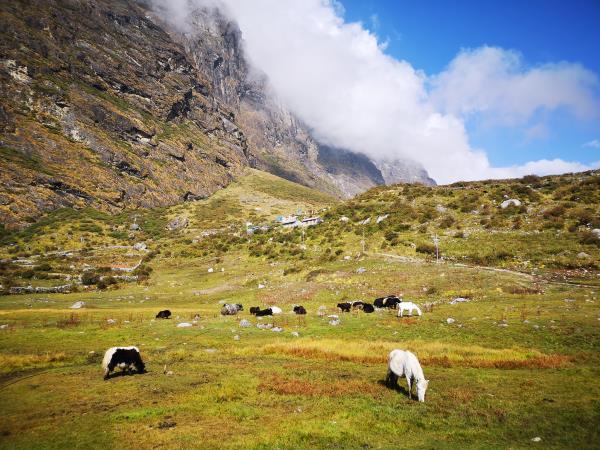
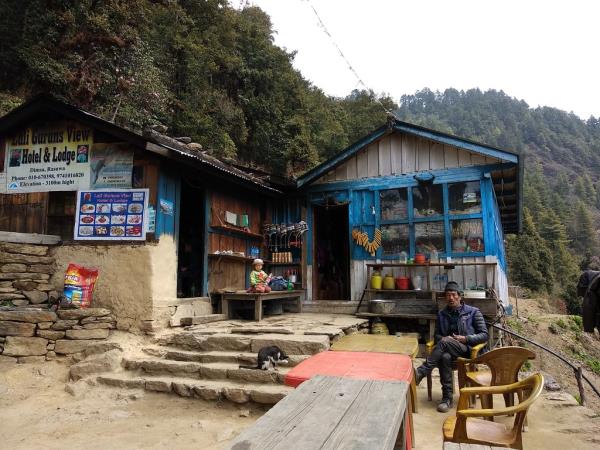
Less traveled trail near Kathmandu.
Best time to visit is from September to May.
Contact us if you would like to be a part of the group or if you are looking for a customisation.
Best time to visit is from September to May.
Contact us if you would like to be a part of the group or if you are looking for a customisation.
Offers
Enjoy $50 off per person on all October–November departures. Seats are limited-book now before they're gone!

Description of Langtang Valley trek in Nepal with Gosaikunda Lake
Price information
US $1390 excluding flights
Convert currency:
Less traveled trail near Kathmandu.
Best time to visit is from September to May.
Contact us if you would like to be a part of the group or if you are looking for a customisation.
Best time to visit is from September to May.
Contact us if you would like to be a part of the group or if you are looking for a customisation.
Check dates
2026: 21 Oct, 10 Nov
Travel guides
Discover whether a walk in the Himalayas is for you with our guide to the ups and downs.
Be part of a pack on your next outing. These small group walks promise fun and friendship on the trail.
Reviews
1 Reviews of Langtang Valley trek in Nepal with Gosaikunda Lake
5 out of 5 stars
Reviewed on 05 May 2026 by Sally Price
1. What was the most memorable or exciting part of your holiday?
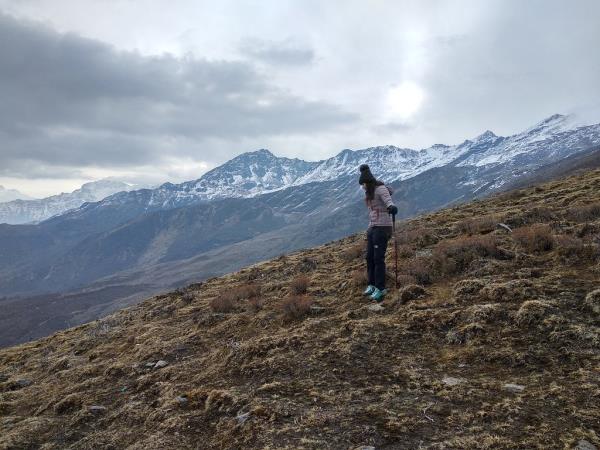
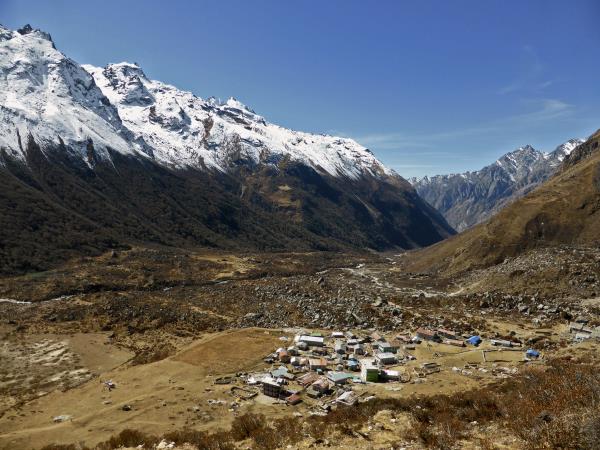
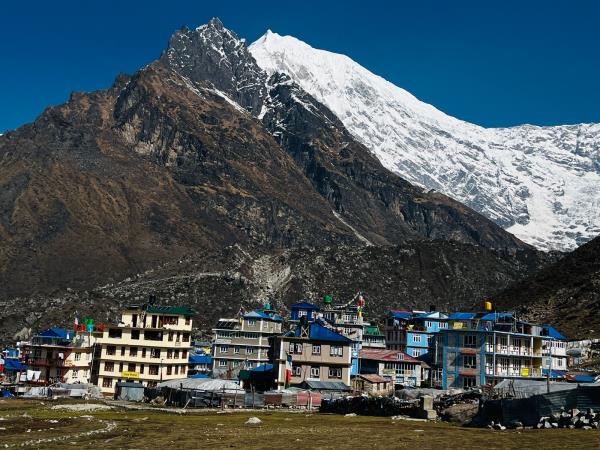
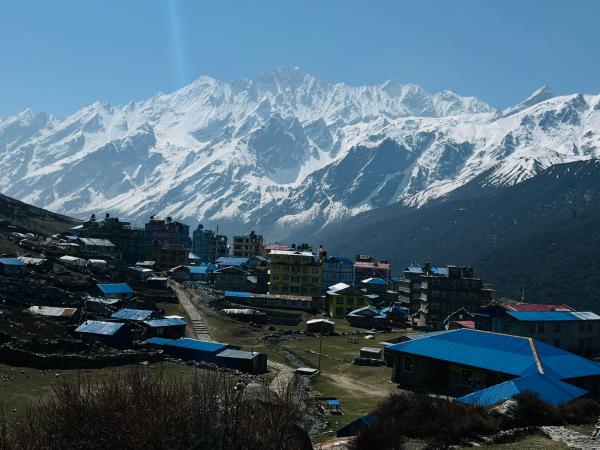
Without doubt, the most memorable was the trek to Kyanjin Gompa. Whilst extremely challenging for us, the weather made it amazing and the views of the Himalayas at the top were spectacular. The local people were so very welcoming too. April was a lovely time to see Langtang valley…..whilst we saw no Red Panda, there was plenty of wildlife in the beautiful Rhododendron forests.
2. What tips would you give other travellers booking this holiday?
All operators describe the Langtang trek as a starter route for anyone of moderate fitness. But be in no doubt that it is hard work, particularly for the more mature! The trek is a serious uphill hike and, of course, just as difficult on the way down. Travelling in Nepal generally is a test of endurance and patience…..the roads are pretty shocking and every journey is pretty exhausting.
3. Did you feel that your holiday benefited local people, reduced environmental impacts or supported conservation?
Certainly, by using a local guide and porter, we felt that there was a more direct investment into the Nepalese economy. Most of our accommodation was small, unique and personal. I hope that our presence in Chitwan supported the conservation of all the amazing wildlife in that region.
4. Finally, how would you rate your holiday overall?
This was an amazing experience. The operator was so helpful, particularly when we rearranged our itinerary to include Pokhara. Because of this change, it really felt like a varied holiday……trek, mountain spa hotel, safari, and of course the cultural highlights of Kathmandu valley. First class!
Responsible Travel
As the pioneers of responsible tourism, we've screened this (and every) holiday so that you can travel knowing we've worked to maximise the benefits of your holiday to local people and places, and minimise any negative impacts.
Planet
Langtang National Park is a sacred landscape for the Tamang and Sherpa communities who have lived inside its boundaries for generations. Keeping it clean is not an environmental policy for them — it is a matter of basic respect. We ask you to treat it the same way.Plastic. Leave single-use plastics at home. Decline plastic bags when buying from local shops, refuse straws, and avoid individually wrapped imported snacks. Carry a BPA-free refillable bottle; clean water is available at teahouses and designated refill points throughout the route, and there is no need to buy a single plastic water bottle on this trek. The guide covers waste management in the pre-trek briefing on Day 3. Everything the group generates on the trail is carried out — no rubbish is left at teahouses or on the trail.
Gear rental. If this is your first trek or you don't plan to trek regularly, buy nothing you'll use once and discard. Sleeping bags, trekking poles, down jackets, and day packs can all be rented through our Kathmandu office before departure and returned when you finish. You pack lighter, spend less, and avoid contributing to the growing secondhand gear problem in Kathmandu's trekking district.
Food. A vegetarian diet throughout this trek means eating food grown within a short distance of where it's served. Dal bhat, seasonal vegetables, lentil soups, and local grain dishes are the backbone of the teahouse menu and the most sustainable choice on the trail. Imported food — processed snacks, meat, packaged goods — generates freight emissions and returns little to local producers.
Transport. No domestic flights are used on this itinerary. The Kathmandu–Syabrubesi approach is by road; the return from Sundarijal is a one-hour drive. The rest is on foot. For a 16-day trip, this is about as low a transport footprint as a Nepal itinerary gets.
Energy. Solar panels are the primary power source at teahouses along the Langtang and Gosaikunda route. Bring a portable solar panel or a high-capacity power bank if you need to charge devices on the move. Demand on the teahouse solar systems is highest in the evening; charging overnight is not always possible at the higher stops.
People
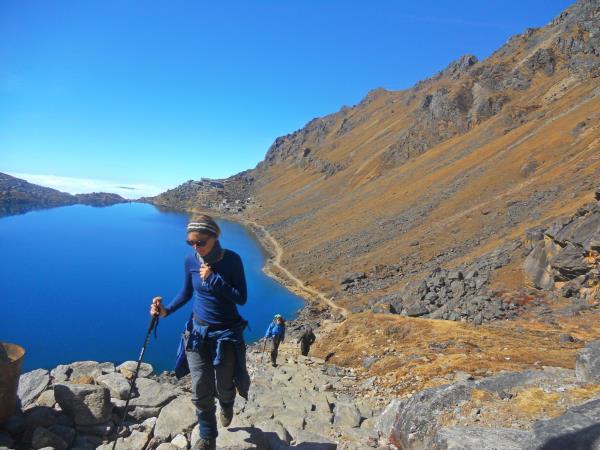
Behaviour at sacred sites. Gosainkunda Lake is an active pilgrimage destination, not a scenic viewpoint with religious décor. Pashupatinath, Boudhanath, Kyanjin Gompa, and the smaller monasteries and shrines along the Langtang and Helambu trail sections are all in daily use by local communities. Dress accordingly throughout the trek — legs covered to the knee, shoulders covered. Remove shoes before entering monasteries and temples; if a foot condition makes this difficult, wear clean socks. Observe photography restrictions where signed, without exception. When entering a teahouse, homestay, or village building, greet the household first. A Namaste with hands pressed together is correct in any context and is always acknowledged.Talking to people. Tamang and Sherpa communities along this route are not naturally demonstrative with strangers — quiet and reserved is the cultural default, not unfriendliness. The best way in is through small, unhurried interaction: sitting down for tea with your guide and porter rather than eating separately, asking questions about the village, the farming season, the monastery. Learning ten words of Nepali before you arrive opens more doors than a week of gestures. The guide can teach the basics on the trail.
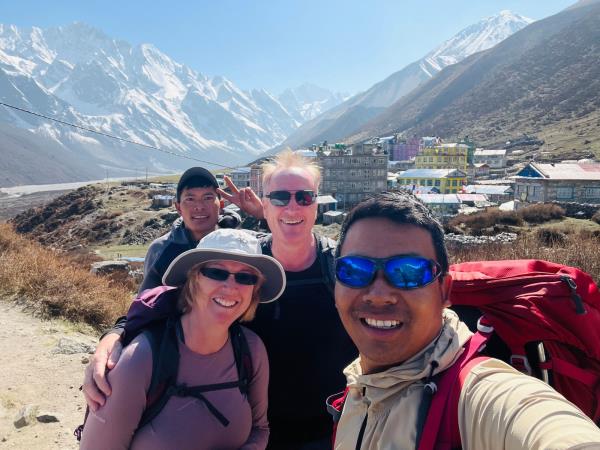
Where your money goes. Every guide and porter on this itinerary is recruited from the communities along the Langtang and Helambu route. All staff receive a year-round salary, insurance, full equipment, and annual training — including language skills beyond English, which expands their employment options as the market diversifies. Accommodation is in locally owned teahouses and guesthouses throughout. When buying snacks, fruit, or drinks on the trail, buy from small roadside sellers rather than stocking up in Kathmandu. The margin difference is significant at this end of the supply chain.
Handicrafts and souvenirs. Several workshops in Kathmandu train and employ women from low-income backgrounds to produce bags, clothing, scarves, printed textiles, organic cosmetics, and recycled-material goods. These are not tourist trinket shops — they are social enterprises with direct employment programmes. The guide can direct you to verified workshops on your arrival and departure days in Kathmandu. Buying here puts money into a production model that stays in Nepal.
Popular similar holidays
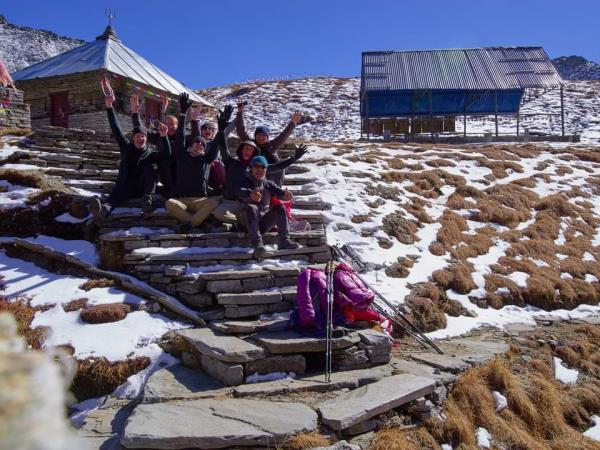
Khopra Danda trekking holiday in Nepal
From US $1230 - US $1750 9 days including domestic flights only
This is a moderate,off-the-beaten-track adventure
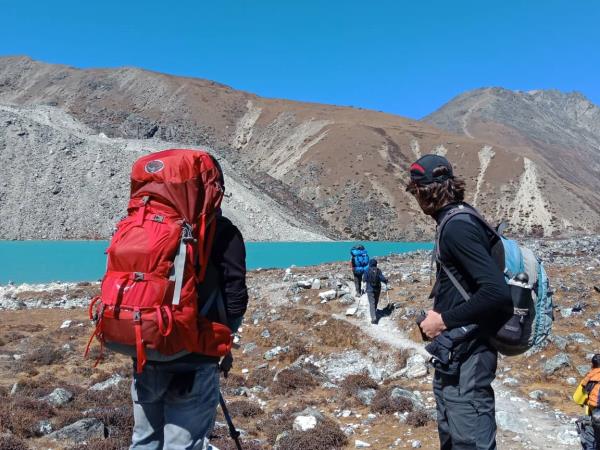
Gokyo Ri Valley trek in Nepal
From US $2150 - US $2420 15 days including domestic flights only
Gokyo Valley Trek: A Scenic Alternative to Everest Base Camp
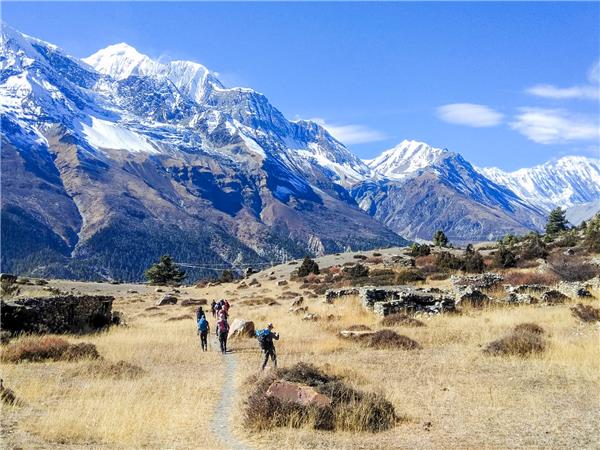
Annapurna Circuit trekking holiday
From £2183 - £2339 22 days excluding flights
One of the world's classic treks