Volunteer with horses in Portugal
Price
£1395 excluding flights
Convert currency:


Duration
7 Days
Type
Tailor made
More info
Extra weeks cost £650 per week.
Includes airport collection, food and accommodation.
Includes airport collection, food and accommodation.

Description of Volunteer with horses in Portugal
Price information
£1395 excluding flights
Convert currency:
Extra weeks cost £650 per week.
Includes airport collection, food and accommodation.
Includes airport collection, food and accommodation.
Departure information
This trip can be tailor made throughout the year to suit your requirements
Travel guides
Discover whether a horse riding holiday is for you and saddle up as we trot out our tips on when to go.
Our travel guide highlights some of the world's most important and exciting projects.
Responsible Travel
As the pioneers of responsible tourism, we've screened this (and every) holiday so that you can travel knowing we've worked to maximise the benefits of your holiday to local people and places, and minimise any negative impacts.
Planet
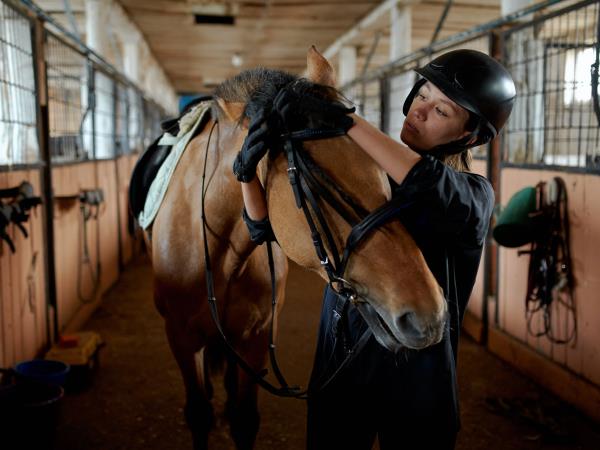
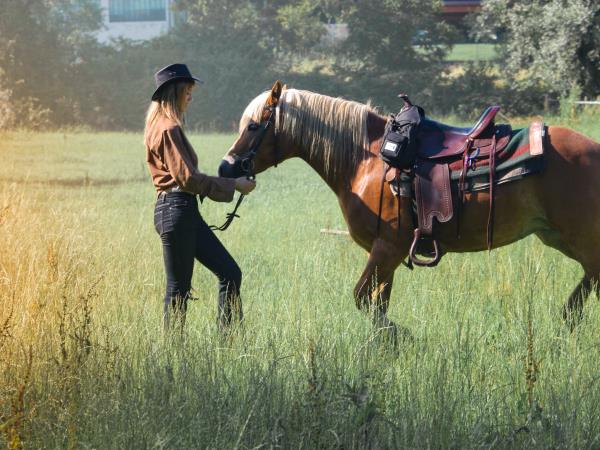
The projectThis project is mainly focussed around using horses to help people, but we also work with the horses to maintain the land around the centre. Part of the volunteer project is to replant indigenous species andto remove alien vegetation from the neighbouring forest. This is mainly eucalyptus, which grows very aggressively, killing off native species. This impacts on the survival of the local fauna and flora .Volunteers additionally help to monitor for fire risk, which protects both land and animals that ultimately do not become consumed by forest fires. and the wolf sanctuary itself.
Protecting the world
We are passionate about encouraging our travellers to be kind to the environment as they travel. Each participant receives advice about how to care for the environment whilst they are away. This includes water usage, how to avoid single use plastic, and electricity usage.
We insist that all participants bring their own water bottles when they travel with us, and clean free water is always available. We have even created a water bottle that can be purchased before departure and encourage people to use it at all stages of their journey including at the airport, on flights and whilst on their project. We are striving for all of our projects to be free of single use plastic.
Horse welfare
We partner with carefully selected riding schools and equestrian centres that reflect the realities of the modern equine sector while striving to meet high standards of animal care. These settings often include:
Stabling Practices: Horses are typically housed in individual stalls rather than kept outdoors full-time. While this is standard in many equestrian facilities, it requires a strong commitment to daily care and interaction to ensure horses’ mental and physical well-being.
Working Schedules: Horses generally work in alignment with the operating needs of the riding schools. This means they may not receive extended “holidays,” but routines are managed to avoid overwork.
Nutrition: Diets are carefully managed, often relying on a combination of feed, grains, and supplements rather than pasture grazing alone, to ensure horses receive complete and appropriate nutrition.
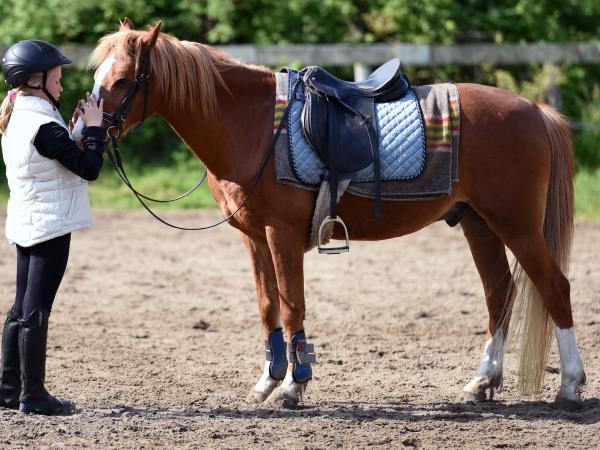
Equipment Use: Tack and gear follow traditional riding school standards. We encourage our partners to use properly fitted, humane equipment and adopt gentle handling practices.
Culture of Care: Perhaps most importantly, we foster an organizational culture that prioritizes respect, empathy, and kindness in every human-animal interaction. Staff and volunteers are guided by these principles throughout their involvement.
While the settings we operate in may not always be picture-perfect, many of our partners go beyond the basics to enhance the welfare of their horses in meaningful ways. This includes:
Thoughtful Workloads: Monitoring schedules to prevent overuse and ensuring horses receive adequate rest between sessions.
Tailored Nutrition: Providing balanced, veterinary-approved diets based on individual needs.
Humane Practices: Using equipment that is comfortable and well-maintained, and promoting techniques that emphasize gentleness and rider-horse communication.
Proactive Health Management: Maintaining daily care routines and ensuring regular veterinary, dental, and hoof care to promote long-term health and well-being.
We actively promote awareness, education, and a compassionate mindset—encouraging everyone involved to be part of the ongoing journey toward better animal welfare.
People
This holiday's commitment to the local community in PortugalThe project also helps the local economy. Our participants spend money on food and leisure; rent is paid to the local landlord and a local driver is used to help the volunteers to get around.
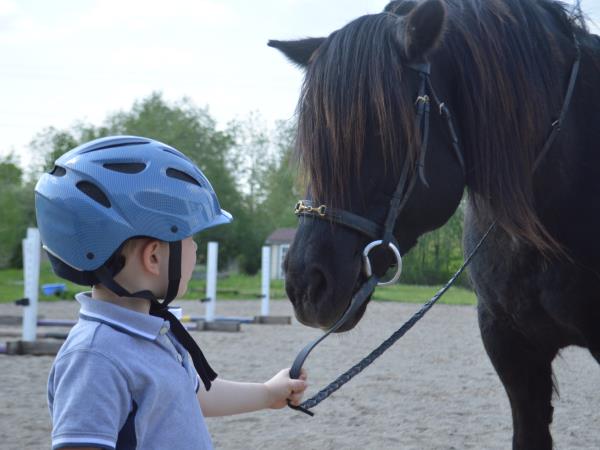
This project has been established to support a deprived local community, providing people with opportunities for work but also for education and therapy.
Cultural sensitivity
Our pre-departure briefing includes a special session entitled ‘Responsible Tourism’ where we discuss cultural differences and sensitivities as well as advising volunteers on appropriate conduct. People a briefed on what is considered polite in terms of eating, greeting and dressing. It is encouraged that all volunteers learn some Portuguese prior to departure, and they get a helping hand whilst out there as well.
Keeping it local
Where possible, money is invested in the local economy and local staff are employed. We are passionate about supporting the local community, as without them, our projects could not run.
Popular similar holidays
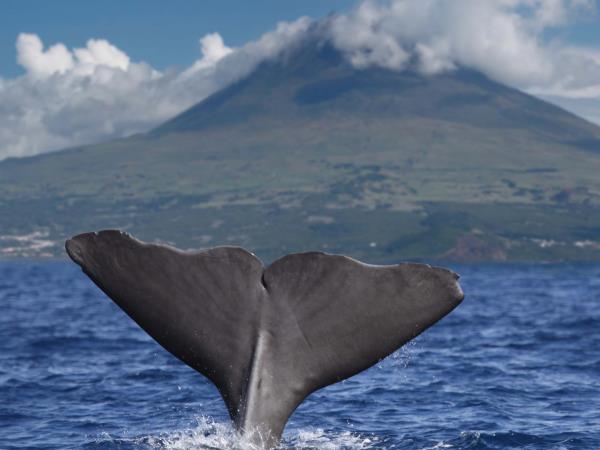
Whale conservation holiday in the Azores
From £695 - £4195 7 days excluding flights
Help assist in integral whale and dolphin conservation
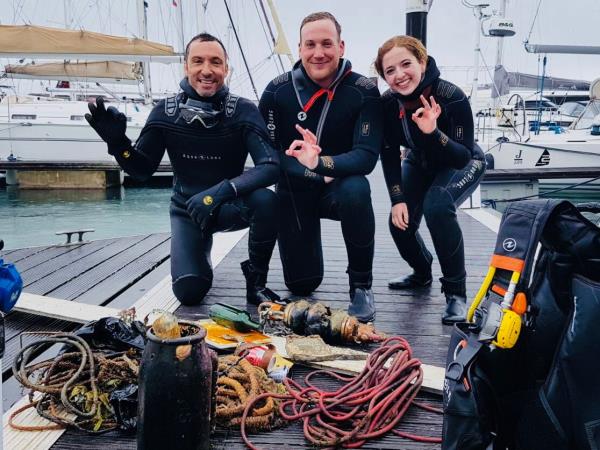
Marine Conservation in Portugal
From £1795 8 days excluding flights
Dive to clear debris & protect the ocean
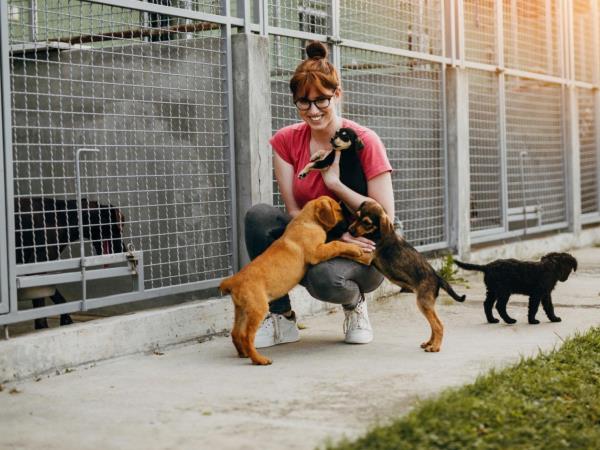
Dog and cat sanctuary volunteering in Portugal
From £1395 7 days excluding flights
Care for rescued animals in Lisbon’s local shelters