Small cats of India wildlife tour
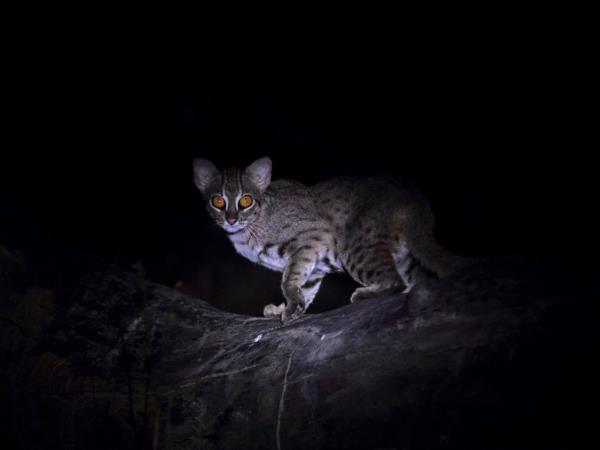


Description of Small cats of India wildlife tour
Move aside, tigers! Begone, lions! Our small cats of India wildlife tour swaps the mighty for the miniature, searching for some of India’s most elusive and enigmatic animals.
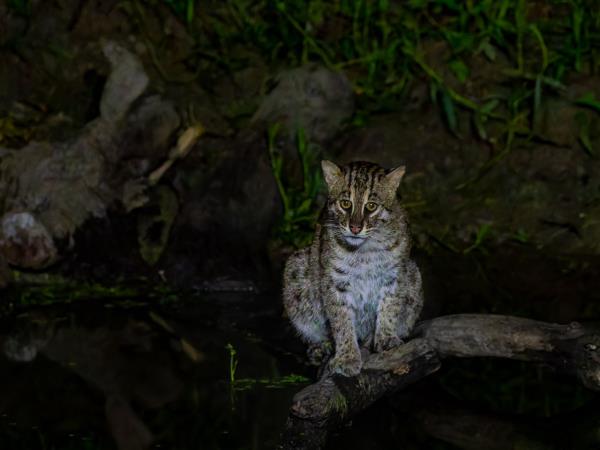
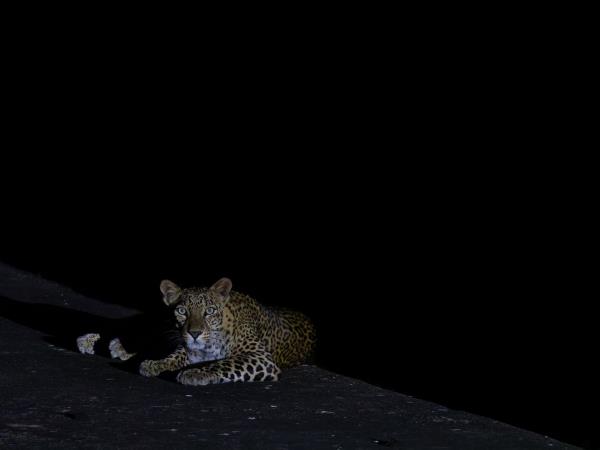
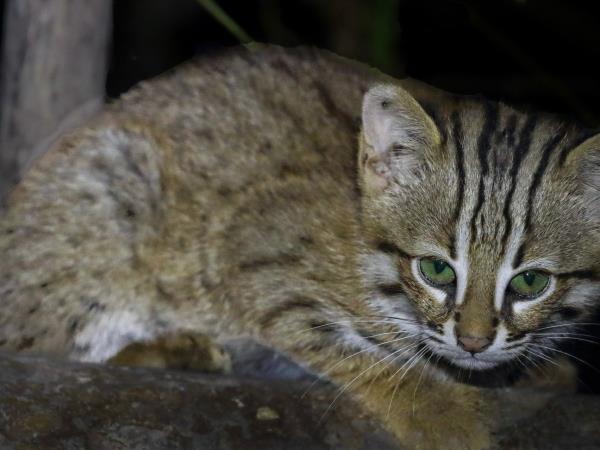
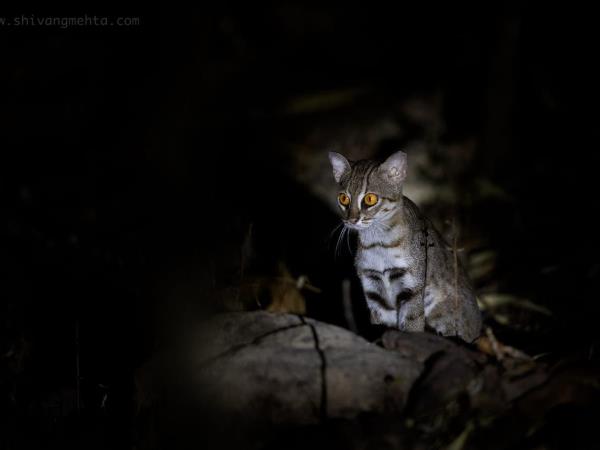
Highlights include looking for fishing cats in the wetlands near Kolkata, hunkering down in a private hide where they’re known to hunt. You’ll also stay at a wildlife lodge in Velavadar Natonal Park, where sandy jungle cats stalk the grasslands. Then there’s the rocky terrain of Jawai – home to dens of rusty-spotted cats, one of the smallest felines in the world. While searching, you could also spot leopards, crocodiles, blackbucks, jackals, wolves and myriad birds, including flamingos and eagles. Wildlife outings can be tailored to your interests, but sighting small cats are always the aim.
This tour is designed by our local wildlife experts and steered by naturalist guides who specialise in small cat conservation. By focusing on these rare, overlooked species, we take you away from busy national parks to landscapes that most wildlife seekers don’t get a chance to see. Along the way, you’ll learn about the importance of small cat conservation to the planet, and how it supports local employment in conservation roles, from researchers to wildlife lodges.
Price information
Departure information
Travel guides

Holiday information
Responsible Travel
Planet
Small wild cats of India—like the Fishing Cat, Rusty-Spotted Cat, Desert Cat, and Jungle Cat—may be lesser known, but their presence plays a profound role in positively influencing the planet, especially in the context of climate change, biodiversity loss, and inclusivity in conservation. Here's how:1. Mitigating Biodiversity Loss
These cats are mesopredators, meaning they help regulate prey populations (rodents, birds, small reptiles), maintaining ecological balance. By doing so:
They prevent overgrazing and crop destruction by herbivores. They indirectly protect plant diversity and soil health, strengthening ecosystems.
Their survival is tied to specific habitats—wetlands (Fishing Cat), dry forests (Rusty-Spotted Cat), deserts (Desert Cat), and grasslands (Jungle Cat). Conserving them protects entire ecosystems, preserving complex webs of life in India’s varied landscapes.
2. Climate Resilience through Habitat Conservation
Protecting habitats for small cats safeguards natural carbon sinks like: Wetlands (for Fishing Cats) that store vast amounts of carbon. Dry scrublands and deserts (for Desert Cats) that resist desertification. Grasslands (for Jungle Cats), which are key to climate mitigation but often neglected. These habitats, if preserved, can buffer climate impacts, supporting both wildlife and human communities.
3. Promoting Inclusivity in Conservation
Small cats represent marginalized species—not as iconic as tigers or lions but equally crucial. Their inclusion promotes: Equitable biodiversity representation, acknowledging that all species matter. Community-led conservation, as seen in Howrah’s Fishing Cat protection or Jawai’s coexistence models.Decentralized, grassroots action, often more effective in long-term conservation. By championing these overlooked species, conservation becomes more inclusive—ecologically, culturally, and socially.
4. Global Impact on Biodiversity Goals
These small cats support global biodiversity frameworks like the Kunming-Montreal Global Biodiversity Framework (GBF), which calls for: Species recovery,ecosystem restoration,community engagement. Their protection contributes directly to the planet’s resilience, sustainable development goals (SDGs), and a more inclusive environmental ethic. In essence, small wild cats of India are silent guardians of biodiversity, climate resilience, and environmental justice—proving that protecting even the smallest species can have a global impact.
People
India’s small wild cats—like the Fishing Cat, Rusty-Spotted Cat, Desert Cat, and Jungle Cat—can positively impact local communities through eco-tourism, conservation jobs, and habitat restoration projects. Their presence encourages sustainable tourism in lesser-known areas, generating employment for local guides, trackers, and hospitality services. Community-led conservation initiatives, like Fishing Cat awareness programs, promote inclusivity by involving women and marginalized groups. These projects foster environmental stewardship and cultural pride while offering alternative livelihoods. By protecting these species, people benefit from healthier ecosystems, reduced crop damage, and a growing nature-based economy rooted in biodiversity, inclusivity, and sustainable development. Furthermore, habitat restoration for these cats improves water security, climate resilience, and agricultural health, directly benefiting people. Ultimately, these small cats drive a nature-positive, inclusive economy, where biodiversity and human progress thrive together.Encouraging the protection of small wild cats like the Fishing Cat, Rusty-Spotted Cat, Desert Cat, and Jungle Cat can significantly benefit employment in several impactful ways:
1. Eco-Tourism and Nature-Based Travel
Wildlife tourism focused on rare species creates jobs for local guides, naturalists, drivers, homestay operators, and eco-lodge staff. Lesser-known areas (e.g., Howrah wetlands, Jawai hills, Rajasthan deserts) become new tourism destinations, expanding local income sources.
2. Community Conservation Jobs
Locals can be employed as wildlife monitors, camera trap operators, and habitat restoration workers. Community members participate in data collection, anti-poaching patrols, and conflict mitigation teams. Women and youth gain roles through education and outreach programs, increasing inclusivity.
3. Skill Development and Entrepreneurship
Training in wildlife tracking, photography guiding, and conservation education creates long-term skillsets. Locals can start small businesses—selling eco-friendly goods, running food stalls, or offering cultural experiences to tourists.
4. Sustainable Resource Management
Protection of habitats supports sustainable agriculture and fishing, leading to stable, eco-friendly livelihoods. Wetland and grassland conservation enhances ecosystem services that benefit farming, water access, and grazing.
5. NGO and Research Sector Jobs
Conservation initiatives by NGOs, universities, and wildlife departments provide jobs in research, administration, and field coordination. In essence, protecting small cats doesn’t just help biodiversity—it creates diverse, inclusive, and sustainable job opportunities, especially in underdeveloped regions, empowering communities while conserving nature.
Popular similar holidays
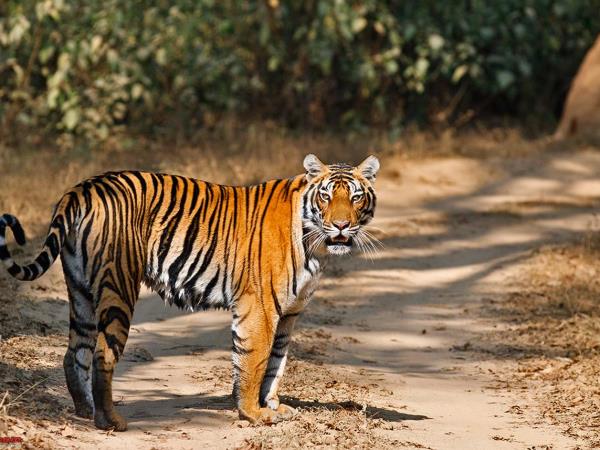
Golden Triangle with Ranthambore tour, India
From £1424 - £1570 10 days excluding flights
India´s best experiences including the Taj Mahal & Tigers
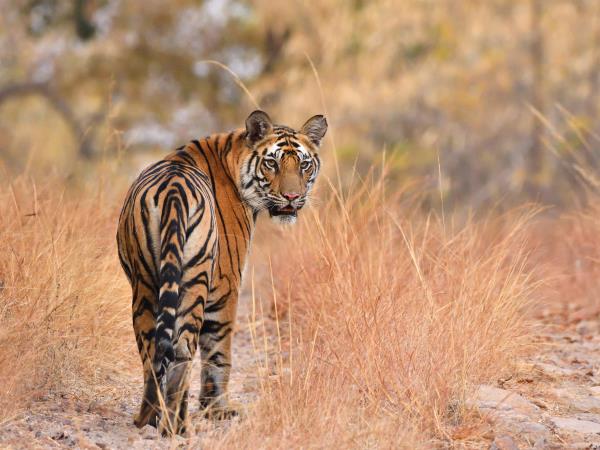
Tiger & wildlife tour in Central India
From Rupee190000 - Rupee195000 9 days including domestic flights only
A tour for those who wish to see tigers and other wildlife
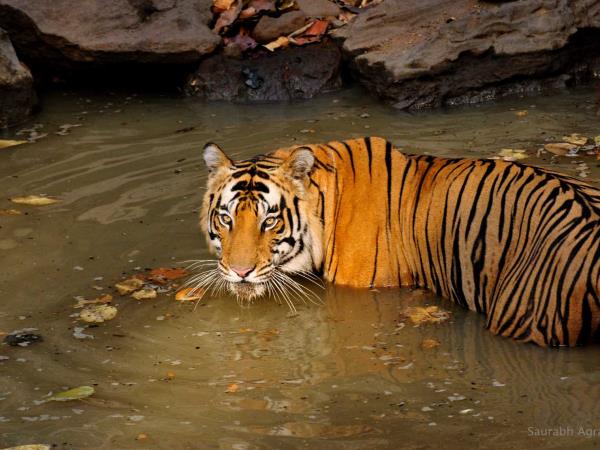
Wildlife holiday in Central India
From Rupee295000 - Rupee310000 12 days including domestic flights only
Best of Indian wildlife with tiger, leopard and sloth bear