Northern Tanzania safari and Zanzibar beach holiday
Price
£5544 excluding flights
Convert currency:


Duration
14 Days
Type
Tailor made
More info
Price basis per person, based on two people sharing, excluding international flights.
Includes internal flights and all transfers, park fees and private guides, and accommodation and meals as listed.
Includes internal flights and all transfers, park fees and private guides, and accommodation and meals as listed.

Description of Northern Tanzania safari and Zanzibar beach holiday
Price information
£5544 excluding flights
Convert currency:
Price basis per person, based on two people sharing, excluding international flights.
Includes internal flights and all transfers, park fees and private guides, and accommodation and meals as listed.
Includes internal flights and all transfers, park fees and private guides, and accommodation and meals as listed.
Departure information
This trip can be tailor made throughout the year to suit your requirements
Travel guides
Our guide takes you across the great plains of the Serengeti to the underwater coral cities of Zanzibar’s Indian Ocean reefs.
Its powdery white sand and turquoise ocean are famous, but Zanzibar has more to offer than just a beach break.
Holiday information
DIET:
We cater for vegetarian and vegan diets.
Responsible Travel
As the pioneers of responsible tourism, we've screened this (and every) holiday so that you can travel knowing we've worked to maximise the benefits of your holiday to local people and places, and minimise any negative impacts.
Planet
CARBON REDUCTIONThree of the camps on this itinerary, Kuro Tarangire, Entamanu Ngorongoro and Lamai Serengeti, run on solar power with generator backup rather than mains electricity, all operated by Nomad Tanzania. On Zanzibar, Baraza Resort & Spa draws on a 300 kilowatt solar installation, part of a wider 1 megawatt solar project across its parent group, The Zanzibar Collection, among the first solar powered hotel developments on the island.
Food sourcing is largely local: Nomad's camps describe ingredients as locally sourced and handmade in East Africa, Lemala Camps & Lodges, which operates Lemala Nanyukie, sources roughly three quarters of its dry goods regionally rather than importing them, and Baraza buys produce directly from local farmers and fishermen.
Vegetarian and vegan food available upon request.
ENVIRONMENT AND WILDLIFE
Arusha Coffee Lodge's own coffee estate holds three independent certifications, UTZ, C.A.F.E. Practices and Rainforest Alliance, each requiring annual third party audits of environmental and social practice, and the lodge has separately been awarded Sapling status by Responsible Tourism Tanzania.
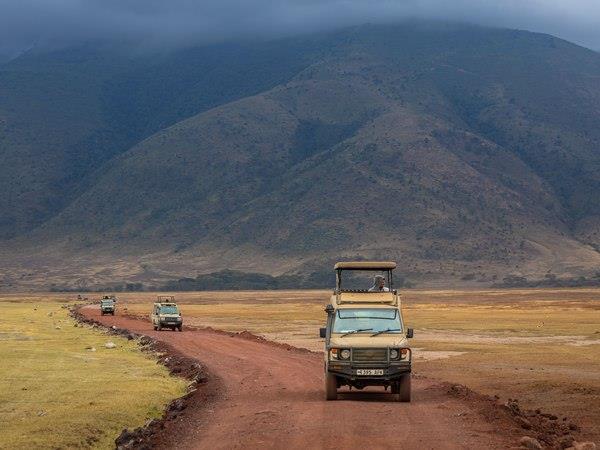
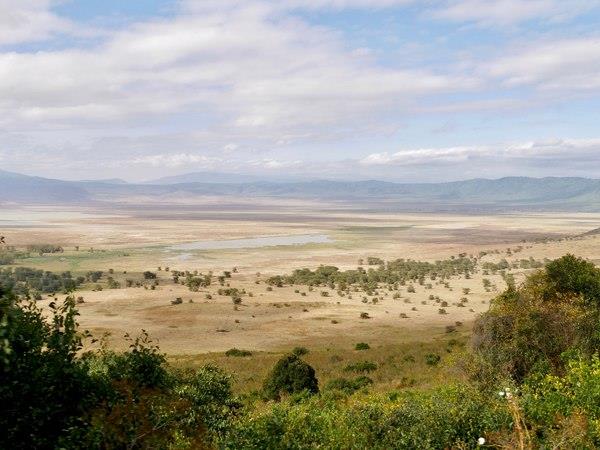
On Zanzibar, Baraza Resort & Spa treats its own wastewater on site for irrigation, cutting water use by roughly half, and employs its own marine biologist to oversee the reef and tidal ecosystem in front of the resort. Every park crossed on safari carries its own conservation fee built into the trip cost: Tarangire National Park, the Ngorongoro Conservation Area, which also carries a separate crater descent fee, and Serengeti National Park, all funding park management and ranger patrols directly.
At Entamanu Ngorongoro, the camp partners with KopeLion, an NGO working on human-lion coexistence in the Ngorongoro Conservation Area, and Lamai Serengeti donates a dollar for every night stayed to a Serengeti de-snaring programme that removes illegal wire traps set for wildlife.
People
LOCAL ECONOMYFive of the six properties on this trip sit outside international hotel chains. Kuro Tarangire, Entamanu Ngorongoro and Lamai Serengeti are run by Nomad Tanzania, an independent, guide founded Tanzanian company; Lemala Nanyukie's operator describes itself as built around staff drawn from its surrounding communities; and Baraza Resort & Spa belongs to The Zanzibar Collection, a privately owned Zanzibari hotel group. Only Arusha Coffee Lodge, on the first night, sits within an international group, Elewana Collection, owned by the Thailand headquartered Minor Hotels.
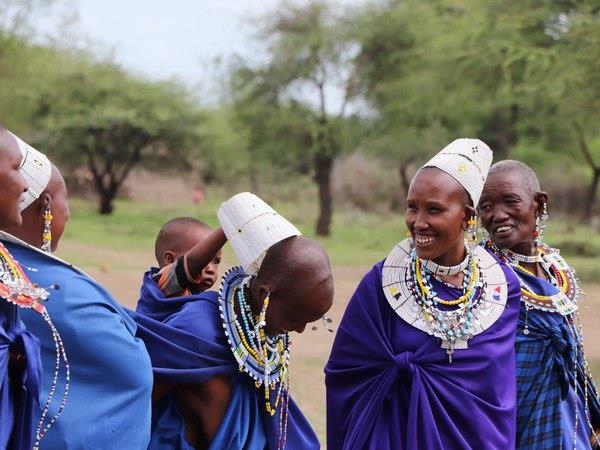
The optional Maasai cultural walk on day five is a community run boma visit near the Ngorongoro Conservation Area, with its own entrance fee feeding directly into the local Maasai community rather than the wider park budget.
On Zanzibar, the optional spice tour and Stone Town excursions put money directly into smallholder farmers and local guides, spice tourism in particular being a recognised route to independent income for local women.
Several camps also commission local craftspeople directly: Lamai Serengeti's furnishings include work from a named local basket weaver and a sisal workshop producing plastic free kitchen brushes, and Entamanu Ngorongoro's interiors are sourced locally with Maasai design input throughout.
EMPLOYMENT, INCLUSIVITY AND DIVERSITY
Across Nomad Tanzania's three camps, Kuro Tarangire, Entamanu Ngorongoro and Lamai Serengeti, roughly 70 percent of camp staff are recruited from the surrounding local communities, covering guiding, camp management, front of house and housekeeping. Elewana Collection states a similar range, 50 to 75 percent local staff, for the camps it runs in community conservancies, a group level figure rather than one confirmed specifically for Arusha Coffee Lodge.
Lemala Camps & Lodges, which runs Lemala Nanyukie, sponsors a women's empowerment group in Mto wa Mbu employing 32 stay at home mothers to make biodegradable lunch boxes, and separately employs nine young men from a homeless shelter in Arusha.
Maasai employment runs through several of the camps specifically: Entamanu Ngorongoro partners with KopeLion, an NGO whose Maasai wardens patrol for human-lion conflict in the Ngorongoro Conservation Area, and Lemala's camps recruit and place askaris through a named Maasai chief from his home village.
At Kuro Tarangire, a former poacher is now employed as one of the camp's armed scouts.
Nomad Tanzania extends staff medical insurance to five family members per employee and runs an internal guide training scheme for junior staff.
Lamai Serengeti runs a Pack for a Purpose scheme, where guests bring small donations of school or clinic supplies for a nearby village within their normal luggage allowance.
Popular similar holidays
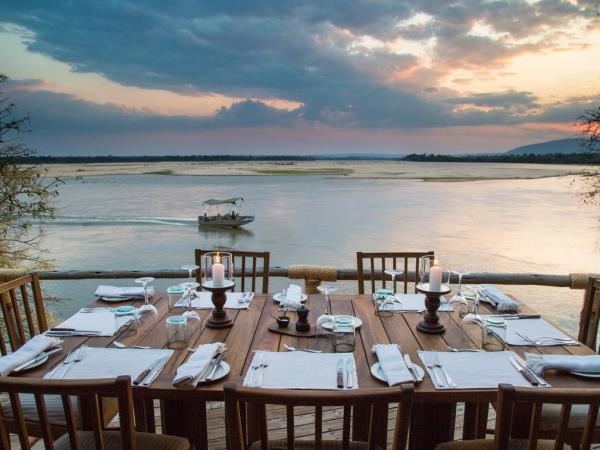
Nyerere and Ruaha safari and Zanzibar holiday, Tanzania
From £7050 11 days including domestic flights only
A true safari adventure, followed by Zanzibar’s pure bliss
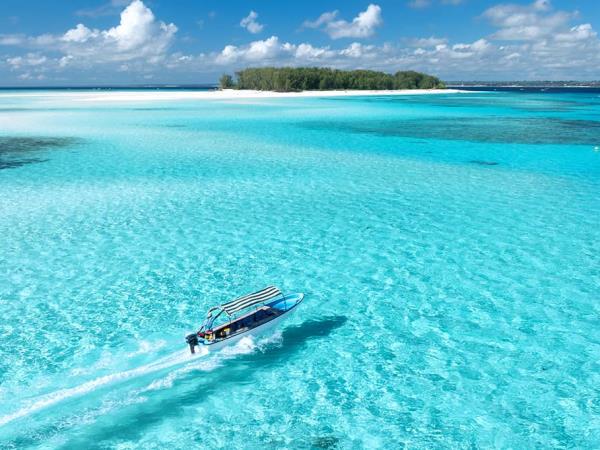
Tanzania tour with Kilimanjaro and Zanzibar
From US $4500 - US $5500 12 days excluding flights
Kilimanjaro, 5 national parks and Zanzibar beach break
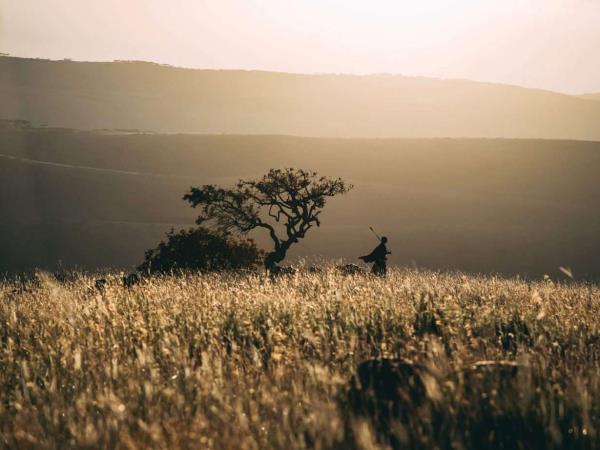
Kenya and Tanzania safari highlights, incl Zanzibar
From US $8200 17 days excluding flights
Maasai Mara, Lake Nakuru & Tanzania’s northern circuit