Bush camp safaris in Botswana

How do you choose a favourite moment from bush camping in Botswana? With difficulty, as it turns out. Our Botswana camping safaris get some of the best – and lengthiest – reviews on our site.

“Watching lions chase an impala into the delta,” decides our returning traveller Alexandra Bromhead, “only for the impala to be taken by a crocodile, all within 30m of the wild camp.”

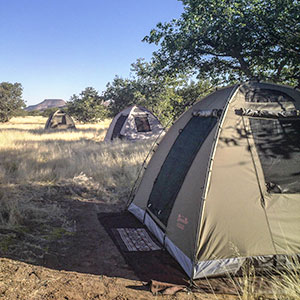
“Listening to the calls of hyenas and lions at night and waking up in the morning to find their footprints through the campsite,” says Richard Webb.

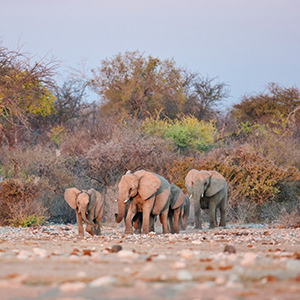
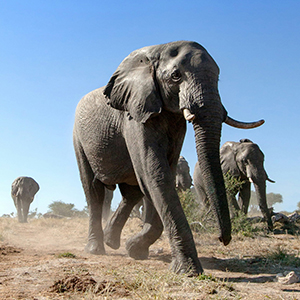
For John Watterson: “Probably when elephants strolled into our camp one afternoon!”

“The blood-red sunsets are like nothing you have ever seen before,” says Brendan Murphy. “The night sky unaffected by light pollution.”

All those five-star reviews come as no surprise to Grace Kemp, from our Southern Africa specialists Sunway Safaris. She’s spent years as part of the team guiding our camping safaris in Botswana.

“Wild camping is fantastic,” says Grace. “There are no fences, so there’s nothing between you and nature.”

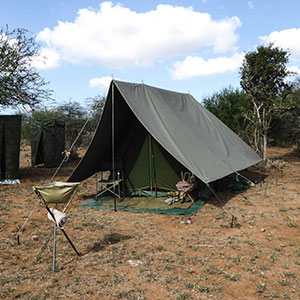
Before your first night under canvas, you’ll get reassuringly detailed safety briefings from expert guides like Grace – during which you’ll realise that the animals are usually much more interested in the tamarind fruit tree next to your tent than you.

After all, the wildlife of Botswana has bigger fish to fry – and you’ll feel like small fry in comparison to the scenes you encounter here.

Putting the ‘safari’ in bush camp safari

Camping safaris in Botswana place you in the midst of life in the bush – but it’s not just a case of waiting for the animals to stroll through your camp. You also get plenty of chances to track them.

Safaris are your chance to navigate the remote wilderness areas in Botswana where animals vastly outnumber people. By treading lightly and respectfully – travelling in small groups and swapping some drives for bush walks and mokoro canoe trips – you’ll increase your chances of seeing a cornucopia of critters.

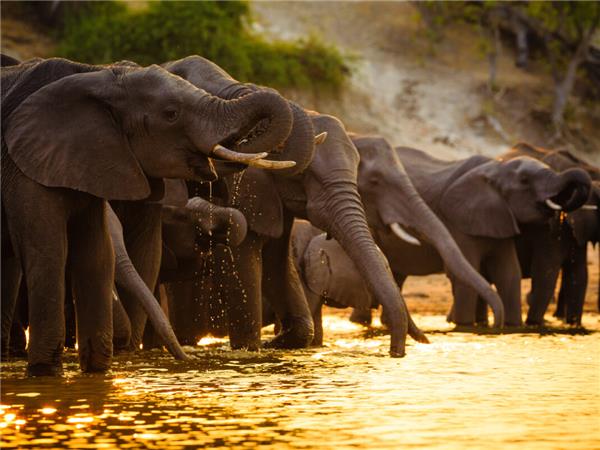
“We saw so much,” says our traveller Rosy Everitt. “Scores of elephants, hundreds of zebras, loads of giraffes and hippos everywhere, not to mention the 100 or more species of birds. We saw two wild cats (very rare) and wild dogs. We enjoyed a few rarer sightings of an elephant chasing a lion, a pair of amorous leopard tortoises, a baby elephant falling over milk-drunk (which was adorable) and marvelled at tree-dwelling ducks.”

Our safaris are also your chance to travel with some of the best guides in the business. The rigorous training required to become a wildlife guide in Botswana is legendary on the safari circuit. Botswanan guides are the people best placed to lead you to where the wildlife is – and explain what’s going on. Plus, they’ll often note down wildlife numbers and behaviours en route and pass on data to scientists.
We enjoyed a few rarer sightings of an elephant chasing a lion, a pair of amorous leopard tortoises, a baby elephant falling over milk-drunk...
“We were a blessed group and had the most wonderful game viewing you can imagine, due in no small part to the skill and instinct of our guides,” says our traveller Louise Siraj. “We cannot praise them highly enough.”

The guides on our trips ensure that a respectful – and safe – distance is maintained wherever possible. They know when they’re outstaying their welcome and have no qualms about driving away if the animals show any signs of being disturbed by their awestruck audience. After all, as great guides will remind you, we’re guests in their environment.

You’ll also learn more about life in Botswana and the challenges of living alongside wildlife.

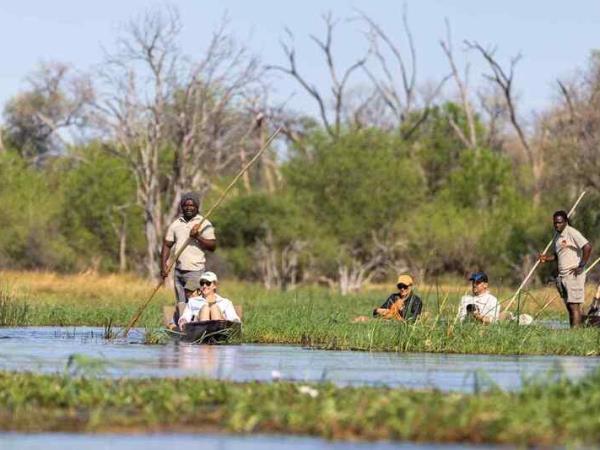
“Guides and [mokoro canoe] polers are all local from surrounding villages,” adds Rosy. “Having grown up in the bush their knowledge and understanding of the environment and animal behaviour is amazing – you are in very safe hands.”

Some guides are from cattle ranching families and know from experience what it’s like when a lion snatches a precious cow or the dangers of encountering an elephant while walking to school or work. Elephants were responsible for the deaths of 67 people in 10 years in Botswana; hippos can be even more dangerous. Viewing animals at ground level offers a glimpse of the fears and complications of living alongside these wild creatures.

Contact Us

Responsible Travel, Travel Team

Call us for a chat about our holidays. We are happy to discuss your holiday and help in any way we can. No bots, queues or awful hold music.

Responsible Travel, Travel Team

Leave (almost) no trace

“All the local guides and polers are passionate about their environment and made absolutely certain that after we had packed away our campsites, that absolutely no evidence of us having stayed was left behind,” says Richard Webb.

Our partners are also very aware that both wood and water are scarce in many places in Botswana – and tourism adds extra pressure to limited resources which belong in local people’s hands.

Over 90 percent of the water in the Okavango Delta comes from the Angolan Highlands – and it’s due to reduce by 40 percent in the next 30 years, thanks to climate change and increasing demand from animals and people, including tourists.

Instead of lodge-style luxury, bucket showers with water heated on the fire offer a different kind of luxury when wild camping – as well as the chance of seeing wildlife with a wash. “Having a shower with a few elephants watching us from 200m away was an experience!” says our traveller Johannah Stretton.

Guides avoid cooking using fire or coal, which drains limited wood resources – and some of our partners go one step further. Our partner Sunway Safaris founded Okavango SOS Trees (Save our Sausage Trees), donating a portion of the cost of each tour booked to the project. It helps polers in the Okavango Delta buy new fibreglass mokoro canoes, which are used as transport around the waterways. For generations, using sausage tree wood to make the traditional canoes has been sustainable, but more tourists means more mokoros – and more wood – are required. Okavango SOS Trees offers to help fund new fibreglass canoes that last longer and give sausage trees a chance to recover.

Where to go camping in Botswana

Okavango Delta

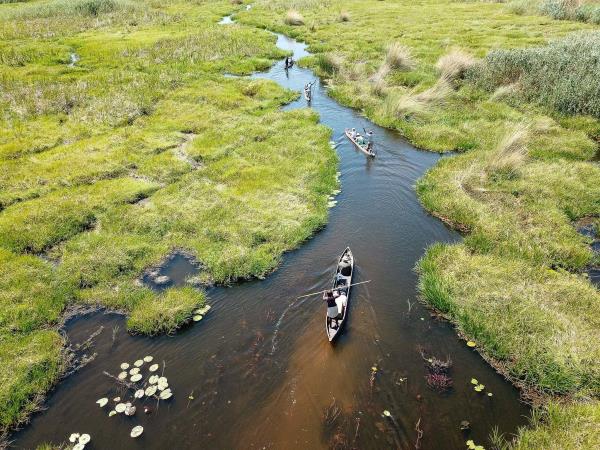
Camp on the remote islands of the Okavango Delta to experience an ever-changing world ruled by the whims of water. It’s the sort of place where you can hear hippos splashing about outside camp. Meanwhile, bush walks reveal fluffed-up Pel’s fishing owls and wandering herds of elephants. Hop aboard a mokoro canoe for a crocodile’s perspective of the delta showcased by the brilliant local polers who’ll steer you through the waterways.

Chobe National Park

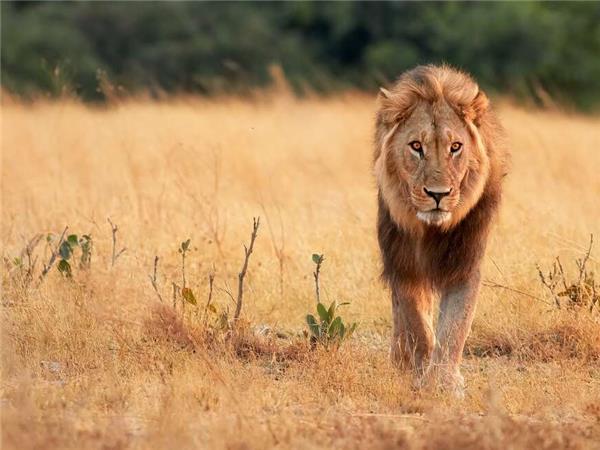
Central Chobe National Park is home to swathes of open grassland. Herds of wildebeest and zebra graze these plains around the Savuti River – a tempting prospect for the large lion prides that roam here. Head along the Chobe River on the lookout for African fish eagles and the buffalo that queue up to drink from the waters.

Savuti

Watched any wildlife documentaries set in Botswana? Chances are, they were filmed in Savuti. Here, you’ll hardly see another vehicle beyond research and film crews. “You get this feeling that you’re really remote and the feeling like you’re one with nature,” says Grace. “It is fantastic.”

Moremi Game Reserve

Western Moremi Game Reserve was founded by local Batawana people in 1963, becoming the first protected reserve in the Okavango Delta. It’s one of the best wilderness areas in Africa for wildlife watching, with landscapes ranging from swampland to bone-dry flats. Here is your chance to see a leopard eating its kill while a hyena looks on – or catch a pack of African wild dogs racing across the savannah. Camp under the trees near Third Bridge to wake up to surround-sound birdsong.

Khwai Community Concession

Khwai Community Concession is another locally founded reserve, run by the residents of Khwai village, who make sure that the benefits of tourism stay in the community. Here, you can camp under the shade of the trees by the Mbudi River. Hyenas are regular visitors and elephants often tramp fearlessly though.

Central Kgalagadi Transfrontier Park

Want to go somewhere truly remote? Pick an itinerary that sets up camp in Mabuasehube in Kgalagadi Transfrontier Park. This is some of the most unforgiving desert in the Kalahari, where only the hardiest of trees and shrubs spring from the savannah. However, the wide salt pans are like a giant salt lick for wildlife – best viewed while kicking back in a camp chair with a bush tea. The plains are also a magnet for antelope herds and the predators that follow – including cheetahs, hyenas, lynx and leopards. Rarities like Kalahari black-maned lions, aardwolves and blackfooted cats live here too, as well as bat-eared foxes and silver foxes. Phew.

Central Kalahari Game Reserve

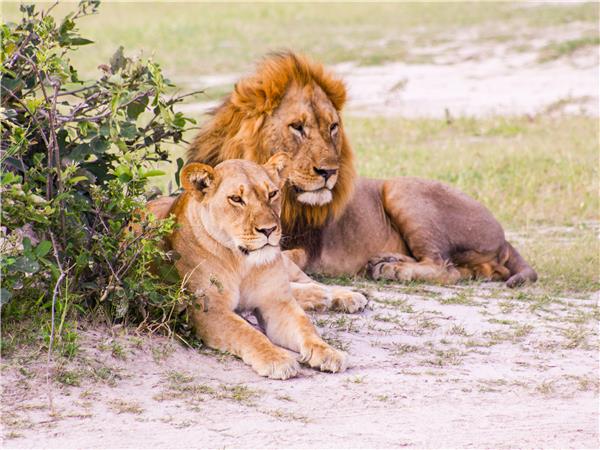
The immense Central Kalahari Game Reserve is the largest and most remote reserve in Southern Africa. At 52,800km², it’s also the second-largest wildlife reserve in the world, so it’s easy to hunker down somewhere that makes you feel like you have the whole place to yourself. Camp in Khutse Game Reserve in the south for a patchwork of grasslands, dusty riverbeds and sand dunes packed with fossils that, amazingly, a huge number of animals have adapted to survive in. That includes springboks, wildebeest and giraffes, as well as the inevitable shadow predators of cheetahs, leopards and some huge lion prides. There’s no fear of people here, so expect some night-time visitors in camp. Visit in the rainy season (November-March) to see the Kalahari transformed by a sweep of bright green grass.

Dry season vs. wet season

May to September is winter in Botswana. It’s dry, stripped vegetation gives better views, and fewer watering holes mean that more wildlife gathers around smaller areas. There’s a nip in the air in the early morning and late at night, especially in June-August, so remember to pack layers.

Botswana’s summer, from October to April, is still good for bush camping, when you’ll be out amongst silvery rivers and fresh green plains renewed by the rains. Wildlife-wise, there are more migratory birds and, while animals can be more spread out, the guides will still know all the best viewing spots.
Photo credits: [Page banner: Getty Images / Unsplash+] [Intro: Charles J. Sharp] [Putting the ‘safari’ in bush camp safari: Datingjungle] [Okavango Delta: Getty Images / Unsplash+] [Moremi Game Reserve: Getty Images / Unsplash+]