When to see wildlife in Costa Rica

You're never guaranteed to dodge the rain – but remember, this lush climate is what makes Costa Rica brim with wildlife.![]()

Cool mists and clouds persist in highland regions of Costa Rica all year round although the recognised rainy or winter season, invierno, lasts for just over half the year with May-Nov experiencing the wettest weather, especially in mountains and rainforests. The sparsely populated Caribbean coast tends to do its own thing and can be fairly wet all year round – especially compared to the Pacific – resulting in some incredibly lush landscapes for wildlife watching as well as crystal clear waters for watching marine life. The dry or summer season, Verano, depends on where you’re visiting with the north Pacific region enjoying warm and dry weather from Nov to May whereas the south Pacific will stay dry only from Jan to March.
WHEN TO SEE WILDLIFE IN COSTA RICA
Costa Rica Weather Chart
MIN °C
MAX °C
RAIN (mm)
JAN
23
32
3
FEB
23
33
2
MAR
23
33
6
APR
24
33
33
MAY
24
32
233
JUN
23
31
286
JUL
23
31
185
AUG
23
31
255
SEP
23
30
356
OCT
23
31
362
NOV
23
31
119
DEC
22
31
13
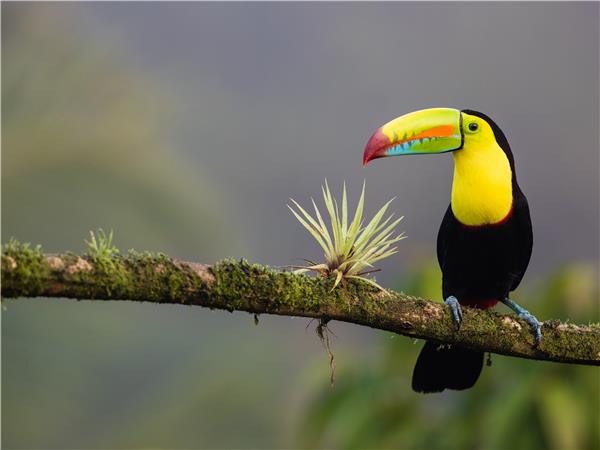
Costa Rica wildlife holiday
An amazing variety of Costa Rican wildlife
From
£3674 to £4777
15 days
ex flights
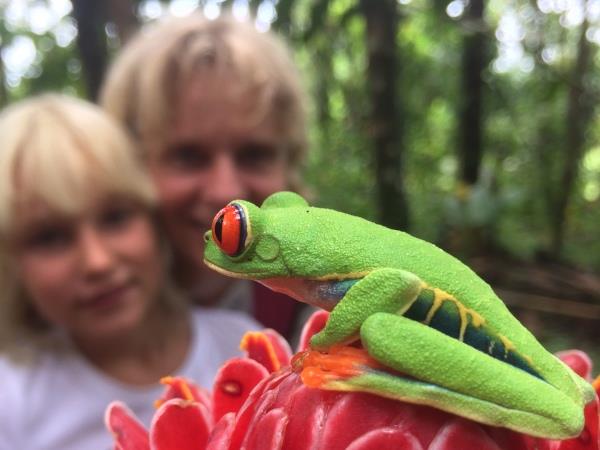
Costa Rica family tour, 11 days
A family nature adventure exploring Costa Rica's highlights
From
£1420
11 days
ex flights
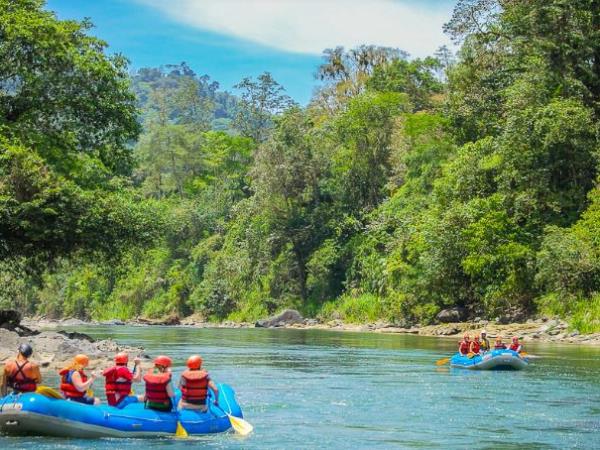
Activity and nature holiday in Costa Rica
A Costa Rica itinerary packed full of adventure excursions
From
£2735 to £4985
15 days
ex flights
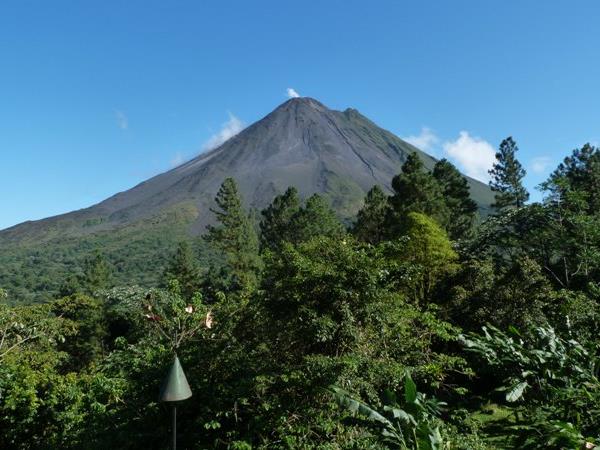
Costa Rica highlights holiday & beach
Experience the jungles, volcanoes and beaches of Costa Rica
From
£2050
13 days
ex flights
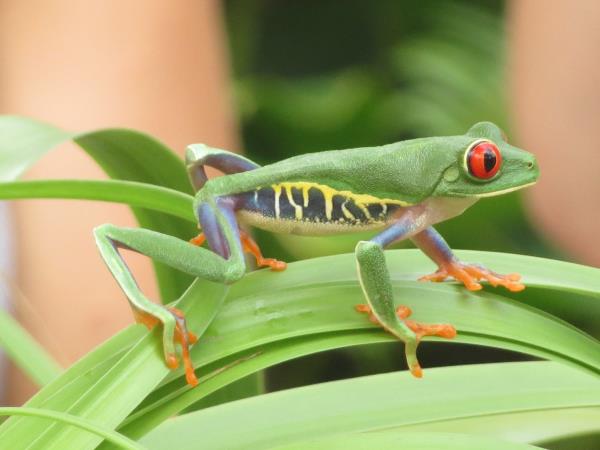
Costa Rica holiday, coast to coast
Costa Rica from the Caribbean to the Pacific
From
£2455 to £4995
16 days
ex flights
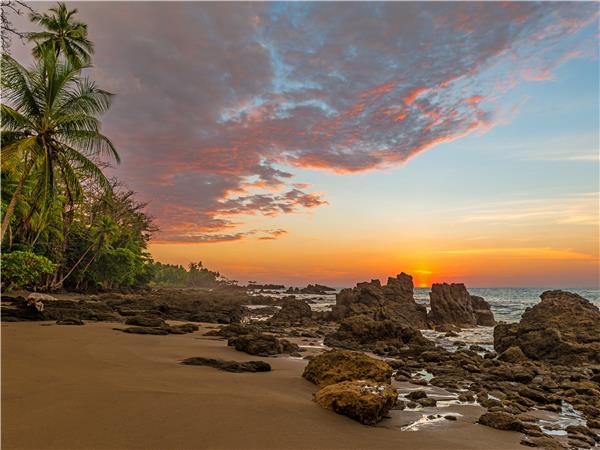
Costa Rica wildlife holiday, Coastal Secrets
Wildlife rich waterways of Tortuguero to the dense jungle
From
£4882 to £5354
15 days
ex flights


Contact Us

Call us for a chat about our holidays. We are happy to discuss your holiday and help in any way we can. No bots, queues or awful hold music.

01273 823 700
Call us after 10am
Calling from outside the UK


WHAT HAPPENS WHEN IN COSTA RICA
David Orrock shares his advice on the best time to visit Costa Rica: “It’s hard to advise when to go because one of the things that makes Costa Rica so amazing is the insane amount of microclimates and ecosystems. I wouldn’t advise someone not to go in the rainy season – because that covers seven months of the year! It’s known as the “green season” so you’ll see some rain but being a tropical country there’s always that chance in Costa Rica anyway. We take families in July and August but we don’t hear that they’ve had any issues.”
More Costa Rica wildlife articles
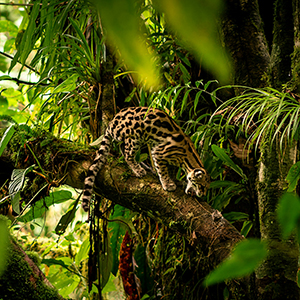
Wake to howler monkeys in the morning, and fall sleep to the sounds of the jungle.
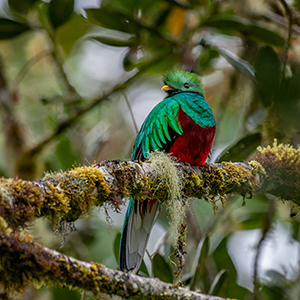
From rainforest to reef, here's what you can see, where, in Costa Rica.
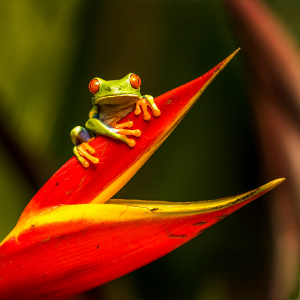
Costa Rica hosts myriad species of reptiles, mammals, birds and amphibians, along with with plenty of creepy crawlies.
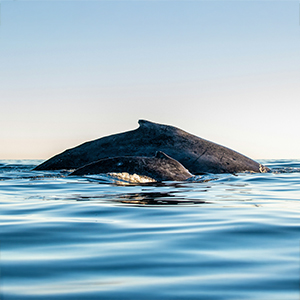
Our tips for travelling better in Costa Rica, include responsible wildlife watching.