Crossing the North/South Divide
Although Cyprus is bisected by the 180km Green Line, it is easy to explore on both sides of the border. Since Cyprus joined the European Union, going from North Cyprus to South Cyprus, and vice versa, is quick (outside of rush hour) and painless, though crossing with a hire car is difficult when you go from north to south.
Walkers and cyclists will find trails in the Troodos Mountains in the south and the Kyrenia Mountains in the north, equally satisfying. The Akamas Peninsula and the Karpasia Peninsula are on different sides, but they both offer unadulterated natural coastlines where wildflowers adorn headlands and turtles come to nest on deserted beaches.
Our small group and tailor made holidays explore north and south Cyprus and we also have tours that incorporate both. Although divisions are deep, this shouldn’t stop you discovering both sides of this island.
Walkers and cyclists will find trails in the Troodos Mountains in the south and the Kyrenia Mountains in the north, equally satisfying. The Akamas Peninsula and the Karpasia Peninsula are on different sides, but they both offer unadulterated natural coastlines where wildflowers adorn headlands and turtles come to nest on deserted beaches.
Our small group and tailor made holidays explore north and south Cyprus and we also have tours that incorporate both. Although divisions are deep, this shouldn’t stop you discovering both sides of this island.

Reasons behind the Cyprus Problem
The love triangle between Greece, Turkey and Cyprus is as tightly entangled as that of Aphrodite, Adonis and King Cinyras. This is an island that is divided both physically and emotionally. Unravel the binding cords and you’ll discover Greek ancestry stretching back to the Bronze Age. The Turks became entwined during the Ottoman era and are equally well established. Religion, politics, education and, of course, the British Empire, have all played their part.
Thanks to its strategic position between Asia, Europe, the Middle East and Africa, Cyprus has been attracting suitors since it was first occupied by the ancient Greeks. There followed the Egyptians, Persians, Alexander the Great (the Greeks, again), the Eastern Roman Empire (the Byzantines), French, Venetians, and the Ottoman Empire, before Cyprus was 'leased' to the British in 1878.
At this time, Greek and Turkish ethnic communities lived side by side on the island. The British, however, were worried that both groups might rise up as one and overthrow their 'colonial oppressors', despite many Greek and Turkish Cypriots going on to fight on the side of the British in both World Wars. Divide and rule had long been used as British colonial policy and so there seemed little need to halt the practice in Cyprus.
Political leaders in Athens and Ankara both considered the island to be rightfully theirs. Under British rule, Greek Cypriots thought that Cyprus would eventually become part of Greece. This thought process was also actively encouraged by the Cypriot Orthodox Church. Turkish Cypriots – who were by far the island's minority group – were in favour of partition. This view was held even though many Turkish leaders still considered Cyprus to be an extension of Anatolia.
Cultural and religious views began to blend into nationalist pride as each group identified more vehemently with messages from the mainland, combined with partisan schooling, the influence of religious leaders and the actions of the British.
Political leaders in Athens and Ankara both considered the island to be rightfully theirs. Under British rule, Greek Cypriots thought that Cyprus would eventually become part of Greece. This thought process was also actively encouraged by the Cypriot Orthodox Church. Turkish Cypriots – who were by far the island's minority group – were in favour of partition. This view was held even though many Turkish leaders still considered Cyprus to be an extension of Anatolia.
Cultural and religious views began to blend into nationalist pride as each group identified more vehemently with messages from the mainland, combined with partisan schooling, the influence of religious leaders and the actions of the British.
Issues after independence
By the time Cyprus gained independence in 1960, divisions were as deep as they had ever been. Increasing violence led many ethnic minority Turkish Cypriots to separate themselves in enclaves, particularly in the villages north of Nicosia. Greek Cypriots became ever more resentful as their Turkish counterparts were given what they considered to be more than their fair share of roles within the Cypriot government. The Turkish, on the other hand, felt that constitutional amendments failed to protect their ethnic minority status. Protests and violence, on both sides, ensued.
Ironically, it was the British who brokered a ceasefire between the sides by drawing a line on a map in 1964. What became known as the Green Line – this being the colour of the pen that was used – cut through the centre of Nicosia, and United Nations peacekeeping troops were deployed. Istanbul threatened to invade; Athens sent an army to the island to prevent a takeover.
For the next 11 years the line between North and South would yield a hostile stalemate. Turkish communities continued to live in guarded enclaves reliant on supplies and food from Turkey. For the next 11 years the line between North and South would yield a hostile stalemate. Turkish communities continued to live in guarded enclaves reliant on supplies and food from Turkey. Thousands of Turkish citizens were sent from the mainland to live in Cyprus, willingly or otherwise.
In 1974, the Cypriot National Guard, which had become increasingly Greek, carried out a coup d’état and replaced the Cypriot President with a Greek nationalist. Five days later, the might of the Turkish army invaded Cyprus, and civil war ensued.
The conflict lasted about six weeks. An eventual ceasefire, brought on by international pressure, left a third of the island under Turkish control. Greek Cypriots living north of the Green Line had been forced to move south. Turkish Cypriots moving north began to occupy abandoned properties. Hundreds of Greek and Turkish Cypriots lost their lives or were reported missing.
The region declared independence in 1983 as the Turkish Republic of Northern Cyprus. This was rejected by the UN and the Republic of Cyprus, and Turkish troops remain there to this day.
In 1974, the Cypriot National Guard, which had become increasingly Greek, carried out a coup d’état and replaced the Cypriot President with a Greek nationalist. Five days later, the might of the Turkish army invaded Cyprus, and civil war ensued.
The conflict lasted about six weeks. An eventual ceasefire, brought on by international pressure, left a third of the island under Turkish control. Greek Cypriots living north of the Green Line had been forced to move south. Turkish Cypriots moving north began to occupy abandoned properties. Hundreds of Greek and Turkish Cypriots lost their lives or were reported missing.
The region declared independence in 1983 as the Turkish Republic of Northern Cyprus. This was rejected by the UN and the Republic of Cyprus, and Turkish troops remain there to this day.
21st century developments
A UN-backed peace settlement aimed to turn the island into the United Republic of Cyprus as part of a two-state solution. Both sides were invited to vote on the proposal in a 2004 referendum. The majority of Turkish Cypriots were in favour of the plan; the majority of Greeks, were not, and it was ultimately rejected.
Despite this setback and the continuing division, the European Union accepted Cyprus as a member; however, EU membership was suspended in the North, and embargoes and isolation from the EU community were to follow. Further reunification talks have launched and collapsed since, and although the Green Line is only a few metres wide in places, North and South Cyprus are still far apart.
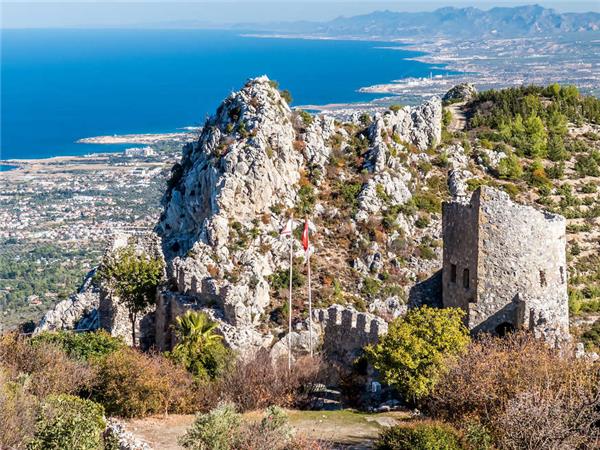
Northern Cyprus walking holiday
Introductory walking holiday Northern Cyprus
From
£790 to £940
8 days
ex flights
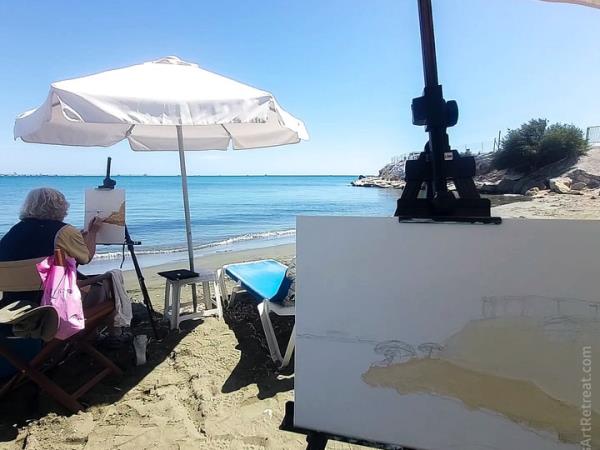
Cyprus painting holiday
Full board art holiday based in Cyprus mountain village
From
€950 to €1000
7 days
ex flights
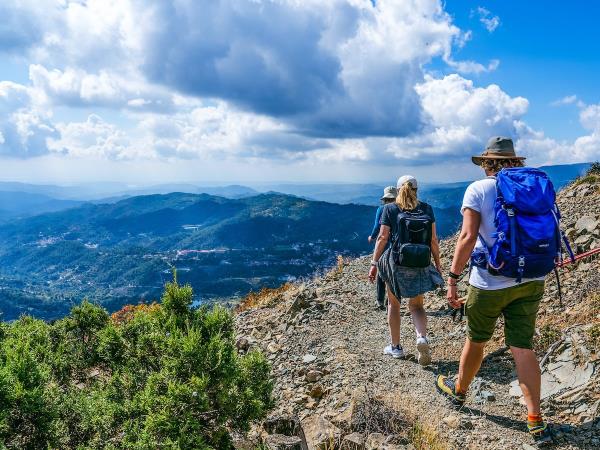
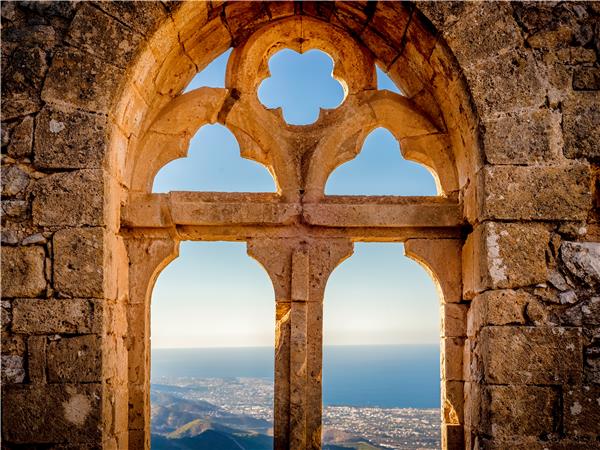
North Cyprus walking holiday
Varied walks amid rugged scenery and superb archaeology
From
£1195 to £1559
8 days
ex flights
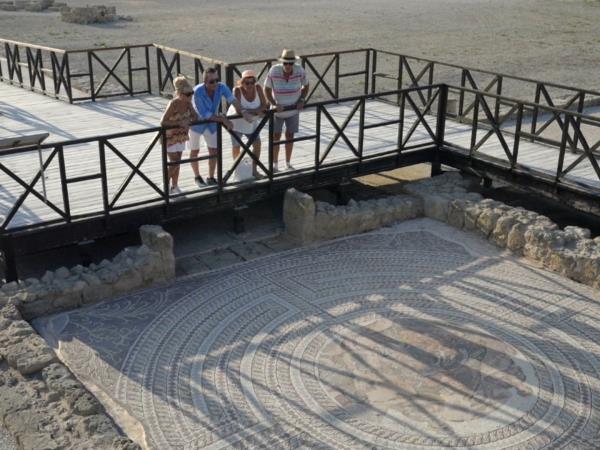
Cyprus archaeological tour
Uncover Cyprus’ ancient secrets with expert archaeologists
From
US $4999
10 days
ex flights
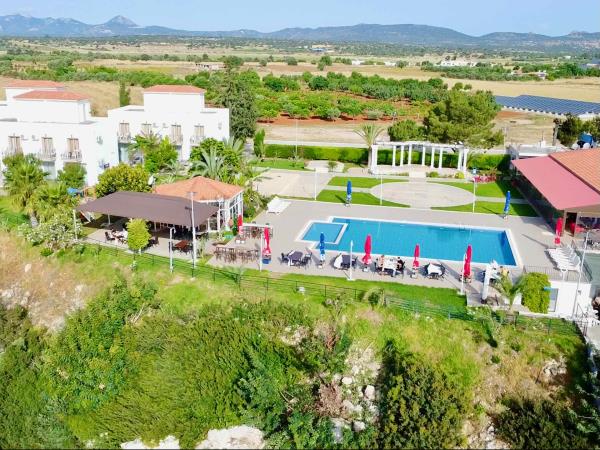
Northern Cyprus eco accomodation, double room
Farm-style retreat on the charming island of Cyprus
From
€1360
per week (sleeps 2)


Contact Us
Call us for a chat about our holidays. We are happy to discuss your holiday and help in any way we can. No bots, queues or awful hold music.

01273 823 700
Call us tomorrow after 9am
Calling from outside the UK

Why a united Cyprus is still a long way off
Losses on both sides
Cyprus remains a divided island. Both sides have experienced personal losses. It goes far deeper than simply identifying the island as part of Greece or an extension of Turkey. In the south, you'll find villages that were abandoned by the Turkish as they fled north. The former homes of Greek Cypriots who once lived in the north are still occupied by Turkish families.
Although it's not difficult to cross the Green Line today with several border crossings in places such as Nicosia, the country is still way off unification. There are hundreds of people missing on both sides. Wounds have yet to heal. Personal losses, grudges and memories are passed down generations. Negotiations are regularly renewed and talks continue to take place between Turkish and Greek governments as well as the EU, and leaders from both Cypriot communities.
Yet tourism is big business on both sides of the border in Cyprus, and although the north is less developed it still has much to offer travellers, especially those wanting a comprehensive view of the island, and its complicated history and culture.
Embargoes
Since the Turkish Republic of North Cyprus (TRNC) announced independence they’ve been slapped with international trade, travel and communication embargoes; many of which are still in place to this day. From sports teams and athletes not being allowed to compete internationally, to flights only allowed via Turkey, the TRNC has been economically strangled and socially isolated for over half a century.As a member of the EU and the UN, the Republic of Cyprus really does hold all the cards. Ercan Airport, for example, has continuously been denied international status – the only destination it serves is Turkey and all aircraft travelling to or from Ercan have to touchdown in Turkey first, before continuing their onwards flight. This often leads to a lengthy delay on the tarmac for passengers who are required to remain in their seats.
Although Turkish Cypriots can visit the south, and therefore the EU, as consumers, they cannot as producers and exporters. The north’s economy is almost entirely dependent on support from Turkey, and it uses the lire rather than the euro. Border controls restrict the amount of goods that can be brought in from the north and will confiscate anything considered over the limit. This applies to foreign tourists, too.
Why you should travel to the North and South of Cyprus
There are genuinely friendly and hospitable people on both sides of the Cypriot border. However, if you listen to just one side you might get half the story.
Choosing a holiday company that operates on both sides of the border is a great way to help you connect with local people. You'll also be given firm support and advice when it comes to hire cars, travel insurance, suitable airports, visas, and the easiest way to cross the Green Line.
Our tour operators support local hoteliers, taxi drivers, tour guides, small businesses and restaurateurs. They work closely with communities, on both sides, to ensure an authentic, unbiased experience. This is the best way to benefit local people living on both sides of Cyprus.
Choosing a holiday company that operates on both sides of the border is a great way to help you connect with local people. You'll also be given firm support and advice when it comes to hire cars, travel insurance, suitable airports, visas, and the easiest way to cross the Green Line.
Our tour operators support local hoteliers, taxi drivers, tour guides, small businesses and restaurateurs. They work closely with communities, on both sides, to ensure an authentic, unbiased experience. This is the best way to benefit local people living on both sides of Cyprus.
How to see both sides of Cyprus
When flying to Ercan in North Cyprus you'll need to go via Turkey. This can often mean a lengthy wait on the tarmac in Istanbul before finally touching down. Larnaca and Paphos airports, in southern Cyprus, are a lot easier to get to.
Crossing the border from south to north via Nicosia is straightforward, especially on foot. If you’re driving, remember that not all car hire companies allow their vehicles to go across the border and you will need special insurance to continue driving in the TRNC. This can be obtained at the border crossing.
You can also hire a car in the south and drop it off at the hire car company's office in Nicosia, then be met by a taxi driver who will take you over the border so you can continue the rest of your holiday in the north. If you have entered via the south, there is no problem crossing the border back from north to south.
You can also hire a car in the south and drop it off at the hire car company's office in Nicosia, then be met by a taxi driver who will take you over the border so you can continue the rest of your holiday in the north. If you have entered via the south, there is no problem crossing the border back from north to south.
If you book an organised tour, all arrangements will be taken care of. For more information on travelling in Cyprus, please visit the GOV.UK website.
Many thanks to June Zaft for helping to untangle border crossing details.
Many thanks to June Zaft for helping to untangle border crossing details.
More Cyprus articles
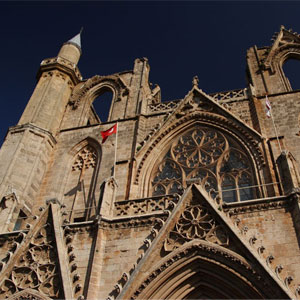
Our Cyprus travel guide leads you to the archaeological sites, Blue Flag beaches and mountain viewpoints.
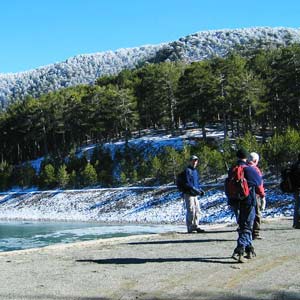
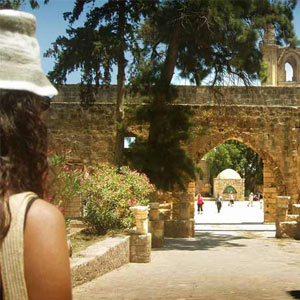
Cyprus holds outstanding areas of natural beauty where mountains and coastline collide with history.
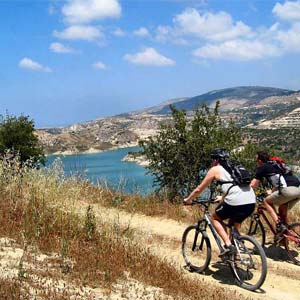
From the rugged ridge over the Akamas Peninsula to the flat coastal stretches either side of Kyrenia.
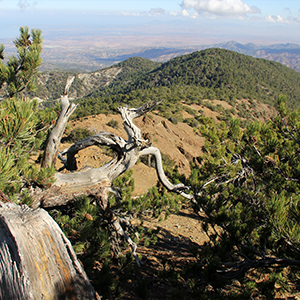
The peaceful Troodos Mountains risked falling silent due to depopulation – but responsible tourism is reviving some small communities.