Island hopping in Denmark
Denmark is a nation of over 444 islands, with around 70 inhabited – which is great news for island-hopping.
There are islands with fairy-tale castles that inspired Hans Christian Andersen and islands powered by community wind farms. There are garden islands, summer islands, and hiking and cycling islands. There’s Copenhagen, which spreads over two islands plus – in the not-too-distant future – a manmade ‘Parkipelago’ of floating islands with bee-friendly wildflower meadows and saunas, all made using traditional Danish boatbuilding techniques.
There are islands with fairy-tale castles that inspired Hans Christian Andersen and islands powered by community wind farms. There are garden islands, summer islands, and hiking and cycling islands. There’s Copenhagen, which spreads over two islands plus – in the not-too-distant future – a manmade ‘Parkipelago’ of floating islands with bee-friendly wildflower meadows and saunas, all made using traditional Danish boatbuilding techniques.
An excellent public transport system makes it easy to island-hop by bike, as well as by ferry, train and bus. Cycling culture runs particularly deep in Denmark, with over 12,000km of signposted bike routes that cross sea bridges and skim whole islands. The extensive rail network is designed with cyclists in mind, too, with dedicated carriages for bikes on most trains.
So – will it be the island routes of the South Fyn Archipelago or the cool cities of Zealand? Read on and we’ll help you decide

Copenhagen cycling holiday, Denmark
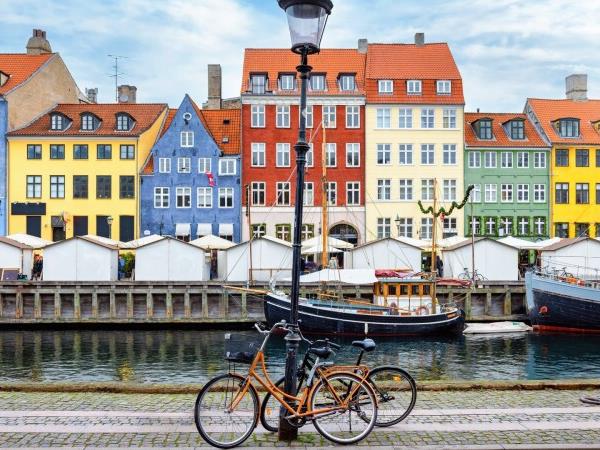
Explore the happy city of Copenhagen by bike
From
£1169 to £2000
5 days
ex flights
Denmark and Sweden luxury family holiday
Copenhagen, Stockholm City Tour Relaxing Swedish Spa Retreat
From
£14699 to £29398
19 days
ex flights
Scandinavia small group tour
Soak up a little Scandinavian minimalism
From
£6780 to £7860
21 days
ex flights
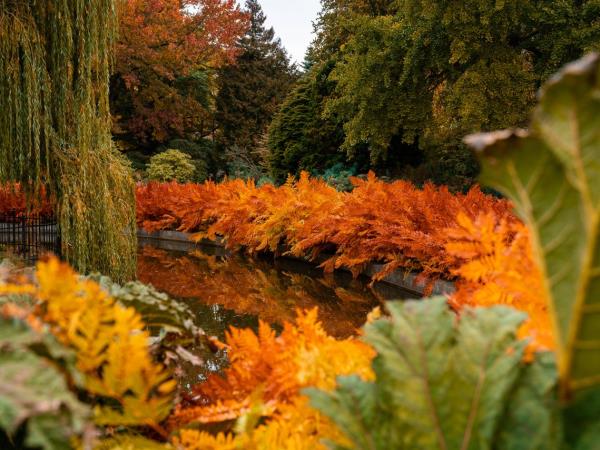
Autumn holiday in Scandinavia, Nordic colours
Autumn Nordic Adventure: fjords, cities, culture and cuisine
From
£9325 to £18650
13 days
ex flights
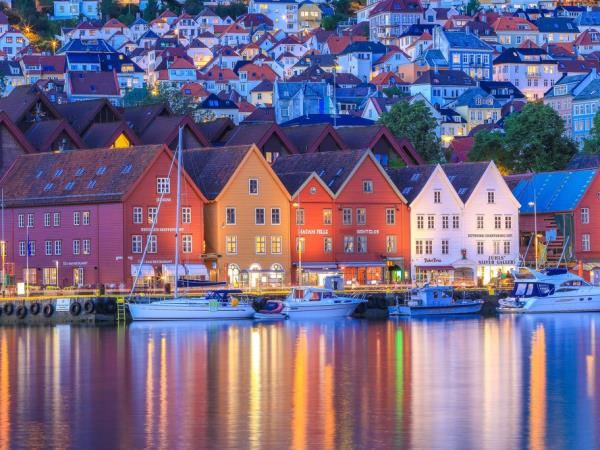
Norway and Denmark holiday, Bergen & Copenhagen
Luxurious Hotels, exciting experiences, epic Fjord Cruises
From
£8062 to £16124
7 days
ex flights
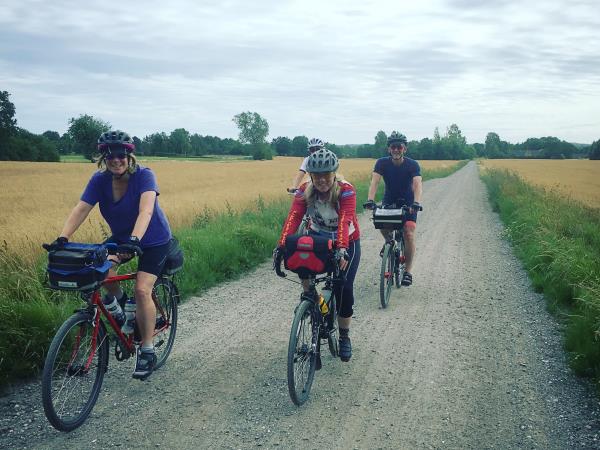
Netherlands to Denmark cycling holiday
11 day cycling holiday from the Netherlands to Denmark
From
£2345
13 days
ex flights


Contact Us
Call us for a chat about our holidays. We are happy to discuss your holiday and help in any way we can. No bots, queues or awful hold music.

01273 823 700
Call us until 4pm
Calling from outside the UK

Our top islands in Denmark (& how to get there)
Zealand
There’s nothing new about Zealand – it was formed by glaciers during the Ice Age. Or, if you go by the Old Norse Heimskringla sagas, it was created by Gefjun, the goddess of abundance and agriculture. Zealand’s main claim to fame, though, is being home to a large part of Denmark’s capital city, Copenhagen. Most of our holidays start or end here – or both – so we recommend adding a few days to make the most of the city with a little help from our Copenhagen travel guide.
Our Copenhagen cycling holiday takes you through and then beyond Copenhagen’s streets, revealing exactly why Denmark gives the Netherlands a run for its money when it comes to smooth cycling. We’ll whisk you south to Køge Bay, where long, sandy beaches come with beachside meadows and harbour baths. This might be the Baltic Sea, but water temperatures reach a very pleasing 20°C in July and August. Køge is well worth a look too. It’s one of the oldest cities in Denmark – which is saying something in a country where many settlements are older than written history.
We can also take you north, to Klampenborg – a Copenhagen suburb with beaches like Bellevue, where sands stretch for over half a kilometre. It’s the work of legendary Danish architect Arne Jacobsen that steals the show, though. His distinctive functionalist style left a stamp on everything from the geometric holiday kiosks to the theatre, with its striped lighthouse-inspired interior.
Helsingør marks the north-eastern corner of Zealand, just an hour’s train ride from Copenhagen and practically a pebble’s throw from the Swedish mainland. It’s a ferry port, but it’s also a coastal city with cobbled streets of half-timbered houses and churches with pews bookended by scallop carvings. Kronborg Castle is the jewel in the crown – the crown of Shakespeare’s doomed Prince of Denmark, in fact. This ornate Renaissance castle is the setting for Hamlet.
From here, the dune-swept north coast is temptingly close, so we recommend getting on your bike and following the coast onwards if you can, to the fishing town of Gilleleje and the golden sands and beach huts of Tisvildeleje.
How to get to Zealand:
a 15-minute Metro ride from Copenhagen Airport to the centre of Copenhagen
Our Copenhagen cycling holiday takes you through and then beyond Copenhagen’s streets, revealing exactly why Denmark gives the Netherlands a run for its money when it comes to smooth cycling. We’ll whisk you south to Køge Bay, where long, sandy beaches come with beachside meadows and harbour baths. This might be the Baltic Sea, but water temperatures reach a very pleasing 20°C in July and August. Køge is well worth a look too. It’s one of the oldest cities in Denmark – which is saying something in a country where many settlements are older than written history.
We can also take you north, to Klampenborg – a Copenhagen suburb with beaches like Bellevue, where sands stretch for over half a kilometre. It’s the work of legendary Danish architect Arne Jacobsen that steals the show, though. His distinctive functionalist style left a stamp on everything from the geometric holiday kiosks to the theatre, with its striped lighthouse-inspired interior.
Helsingør marks the north-eastern corner of Zealand, just an hour’s train ride from Copenhagen and practically a pebble’s throw from the Swedish mainland. It’s a ferry port, but it’s also a coastal city with cobbled streets of half-timbered houses and churches with pews bookended by scallop carvings. Kronborg Castle is the jewel in the crown – the crown of Shakespeare’s doomed Prince of Denmark, in fact. This ornate Renaissance castle is the setting for Hamlet.
From here, the dune-swept north coast is temptingly close, so we recommend getting on your bike and following the coast onwards if you can, to the fishing town of Gilleleje and the golden sands and beach huts of Tisvildeleje.
a 15-minute Metro ride from Copenhagen Airport to the centre of Copenhagen
Amager
Fly into Copenhagen, and you’ll land on Amager Island – home to the most densely populated part of the city, including the intentional community of Freetown Christiania.Our holidays go beyond the city limits to Amager Nature Park, which can be reached by bike or Metro. There’s a great story to go with the park too. It was partly a cordoned-off military site until conservationists rescued it, revived it, and fully reopened it to the public in 2010. Now, you can explore over 3,000 hectares of savannah-like grassland, lakes, coastline and forest, including Denmark’s largest birch forest. We recommend cycling if you can – you’ll want your bike to see as much of this unexpectedly wild and sprawling park as possible. Chances are, you’ll be some of the only tourists on the trails.
For a completely different kind of park, go to Amager Beach Park. It’s sandy, getting livelier through the long days of summer, with watersports launching from Copenhagen Surf School and live music filling the weekends. Look out for the windmills of Middelgrunden on the horizon – a community-owned wind farm that was once the largest in the world.
connected to the city centre by bike, bus and Metro
Fyn
Fyn is Denmark’s fairy-tale island, parked in the centre of the country, between the mainland and Zealand. It was the birthplace of master storyteller Hans Christian Andersen, who wrote European fairy tale favourites like The Princess and the Pea and The Little Mermaid.
Immerse yourself in the world that inspired Andersen by strolling the timber-framed houses and cobbled streets of Odense. The design-led H.C. Andersen’s House museum is a great place to start. Afterwards, follow the brass footprints for a free walking tour and check out the sculpture trail. If you fancy covering more ground, bikes are the best way to get around Odense. A dedicated cycling path goes through the city centre, leading to an island with a harbour pool and a holiday vibe.
Beyond Odense, there are green hills and rivers decorated with turreted castles, along with seaside towns, a Viking ship burial, sea baths and even more islands to hop, all connected by bike-friendly bridges and ferries.
How to get to Fyn from Copenhagen:
around 1.5 hours by train, car or bus
Immerse yourself in the world that inspired Andersen by strolling the timber-framed houses and cobbled streets of Odense. The design-led H.C. Andersen’s House museum is a great place to start. Afterwards, follow the brass footprints for a free walking tour and check out the sculpture trail. If you fancy covering more ground, bikes are the best way to get around Odense. A dedicated cycling path goes through the city centre, leading to an island with a harbour pool and a holiday vibe.
Beyond Odense, there are green hills and rivers decorated with turreted castles, along with seaside towns, a Viking ship burial, sea baths and even more islands to hop, all connected by bike-friendly bridges and ferries.
around 1.5 hours by train, car or bus
Bornholm
Bornholm is the Sunshine Island, where spring arrives earlier and summer is slow to leave. The island is closer to the Swedish mainland, but only a 2.5-hour ferry ride or 35-minute flight from Copenhagen. Take your pick of beaches for sun-seeking: the rugged coastline includes long stretches like Dueodde Beach with sand so pale and fine it was once used for filling hourglasses. These days, it’s better known for its fine-dining beachside restaurant with a Michelin star.
Bornholm is also the island where you’ll realise that rumours of Denmark’s flatness seem greatly exaggerated. The north coast is a rise of sheer cliffs and rocky outcrops pinned by lighthouses. Even the churches are rugged – Østerlars Round Church comes with fortifications designed to protect villagers and deter raiders, including a steep, coiled stone staircase. There’s even more challenging climbing elsewhere on Bornholm, with cliffs and quarries popular with climbers, abseilers and boulderers.
All that varied terrain means that Bornholm is brilliant for cycling. There are over 250km of bike routes here – and all on an island that’s only 40km from north to south.
How to get to Bornholm from Copenhagen:
2-3 hours by combined bus/train/car and ferry, or a short flight
Bornholm is also the island where you’ll realise that rumours of Denmark’s flatness seem greatly exaggerated. The north coast is a rise of sheer cliffs and rocky outcrops pinned by lighthouses. Even the churches are rugged – Østerlars Round Church comes with fortifications designed to protect villagers and deter raiders, including a steep, coiled stone staircase. There’s even more challenging climbing elsewhere on Bornholm, with cliffs and quarries popular with climbers, abseilers and boulderers.
All that varied terrain means that Bornholm is brilliant for cycling. There are over 250km of bike routes here – and all on an island that’s only 40km from north to south.
2-3 hours by combined bus/train/car and ferry, or a short flight
Samsø
Samsø and cyclists are like very green peas in a pod – self-sufficient and fuelled by renewable energy. With two wheels, you can breeze as freely as the wind that turns the famous turbines. Travel between villages with busker-serenaded squares, houses with thatched roofs and artisan shops. Beach-hop between sandy bays, from family-friendly stretches to wilder, wildflower-strewn spits – and then onwards, inland to rolling green hills.Surprises include the world’s largest permanent maze, carved into a Christmas tree plantation – plus, keep your eyes peeled for even older sites. People have lived on Samsø for thousands of years, with excavations digging up Neolithic arrowheads and whole Viking longhouses.
Samsø also has you sorted on the refuelling stakes. It’s known as Denmark’s garden, with everything from asparagus and strawberries to buckthorn and rhubarb landing on island menus – and on menus beyond, in the restaurants of Copenhagen.
around 2 hour 45 mins by train/car and ferry
Lolland-Falster
Lolland is the fourth largest island in Denmark, closely tied to its sister island Falster – both part of the South Sea Islands that make up Denmark’s southernmost point. This is where you’ll arrive on our Holland to Denmark cycling holiday, catching the ferry from Germany to Rødbyhavn. The unassuming ferry port is home to a record-breaking engineering project – an underwater car and train tunnel between Denmark and Germany which, at 18km long, will be the longest submerged tunnel in the world.
From Rødbyhavn, expect flat, scenic bike rides across the two islands, including 600km of coastline and white-sand beaches, nature parks with lakes speckled by even more islands, seaside villages and farmland. That farmland includes sugar beet fields and factories that sat at the centre of Denmark’s Industrial Revolution. Visit the Danish Sugar Museum for a look into traditional production methods, but also make time for the Polish Barracks Museum, which tells the story of the seasonal workers who powered Denmark’s ‘white gold’ industry.
How to get to Lolland-Falster from Copenhagen:
1 hour 45 mins by car (or a ferry ride from Germany)
From Rødbyhavn, expect flat, scenic bike rides across the two islands, including 600km of coastline and white-sand beaches, nature parks with lakes speckled by even more islands, seaside villages and farmland. That farmland includes sugar beet fields and factories that sat at the centre of Denmark’s Industrial Revolution. Visit the Danish Sugar Museum for a look into traditional production methods, but also make time for the Polish Barracks Museum, which tells the story of the seasonal workers who powered Denmark’s ‘white gold’ industry.
1 hour 45 mins by car (or a ferry ride from Germany)

Responsible Travel would like to thank the Visit Denmark tourist board for their sponsorship of this guide
More Denmark articles
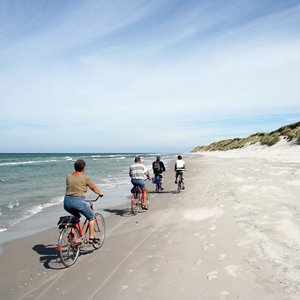
Visit Denmark in spring for wildflowers, summer for sun and autumn for wildlife.
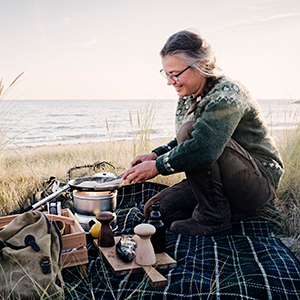
Explore at leisure as we take you through the food, shopping, people and a brief history of Denmark.
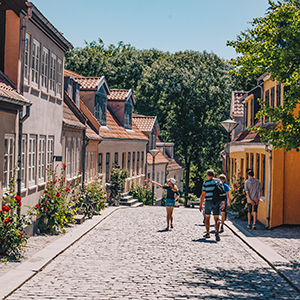
From colourful Copenhagen to the fairy tale island of Funen, here's where to go.
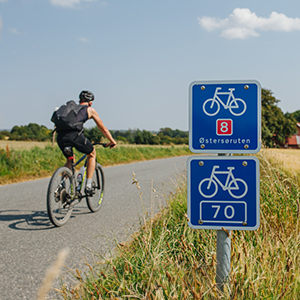
Our Denmark cycling holidays explore EuroVelo routes, islands and coastal landscapes.
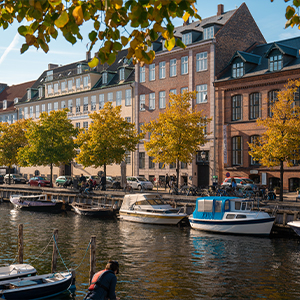
Cycle from castle to canal, wander in Vesterbro and visit world-class museums.
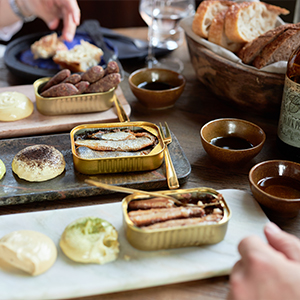
Read our ultimate guide to what to eat and drink in this Nordic country – skal!
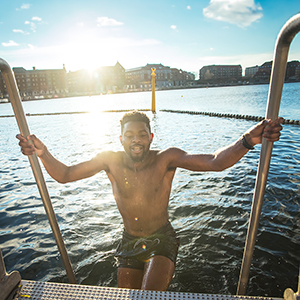
There aren’t many capital cities where it’s clean enough to swim in the harbour. Feel good in this happy country.
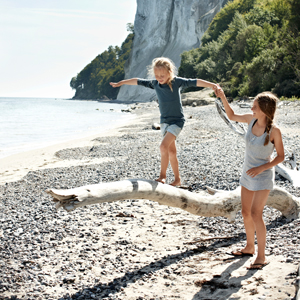
Tivoli Gardens is great, but there are lots more reasons why families love Denmark.
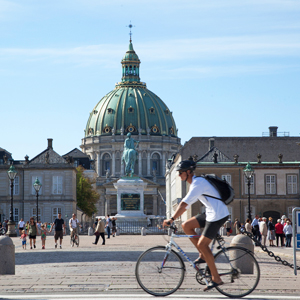
Discover what to eat, how to travel, and health and safety essentials for your trip to Denmark.
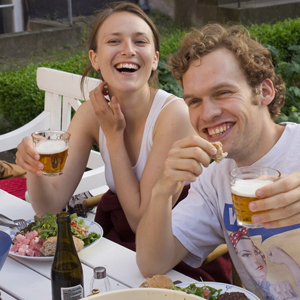
Sustainable energy and a love of pedal power make it easy to travel responsibly in Denmark.