

Elephant watching travel guide

Positive interaction with pachyderms sums up an elephant watching holiday nicely – whether they’re in the wild or in wonderfully caring camps and sanctuaries.
There's a lot to love about elephants. Physically extraordinary and highly intelligent, they are able to experience and exhibit self awareness, grief, compassion and cooperation. So, it's understandable that for some elephant fans, spotting them on an African safari doesn't entirely scratch the ele itch. Happily, alternative elephant encounters exist, with Asia leading the way in positive, ethical and educational holidays packed with pachyderms.
Thailand is the best country for an elephant watching holiday, offering the chance to see elephants both in the wild and at many sanctuaries where ethical interactions are prioritised, which you can read more about here. Within this, there is the chance to spot other wildlife, visit local villages for cultural experiences, and to travel further afield, but the elephants remain the star attraction and are definitely – ahem – worth trumpeting about.

Elephant watching holidays are…

a chance to see Asian elephants and observe their natural behaviour.

Elephant watching holidays aren’t…

about exploitative shows, riding, petting or feeding elephants.

WHAT DOES AN ELEPHANT WATCHING HOLIDAY ENTAIL?

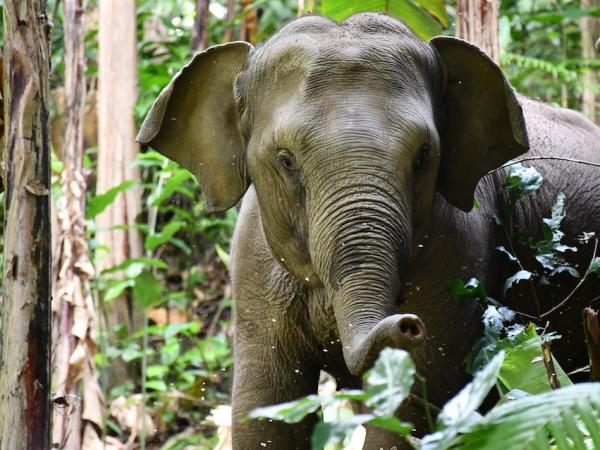
An elephant watching holiday does what its name suggests: it gives you the opportunity to observe elephants at close range. This is a responsible, respectful experience, though, so no elephant riding, no selfies and certainly no elephant performances. It’s a chance to see elephants being elephants, to learn about their lives and the challenges faced by the Asian elephant. Crucially, though, this isn’t a conservation or volunteering holiday; it’s simply an opportunity to indulge your inner elephant obsessive, with perhaps a smattering of other sightseeing and wildlife watching, too.
Unlike African safaris which also, of course, bring you close to elephants, elephant watching holidays usually take place in Asia, in countries that have wild populations of elephants, but also a history of ‘domesticating’ elephants for work. Some of the elephants you’ll meet on an elephant watching holiday were used to carry tourists on wildlife safaris. Others may have been orphaned, injured, or maltreated and are now cared for in sanctuaries.
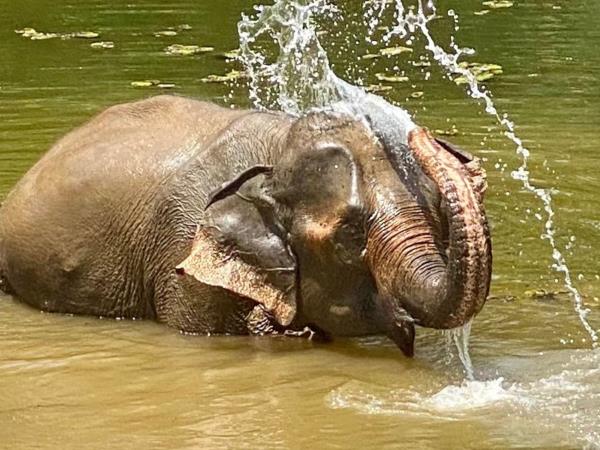
Your visit contributes directly to the costs of feeding, accommodating and keeping elephants healthy, but it’s important to research any elephant facility you might visit as part of an elephant watching holiday carefully. Our advice for visiting any animal sanctuary (with a few exceptions) is to always do so on a ‘no touch, observation-only’ basis. When it comes to elephants, that means always keeping a distance, so no bathing, no photo shoots, ideally not feeding them either. This is safer for you, and less awkward for the elephants.
Hannah Hesford, from our partner Rickshaw Travel, has this advice:
“We collaborate closely with our local partners and NGOs to work to ensure that our animal experiences are as responsible and meaningful as possible. To arm travellers with as much information as possible when it comes to choosing reputable elephant sanctuaries, our friends at World Animal Protection advise that genuine elephant sanctuaries ‘should have animal welfare at the core of what they do. They will not use elephants in performances for tourists or allow the elephants to be ridden. Genuine sanctuaries show that neither cruelty nor harsh treatment are ever needed to manage the elephants in their care.”

Contact Us

Responsible Travel, Travel Team

Call us for a chat about our holidays. We are happy to discuss your holiday and help in any way we can. No bots, queues or awful hold music.


Responsible Travel, Travel Team
Chiara Vitali from World Animal Protection explains what you should expect from any facility that keeps elephants:
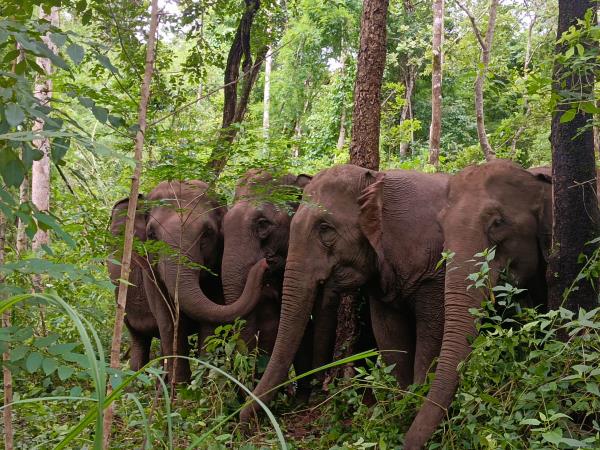
“You should expect to see elephants interacting in a natural environment and in a natural way. Elephants are highly social creatures with strong family bonds and friendships. Elephants that are allowed sufficient freedom will likely move in herds and carers may be able to identify social groups for visitors. There will likely be a great deal of communication between the animals in the form of trumpeting, rumbles and various other sounds. The elephants may also engage in play. Most importantly, the animals should be allowed the freedom to do as their instincts tell them and express their natural behaviours – none of which is possible in ride- and show-based venues, where elephants spend most of their day in chains – and not be forced into any interaction with tourists. In order to enjoy this experience safely, visitors should be mindful of the wild nature of elephants, behave respectfully of the animals (most of the time this includes keeping an appropriate distance) and follow the instructions given by trained staff.”
All the elephant watching places featured on Responsible Travel have been screened for welfare. You can read more about our stance on elephant trekking and riding, in our elephant conservation guide.
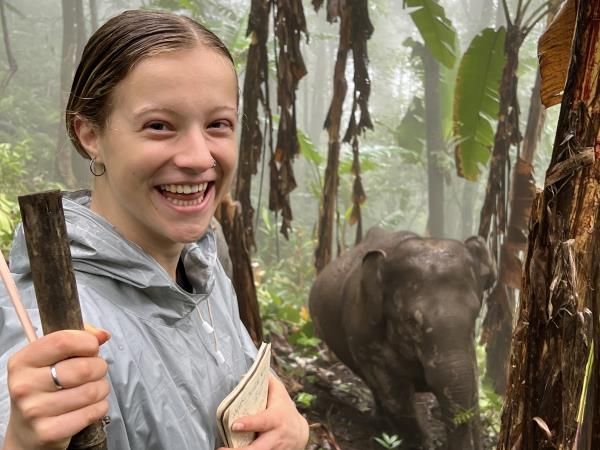
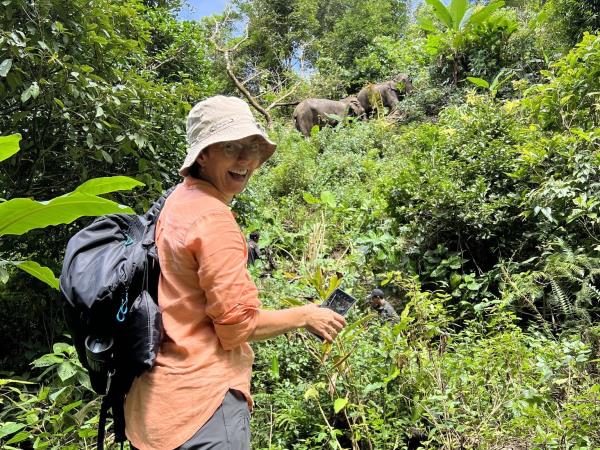
Sanctuaries doing good work for Asian elephants exist in many parts of Asia, but it’s very difficult to see elephants in the wild, as they live deep in forests. We offer holidays on the Thailand and Myanmar border where expert mahouts lead you in search of them, to watch as they forage for food – an amazing experience.
Written by Joanna Simmons
Photo credits: [Page banner: Rosanne Desgagnes] [Elephant introduction: Simon Shaw] [Are/aren't: Ivo Verhaar] [What does it entail 1: Richard Whitaker] [What does it entail 2: Pascal Muller] [What does it entail 3: John Pavelka] [Rickshaw travel: Ben o'bro] [World animal Protection: Paweldotio] [Elephant conservation guide: Jesse Schoffe] [Sanctuaries: Bruce Dall] [A proper elephant watching holiday: Mammalwatcher] [Elephant transit home: Pol van den Scheetek]