Who will be onboard with me?
Expedition ships tend to be small, carrying anything from 50 to 200 passengers. Fellow expeditioners may be from around the world, and a mix of ages, although young backpackers on a year out tend to be priced out of this kind of trip! The common bond will be a love of travel, adventure and the natural world. Conditions on board might be more cramped than in giant cruise ships, but expedition seafarers know how to respect each others’ space, and it’ s easy to escape if you want to, whether taking time out on deck to watch an albatross gliding alongside or snoozing in your cabin.
Can I travel solo?
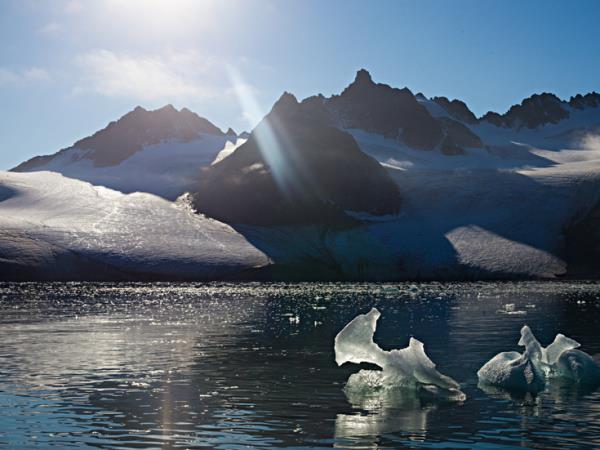
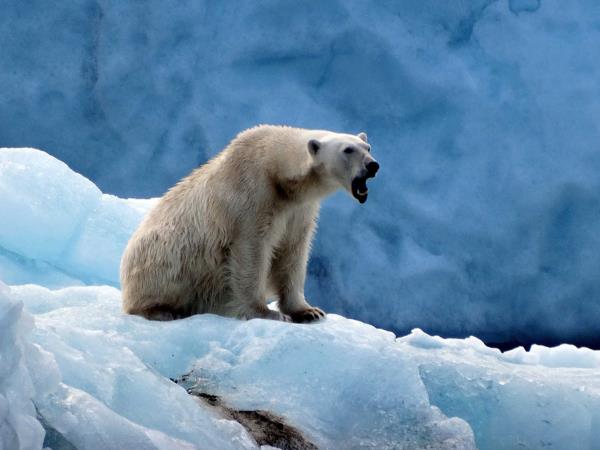
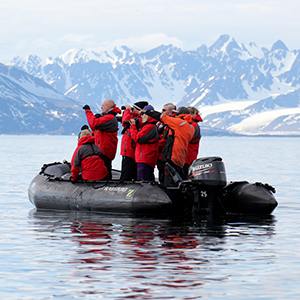
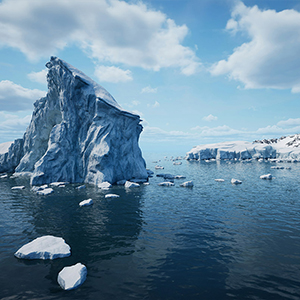
A good many people travel on their own on expedition cruises. This isn’t a week in the Med, after all. The ships aren’t huge, so it’s easy to meet fellow passengers, and as you’re brought together by a common interest, friendships quickly blossom. And once you’ve taken your first Zodiac ride to see turquoise icebergs floating near vast glaciers or a polar bear atop a snowy cliff, you have an immediate and unique bond.
At meal times, seats are not usually assigned, so you can move about and get to know everyone. The onboard guides and experts usually sit with different people at dinner, so you’ll have a chance to enjoy a meal with them, too.
Will I get seasick?
The Southern Ocean is one of the roughest oceans in the world, with the tumultuous, two-day crossing of the Drake Passage between South America and Antarctica legendary. Once in Antarctica, however, waters are usually calm. On the other side of the globe, Arctic waters are also relatively calm, but bad weather can cause rough water anywhere, and even a bouncy ride on a Zodiac across calm seas can unsettle delicate stomachs.
Find out if your vessel has stabilisers, which can help reduce the pitch and roll and try to book a cabin towards the centre of the ship and low down, too, where movement is more limited. It’s normal to experience some seasickness at the start of the journey, but most people find their sea legs pretty fast, and then recover for the remainder of the voyage. Different medicines and preventions suit different people, and prevention is better than cure, so if you’re concerned about sickness, act before the cruise starts. Antarctic expedition vessels have medical facilities and staff onboard as standard, but if you’re taking an expedition elsewhere find out if there is a medical advisor or small clinic onboard to help in the rare cases of extreme seasickness.
What's cooking?
Expedition boats typically provide three meals a day, including a buffet breakfast with cooked options, too; a buffet, barbecue or three-course meal for lunch; and a dinner that might run to four courses, with a choice of mains. Tea, coffee and fresh fruit are always on offer. There are usually vegetarians options available, and anyone with specific dietary requirements can be catered for, although it’s important to flag this up before departure.