Tahiti, French Polynesia
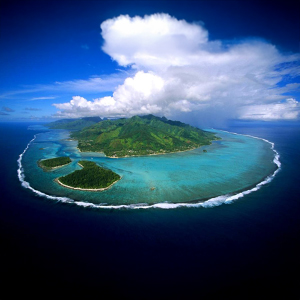
Though little more than a dot in the Pacific Ocean when looked at on a map, Tahiti is an incredibly beautiful dot. Formed by volcanic activity into two overlapping parts connected by an isthmus, this pineapple-shaped island is the largest in French Polynesia, home to the capital Papeete, as well as the country’s only international airport, and nearly three-quarters of the population.
Rainforest-clad mountains are cut through with rivers and waterfalls, while vibrant coral reefs ring the island beneath the warm sea, which averages 26-28°C year-round. And although it’s often just the starting point for an island hopping holiday, Tahiti as the cultural hub of French Polynesia merits spending a few days. Or even longer, allowing you to also hike the interior, kayak and snorkel in blissfully picturesque lagoons and meet local craftspeople in their workshops.
Located in the Society Islands, the archipelago where most of French Polynesia’s population lives, the island is divided into two sections, Tahiti Nui (Big Tahiti, the northwestern part) and Tahiti Iti (Small Tahiti, the southeastern part). Papeete is right at the top of Tahiti Nui, while Tahiti Iti is sparsely populated and wilder.
As French Polynesia’s only international airport is here, most of our holidays begin and end in Tahiti, from luxury family getaways to honeymoons. It’s also the departure point for one of our more unusual small ship cruises, sailing aboard a supply ship as the crew delivers supplies around the Marquesas Islands.
Rainforest-clad mountains are cut through with rivers and waterfalls, while vibrant coral reefs ring the island beneath the warm sea, which averages 26-28°C year-round. And although it’s often just the starting point for an island hopping holiday, Tahiti as the cultural hub of French Polynesia merits spending a few days. Or even longer, allowing you to also hike the interior, kayak and snorkel in blissfully picturesque lagoons and meet local craftspeople in their workshops.
Located in the Society Islands, the archipelago where most of French Polynesia’s population lives, the island is divided into two sections, Tahiti Nui (Big Tahiti, the northwestern part) and Tahiti Iti (Small Tahiti, the southeastern part). Papeete is right at the top of Tahiti Nui, while Tahiti Iti is sparsely populated and wilder.
As French Polynesia’s only international airport is here, most of our holidays begin and end in Tahiti, from luxury family getaways to honeymoons. It’s also the departure point for one of our more unusual small ship cruises, sailing aboard a supply ship as the crew delivers supplies around the Marquesas Islands.

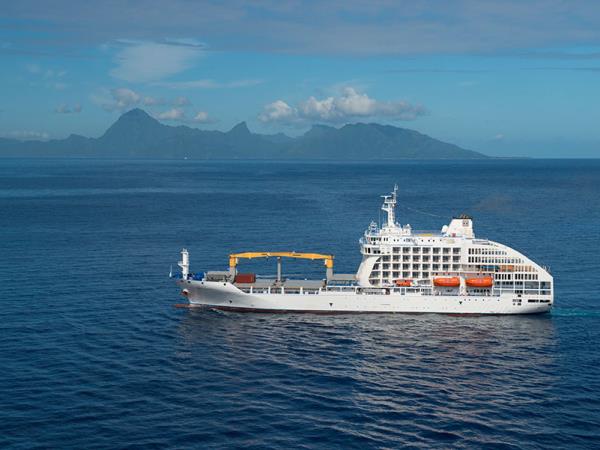
French Polynesia cruise in the South Pacific
Sail this Polynesian paradise visiting at least 12 islands
From
£2908 to £3125
12 days
ex flights
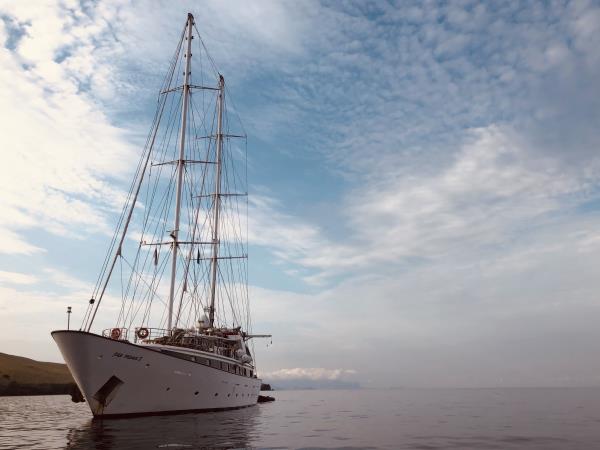
French Polynesia small ship cruise
Sail around the vivid turquoise lagoons of Tahiti
From
£2226 to £3904
8 days
ex flights
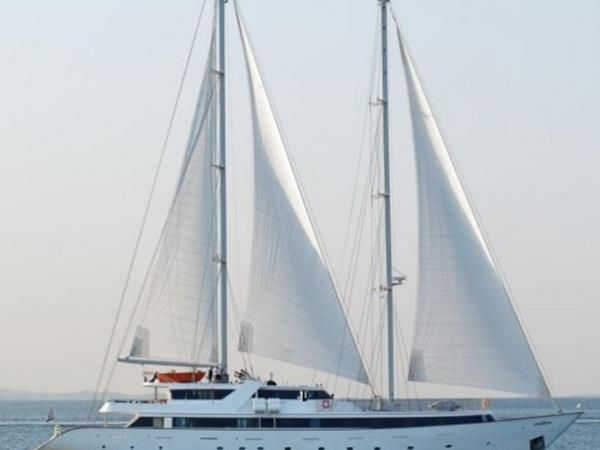
French Polynesia 10 night small ship cruise
South Pacific islands rich in nature and culture
From
£3122 to £5557
11 days
ex flights
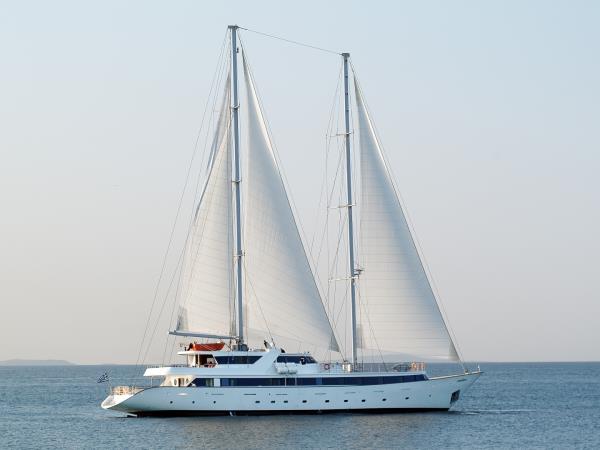
Tahiti and the Society Islands cruise
A cruise from Tahiti and the Society Islands 10 nights
From
£3417 to £5678
11 days
ex flights


Contact Us
Call us for a chat about our holidays. We are happy to discuss your holiday and help in any way we can. No bots, queues or awful hold music.

01273 823 700
Call us after 10am
Calling from outside the UK

Things to do in Tahiti
Mana and Marae
Mana is a supernatural force, central to French Polynesian culture, that can infuse anyone, anything or anywhere with a protective energy, thereby affording them respect. There are many sites around the islands that are considered to have mana, particularly marae. These marae are ceremonial areas of cleared land that have seen little use since Christianity was brought to French Polynesia in the 19th century, but they remain sacred.In centuries past they would have been used for rituals, dancing, sacrifices and decisions on legal matters. On Tahiti, the marae include Ta’ata, which holds significance for the fishing community of Paea, and Tefana i Ahura’i a Tama, which was the marae of the island’s canoe builders. To the unfamiliar eye, such places that have fallen into disuse might seem little more than piles of old stones, but their place in Polynesian culture is fascinating, and visiting them in the company of a local guide can bring their stories to life.
Culture
Tahiti may be the best island to stay on if you want to explore French Polynesian culture. A walking tour of the capital, Papeete, with a local guide is an excellent way to start. You might wander through lively markets, see the Notre Dame Cathedral from which all road distances on the island are measured, and meet a host of artisans in their workshops or selling their wares.
Handicrafts are a popular souvenir from Tahiti. You might pick out a colourful pareu, a versatile piece of traditional clothing that can serve as a shawl, a beach towel or even an impromptu picnic cloth. Handmade quilts, known as tifaifai, are much more than simple bed linen. Typically bearing designs inspired by nature, during Polynesian wedding ceremonies they are wrapped around the happy couple, who will then keep the tifaifai for life, perhaps hanging it on a wall.
If your home is already stuffed with handicrafts or you have limited space in your luggage, perhaps you would prefer a tattoo as a reminder of your visit. The word actually originates from the Tahitian language – tatau. Your skin art reflects not only your tribe and territory, but also your social rank. Other lightweight souvenirs of Tahitian culture include pearl jewellery – look for farms that grow their pearls according to sustainable principles and perhaps visit the pearl museum in Papeete.
The Heiva Festival in July is one of Tahiti’s largest cultural events, spanning a couple of weeks. You might watch a fast-paced coconut husking competition, or an outrigger canoe race, or a stone lifting event. But central to the Heiva celebrations is song and dance, which have historically been linked to every aspect of island culture, from prayers to storytelling to the welcome every traveller gets when they arrive at the airport. Hips shake and hands weave gracefully in the air to the rhythmic, pulsating beats of the Tahitian drums.
Handicrafts are a popular souvenir from Tahiti. You might pick out a colourful pareu, a versatile piece of traditional clothing that can serve as a shawl, a beach towel or even an impromptu picnic cloth. Handmade quilts, known as tifaifai, are much more than simple bed linen. Typically bearing designs inspired by nature, during Polynesian wedding ceremonies they are wrapped around the happy couple, who will then keep the tifaifai for life, perhaps hanging it on a wall.
If your home is already stuffed with handicrafts or you have limited space in your luggage, perhaps you would prefer a tattoo as a reminder of your visit. The word actually originates from the Tahitian language – tatau. Your skin art reflects not only your tribe and territory, but also your social rank. Other lightweight souvenirs of Tahitian culture include pearl jewellery – look for farms that grow their pearls according to sustainable principles and perhaps visit the pearl museum in Papeete.
The Heiva Festival in July is one of Tahiti’s largest cultural events, spanning a couple of weeks. You might watch a fast-paced coconut husking competition, or an outrigger canoe race, or a stone lifting event. But central to the Heiva celebrations is song and dance, which have historically been linked to every aspect of island culture, from prayers to storytelling to the welcome every traveller gets when they arrive at the airport. Hips shake and hands weave gracefully in the air to the rhythmic, pulsating beats of the Tahitian drums.
Food & drink
No night out in Papeete is complete without rolling up to a roulotte. These roadside food vans serve up mammoth portions of typical Tahitian street food, mingled with Asian and French dishes, too. One hatch might be offering chow mein; the one next door, delicious poisson cru (raw fish marinated in lime juice and coconut milk); the one beyond that, irresistible deep-fried doughnuts.
The Sunday food market in the capital is another fun way to explore the flavours of Polynesian cuisine, and if you’re driving around the island you’ll regularly pass roadside stalls selling freshly picked mangoes and pineapples.
The Sunday food market in the capital is another fun way to explore the flavours of Polynesian cuisine, and if you’re driving around the island you’ll regularly pass roadside stalls selling freshly picked mangoes and pineapples.
Get active
Tahiti offers a wealth of ways to wade into its natural wonders. Slip into the warm sea to dive with hammerhead sharks and manta rays, or snorkel the island’s well-preserved coral reefs. Join a whale watching trip – hundreds of humpback whales migrate here between July and November – or paddle over the peaceful Te Pari lagoon in the southeast of the island.
And while you might be thinking sandals or espadrilles for Tahiti, don’t rule out hiking shoes, either. There are some lovely walks in the mountainous, all-but uninhabited interior. Guided jeep tours are another way to explore this side of Tahiti, one that most visitors see little of.
And while you might be thinking sandals or espadrilles for Tahiti, don’t rule out hiking shoes, either. There are some lovely walks in the mountainous, all-but uninhabited interior. Guided jeep tours are another way to explore this side of Tahiti, one that most visitors see little of.
Practicalities
Getting there & getting around
Faa’a International Airport (Faa’a being the sound you make when you realise you’ve left your passport back at the hotel) is just outside Papeete. Getting around French Polynesia’s Society Islands from Tahiti is usually done by public ferry, though flights are available too for longer journeys such as Tahiti to Bora Bora (at least six hours over open water). You can explore Tahiti by private rental car, or our partners can also arrange excursions for you, as well as ferry tickets where necessary.
Accommodation
Tahiti is no stranger to mass tourism. From the 1960s inexpensive flights made holidays in French Polynesia more accessible, and the advent of overwater bungalows gave the islands a luxurious image. Global hotel chains rapidly followed, and while staying in these places is certainly comfortable, little of the money from your stay remains in the local Tahitian economy.
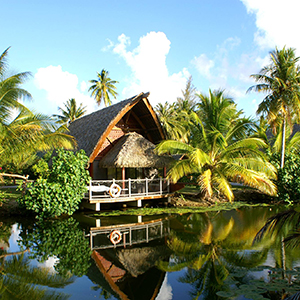
But you don’t have to stay in a hotel or resort owned by an international brand. Instead, our holidays seek out accommodation that is locally owned and locally run, ensuring you get a deeper immersion into Tahitian culture. And, whether it’s a hillside bungalow crafted from materials found on the island; solar panels or rooftops with plants on them to help restore nature, these properties also put an emphasis on the natural environment.
But you don’t have to stay in a hotel or resort owned by an international brand. Instead, our holidays seek out accommodation that is locally owned and locally run, ensuring you get a deeper immersion into Tahitian culture. And, whether it’s a hillside bungalow crafted from materials found on the island; solar panels or rooftops with plants on them to help restore nature, these properties also put an emphasis on the natural environment.
More French Polynesia articles
August to October is the best time to visit for whale watching, whilst December's expensive.
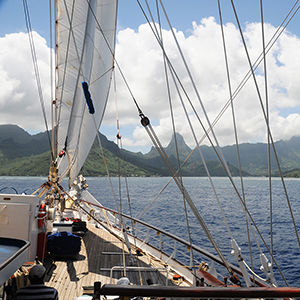
Travel on a ship that is also carrying vital supplies to the islands.
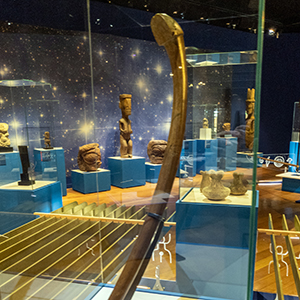
From a playlist to listen to on the plane to a pirogue-plying guide – here’s how to discover the culture of French Polynesia.
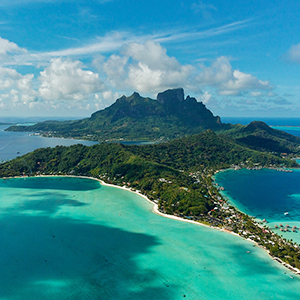
Swim or snorkel with sharks and manta rays, hike extinct volcanoes and explore a true tropical beauty.
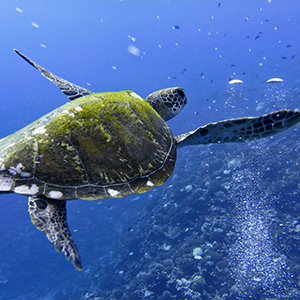
We look at overfishing, marine conservation and swimming with whales.



_(Ifremer_00773-88466_-_47855).jpg)

