Walking the West Highland Way
The West Highland Way, from Milngavie just outside Glasgow to Fort William at the foot of Ben Nevis, is one of the finest walks in Scotland. Or, as one of our travellers so succinctly puts it, “a gruelling but delightful experience.”
But while we can’t do anything about the Scottish weather (and nor would we want to), our holidays do ensure that every other aspect of the West Highland Way walk is pleasantly convenient and gives you a fantastic introduction to the landscapes and culture of rural Scotland.
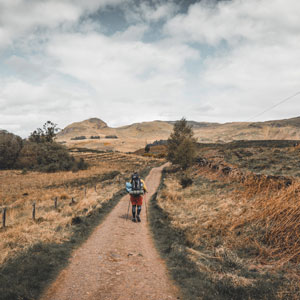
Scotland’s first designated long-distance trail, the West Highland Way is actually a very accessible walk, gently undulating in its earliest stages then gradually climbing as you approach the most infamous section, a steep gravel path full of switchbacks known as the Devil’s Staircase.
The route takes you through some of the country’s most beloved and well-protected landscapes as it passes the Campsie Fells – birthplace of Scottish skiing; skirts the magnificent shores of Loch Lomond above which ospreys and golden eagles soar, and crosses the wild, heather-strewn Rannoch Moor, one of Scotland’s last great wilderness areas.
But while we can’t do anything about the Scottish weather (and nor would we want to), our holidays do ensure that every other aspect of the West Highland Way walk is pleasantly convenient and gives you a fantastic introduction to the landscapes and culture of rural Scotland.
Scotland’s first designated long-distance trail, the West Highland Way is actually a very accessible walk, gently undulating in its earliest stages then gradually climbing as you approach the most infamous section, a steep gravel path full of switchbacks known as the Devil’s Staircase.
The route takes you through some of the country’s most beloved and well-protected landscapes as it passes the Campsie Fells – birthplace of Scottish skiing; skirts the magnificent shores of Loch Lomond above which ospreys and golden eagles soar, and crosses the wild, heather-strewn Rannoch Moor, one of Scotland’s last great wilderness areas.

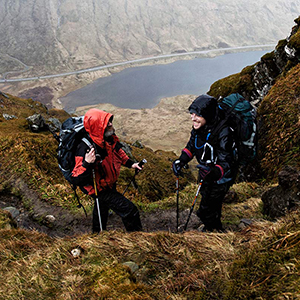
Our self guided walking holidays proffer many opportunities to pause and enjoy your surroundings. You might stop off for a warming dram of firewater at a whisky distillery, have a picnic and a paddle by a waterfall, or wander an ancient battlefield where Robert the Bruce once fought. Around Loch Lomond, where the path gets rockier and you need to watch for protruding tree roots, you can visit the RSPB Nature Reserve at Inversnaid and poke your head into a cave where the outlaw Rob Roy is thought to have taken refuge.
“Between Loch Lomond and Rannoch Moor, from Inverarnan to Bridge of Orchy, there's a gradual incline through beautiful forest and glens, surrounded by Munros,” says Gregor Stewart of our partner The Natural Adventure, who lives near Glasgow and has done the walk himself several times. “There are stunning views, winding paths, viaducts and the West Highland train line. People often overlook this section, but it's a real highlight of the route."
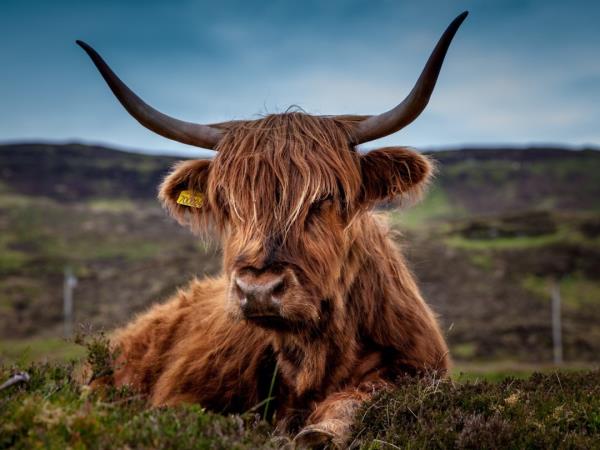
Wild goats pause their munching to watch contemplatively as you walk across pretty open glens, squirrels scurry busily up tree trunks as you follow forest tracks. And there are plenty of other walkers on the journey to share a friendly greeting with.
“Some people are surprised by how busy the West Highland Way gets,” adds Gregor, “but you have these iconic locations like Loch Lomond, Glencoe and Fort William, so it's not surprising it's busy. You’re not getting off the beaten track here, but the West Highland Way is like a well-oiled machine: accommodation caters perfectly to walkers, and luggage transfers work smoothly.”
On our holidays you’ll stay in locally run Highland hotels and guest houses, where you’ll get a warm greeting on arrival and a warm bowl of porridge before you leave. We take care of all the logistics so all you need to do is relax and enjoy this spectacular walk.
“Between Loch Lomond and Rannoch Moor, from Inverarnan to Bridge of Orchy, there's a gradual incline through beautiful forest and glens, surrounded by Munros,” says Gregor Stewart of our partner The Natural Adventure, who lives near Glasgow and has done the walk himself several times. “There are stunning views, winding paths, viaducts and the West Highland train line. People often overlook this section, but it's a real highlight of the route."
Wild goats pause their munching to watch contemplatively as you walk across pretty open glens, squirrels scurry busily up tree trunks as you follow forest tracks. And there are plenty of other walkers on the journey to share a friendly greeting with.
“Some people are surprised by how busy the West Highland Way gets,” adds Gregor, “but you have these iconic locations like Loch Lomond, Glencoe and Fort William, so it's not surprising it's busy. You’re not getting off the beaten track here, but the West Highland Way is like a well-oiled machine: accommodation caters perfectly to walkers, and luggage transfers work smoothly.”
On our holidays you’ll stay in locally run Highland hotels and guest houses, where you’ll get a warm greeting on arrival and a warm bowl of porridge before you leave. We take care of all the logistics so all you need to do is relax and enjoy this spectacular walk.
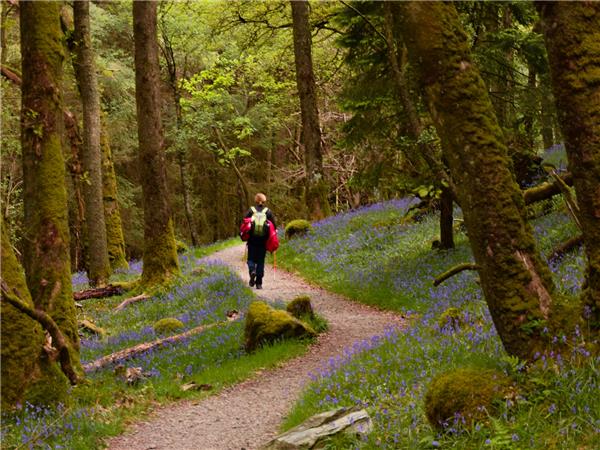
Milngavie to Inverarnan walk on the West Highland Way
Scotland’s most popular long-distance walking route
From
£650 to £710
5 days
ex flights
Walk The West Highland Way, self-guided
Walk The West Highland Way; Scotland's best-loved trail
From
£1465
10 days
ex flights
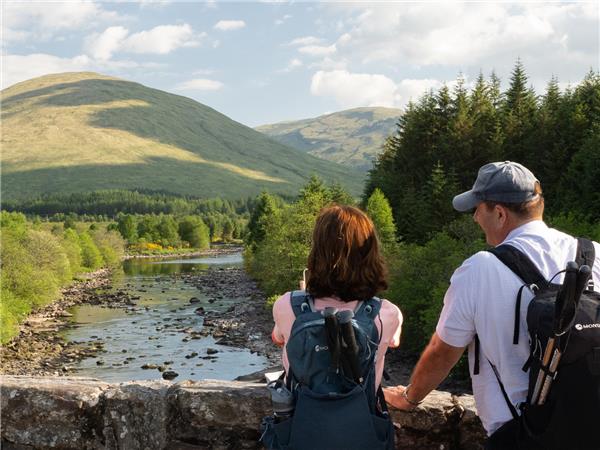
West Highland way in comfort holiday
Walk the iconic West Highland Way in comfort
From
£1690 to £1940
9 days
ex flights
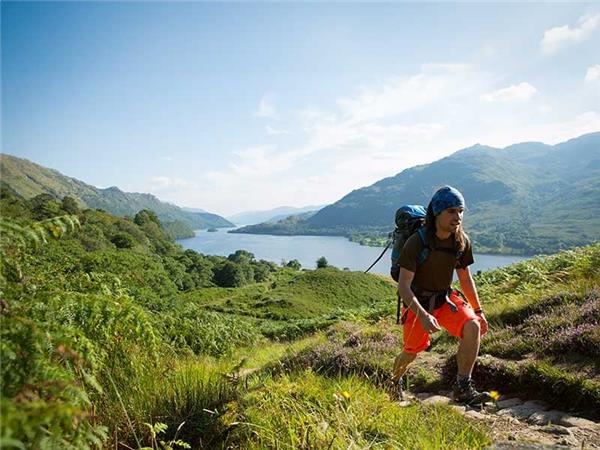
West Highland Way small group walking holiday
The magic of walking in Scotland can be distilled into this walk
From
£3090 to £3300
8 days
ex flights
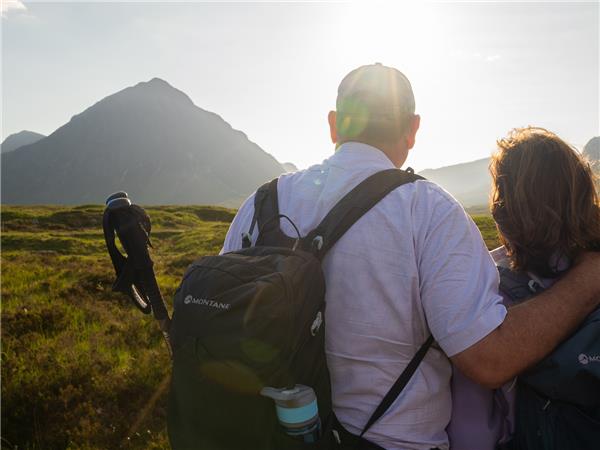
10 day West Highland Way walking holiday
West Highland Way is Scotland's most popular walking route
From
£1310 to £1420
10 days
ex flights
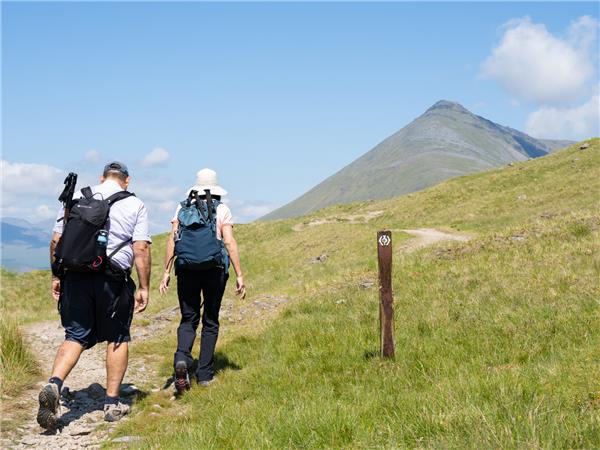
West Highland way walking holiday, 8 days
Scotland's most popular walking route in 8 days
From
£1080 to £1170
8 days
ex flights


Contact Us
Call us for a chat about our holidays. We are happy to discuss your holiday and help in any way we can. No bots, queues or awful hold music.

01273 823 700
Call us after 10am
Calling from outside the UK

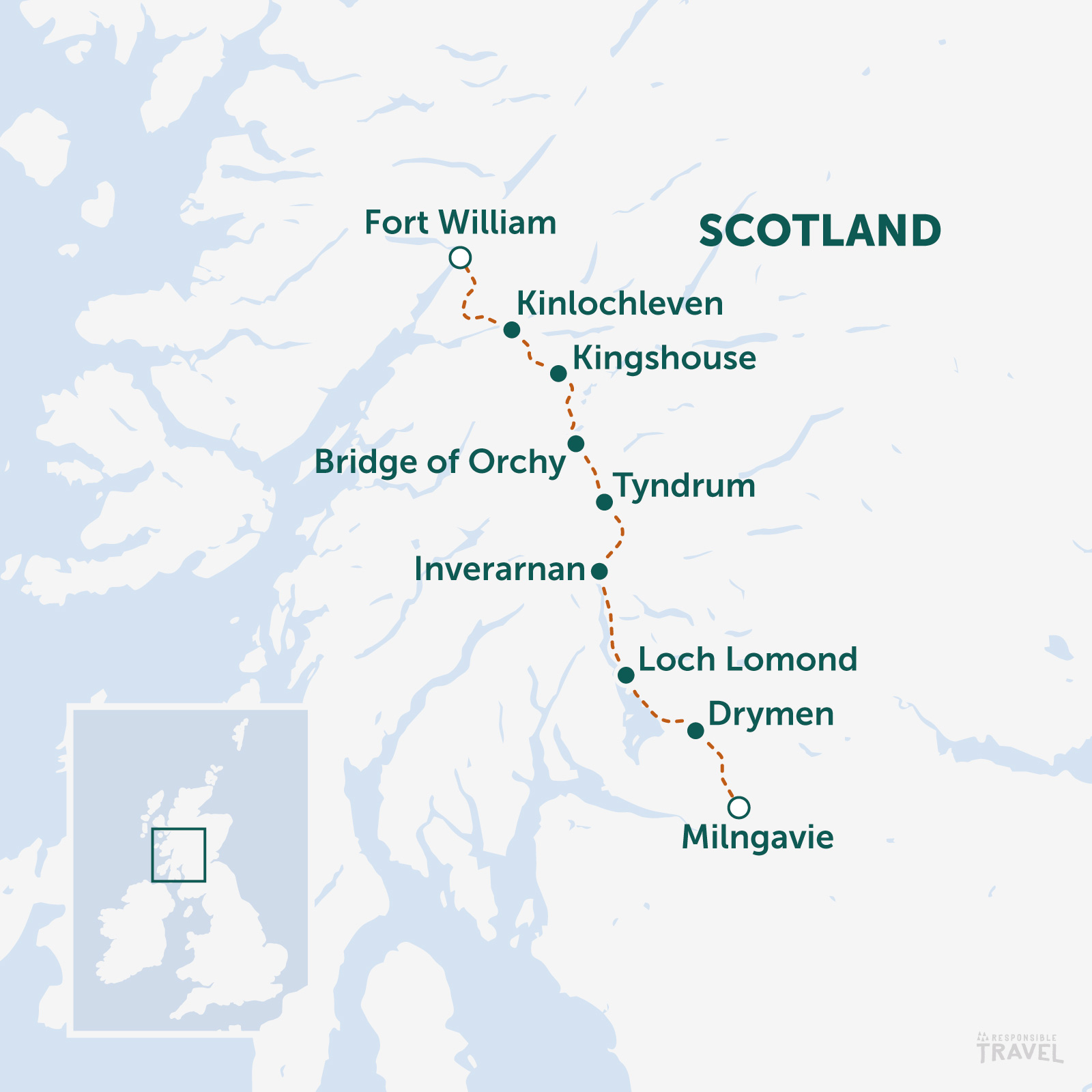
West Highland Way Map
How long is the West Highland Way?
The West Highland Way is 154km long in total, and on a typical walking holiday you will cover between 20km and 25km each day. Barring the final section between Kinlochleven and Fort William, which is around 25km, most days can be shortened if you prefer.How long does the West Highland Way take?
The West Highland Way typically takes seven to eight days to walk, which allows you to take in your surroundings as you go and not have to set too exhausting a pace. It’s not unknown for experienced walkers to tackle it in four or five days, but that’s a very challenging schedule.
Our holidays give you the option to extend the duration, perhaps adding in a rest day halfway through, or tacking on a night at the end so that you can finish by climbing Ben Nevis, the UK’s highest peak. There is also the option to split the walk in two, allowing you the opportunity to experience these glorious landscapes in different seasons.
Our holidays give you the option to extend the duration, perhaps adding in a rest day halfway through, or tacking on a night at the end so that you can finish by climbing Ben Nevis, the UK’s highest peak. There is also the option to split the walk in two, allowing you the opportunity to experience these glorious landscapes in different seasons.
Self guided or small group walking?
Most of our West Highland Way holidays are self guided. That means you can go whenever you like and there is the freedom to adapt the itinerary a little, as well as to have more luxurious accommodation if you prefer.
We do have some small group holidays, include one that has some women-only departures. The advantage to our group holidays is that you have a brilliant local guide with you, providing a fascinating running commentary on the flora and fauna of the region, and the historical significance of the glens, mountain peaks and tumbledown cottages that you pass.
We do have some small group holidays, include one that has some women-only departures. The advantage to our group holidays is that you have a brilliant local guide with you, providing a fascinating running commentary on the flora and fauna of the region, and the historical significance of the glens, mountain peaks and tumbledown cottages that you pass.
When to go
The West Highland Way is an iconic and very accessible route, so it does get busy, especially in May and September. Our holidays go from March to October, so you can enjoy a quieter walk and the local economy benefits from tourism for longer. “I really like March and April,” says Gregor. “The lambs are out, flowers blooming, it’s springtime. If you're lucky with the weather, it can be marvellous. Scottish weather has a bad reputation, but in spring you often get showers and blue skies, which feel rewarding. It's quieter than summer, and summer can be too hot. Autumn is beautiful too—there are pros and cons to all seasons.
If you are planning a trip between May and September, you should consider booking at least six months in advance. While there is plenty of accommodation along the West Highland Way, you’re walking mostly through small communities and those who book early get more choice.
If you are planning a trip between May and September, you should consider booking at least six months in advance. While there is plenty of accommodation along the West Highland Way, you’re walking mostly through small communities and those who book early get more choice.
How fit do I need to be?
The West Highland Way is very achievable even if you’re not a regular walker, but there are some hard days in there. The most important thing is to take good care of your feet. Wear waterproof footwear with ankle support that has already been broken in, bring plasters and take opportunities to rest up as they come along.
“The path is really well maintained,” advises Gregor, who has walked the route himself several times. “There are no technical features, no scrambling or anything overly steep, and even the slightly steeper sections are considered fairly accessible.” Across the entire route, you gain more than 3,000m of elevation, but the ascent is quite gradual.
Some sections can also be adapted. For instance, the day’s walk between Drymen and Rowardennan goes through Garadhban Forest, where you can either take an easier walk into the Milton of Buchanan, or a more strenuous climb up Conic Hill, which pays off with some stunning views over Loch Lomond.
“The path is really well maintained,” advises Gregor, who has walked the route himself several times. “There are no technical features, no scrambling or anything overly steep, and even the slightly steeper sections are considered fairly accessible.” Across the entire route, you gain more than 3,000m of elevation, but the ascent is quite gradual.
Some sections can also be adapted. For instance, the day’s walk between Drymen and Rowardennan goes through Garadhban Forest, where you can either take an easier walk into the Milton of Buchanan, or a more strenuous climb up Conic Hill, which pays off with some stunning views over Loch Lomond.
Is the West Highland Way route easy to follow?
The West Highland Way is very well signposted – just follow the thistle badges. On our self-guided walking holidays, we’ll provide you with maps that can be loaded onto your phone along with mobile apps that give detailed route notes and of course the reassurance of 24/7 support should you need it.
Where do we stay?
Wherever possible, our holidays on the West Highland Way stay in locally owned guest houses and small hotels, spreading tourism income through rural areas. Most of the time, if you book early enough, you can stay right on the trail. But if transfers are necessary, we can book these for you. On our tailor made trips, you can also upgrade to more comfortable properties if you wish.
Luggage transfers are a must if you want to get by with only a light load but still be prepared for the changeable Scottish weather. We organise these so you can have the peace of mind that your belongings will be waiting for you at your next hotel every afternoon.
Luggage transfers are a must if you want to get by with only a light load but still be prepared for the changeable Scottish weather. We organise these so you can have the peace of mind that your belongings will be waiting for you at your next hotel every afternoon.
Eating and drinking on the West Highland Way route
Our walking holidays typically only include breakfast, although some guest houses may well provide you with a packed lunch. That frees you up to enjoy the restaurants and pubs along the route, enjoying locally made fare and getting stuck into Scotland’s famed ‘natural larder’.
“There’s plenty of hearty Scottish meals to enjoy like haggis, neeps and tatties, steak pie or a good bowl of porridge,” recommends Gregor. “And there are lots of pubs and inns along the way with great whisky ranges, local beers and ciders. There are breweries near Glencoe. One of our trips includes a distillery tour at Dumgoyne, the southernmost Highland whisky distillery, right on the Highland Fault line—a fantastic experience.”
“There’s plenty of hearty Scottish meals to enjoy like haggis, neeps and tatties, steak pie or a good bowl of porridge,” recommends Gregor. “And there are lots of pubs and inns along the way with great whisky ranges, local beers and ciders. There are breweries near Glencoe. One of our trips includes a distillery tour at Dumgoyne, the southernmost Highland whisky distillery, right on the Highland Fault line—a fantastic experience.”
More Scotland walking articles
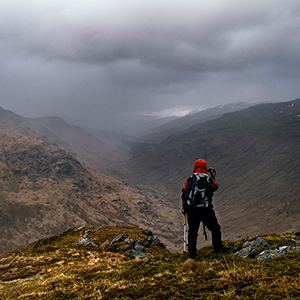
Explore legends like the West Highland Way, plus rare Caledonian forest.
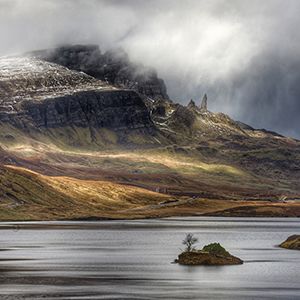
Tackle the West Highland Way, island-hop in the Hebrides, bird watch on Orkney, or hike the Cairngorms in winter.
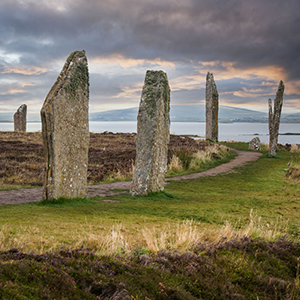
Adventures on the Orkney archipelago and long hikes on the West Highland Way.
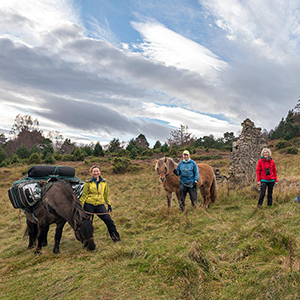
From self guided hikes to glamping with ponies, explore this corner of the Highlands.
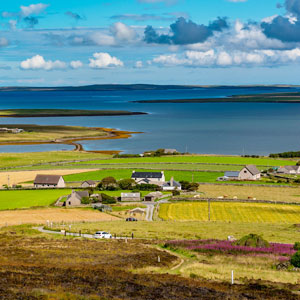
Walking holidays in Orkney impress with their dramatic coastal scenery & ancient sites
Learn about Scotland’s right to roam, how to dig a snow hole, and why summer isn't always best.
There are indeed crystals in them hills – but read on to discover more valuable gems.