Snorkel safaris travel guide

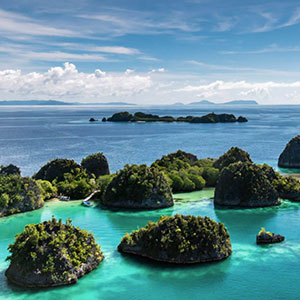
If you’ve never been snorkelling before or if you’ve only donned a mask and flippers offshore from European coastlines, the chance to peer beneath the warm waves where the Indian Ocean meets the Pacific is like nothing else on earth. Southeast Asia’s Coral Triangle is a vast underwater area boasting the most marine biodiversity on our big blue planet. Small group snorkelling safaris here allow you to seek out secret sites by boat or take advantage of abundant house reefs closer to the shore.
Imagine strolling in sunshine surrounded by colourful flowers, birds and animals that you’ve never seen before. That's what it's like to snorkel over the amazing reefs of the Coral Triangle.
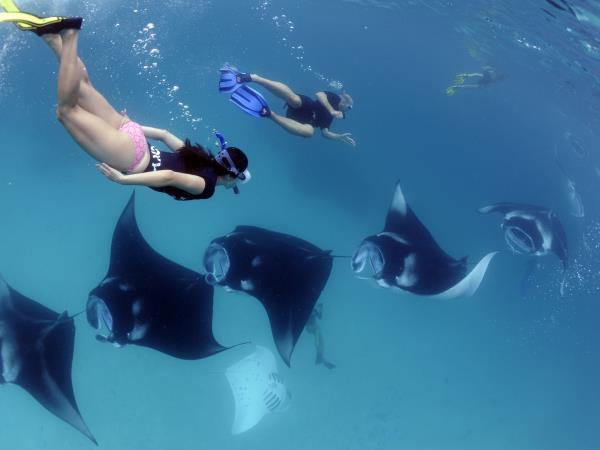
The islands of the Philippines and Indonesia can be found right at the core of the Coral Triangle and are absolutely exceptional for snorkelling. From swirling clouds of sardines and swaying fields of sea grass, to manta rays, sea turtles and untold species of reef fish; snorkel safari holidays place you in a series of surreal environments in the safest and most sustainable underwater experience imaginable. Find out more in our snorkelling safaris travel guide.

WHAT DOES A SNORKEL SAFARI ENTAIL?

A snorkel safari holiday is designed specifically for snorkellers, rather than joining a dive group and having to compromise on unsuitable sites that are way too deep. Small groups will have exclusive access to a boat which means departure times, onboard facilities and accompanying guides are solely centred on snorkelling. Knowing where to snorkel is incredibly important which is why local knowledge plays a large part of the overall experience.

Snorkel safari holidays include daily boat trips, usually no longer than 20 minutes, so you can escape to untouched and uninhabited islets and tropical islands where marine biodiversity is at its most abundant. When you’re not on the boat you’ll be based at small eco-resorts with unlimited access to ‘house reefs’ which also offer untold underwater adventures, close to the shore. Beginners are welcome as safety instructions and snorkelling apparatus will all be explained before you get started. Some level of experience will no doubt be an advantage but that’s the beauty of snorkelling, as opposed to diving; as soon as you get in the water, you’re good to go.

Small group or tailor made?

Joining a small group is a great way to get to know a few new faces as well as sharing experiences either underwater or back on the boat. You’ll snorkel together by day and socialise by night as well as having opportunities to explore and relax on dry land as part of an organised, two-week itinerary. Group trips also include a tour leader escort for the duration of the holiday. This can be really important for building confidence as well as allowing you to learn more about life on remote islands. Solo snorkellers will enjoy the chance to join a group as it gives them the confidence to explore underwater with a buddy, safe in the knowledge that a guide on the boat has their back. Single room supplements may be available, although accommodation is small with limited space so sharing a room with someone of the same sex is often the most appropriate – and economical – option.
Tailor made snorkelling safaris also include joining a small group onboard a private boat – perhaps different people each day. The main difference is that tailor made tours don’t guarantee an exclusive snorkelling boat, so you may be with divers. You won’t have a dedicated group leader; however, you do have the freedom to choose your own departure dates, pretty much all year round.

Boat or beach based?

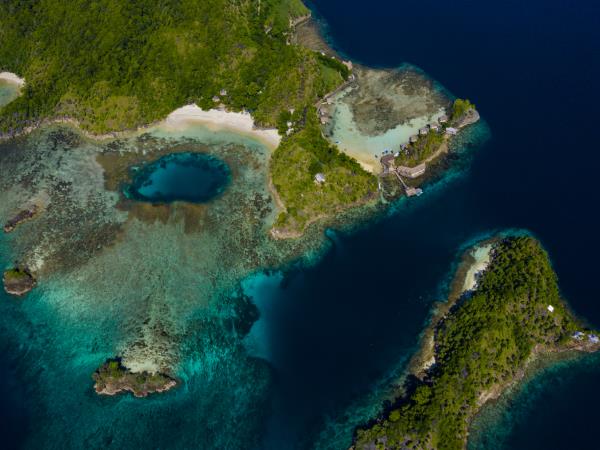
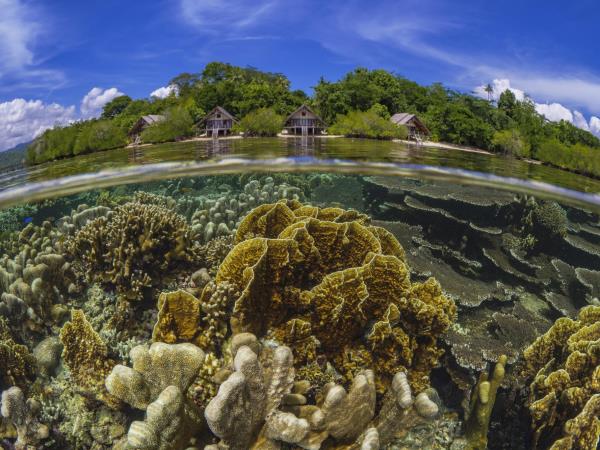
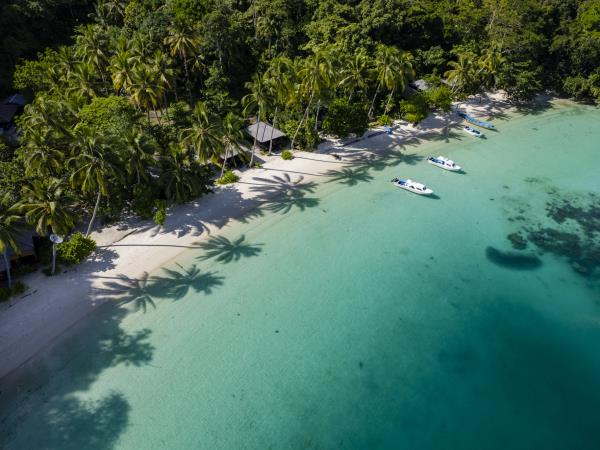
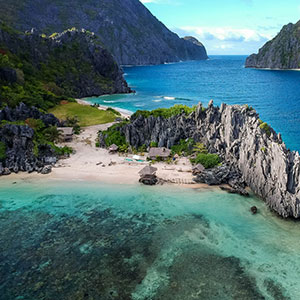
Most of our snorkelling safaris are land-based, with daily boat trips. On land-based holidays you will usually be staying in accommodation close to, or on, the beach. Depending on where you go, you might stay on different islands as part of a two-week itinerary giving you a chance to explore a variety of underwater and land environments, including house reefs, right off the beach. Beach resorts and eco-lodges not only provide instant access to the ocean but also benefit island communities as many residents are employed as staff. As accommodation is situated on fairly remote and out of the way locations – Sulawesi Island in Indonesia or the Visayas Islands in the Philippines, for example – the snorkel safari holidays that we offer are on a full board basis.

We also have boat-based snorkel safaris, particularly in the Maldives, where you will stay on the boat for the duration of your holiday. This is obviously very convenient in the respect that you’re right where you want to be every morning, and the boat can move between snorkel sites easily. But obviously you do need to be comfortable with spending a week or more in a confined space with the rest of your group. Boats are comfortable, however, with en suite cabins likely. And having breakfast on deck every sunny morning is a pretty unbeatable experience. You may also moor up in bays that allow you to spend time on islands. Our snorkel cruise holidays will often have a conservation focus.

What will I see?

Southeast Asia’s Coral Triangle is the most biodiverse marine environment on earth, so you can expect to see an inordinate amount of small tropical reef fish and plenty of larger predators to match. This incredible underwater area encompasses six countries, including the Philippines, Indonesia and Papua New Guinea, and covers more than five million square kilometres where the Indian Ocean meets the Pacific.

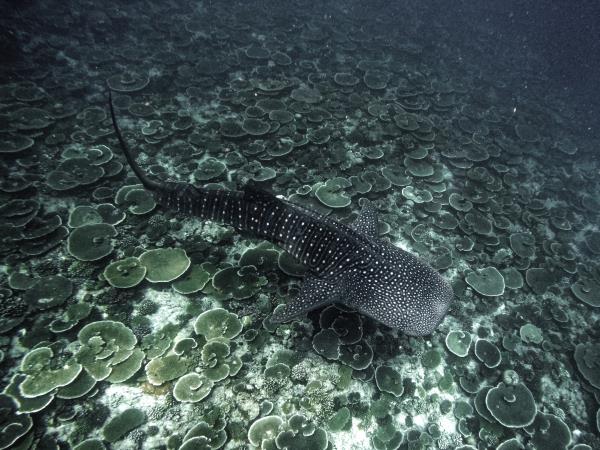
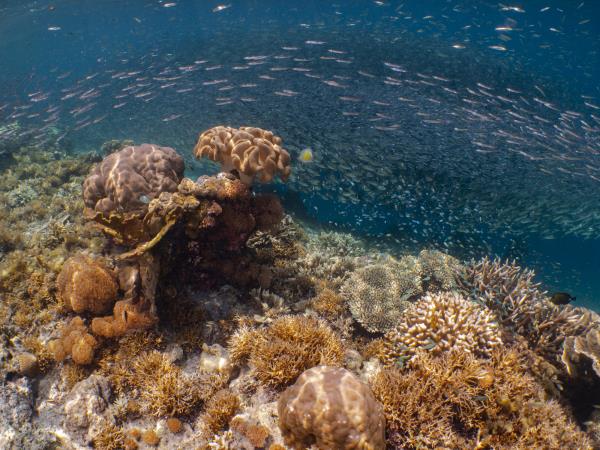
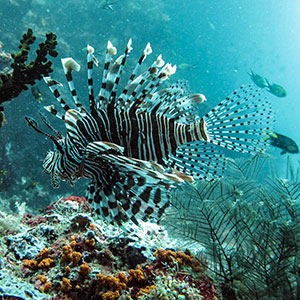
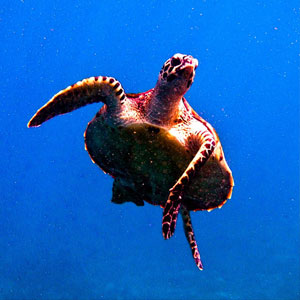
There are sturgeon, emperor, parrot, clown, angel and archer fish as well as swirling clouds of silver sardines. Look out ofr white-tipped reef sharks, wobbegong sharks, barracudas, trevallies, groupers, manta rays, sea snakes, lion fish, nudibranchs, frog fish, lobsters, squid and octopus. Hawksbill and green turtles, stingless, golden and moon jellyfish, blue star fish, can all be found within abundant hard and soft coral gardens where mushroom, brain, table, staghorn and giant gorgonians thrive alongside sea ferns, anemones, sponges and fields of luscious, swaying sea grass.

Contact Us

Responsible Travel, Travel Team

Call us for a chat about our holidays. We are happy to discuss your holiday and help in any way we can. No bots, queues or awful hold music.

Responsible Travel, Travel Team

BEST TIME TO GO ON A SNORKEL SAFARI

The best time to go snorkelling around the islands inside Southeast Asia’s Coral Triangle is outside of the rainy seasons, when the sea conditions is both calmer and clearer.
Typical of a tropical region, Southeast Asia’s Coral Triangle is hot all year round with local wet and dry seasons defining the best time to go on a snorkel safari holiday. If you’re snorkelling in the Philippines the best time to go is in between Nov-June; while the waters Indonesia are, in general, calm and clear from Mar-Nov. However, Indonesia’s easternmost Raja Ampat archipelago bucks the trend; the best time to snorkel here is from Sep-Apr. Read more about the best time to go snorkelling in the Coral Triangle below.

WHEN TO GO TO THE CORAL TRIANGLE

Raja Ampat

Although considered a year-round destination as there’s not really a distinct dry or wet season, the best time to snorkel in Raja Ampat is September to April. This is when seas are calm and clear especially in November, December, January and February. Winds do tend to pick up during June, July and August which is why this is low season for snorkelling. Find out more about the best time to visit Raja Ampat.

Philippines

March, April and May are the best months to go snorkelling in the Philippines as water clarity and calmness are close to perfection. It’s dry and sunny, too, with anytime from November to June ideal for snorkel safaris. Outside of the Philippines’ summer is monsoon season where winds and wet weather can whip up waves and hinder visibility from June to September.

Komodo National Park

The best time to snorkel in Komodo National Park is March to October. The water is clearest in November, December and January; however, this is mid-way through the rainy season and sometimes the sea can get rough, but not too bad. Manta rays favour Komodo’s wet weather but check with your holiday company as snorkel safaris won’t always run in bad weather. Find out more about the best time to visit Komodo.

North Sulawesi

North Sulawesi is hot all year round with a wet and dry season. The wet season is in November, December and January where a daily deluge can make sea conditions choppier, but nothing a well equipped snorkel boat can’t handle. July and August are the busiest months, so April and May or September and October are the best times to go on a snorkel safari in North Sulawesi.
Written by Chris Owen
Photo credits: [Page banner: Tiomax80] [Intro: Phuket@photographer.net] [What does it entail?: Shengming Lee] [Boat or beach based?: Fabio Achilli] [Best time: jojo nicdao] [Raja Ampat: Max Mossler] [Komodo National Park: Christopher Harriot]