Responsible tribal culture holidays
At its best, tribal culture tourism can be enlightening, intriguing, and mutually beneficial. At its worst, it can be exploitative and inconsiderate, harming the very ways of life that the visitor has come to experience. Below, we explore some of the issues to be aware of on this kind of trip, including how to visit a tribal festival responsibly. We also get to grips with occasionally unpalatable approaches to wildlife, and the thorny issue of land rights when conservation and tourism come up against the wishes of tribes to live and farm on their ancestral lands.
At the heart of our tribal culture tours is balance. The visitor should get a taste of genuine tribal culture, not some tacky rendition of it. And the hosts should get a fair financial reward for their time that is distributed around the entire community, as well as a say in how many people visit and what they do while they’re there. That way, we ensure the welcome is always warm.
At the heart of our tribal culture tours is balance. The visitor should get a taste of genuine tribal culture, not some tacky rendition of it. And the hosts should get a fair financial reward for their time that is distributed around the entire community, as well as a say in how many people visit and what they do while they’re there. That way, we ensure the welcome is always warm.
People & Culture
The tourism effect
Some tribespeople will go their entire lives meeting almost no one outside of their own communities, or communities nearby. Ways of life carry on much as they have done for generations past, with isolation helping to preserve cultural traditions that may have roots that are centuries old.The arrival of tourism can disrupt this continuum, sometimes positively by bringing income and genuine cultural exchange, and sometimes negatively. At its worst, tourism can be exploitative and overbearing, putting strain on tribal communities and perhaps leading to tension. Tourism can influence tribal culture, causing it to change, or to stay the same, when it should be allowed to evolve naturally.
Some hill tribe communities in Thailand have come to resemble ‘human zoos’ where busloads of tourists bearing cameras, curiosity and hard currency arrive daily to watch a dance performance and purchase a few cheap souvenirs. Once they leave, the tribespeople take off their costumes and get on with their daily lives. Apart from a bit of money changing hands, neither visitor nor host has really benefitted.
Responsible tourism is something that tribes participate in, not something they have done to them. It should give them the agency to make decisions for themselves about whether and how their ways of life change.
Our tribal culture holidays are organised by expert tour operators that have spent years developing relationships to ensure that encounters are balanced and respectful. They keep their groups small, sometimes as few as eight people or so, to minimise the impact on the communities, and they consult with tribal elders about how these visits are conducted so that people don’t feel as though they are exhibits. Local guides are often employed to show groups around, and brief travellers on customs and etiquette.
What you can do
Any tour operator offering these experiences should be happy to answer questions, such as will your guide speak the local language? Are the communities you’ll be visiting involved in planning the itinerary? How does the community benefit from your visit? And does the tour operator financially support any community projects?
Tribal festivals
In Nagaland, northeast India, the annual Hornbill Festival is a time for the state’s many tribal groups to come together and celebrate their diverse cultures. It was created by the state government to foster healthy inter-tribal relations and help preserve traditional cultures.
The Goroka Show, held every September in Papua New Guinea, was devised in the 1950s by the Australian then-rulers as a way of reducing internecine conflict and tension between tribes. Today more than 100 tribes attend to show off their traditional dress and take part in sing sing music and dance competitions.
Attending a festival is one of the best ways that you can explore and more deeply understand tribal culture on the tribes’ own terms, especially when that event is not oriented at tourists. Other examples of this include Chad’s Gerewol Festival, when young men dress in all their finery and strut their stuff to try and attract a partner, and Namibia’s Herero Day, commemorating the tribal chiefs who led a revolt against the colonial German army.
Travelling in the company of a local guide can make the difference between simply visiting a festival and feeling as if you’re a part of it. “That sounds like a fascinating speech, but what’s being said, and in which dialect?” “Why are these guys coated in mud, but those guys over there are all wearing colourful feathers?” “And what is the story behind that dance?” Having a guide at your side, perhaps someone who has grown up in this very community, can help you get so much more from the experience. As our traveller Duane Horne said of his Ethiopia holiday, “We were temporary Ethiopians instead of just American tourists.”
What you can do
It’s a sad irony that as tourists our hunger for authentic cultural experiences leads to many of them become artificial, because tribal groups come to feel that certain traditions are what’s expected of them.
Festivals that began relatively recently, say since the early 20th century, were often designed with spectators in mind. The World Nomad Games is an example, held in Central Asia every couple of years. You can also seek out much smaller festivals and events that attract fewer tourists – there are many small tshechus in rural communities around Bhutan, for instance, that don’t get the same crowds as those in Paro or Thimphu.
The best way to enjoy a tribal festival responsibly is to stay as long as you can, spend money generously at stalls, and travel with a local guide. Always be respectful, and if you’re invited to take part in a dance, throw caution to the wind and jump right in.
The Goroka Show, held every September in Papua New Guinea, was devised in the 1950s by the Australian then-rulers as a way of reducing internecine conflict and tension between tribes. Today more than 100 tribes attend to show off their traditional dress and take part in sing sing music and dance competitions.
Attending a festival is one of the best ways that you can explore and more deeply understand tribal culture on the tribes’ own terms, especially when that event is not oriented at tourists. Other examples of this include Chad’s Gerewol Festival, when young men dress in all their finery and strut their stuff to try and attract a partner, and Namibia’s Herero Day, commemorating the tribal chiefs who led a revolt against the colonial German army.
Travelling in the company of a local guide can make the difference between simply visiting a festival and feeling as if you’re a part of it. “That sounds like a fascinating speech, but what’s being said, and in which dialect?” “Why are these guys coated in mud, but those guys over there are all wearing colourful feathers?” “And what is the story behind that dance?” Having a guide at your side, perhaps someone who has grown up in this very community, can help you get so much more from the experience. As our traveller Duane Horne said of his Ethiopia holiday, “We were temporary Ethiopians instead of just American tourists.”
What you can do
It’s a sad irony that as tourists our hunger for authentic cultural experiences leads to many of them become artificial, because tribal groups come to feel that certain traditions are what’s expected of them.
Festivals that began relatively recently, say since the early 20th century, were often designed with spectators in mind. The World Nomad Games is an example, held in Central Asia every couple of years. You can also seek out much smaller festivals and events that attract fewer tourists – there are many small tshechus in rural communities around Bhutan, for instance, that don’t get the same crowds as those in Paro or Thimphu.
The best way to enjoy a tribal festival responsibly is to stay as long as you can, spend money generously at stalls, and travel with a local guide. Always be respectful, and if you’re invited to take part in a dance, throw caution to the wind and jump right in.
Wildlife & Environment
Land rights
The rights of tribal groups to stay on their lands and practise their traditional ways of life are often in conflict with the priorities of governments, national parks, agricultural interests and tourism developments, and when such cases arise, it is typically the tribes that lose the battle. San Bushmen communities have borne the cost of conservation in Namibia and Botswana, losing access to their ancestral grazing and hunting lands. When the Central Kalahari Game Reserve was established, hundreds of Bushmen were forced into resettlement camps that are little more than slums, where alcoholism, drug abuse and unemployment are rife.
In Morocco, tribal and indigenous groups are being dispossessed of their collectively owned lands, much of which is made up of productive agricultural and pastoral territory which is then sold off to public and private organisations. Small scale farming communities on the land are impoverished or forced off it altogether. Where compensation is paid, it is the men of the tribe who benefit. This scandal has given rise to the Soulaliyate women’s movement, which has faced threats and violence over years of demanding an equal share when collectively owned land is sold off.
It's a similar story in Kenya’s Masai Mara, where many Maasai communities have been displaced by their government so that parks and reserves like Amboseli and Samburu could be created. Their semi-nomadic lifestyles threatened by park fences, the Maasai have found a way to survive through private conservancies bordering parks. Maasai communities own this territory and have a say in how it is managed, leasing it out to tourism concerns while they continue to live and farm on the land. San Bushmen communities in Namibia are following suit, and our holidays in both countries let you stay in these conservancies. In doing so, you help support conservation, as well as the continuation of tribal ways of life.
What you can do
If planning an African safari, look for one that spends time in private conservancies. In many instances these are run by and for the benefit of tribal groups. As well as benefitting these communities financially, holidays on conservancies also offer you excellent opportunities to explore Maasai culture more deeply, and to enjoy wildlife watching in settings far less crowded than the big parks.
In Morocco, tribal and indigenous groups are being dispossessed of their collectively owned lands, much of which is made up of productive agricultural and pastoral territory which is then sold off to public and private organisations. Small scale farming communities on the land are impoverished or forced off it altogether. Where compensation is paid, it is the men of the tribe who benefit. This scandal has given rise to the Soulaliyate women’s movement, which has faced threats and violence over years of demanding an equal share when collectively owned land is sold off.
It's a similar story in Kenya’s Masai Mara, where many Maasai communities have been displaced by their government so that parks and reserves like Amboseli and Samburu could be created. Their semi-nomadic lifestyles threatened by park fences, the Maasai have found a way to survive through private conservancies bordering parks. Maasai communities own this territory and have a say in how it is managed, leasing it out to tourism concerns while they continue to live and farm on the land. San Bushmen communities in Namibia are following suit, and our holidays in both countries let you stay in these conservancies. In doing so, you help support conservation, as well as the continuation of tribal ways of life.
What you can do
If planning an African safari, look for one that spends time in private conservancies. In many instances these are run by and for the benefit of tribal groups. As well as benefitting these communities financially, holidays on conservancies also offer you excellent opportunities to explore Maasai culture more deeply, and to enjoy wildlife watching in settings far less crowded than the big parks.
Treatment of animals
Animal rights, whether that be livestock or wildlife, is unfortunately something to which many tribal communities give little consideration. Consequently, when visiting tribal communities, you may sometimes witness unpleasant scenes – particularly around feasting occasions when animals are slaughtered.
Of course, no country in the world has any right to preach when it comes to welfare conditions in the livestock industry or the way we treat nature. Plenty of casual cruelty goes on in abattoirs and factory farms, it’s just that it goes on behind closed doors. At least in tribal communities very little of the animals they slaughter is wasted – there are no supermarkets tossing away boxes of chicken sandwiches because they’re a day out of date in rural Benin.
Fetish markets are found across West Africa where the Vodou religion is practised in countries such as Benin, Togo, Ghana and Nigeria. Fetishes are talismans that are often made from animal parts like skulls, teeth and claws, and practitioners and believers buy their supplies from these markets. You may also see medicinal products, again often made from animals, on sale, as well as animals being ritually killed.
Some of our tribal culture tours do visit fetish markets, and of course we would recommend never purchasing any animal product from one of them, Although the markets are legal, the animals (and animal parts) being sold here may be endangered and could have been poached from the wild. You can find more information about fetish markets in our guide to West Africa.
What you can do
As saddening as it can be to see animals being mistreated, it’s not our place to interfere with tribal ways of life, and to do so risks causing offence. If something seriously concerns you during a visit, bring it up with your guide and your tour operator so that they can discuss it with the tribal leaders in an appropriate way.
If you do choose to visit a fetish market out of curiosity, your tour operator should ensure beforehand that you are prepared for some unsavoury sights. Do consider carefully whether you really need to visit. While these markets may serve traditional cultural practises, the presence of tourists can encourage some traders to display ever more grotesque exhibits because they perceive an interest for shocking photos.
Of course, no country in the world has any right to preach when it comes to welfare conditions in the livestock industry or the way we treat nature. Plenty of casual cruelty goes on in abattoirs and factory farms, it’s just that it goes on behind closed doors. At least in tribal communities very little of the animals they slaughter is wasted – there are no supermarkets tossing away boxes of chicken sandwiches because they’re a day out of date in rural Benin.
Fetish markets are found across West Africa where the Vodou religion is practised in countries such as Benin, Togo, Ghana and Nigeria. Fetishes are talismans that are often made from animal parts like skulls, teeth and claws, and practitioners and believers buy their supplies from these markets. You may also see medicinal products, again often made from animals, on sale, as well as animals being ritually killed.
Some of our tribal culture tours do visit fetish markets, and of course we would recommend never purchasing any animal product from one of them, Although the markets are legal, the animals (and animal parts) being sold here may be endangered and could have been poached from the wild. You can find more information about fetish markets in our guide to West Africa.
What you can do
As saddening as it can be to see animals being mistreated, it’s not our place to interfere with tribal ways of life, and to do so risks causing offence. If something seriously concerns you during a visit, bring it up with your guide and your tour operator so that they can discuss it with the tribal leaders in an appropriate way.
If you do choose to visit a fetish market out of curiosity, your tour operator should ensure beforehand that you are prepared for some unsavoury sights. Do consider carefully whether you really need to visit. While these markets may serve traditional cultural practises, the presence of tourists can encourage some traders to display ever more grotesque exhibits because they perceive an interest for shocking photos.
More Tribal cultures articles
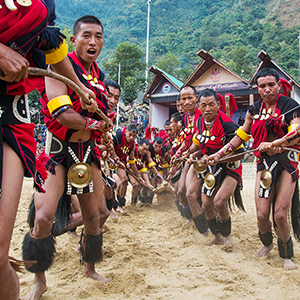
Respectful and authentic encounters that ensure you get a warm welcome.
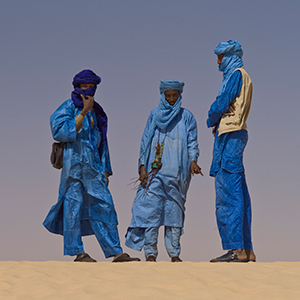
Our favourite encounters with tribal groups in Africa and why they’re special.
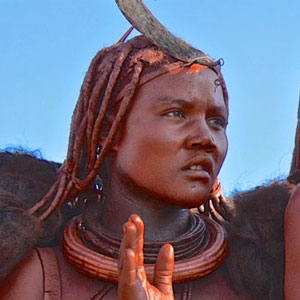
Meeting and learning about local tribal groups is a privilege that demands a responsible and sensitive approach.
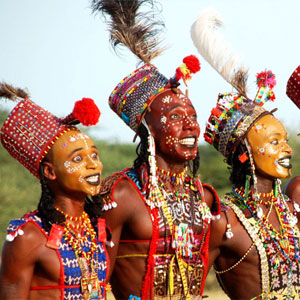
The ancient Gerewol festival is an extraordinary spectacle cultural event to which you can bear witness as a rare visitor.
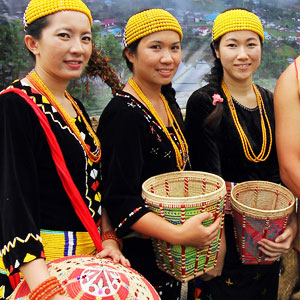
The culture and heritage of the Lun Bawang people is at the core of Sarawak community tourism.
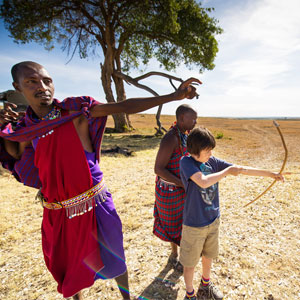
From village visits to a stay at a Maasai-run camp, there are plenty of ways to get close to these landscape custodians.
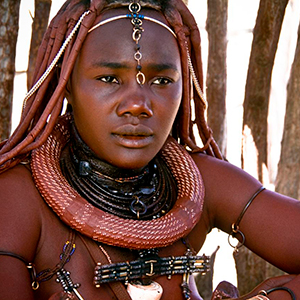
A holiday to Namibia shouldn’t just be about desert landscapes and Big Five safaris. Tribal culture is fascinating.
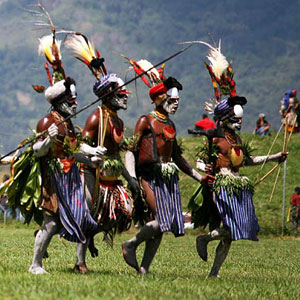
PNG is home to around 750 tribes, each with its own distinct beliefs and customs.
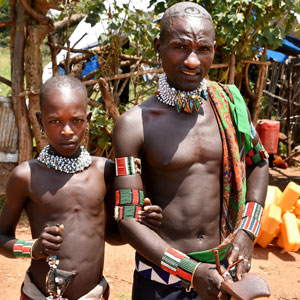
The cultural diversity is astounding, but tourists must tread lightly and with respect.
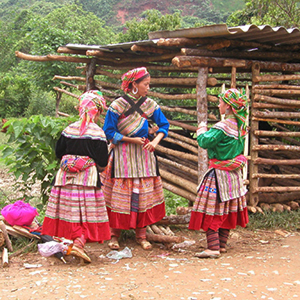
Our hill tribe trekking tours encourage travellers to interact with villagers, on their level.
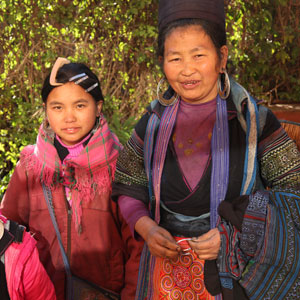
Away from the cities, life in the tribal villages flows, as it always has, without the trappings of the modern world.
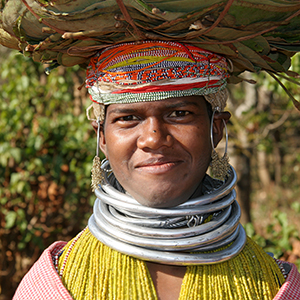
Experience India alongside some of its tribal cultures on our holidays.






.jpg)