India tribal tourism

That’s something that’s really inspired me personally – people who have now done bachelor’s and master’s degrees in their own tribal languages.![]()

Which country has the most tribal people? It’s not in Africa or around the Amazon but India. It has over 700 scheduled (and therefore protected) tribes and 104 million tribal people, comprising around nine percent of the population.
Northeast India contains some 20 percent of the country’s tribal population and many groups are also found in the so-called central tribal belt that stretches from Rajasthan to West Bengal. Many of our cultural holidays present opportunities to meet and interact with tribal people: trying their food, participating in their festivals, even staying in their homes: and providing economic support whilst doing so.
Like many First Nations people around the world, there are tribal communities in India struggling with poverty, unemployment and debt. Communities have lost their land, or been moved out of forests with the creation of national parks. Data shows that Indigenous peoples experience poorer health than other groups. The Scheduled Tribes Act is intended to protect communities who are also given forms of support, such as free rice. Yet in the last decades, the Indian government’s sustained Hindu Nationalism threatens the identities of communities who do not speak in recognised languages, worship recognised religions or carry formal identity documents.
Northeast India contains some 20 percent of the country’s tribal population and many groups are also found in the so-called central tribal belt that stretches from Rajasthan to West Bengal. Many of our cultural holidays present opportunities to meet and interact with tribal people: trying their food, participating in their festivals, even staying in their homes: and providing economic support whilst doing so.
Like many First Nations people around the world, there are tribal communities in India struggling with poverty, unemployment and debt. Communities have lost their land, or been moved out of forests with the creation of national parks. Data shows that Indigenous peoples experience poorer health than other groups. The Scheduled Tribes Act is intended to protect communities who are also given forms of support, such as free rice. Yet in the last decades, the Indian government’s sustained Hindu Nationalism threatens the identities of communities who do not speak in recognised languages, worship recognised religions or carry formal identity documents.

Holidays among India’s tribal communities
Tribal tourism – ranging from one-night homestays and workshops, to visiting huge celebrations like the Hornbill Festival in Nagaland – creates employment opportunities within communities. It also provides an incentive to conserve elements of the culture.
On my last Responsible Travel holiday in India I spent time cycling between Gond and Baiga tribal villages around the outskirts of Kanha National Park in Madya Pradesh. It meant we could combine community experiences with safari. We’d visit a farming initiative to pick mangoes from the trees, then sit in a cosy craft cooperative, making our own tiger-themed souvenirs – before heading out in the jeep in hope of seeing the real thing. It was a way of supporting marginalised groups who had been moved out of the reserves, but it also enhanced our experience of the area, knowing about the lives of those who lived alongside the tigers.
On my last Responsible Travel holiday in India I spent time cycling between Gond and Baiga tribal villages around the outskirts of Kanha National Park in Madya Pradesh. It meant we could combine community experiences with safari. We’d visit a farming initiative to pick mangoes from the trees, then sit in a cosy craft cooperative, making our own tiger-themed souvenirs – before heading out in the jeep in hope of seeing the real thing. It was a way of supporting marginalised groups who had been moved out of the reserves, but it also enhanced our experience of the area, knowing about the lives of those who lived alongside the tigers.
The language of tribal tourism
“A young man brought over the diary of his grandmother. It contained songs and poetry written over 50 years ago in a different script. He was able to sing from it for us. We asked, ‘How do you know this?’ He said, ‘I’m studying it in the nearby college.’”
Gaurav Bhan Bhatnagar is the director and founder of our partner The Folk Tales. Their holidays take travellers on immersive journeys through India and often involve meeting or staying with tribal communities. He notes that governments have started rolling out degrees in tribal languages – “Why would someone do that? Only when someone has an opportunity to work in that language would they study it.” Tribal tourism provides an economic reason to protect the language. Beyond India’s 22 officially recognised languages there are over 1,500 others. Gaurav sees the shift in how tribes’ languages are perceived as a positive sign that their cultures can be preserved.
Tourism opens these tribal cultures up to a much wider audience. “When someone from another culture comes in and appreciates our own, then we see the value in it,” says Gaurav. “We see younger generations returning because they know that somebody from the UK or US has travelled thousands of miles to visit. They realise they have something special in their culture.”
Gaurav Bhan Bhatnagar is the director and founder of our partner The Folk Tales. Their holidays take travellers on immersive journeys through India and often involve meeting or staying with tribal communities. He notes that governments have started rolling out degrees in tribal languages – “Why would someone do that? Only when someone has an opportunity to work in that language would they study it.” Tribal tourism provides an economic reason to protect the language. Beyond India’s 22 officially recognised languages there are over 1,500 others. Gaurav sees the shift in how tribes’ languages are perceived as a positive sign that their cultures can be preserved.
Tourism opens these tribal cultures up to a much wider audience. “When someone from another culture comes in and appreciates our own, then we see the value in it,” says Gaurav. “We see younger generations returning because they know that somebody from the UK or US has travelled thousands of miles to visit. They realise they have something special in their culture.”
Some tribes call themselves Adivasi – ‘ancient inhabitants’![]()
Holidays protecting Indian tribal communities
“Our town is burgeoning – as is the population of India – but there isn’t a single shop that is owned by tribal communities.”
Phillida Purvis MBE co-founded the PLENTI project in the Nilgiri Hills – mountains on the borders of Tamil Nadu, Karnataka and Kerala. The project supports disadvantaged communities in the area, inviting travellers to participate in volunteering projects. Tribal peoples in the area include the Kurumba, Paniya and Kattunickan people.
Many tribal people were originally forest-dwelling and subsisted on honey gathering, foraging and hunting, but now have to find work in other areas like tea picking. “The tribal communities end up doing jobs that are totally alien to their culture and not dignified,” explains Phillida. Volunteer organisations like the PLENTI project exist to give these communities appropriate support, and travellers can also stay in a community-owned guest house built by Phillida and her team on wildlife holidays in the Nilgiri Hills. Past volunteers have worked on everything from sharing IT skills to develop funding models, medical training for hospital staff and even genetically sequencing the genomes of the tribal community, a process that can help to understand health risks and tailor medical needs.
Phillida Purvis MBE co-founded the PLENTI project in the Nilgiri Hills – mountains on the borders of Tamil Nadu, Karnataka and Kerala. The project supports disadvantaged communities in the area, inviting travellers to participate in volunteering projects. Tribal peoples in the area include the Kurumba, Paniya and Kattunickan people.
Many tribal people were originally forest-dwelling and subsisted on honey gathering, foraging and hunting, but now have to find work in other areas like tea picking. “The tribal communities end up doing jobs that are totally alien to their culture and not dignified,” explains Phillida. Volunteer organisations like the PLENTI project exist to give these communities appropriate support, and travellers can also stay in a community-owned guest house built by Phillida and her team on wildlife holidays in the Nilgiri Hills. Past volunteers have worked on everything from sharing IT skills to develop funding models, medical training for hospital staff and even genetically sequencing the genomes of the tribal community, a process that can help to understand health risks and tailor medical needs.
Tourism in tribal areas
Displaced and impoverished groups are often not in a position to establish stable livelihoods, so outside interest can help raise their profile. However, Indian tribal tourism isn’t just about supporting society’s poorest. Many tribal groups are thriving.
Tribal communities might have lost old traditions, but some have found successful new livelihoods: the Padiyar community, former tiger hunters of Rajasthan, are now block printers – and visitors can learn about their lives as hunters and now as creators. The Konyak people of Nagaland had a strong warrior tradition and were formerly head-hunters but now live peacefully alongside other tribal groups.
On our tribal holidays in India, you can be inspired by unfamiliar ways of life – like the schooling system known as gotul, practised by the Muria Gond tribe in North Bastar, Chhattisgarh, where young people live in shared mixed dormitories without adult influence. Learn unique ways of fishing and how to escape monsoon waters from the Mishing communities in Assam or learn to communicate through the art of embroidery with nomadic Mir communities in Gujarat. Discover foods that might be new to you: new ways to brew alcohol from flowers and create snacks from red ants (the famous chapda chutney of Chhattisgarh) or learn about unique diets – like the dairy diet of the Toda people in the Nilgiri Hills.
From tribal communities you’ll learn about matrilineal societies – the Khasis and Limbus are some of the few groups where women control property. You will meet tribal communities who have been living sustainably alongside nature since long before it was fashionable. These include the Bishnoi tribe, ‘India’s original eco warriors’, who won’t cut down trees even for funeral pyres and instead bury their dead. You’ll also get a window into more collectivist cultures, ones where a whole community downs tools to mark a wedding or a funeral, and communities which run counter to most economic systems, by finishing work when their work is done.
Tribal communities might have lost old traditions, but some have found successful new livelihoods: the Padiyar community, former tiger hunters of Rajasthan, are now block printers – and visitors can learn about their lives as hunters and now as creators. The Konyak people of Nagaland had a strong warrior tradition and were formerly head-hunters but now live peacefully alongside other tribal groups.
On our tribal holidays in India, you can be inspired by unfamiliar ways of life – like the schooling system known as gotul, practised by the Muria Gond tribe in North Bastar, Chhattisgarh, where young people live in shared mixed dormitories without adult influence. Learn unique ways of fishing and how to escape monsoon waters from the Mishing communities in Assam or learn to communicate through the art of embroidery with nomadic Mir communities in Gujarat. Discover foods that might be new to you: new ways to brew alcohol from flowers and create snacks from red ants (the famous chapda chutney of Chhattisgarh) or learn about unique diets – like the dairy diet of the Toda people in the Nilgiri Hills.
From tribal communities you’ll learn about matrilineal societies – the Khasis and Limbus are some of the few groups where women control property. You will meet tribal communities who have been living sustainably alongside nature since long before it was fashionable. These include the Bishnoi tribe, ‘India’s original eco warriors’, who won’t cut down trees even for funeral pyres and instead bury their dead. You’ll also get a window into more collectivist cultures, ones where a whole community downs tools to mark a wedding or a funeral, and communities which run counter to most economic systems, by finishing work when their work is done.
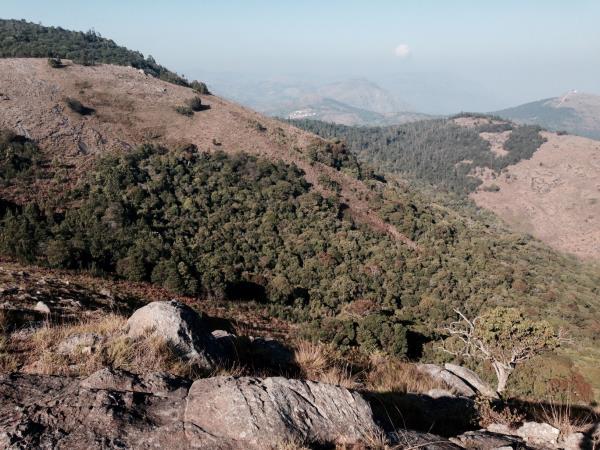
Ayurvedic cooking holiday in Southern India
Living Jainism, Indian culinary discovery & Ayurvedic cuisine
From
£1900 to £2100
10 days
ex flights
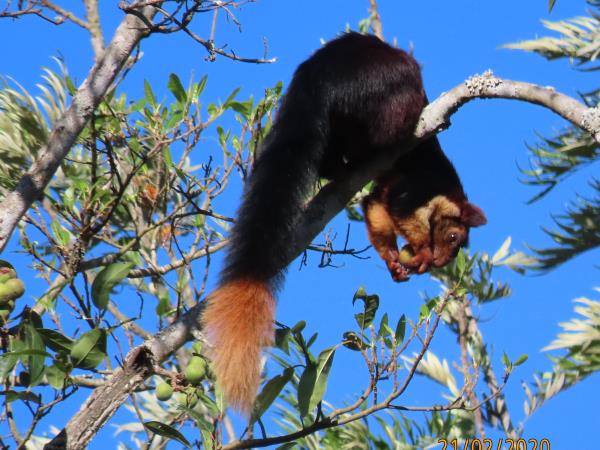
Nilgiri Hills nature and indigenous culture holiday, India
Off the beaten track in stunning Western Ghats
From
£1750 to £2300
14 days
ex flights
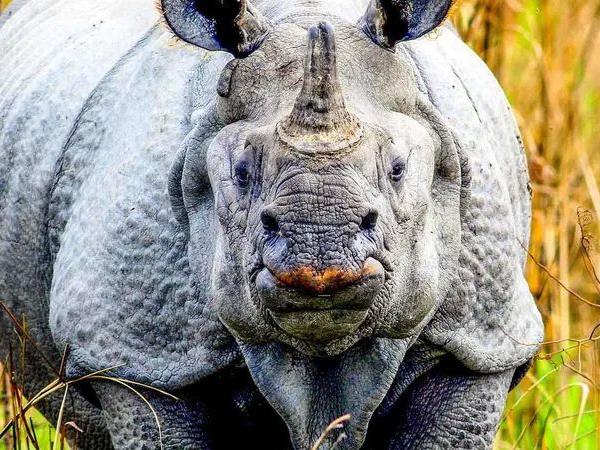
North East India tailor made holiday
India's remote northeast culture, wildlife, tea & adventure
From
£4325
14 days
ex flights
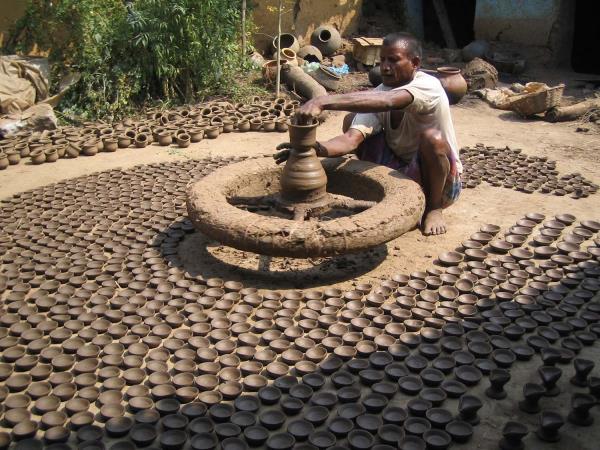
Central India holiday, journey through Chhattisgarh
Chhattisgarh’s best of wildlife and tribal culture.
From
Rupee250000
14 days
ex flights
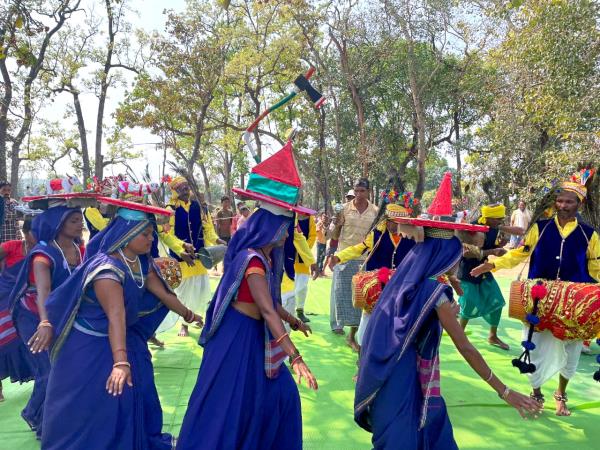
India village holiday, forest and fables
Village life, folk tales,temples- Madhya Pradesh, Chhattisgarh
From
£1047 to £1424
9 days
ex flights
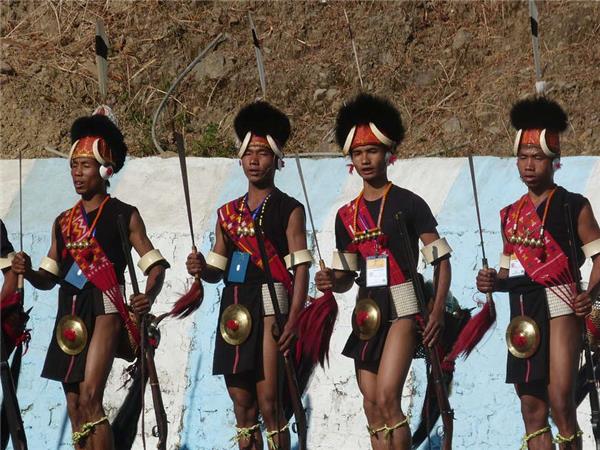
Highlights of Assam and Nagaland holiday
Discover fascinating picture of remote tribal cultures
From
£2680 to £3315
17 days
ex flights


Contact Us
Call us for a chat about our holidays. We are happy to discuss your holiday and help in any way we can. No bots, queues or awful hold music.

01273 823 700
Call us after 10am
Calling from outside the UK

How to experience tribal cultures in India on holiday
Cultural holidays
Northeast India is a popular destination for cultural tours as you can visit a huge number of very different tribes living in a small area that can be covered on a 12-day cultural rural tour. You might not expect to see much tribal culture in cities, but the city of Shillong, Meghalaya, is an exception: people from neighbouring villages converge on the city to trade, wearing their traditional dress – a great opportunity to see different groups all at once.
Photography holidays
Festivals can be wonderful opportunities to photograph people who have dressed up expecting attention. Head to India’s northeastern states for the Hornbill Festival, or for a photography tour in Assam and Nagaland, to see Konyaks celebrating Aoleang Monyu, their spring festival. You will be able to photograph tattooed tribespeople dressed in their impressive headdresses of hornbill feathers and boar tusks. In Ladakh, you might photograph Changpa nomads – our Ladakh photography tour is timed to align with Korzok Gustor, the ‘nomad’s own festival’, where livestock are led to the monastery to be blessed.
Wildlife holidays
Many formerly forest-dwelling tribal people have been displaced from national parks and now live on their fringes. In Chhattisgarh and Madhya Pradesh you can interact with Gond, Baiga, Korku and Pandu Tribes in between tiger safaris in the area’s many national parks. On India village holidays you can embark on forest and nature walks and meet tribal people walking cross country to weekly haats (markets) as you cycle from village to village.
Community-based tourism
“We stayed in village homestays run by local people, had local guides, and shared meals prepared by local families,” says our traveller Harriet Sanderson, who went on our Odisha and Bastar cultural tour of India. “All our hosts give back in meaningful ways, such as supporting tribal communities to preserve their crafts, funding education and schools, and creating local jobs.”
Community-based tourism can directly help tribal communities, because they often own, or entirely benefit from the tourism project and dictate the tourism experience.
Community-based tourism can directly help tribal communities, because they often own, or entirely benefit from the tourism project and dictate the tourism experience.
Volunteering holidays
Our volunteering holidays are led by what the communities themselves want from visitors. “We’re not there painting schools. We’re trying to give value-added support – to needs that they have identified in their organisation,” explains Phillida. “Our project is self-owned by the tribal communities and entirely geared towards their benefit. We’re not paying lip service – it is their project and we’re just trying to facilitate things they couldn’t readily do themselves: connect to the outside world, fundraise, promote their projects externally.”
Responsible tribal tourism in India
Many of the homestays respect local customs by using buckets rather than showers, which not only conserves precious water but also honours the way villagers live.![]()
– Traveller Harriet Sanderson, who went on our Odisha and Bastar cultural tour of India.
Sometimes, tribal communities and responsible travellers are aligned – they both might be interested in conservation of natural landscapes, of observing and preserving traditions. But sometimes travellers want photos, or souvenirs, or interactions which communities are not comfortable giving. Yet they may not feel empowered to say no.
We cannot always tell for ourselves what is acceptable for our hosts until it is too late. I’ve sat down in a village meeting, only to be told a woman was talking about how her child didn’t have enough to eat. I realised that I had no business being there, and that I should leave.
The trusted tour operators we work with are in constant dialogue with the communities they visit. “I am very happy that we know all the people who work with us personally – even if we don’t meet them every day because of the size of the county,” says Gaurav. “They know who I am, we can trust them, you can trust us – we can leave you in their hands.”
Visitors may be surprised when tribal people are not employed in the tourism industry, or question why they do not have a tribal guide. Some tribes do not want to work in the tourism industry. Some are particularly community-focused, meaning that their tribe comes first, making it difficult to follow a regular work pattern.
We cannot always tell for ourselves what is acceptable for our hosts until it is too late. I’ve sat down in a village meeting, only to be told a woman was talking about how her child didn’t have enough to eat. I realised that I had no business being there, and that I should leave.
The trusted tour operators we work with are in constant dialogue with the communities they visit. “I am very happy that we know all the people who work with us personally – even if we don’t meet them every day because of the size of the county,” says Gaurav. “They know who I am, we can trust them, you can trust us – we can leave you in their hands.”
Visitors may be surprised when tribal people are not employed in the tourism industry, or question why they do not have a tribal guide. Some tribes do not want to work in the tourism industry. Some are particularly community-focused, meaning that their tribe comes first, making it difficult to follow a regular work pattern.
Tribal villages – when to visit
To prevent tourism encroaching on tribal spaces, some of our tours interact with tribal culture in more formal settings – going to a museum rather than a village, for instance – such as the Don Bosco Centre for Indigenous Cultures in Shillong, Meghalaya, or the Herbal Medicine Centre run by the Forest Department in Keonchi, Chhattisgarh. Managed settings might include staying in a village guest house administered by a village tourism committee, or visiting a craft cooperative, rather than someone’s home. The PLENTI project is run from a guest house outside of the tribal village and volunteers only visit the village if invited.
Our partner Chinkara Journeys argues for visiting certain communities in their villages to see tribal dancing; this way, the performers are in a familiar environment, rather than having to come to an unfamiliar hotel.
If you do visit a village, expect to go along with local customs; you might enjoy an oxcart ride in the village before settling in to help cook. “Many of the homestays respect local customs by using buckets rather than showers,” says our traveller Harriet. “Which not only conserves precious water but also honours the way villagers live.” In our tours of Northeast India, you are encouraged to approach the villages on foot, rather than driving, reducing noise and air pollution, and respecting their way of life.
When I was cycling in Madya Pradesh, I found myself on a dirt track road, cycling alongside an elderly gentleman. Not speaking each other’s language, we eventually deduced that we were both en route to the same tribal market, one town over. I’ll never forget the laughter when we realised we had the same purpose. He sped ahead of me and my group; we followed on behind. Knowing that we shared the same goal bridged some of the cultural divide between us. The best of our tribal holidays in India endeavour to do the same.
Our partner Chinkara Journeys argues for visiting certain communities in their villages to see tribal dancing; this way, the performers are in a familiar environment, rather than having to come to an unfamiliar hotel.
If you do visit a village, expect to go along with local customs; you might enjoy an oxcart ride in the village before settling in to help cook. “Many of the homestays respect local customs by using buckets rather than showers,” says our traveller Harriet. “Which not only conserves precious water but also honours the way villagers live.” In our tours of Northeast India, you are encouraged to approach the villages on foot, rather than driving, reducing noise and air pollution, and respecting their way of life.
When I was cycling in Madya Pradesh, I found myself on a dirt track road, cycling alongside an elderly gentleman. Not speaking each other’s language, we eventually deduced that we were both en route to the same tribal market, one town over. I’ll never forget the laughter when we realised we had the same purpose. He sped ahead of me and my group; we followed on behind. Knowing that we shared the same goal bridged some of the cultural divide between us. The best of our tribal holidays in India endeavour to do the same.
More Tribal cultures articles
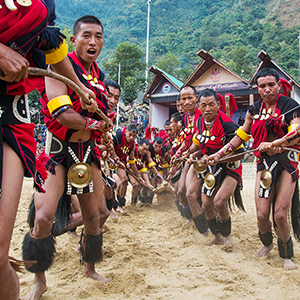
Respectful and authentic encounters that ensure you get a warm welcome.
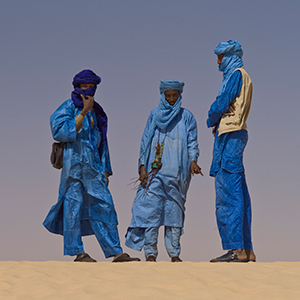
Our favourite encounters with tribal groups in Africa and why they’re special.
We explain how to be a respectful guest, rather than an unwelcome pest.
Meeting and learning about local tribal groups is a privilege that demands a responsible and sensitive approach.
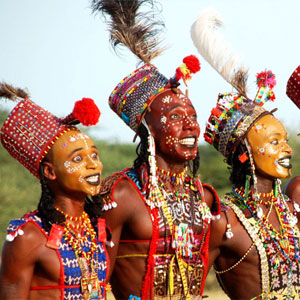
The ancient Gerewol festival is an extraordinary spectacle cultural event to which you can bear witness as a rare visitor.
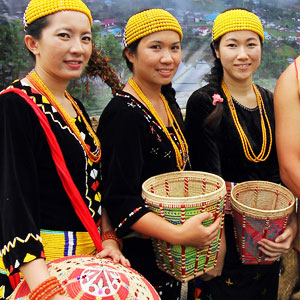
The culture and heritage of the Lun Bawang people is at the core of Sarawak community tourism.
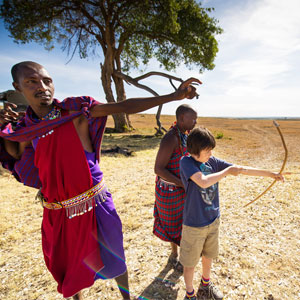
From village visits to a stay at a Maasai-run camp, there are plenty of ways to get close to these landscape custodians.
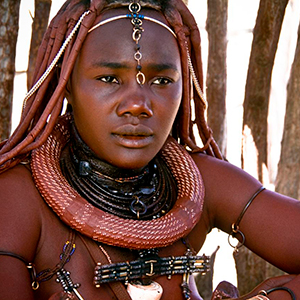
A holiday to Namibia shouldn’t just be about desert landscapes and Big Five safaris. Tribal culture is fascinating.
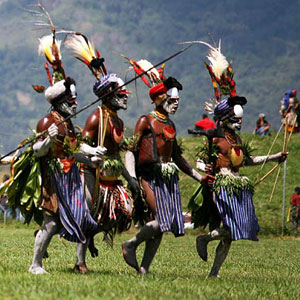
PNG is home to around 750 tribes, each with its own distinct beliefs and customs.
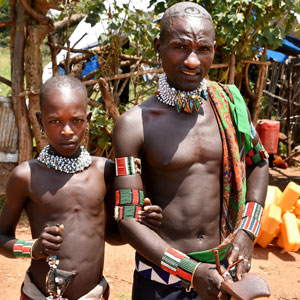
The cultural diversity is astounding, but tourists must tread lightly and with respect.
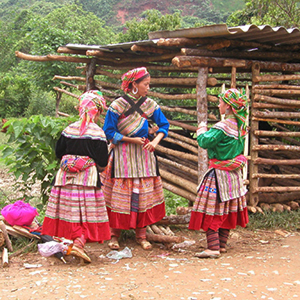
Our hill tribe trekking tours encourage travellers to interact with villagers, on their level.
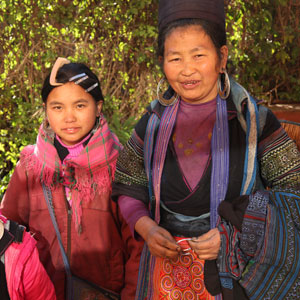
Away from the cities, life in the tribal villages flows, as it always has, without the trappings of the modern world.