Culture in Turkey: carpets, coffee, hammams & more
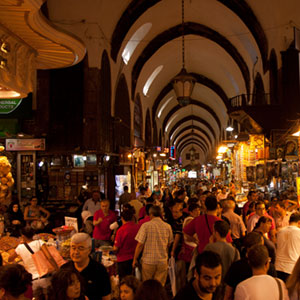
Turkey’s culture is enormously diverse, reflecting its unique geographic location between Asia, Europe and the Middle East. Silk Road traders passed through, developing trading markets of spices and other goods, some of which can still be visited today. Many civilisations have left their mark, most notably the Ottoman Empire, whose six centuries of rule left an architectural legacy of spectacular mosques, palaces and defensive fortifications.
In Turkic languages, ‘Turk’ means vigorous, or ripe. And while the post-WWI secular reforms of Ataturk are slowly giving way to a more religious society, this still feels like a country, and a culture, determined to manage tradition with modernity. The way that Turkey balances the east-west dynamic means it feels neither one nor the other; rather, uniquely Turkey.
“If you had just three words to describe culture in Turkey,” I ask Tijen Suveren, the founder of our partner Fields of Anatolia, “what would they be?” Unfazed, she replies straightaway: “Diversity. Friendliness. And cats – we have a lot of cats.”
But what do cats have to do with culture? Anyone who has spent any time in Turkey will know that there are cats everywhere – whenever you go out to eat, there they are, sitting politely by your table, waiting to be offered some leftovers. And while the restaurants don’t encourage them, neither do they make much effort to shoo them away. Because there is a recognition that this is the cats’ home, too, and the warmth that is shown to them is a warmth that the visitor receives also.
“People are friendly and they like to welcome you,” says Tijen. “This is the old traditional culture of Turkey and of course, we are losing it slowly, but still in the small villages, in the less touristic places, you can feel it.”
The two most important parts of a great cultural holiday in Turkey, Tijen believes, are the quality of your guide, and slowing things down. “Many group tours, especially the big groups, they're rushing people. Into shops, into places they don't want to go, where they don't want to shop. When I created my company, there was one thing in my mind: to give my guests the kind of travel experience that I enjoy myself.”
As for the guides, “I always use people who are local to each destination, so they really know how to interact with the community and can take our clients to special places. You know, however hard I try to create a perfect itinerary, or use good hotels, the success of a trip always comes down to the guide because they are the ones face to face with the traveller.”

Turkey cultural highlights
East or West?
Most Turkey tours head west, to Cappadocia, Antalya, Pamukkale, Bodrum and Konya. Eastern Turkey is more traditional, more conservative and more religious, and also where you will find Kars, the legendary temple of Göbekli Tepe and the honeycombed town of Mardin, one of Turkey’s most interesting cultural destinations. Some tours here brush up against the borders of Armenia and Georgia, and may dip south into Turkish Kurdistan, where the sashes and turbans men wear indicate their religious group, such as the Yazidis or the Hashemites.
“Whether people consider themselves more Asian or European depends on what area they are from,” says Tijen. “For example, in Istanbul, Izmir and Antalya, they are more Mediterranean in outlook, but if you go towards central Anatolia and eastern Turkey, they look more to Asia and the east. Turkey is a very big country, 80 million or more people, and I would say it is about half and half.”
Read more in our guide to Eastern Turkey
Turkish carpets
Turkish carpets and kilims (flat-woven, pileless rugs) are not merely decorative, but laden with meaning, with motifs that convey hopes such as abundance, fertility or protection from evil spirits. They are still made by hand in many parts of Turkey (and throughout the former Persian Empire), but the tradition is slowly dying.
In centuries past, there would be a loom in every household, and weaving was a way for women not only to earn money but also to express themselves creatively in societies where they often had little say. It can take months to dye and weave a single carpet or kilim, so now production is largely mechanised, and an ancient craft is being lost.
Genuinely handmade carpets and kilims are becoming harder to find and are consequently more expensive. But though far from what it was, the industry continues to provide a decent living for many Turkish people, which is why it’s common for tours here to include a stop at a carpet shop. Even if you don’t buy anything, learning about the history, the production process and the meaning behind these textiles is fascinating. “We ask our customers if they want to visit”, says Tijen, “and if they’re interested, we take them. But usually to smaller, more local places rather than the huge shops that are very commercial.”
On our Turkey cultural holidays you’ll also enjoy opportunities to explore traditional handicrafts, often visiting skilled artisans in their atmospheric workshops. You could meet a potter at his wheel in Cappadocia or take a guided tour of Mardin to meet silversmiths and soap makers, finishing in the cellar of a Syriac winemaker.
Hammams
Hammams are Turkish bath houses, but they are just as much about socialising as they are about getting clean. In a typical hammam, you proceed through several rooms getting warmer and warmer. In the final, hot room, there is a marble centrepiece, where you lie in a cotton wrap while the heat and steam soften your skin. After 20 minutes or so, an attendant uses a mitt to exfoliate you, then bathes you, before you move on to a cooling area where you can relax with a drink.
You can get massages and treatments, or just enjoy a pleasant soak and a chat. A regular trip to the hammam is a ritual for many Turkish people, and visitors are welcome. In very traditional hammams there is segregation by gender: women might go in the mornings and men in the afternoons, or there may be separate bathing areas.
There are hundreds of hot springs around Turkey as well, most notably the thermal pools around Pamukkale, where you can bathe above submerged Roman columns in Cleopatra’s Pool.
Turkish cuisine
From street food tours of Izmir, where a lunchtime favourite is kokoreç, the intestines of goat or lamb spit-roasted over a charcoal fire, to aromatic wanders around the famous cheese market of Kars, and whipping up a marvellous mezze during cookery lessons in family-run village restaurants, our Turkish culture tours serve up many delectable ways to explore the food and drink here.
A culinary highlight of stays in the Cappadocia region, with its underground cities and ‘fairy chimneys’, is lunch at a women’s cooperative that supports local female entrepreneurs. Using ingredients from their own gardens as well as the surrounding area, they create meals according to traditional recipes, and at the same time create opportunities for themselves to enter the workforce.
And then of course there is the ubiquitous baklava, a deliciously sweet, nutty filo pastry dessert. “I think the Turkish culinary capital is Gaziantep,” says Tijen, of the southern city where most of the country’s pistachios are grown. “They have fantastic baklava, the kind you can’t find anywhere else, even in Istanbul.”
Learn more with our guide to Turkish cuisine.
Turkish coffee
Coffee is a vital element of Turkish culture, a shared ritual. There is a saying in Turkey that ‘the memory of a cup of coffee lasts for forty years’, which gives an idea of its significance in hospitality and spending time with friends and family.
People here consume more tea than anywhere else in the world, but coffee is an important daily ritual and most homes have a cezve, a small, elegant pot to brew and pour strong Turkish coffee. And wherever you go in Turkey you’ll see people sipping coffee over a game of backgammon (tavla).
People here consume more tea than anywhere else in the world, but coffee is an important daily ritual and most homes have a cezve, a small, elegant pot to brew and pour strong Turkish coffee. And wherever you go in Turkey you’ll see people sipping coffee over a game of backgammon (tavla).
Turkish cultural festivals
The Istanbul Biennale, a city-wide contemporary arts exhibition, attracts many visitors, while the Istanbul Music Festival is another of Turkey’s most significant cultural events, with some classical music performances held in the grounds of the Topkapi Palace Museum. “When I have people coming in June I alwabys ask them if they would like me to get them any tickets,” says Tijen.
Ephesus, a UNESCO-listed ancient Roman city with some spectacular ruins, is set 80km inland from the coastal city of Izmir. Every summer the 25,000-seat open-air amphitheatre, which once hosted gladiator fights, now hosts a more refined roster of concerts, ballets and other musical events.
Find out more with our guide to the best festivals and events in Turkey.
Key cultural destinations in Turkey
Cappadocia
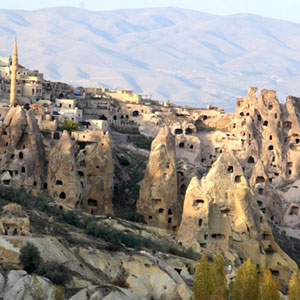
You can literally get under the surface of Turkish culture in the Cappadocia region, as you explore vast underground cities such as Derinkuyu and Kaymakli that were built as sanctuaries in the event of invasion. Derinkuyu alone could have accommodated up to 20,000 people, and their livestock. Other sites of interest around Cappadocia include the churches and caves of Göreme, and many vineyards, which you can admire from above on a hot air balloon trip.
Read more in our guide to Cappadocia.
Read more in our guide to Cappadocia.
Ephesus
One of the most important cities of the Roman Empire, Ephesus was before that part of Ancient Greece, and home to the legendary Temple of Artemis. The ruins here, including the Library of Celsus and a huge amphitheatre, are remarkably well-preserved, and Ephesus is a UNESCO World Heritage Site.
“I really try to choose interesting places for accommodation, and one is a little village near Ephesus called Sirince,” says Tijen. “They have restored these little stone cottages called Nisanyan houses to use as hotels and created a beautiful atmosphere. You have a very peaceful view. The only downside is you have to be okay with stairs and some steep walks.”
“I really try to choose interesting places for accommodation, and one is a little village near Ephesus called Sirince,” says Tijen. “They have restored these little stone cottages called Nisanyan houses to use as hotels and created a beautiful atmosphere. You have a very peaceful view. The only downside is you have to be okay with stairs and some steep walks.”
Hierapolis & Pamukkale
The picturesque travertine landscape of Pamukkale, formed by cascading mineral-rich waters, was the centrepiece of a thermal spa known as Hierapolis, which was established as early as the second century BC and popularised by the ancient Romans. Hierapolis and Pamukkale together are a UNESCO World Heritage Site, and you can still bathe in the pools today – who knows, perhaps you are perching in the same spot as a Roman emperor once took the waters.
Istanbul
One of the largest cities in the world, Istanbul straddles the Bosphorus Strait and two continents. A major staging post on the Silk Road and a crown jewel of no fewer than four empires through centuries of conquest, Istanbul is a thriving hub of Turkish culture. The most cosmopolitan neighbourhood is Beyoglu, on the European side of the city, where you will find no end of shops, museums, galleries, restaurants and winehouses, not to mention a kaleidoscopic nightlife scene.
“For modern Turkish culture I would definitely recommend the Istanbul Museum of Modern Art,” says Tijen. “It is right on the Galata pier where the cruise ships dock. It's not only a museum – there are so many events and you have a nice view, and the collection is always changing.”
Read more in our guide to Istanbul
Konya
Konya was the home of Rumi, one of the great Turkish poets, philosophers and theologians, whose followers founded a Sufi order called Mevlevi. They are known for whirling, a form of worship and meditation, and in Konya you can often see these spectacular performances, sometimes in private ceremonies.
Find out more with our guide to Rumi and Sufism.
Find out more with our guide to Rumi and Sufism.
Mardin
“Mardin is an important town to mention because so many different peoples lived there – Arabic, Armenian, Jewish, Syriac, and for many years they lived together peacefully, and when you visit, you really feel that culture,” says Tijen. “I always like to include Mardin in my tours because it has a very unique atmosphere.”
The city also has a large Kurdish population, and boasts a number of architectural and religious landmarks, many of them built from local limestone, such as the Great Mosque, Mardin Castle and the handsome old Post Office.
The city also has a large Kurdish population, and boasts a number of architectural and religious landmarks, many of them built from local limestone, such as the Great Mosque, Mardin Castle and the handsome old Post Office.
More Turkey articles
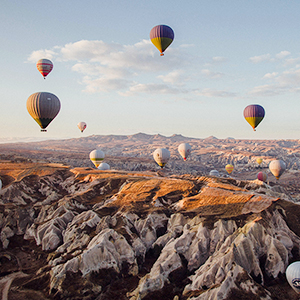
We think that any time is a good time to be in Turkey. Our guide explores the pros and cons of each season.
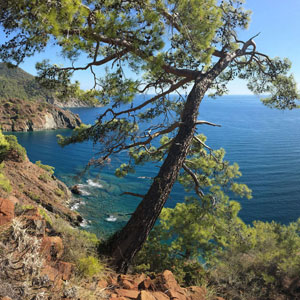
Delve deep into our Turkey travel guide to discover what we rate & what we don’t to help you travel like a local.
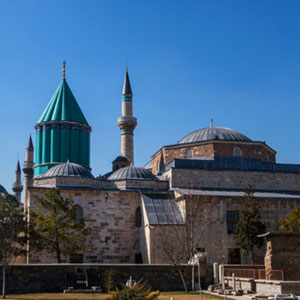
Our map and itineraries page is designed to help you make the most of your time before in the country you’ve set off.
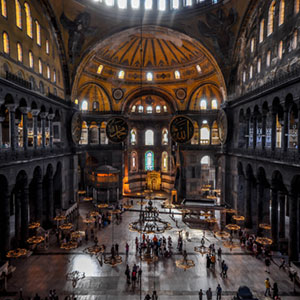
Istanbul has the kind of mythical appeal to travellers that makes other cities jealous.

Exploring Turkey’s Cappadocia region, with its towering rock spires.
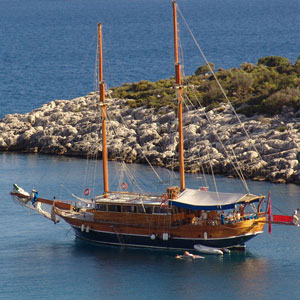
The coastline around Bodrum and Marmaris teems with gulets that bob gently in the waves, waiting to catch a breeze.
It's all about variety and adventure in Turkey, one of the best places for family holidays.
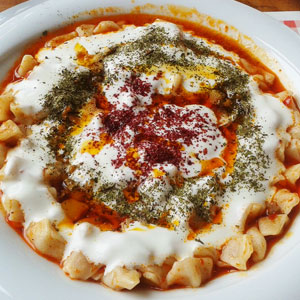
From Istanbul spice markets to Cappadocian wine, we run through which Turkish food and drink to eat on your trip.
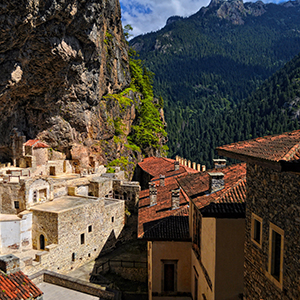
Eastern Turkey rivals Egypt for historical significance. Those who stay west are missing out – but you don’t have to.
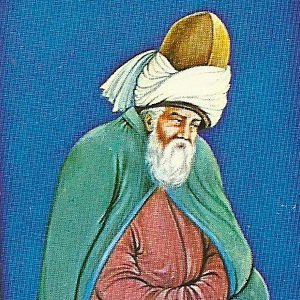
Rumi's poetry must be appreciated in context of his time and faith. Discover his 800-year-old work.
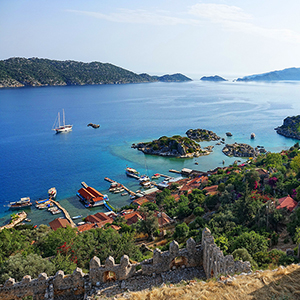
Coastal walks, peaceful ruins and secret swim bays: there’s life beyond Oludeniz.

Our travel advice comes straight from our friends in Turkey, and it comes with plenty of seasonal suggestions too.
Responsible tourism in Turkey, from battling overdevelopment to saving sea life.
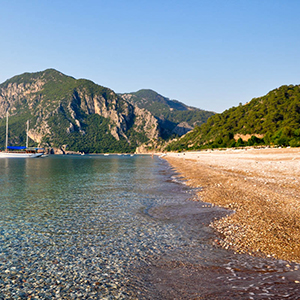
For those in the know, Cirali on Turkey’s Antalya coast is something of a hidden gem.
Our guide to safety in Turkey explores the current situation, with lots of practical advice.