Harnas wildlife sanctuary volunteering, Namibia




Description of Harnas wildlife sanctuary volunteering, Namibia
Join a project where caring for magnificent African wildlife runs parallel with immersing yourself in a fascinating historical culture, all set against the backdrop of the world's most ancient desert.
Serving as a refuge for injured and orphaned animals, often casualties of human-wildlife conflict, you'll help to rehabilitate those who have the potential for release and provide a forever home for those who are too habituated or not strong enough to survive on their own.
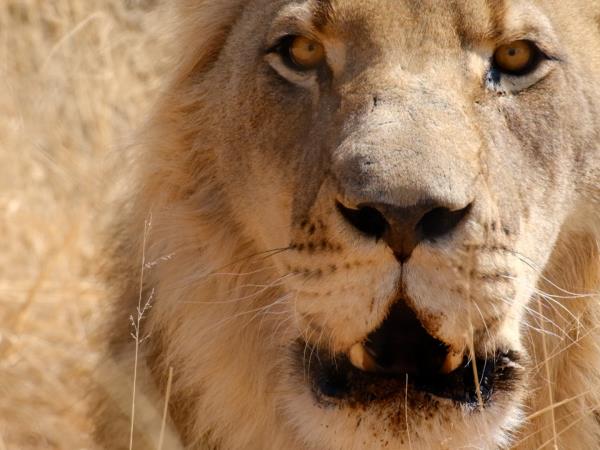
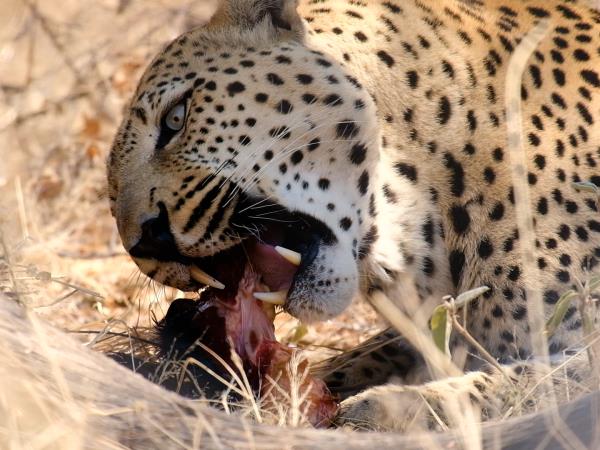
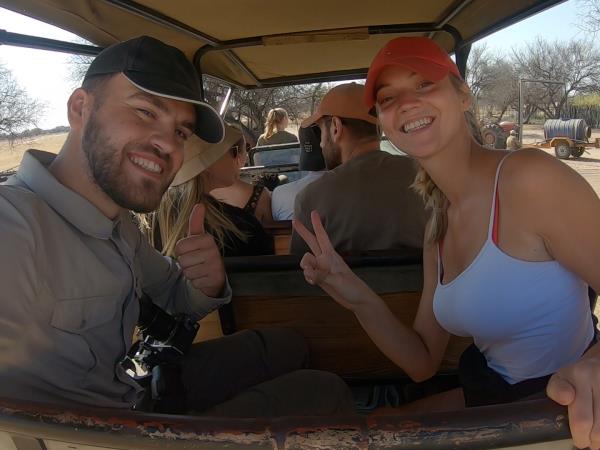
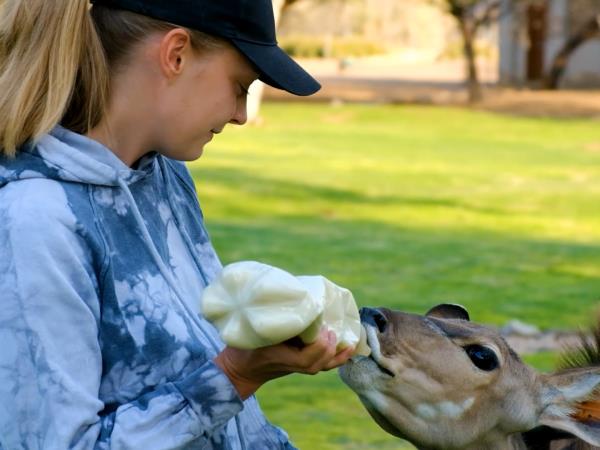
As a volunteer at the sanctuary, you'll help to prepare food, feed the animals, create engaging enrichment and maintain a safe environment for over 300 animals across many different species. From big cats such as lions and cheetahs to small residents, including baboons and meerkats, there are many furry friends that you'll have the pleasure of taking care of.
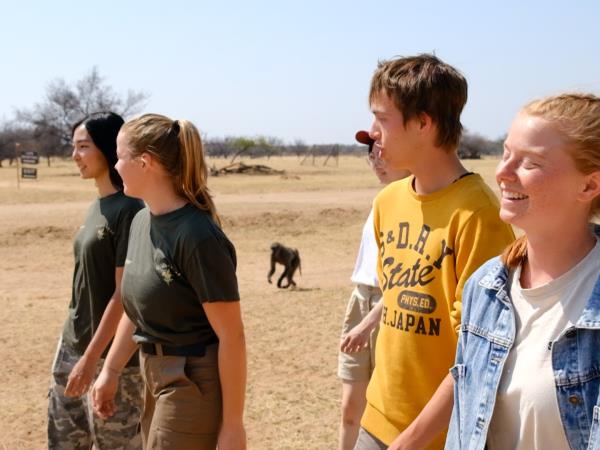
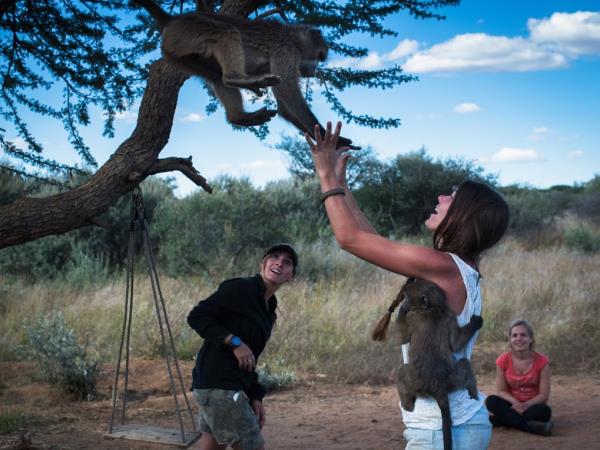
Sadly in Namibia, Chacma baboons are seen as pests, and many orphan baboons arrive at the sanctuary after their mothers and troops are poisoned, shot or hunted. For this reason, baby baboons often need to be hand-reared, and after facing such traumatising experiences, they will likely live at the sanctuary indefinitely.
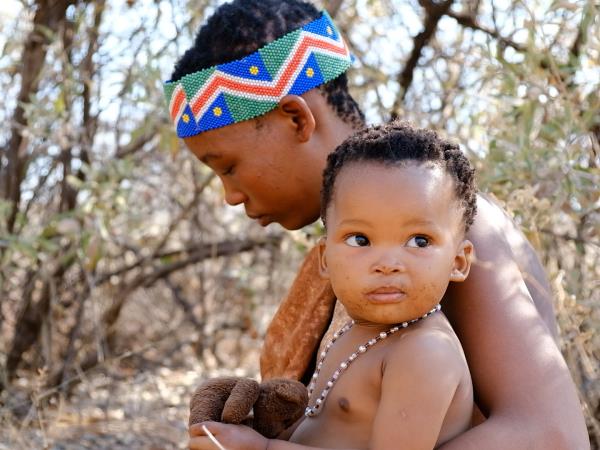
The beauty of this project is that it not only holds wildlife conservation and animal welfare at its centre but also includes serving the local community and encompassing ancient cultures and traditions. Volunteers will have the chance to meet local families and lend a hand when touring the Lifeline Clinic, a facility providing much-needed medical care, education and food to local communities. Another fascinating experience for volunteers is the time spent with the San Bushmen. Known as the oldest inhabitants of Southern Africa, the San community hold over 20,000 years of San secrets and timeless traditions, all of which they'll regale to you in age-old stories, chants and dances.
For an authentic and eye-opening experience of Namibia, this project is perfect for those looking to make a real difference in an extraordinarily unique part of the world, one where conservation and culture blend together seamlessly.
Price information
Check dates
2027: 4 Jan, 11 Jan, 18 Jan, 25 Jan, 1 Feb, 8 Feb, 15 Feb, 22 Feb, 1 Mar, 8 Mar, 15 Mar, 22 Mar, 29 Mar, 5 Apr, 12 Apr, 19 Apr, 26 Apr, 3 May, 10 May, 17 May, 24 May, 31 May, 7 Jun, 14 Jun, 21 Jun, 28 Jun, 5 Jul, 12 Jul, 19 Jul, 26 Jul, 2 Aug, 9 Aug, 16 Aug, 23 Aug, 30 Aug, 6 Sep, 13 Sep, 20 Sep, 27 Sep, 4 Oct, 11 Oct, 18 Oct, 25 Oct, 1 Nov ...
Travel guides
Reviews
2 Reviews of Harnas wildlife sanctuary volunteering, Namibia
Reviewed on 24 Jun 2026 by Jo Rowland
1. What was the most memorable or exciting part of your holiday?
Visiting the life line clinic.
2. What tips would you give other travellers booking this holiday?
You don't need to take very many casual clothes. The food is great, no snacks required.
3. Did you feel that your holiday benefited local people, reduced environmental impacts or supported conservation?
Yes.
4. Finally, how would you rate your holiday overall?
It was a fantastic experience and exceeded my expectations.
Reviewed on 14 Dec 2023 by Lise Ballangrud
1. What was the most memorable or exciting part of your holiday?
Enjoyed quite a few of the activities, met a lot of really nice people and some great coordinators, and so many lovely animals <3
2. What tips would you give other travellers booking this holiday?
The uniform can be switched out with neutral-coloured clothes, so bring some - and sturdy sneakers will suffice in the sunshine. The right info is hard to come by, it's a bit disorganized at Naankuse - just ask anyone and go with the flow. Depending on what project you're on and your skills, it's not always real work we put in, but it's good fun.
3. Did you feel that your holiday benefited local people, reduced environmental impacts or supported conservation?
They do great conservation work and employ local people.
4. Finally, how would you rate your holiday overall?
A fun holiday camp for adults, a good one. But make no mistake, it's also like a factory to process as many paying customers as they can.
Responsible Travel
Planet
The word 'Harnas' translates to armour or protective shield, which is the perfect name for a sanctuary that protects the lives of conflict animals and the Ancient San way of life.The animals at the sanctuary usually arrive in 1 of 4 ways; they may have an injury, were orphaned, have come into conflict with humans, or were raised as pets and need an alternative and more natural home. Harnas sanctuary aims to release all animals successfully rehabilitated to survive on their own. Wildlife such as cheetahs, lions and wild dogs have all been released previously after following the stages of rehabilitation. First and foremost, the animals need to express and sometimes relearn natural, wild behaviours, which the sanctuary tries to encourage through enrichment.
For those sadly too habituated or injured to be released, the sanctuary intends to provide safe, natural environments that imitate life in the wild. Unfortunately, due to human involvement, there is a large number of animals that are not suitable for release. For instance, many baby baboons need to be hand-raised and become reliant on humans. When an animal is no longer wary of humans, they lose a protective element that stops them from running into further human-wildlife conflict.
Volunteers are crucial to the sanctuary running smoothly. Due to volunteers' help, the sanctuary is able to seamlessly care for over 300 animals and can continue to focus its attention on new rescues, ongoing rehabilitation and educating local communities on how to co-exist peacefully with wildlife.
People
Harnas has a large San Bushmen community, some of which have lived on the reserve for over 50 years. It is the ambition of the team at the Harnas Wildlife Sanctuary to empower the San people who work with them, protecting and celebrating their ancient traditions in an ever-modernising world that could otherwise be lost.The sanctuary is dedicated to providing vital healthcare and food through the nearby Lifeline Clinic, alongside education and job opportunities to members of the local community. The interactions between volunteers and the surrounding communities help to build a positive relationship between the project and the locals through multiple initiatives including providing daily meals and education facilities. Farmers and other community members who once felt tensions around wildlife, which have previously resulted in conflict, now confide in the sanctuary, resulting in safe relocations of animals and less conflict overall, making the project work a 'win-win' for everyone involved.
Popular similar holidays
Namibia wildlife sanctuary volunteering holiday
From £1195 - £5895 15 days excluding flights
Care for rescued animals in Namibia
Elephant conservation holiday for families, Namibia
From £1250 - £1349 11 days excluding flights
Thrilling family adventure, track, protect & save elephants
Elephant conservation volunteering in Namibia
From £1195 13 days excluding flights
Elephant conservation volunteering in stunning Namibia