Famous trails of Japan walking holiday
Price
AU $6095ToAU $6335 excluding flights
Convert currency:


Duration
14 Days
Type
Tailor made
More info
13 nights accommodation.
Breakfasts, lunches (only on the Kumano Kodo walk), dinners, luggage transfers, information pack, insulated lunch bag, walk notes, maps.
Available from March to November.
Additional single supplement fees of $1510 may apply.
Available from March to November.
Additional single supplement fees of $1510 may apply.

Description of Famous trails of Japan walking holiday
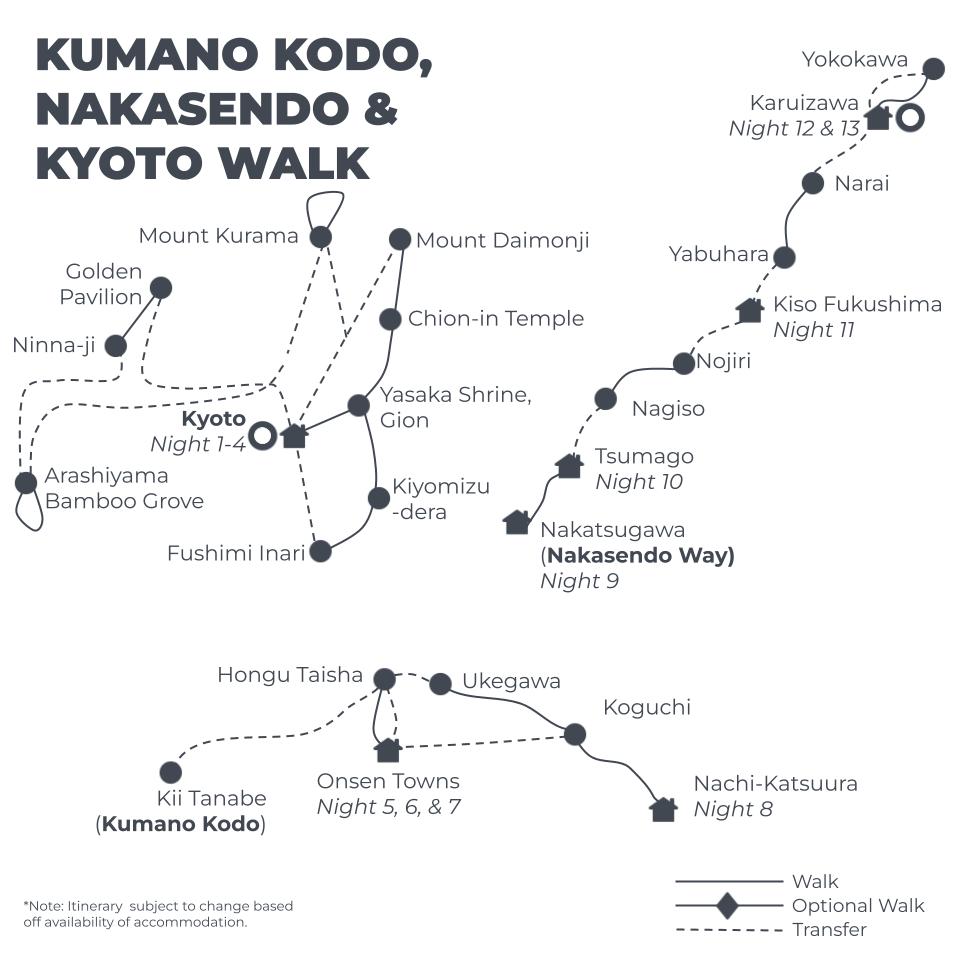
Map
Price information
AU $6095ToAU $6335 excluding flights
Convert currency:
13 nights accommodation.
Breakfasts, lunches (only on the Kumano Kodo walk), dinners, luggage transfers, information pack, insulated lunch bag, walk notes, maps.
Available from March to November.
Additional single supplement fees of $1510 may apply.
Available from March to November.
Additional single supplement fees of $1510 may apply.
Departure information
This trip can be tailor made throughout the year to suit your requirements
Travel guides
Open up a world of ancient long distance walking trails, summit seeking opportunities and city walking.

Considering a long distance pilgrimage walk? Don't set off without reading this first.
Responsible Travel
As the pioneers of responsible tourism, we've screened this (and every) holiday so that you can travel knowing we've worked to maximise the benefits of your holiday to local people and places, and minimise any negative impacts.
Planet
CARBON REDUCTIONThis 2 week walking holiday is naturally lower in carbon emissions, due to travelling mostly on foot.
Our efforts extend to encouraging the use of public transport like trains and buses in Japan, which helps reduce carbon emissions. As ecotourism operators, we actively engage with conservation organizations and groups maintaining the tracks. We also support local initiatives that improve the environment in national parks, ensuring the preservation of nature and wildlife.
ENVIRONMENT AND WILDLIFE
We hold an Advanced Eco Tourism certification and have been leading the conversation about sustainable tourism and the environment for nearly 30 years.
We lead by example, encouraging others to follow our practices. Our goal is to ensure that our customers not only have a fantastic, enjoyable holiday, but also gain a deeper appreciation and respect for the natural world. We aim for our guests to leave as environmental ambassadors. We stick to established tracks, avoid damaging vegetation, require that all trash is taken with us, and pick up litter left by others. On self-guided trips, group sizes are typically limited to two, while guided groups cap at 15, with two guides splitting the group into smaller sections to minimize our impact.
We encourage guests to take only photographs of plants and animals, and to care for the environment at all times. Our walks are planned to ensure access to toilets, and where none are available, we provide clear instructions on how to properly dispose of waste and carry out sanitary items. We always observe wildlife from a safe distance and never feed native animals. We refrain from lighting fires in the forest, and smoking is not permitted during walks. Our motto is, "Leave nothing but footprints, take nothing but photos, and pick up a piece of someone else's litter."
We support conservation efforts in Japan by asking walkers to donate 10 cents per kilometer walked, which we match. These funds help support various local conservation projects. In addition, we regularly donate to charities such as Epworth Hospital, drought relief funds, and the Prime Minister’s 1000 Steps. We also organize charity walks for causes like indigenous education and breast cancer awareness.
Our office is eco-friendly, featuring double glazing, solar panels, evaporative cooling, and green power. We follow a policy of reduce, reuse, and recycle whenever possible.
People
LOCAL ECONOMYOn our trips, we prioritize comfortable and character-filled local accommodations, each personally chosen by the owners. In Kyoto, we stay centrally in Japanese-style lodgings that offer more modern facilities than traditional accommodations. Along the Kumano Kodo Nakahechi and Nakasendo routes, you’ll experience the charm of staying in a Ryokan or Minshuku each night. Ryokans, which range from traditional wooden buildings to modern hybrid hotels, provide a uniquely Japanese experience. Most don’t feature beds, and rooms may or may not include ensuite bathrooms. However, you can expect luxuries like heated toilet seats and communal bathing areas—often a highlight, especially in onsen regions.
Meals are typically regional and home-cooked, ranging from banquet-style Kaiseki set meals to simple bento boxes in accommodations that don’t prepare meals onsite. Occasionally, more remote locations may only offer simple lodgings with shared facilities, but we carefully select those with charm and ambiance that make up for the lack of luxury.
A highlight of this walk is staying in small, family-run, authentic Japanese accommodations. Each evening, you’ll have the chance to wear a Yakata (a traditional dressing gown) and enjoy a multi-course traditional meal. Most accommodations feature onsens, and for those that don’t, public baths are usually nearby. The warmth and hospitality of the local people ensure a genuine and immersive Japanese experience.
EMPLOYMENT, INCLUSIVITY AND DIVERSITY
By traveling this way, we support regional Japan’s economy and its communities, which have long faced population decline as younger generations migrate to cities. Tourism plays a vital role in sustaining these areas, making your journey both meaningful and memorable.
Popular similar holidays
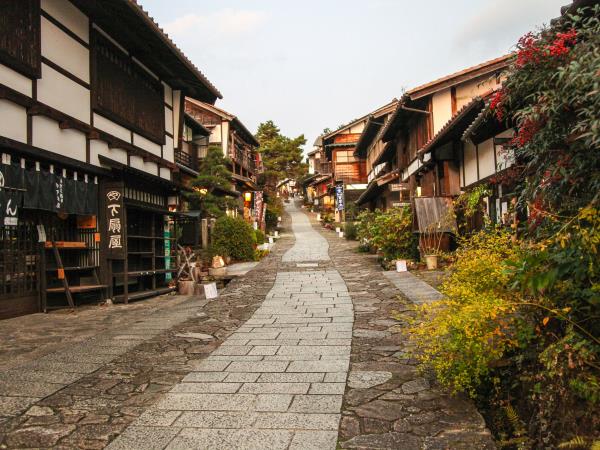
Japan self guided walking holiday, Nakasendo Trail
From £915 - £1315 5 days excluding flights
Self-guided walking along Japan’s ancient Nakasendo trail
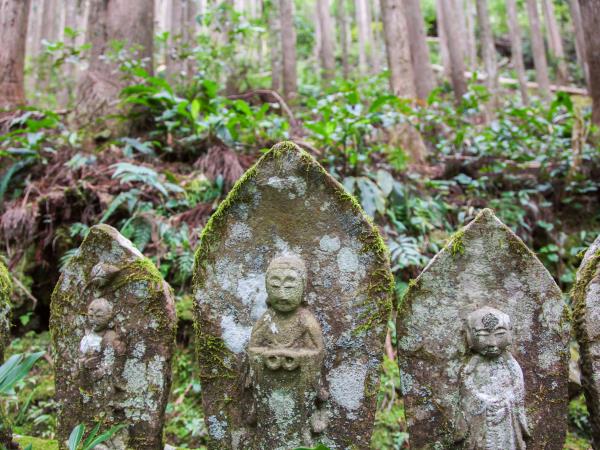
Kumano Kodo walking holiday, Japan
From £3060 9 days excluding flights
Village to village walking in the sacred Kii Peninsula
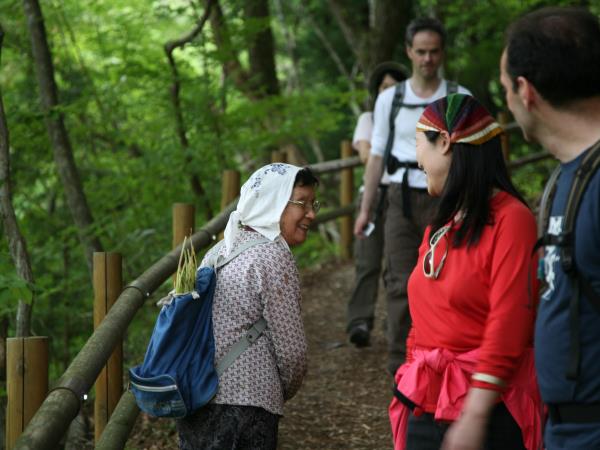
Nakasendo Trail walking tour, Japan
From £3580 - £3960 12 days excluding flights
Village-to-village walking on the historic Nakasendo trail