Tiger safari small group tour in India



Price
US $4815 excluding flights
Convert currency:


Duration
12 Days
Type
Small group

Description of Tiger safari small group tour in India
Price information
US $4815 excluding flights
Convert currency:
Check dates, prices & availability

Travel guides
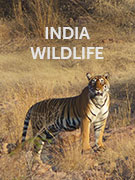
There's a fascinating history attached to wildlife tourism in India, of which tiger spotting and forest safarai is just part.

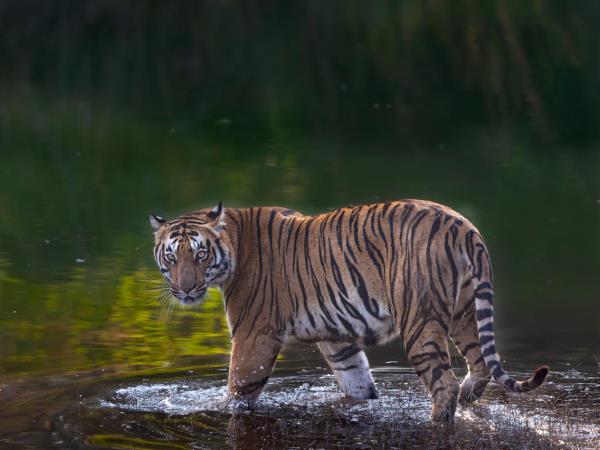
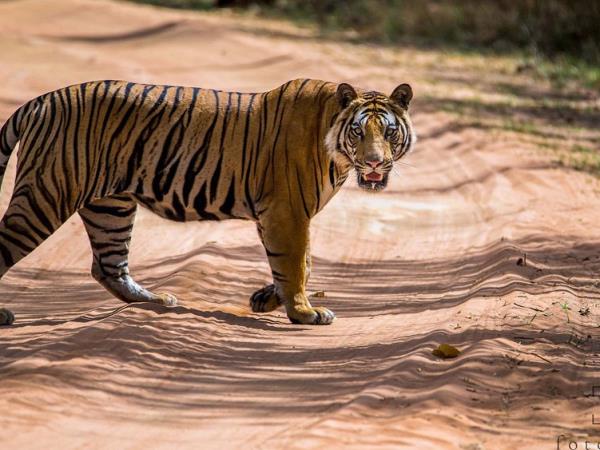
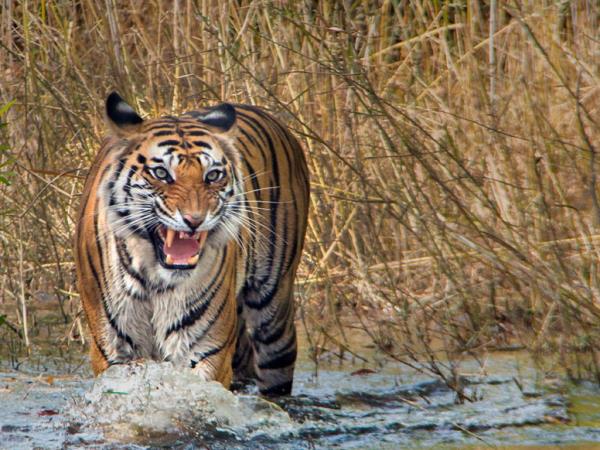
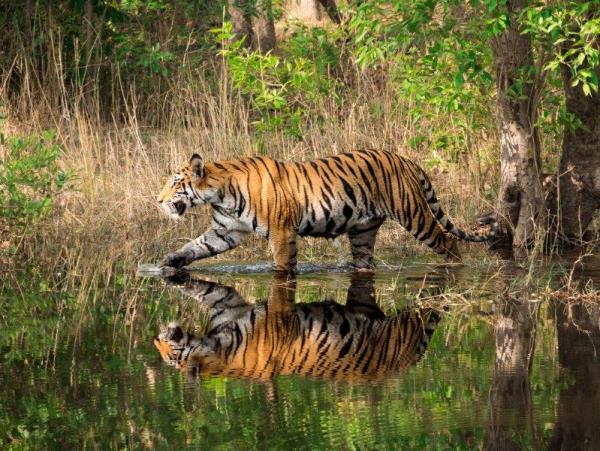
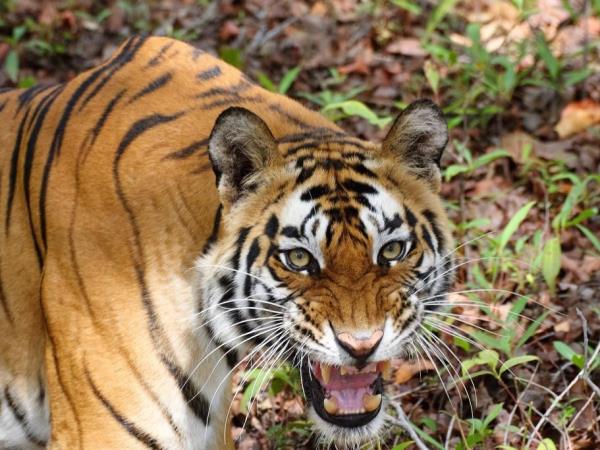
In the Vindhyachal Ranges of Madhya Pradesh in central India, Bandhavgarh National Park is famous for its tigers.
Holiday information
Dietary requirements:
We can cater for vegetarian and vegan diets.
Responsible Travel
As the pioneers of responsible tourism, we've screened this (and every) holiday so that you can travel knowing we've worked to maximise the benefits of your holiday to local people and places, and minimise any negative impacts.
Planet
Panna, Bandhavgarh, and Kanha National Parks play a vital role in protecting the health of our planet by conserving some of India’s most important forest ecosystems. These protected landscapes act as major carbon sinks, absorbing carbon dioxide from the atmosphere and helping reduce the impact of climate change. By safeguarding large tracts of sal, teak, bamboo, and mixed deciduous forests, these parks support cleaner air, stable rainfall patterns, and improved soil quality. They also protect crucial watersheds and river systems, ensuring natural water filtration and sustaining freshwater resources for both wildlife and surrounding communities.Equally important is their role in preserving biodiversity. Tigers, as apex predators, maintain ecological balance by regulating herbivore populations, which prevents overgrazing and supports forest regeneration. Alongside tigers, these parks provide habitat for leopards, sloth bears, wild dogs, deer species, and countless birds, reptiles, and insects, all of which contribute to a healthy ecosystem. The conservation efforts in these parks also help protect endangered species and maintain genetic diversity, which strengthens resilience against environmental changes.
Furthermore, eco-tourism and responsible wildlife travel create sustainable livelihoods for local communities, encouraging long-term conservation. By promoting awareness, supporting forest protection initiatives, and reducing habitat loss, Panna, Bandhavgarh, and Kanha stand as powerful examples of how wildlife conservation directly contributes to a greener, healthier planet for future generations.
People
The conservation of Panna, Bandhavgarh, and Kanha National Parks has a direct and long-term positive impact on people, both locally and globally. These forests act as natural “life-support systems” by regulating climate, maintaining rainfall cycles, and improving air quality, which benefits agriculture and human health. They also protect river catchments and groundwater systems, ensuring a steady supply of clean water for nearby villages, farms, and towns.On a local level, wildlife tourism generates employment opportunities such as naturalists, drivers, lodge staff, guides, and handicraft sellers, creating sustainable income for communities living around the parks. This reduces dependence on forest resources like firewood or grazing, helping both people and wildlife coexist more peacefully. Additionally, government and conservation programs linked to these parks often improve infrastructure such as roads, healthcare access, and education in surrounding areas.
Globally, these protected landscapes help combat climate change by storing carbon, which supports a healthier environment for everyone. In short, these parks not only protect wildlife, but also strengthen livelihoods, secure natural resources, and improve the overall quality of life for people.
Popular similar holidays
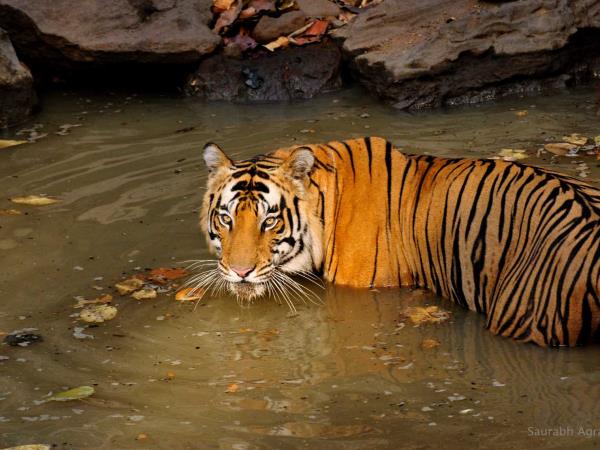
Wildlife holiday in Central India
From Rupee295000 - Rupee310000 12 days including domestic flights only
Best of Indian wildlife with tiger, leopard and sloth bear
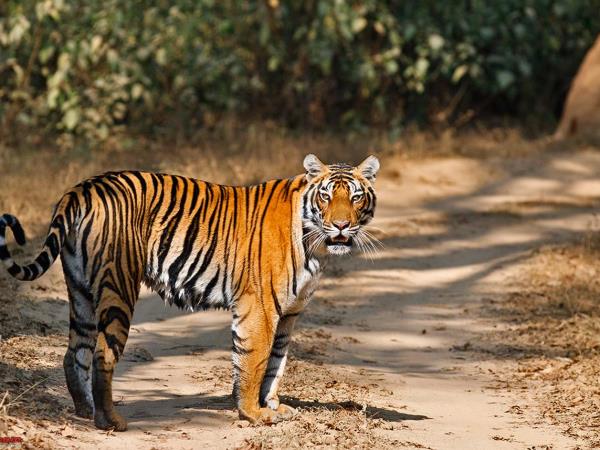
Golden Triangle with Ranthambore tour, India
From £1424 - £1570 10 days excluding flights
India´s best experiences including the Taj Mahal & Tigers
Tadoba National park tiger safari, India
From £1300 - £1550 8 days excluding flights
Tadoba the best tiger reserve of India