Thailand private culture and adventure tour
Price
£4327 excluding flights
Convert currency:


Duration
12 Days
Type
Tailor made

Description of Thailand private culture and adventure tour
Price information
£4327 excluding flights
Convert currency:
Departure information
This trip can be tailor made throughout the year to suit your requirements
Travel guides
Away from the Full Moon parties and bawdy bars, there are national forests protecting an array of Southeast Asian wildlife.
Fancy some sea kayaking? Keen on Costa Rica? What about Wales? Choose your own adventure with our guide.
Holiday information
Dietary requirements:
We can cater for vegetarian and vegan diets.
Responsible Travel
As the pioneers of responsible tourism, we've screened this (and every) holiday so that you can travel knowing we've worked to maximise the benefits of your holiday to local people and places, and minimise any negative impacts.
Planet
CARBON REDUCTIONThe current itinerary includes two domestic flights: Bangkok to Chiang Mai, followed by Chiang Mai to Phuket. These flights allow three widely separated parts of Thailand to be covered in 12 days, but they remain the largest operational carbon element of the trip. No carbon-offsetting claim is made. Travellers with more time may ask for a slower alternative between Bangkok and Chiang Mai, although rail travel is not included in the published itinerary.
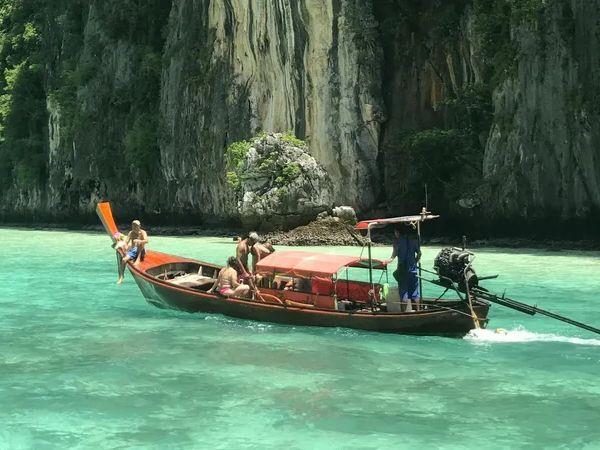
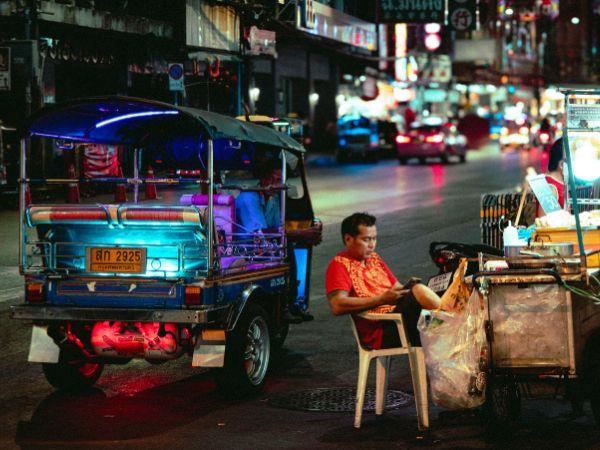
Lower-emission local transport is used where it suits the experience. The Chiang Mai evening food tour uses an electric tuk-tuk rather than a petrol tuk-tuk or private touring vehicle. Red songthaews are used for the temple tour the following day. Bangkok’s canal journey and the Phang Nga Bay excursion use motorised longtail boats, so these are not presented as carbon-free transport.
At least six days include meaningful travel on foot. These cover Bangkok’s palace and temple district, the street-food markets, Chiang Mai’s temples and market, the cooking garden, the artisan community and the elephant sanctuary. Walking is used to explore compact neighbourhoods and individual sites rather than moving between every stop by vehicle.
Chatrium Hotel Riverside Bangkok is the only accommodation on this trip for which property-level renewable-energy generation has been clearly verified. Solar panels produce electricity at the hotel. It also holds the 5 Green Leaf certification and Green Hotel Plus recognition, awarded for measures that include energy saving and waste reduction.
The Slate monitors electricity and water consumption across the resort. Linen and towels are normally changed every two days rather than daily unless guests request otherwise. Digital hotel information and eco key cards reduce printed material. The hotel has not published evidence that the entire resort is powered by renewable energy, so no such claim is made.
The Slate sources ingredients from regional producers and uses produce from its kitchen garden. Surplus food is composted through a worm farm and mechanical composting system, then used in the resort’s gardens. Chatrium also states that its hotels work with local suppliers and reuse coffee grounds as fertiliser.
The cooking masterclass uses ingredients gathered from its organic garden. The community day includes produce from a mulberry orchard and an organic farm lunch. The elephant sanctuary provides vegetarian or vegan meals. Vegetarian food is widely available during the itinerary, but vegan meals and dietary requirements should be requested in advance, particularly during guided food tours.
Travellers are advised to pack lightly, refill water bottles where safe facilities are available, switch off air conditioning when leaving their rooms and decline unnecessary linen changes. No verified Scope 1, Scope 2 or Scope 3 calculation is available for the complete holiday.
ENVIRONMENT AND WILDLIFE
Hotel environmental policies have been checked before making property-specific claims. Chatrium Hotel Riverside Bangkok uses solar panels and operates waste-reduction, plastic-reduction and responsible-sourcing programmes. The hotel’s Bamboo Garden adds planted space within a dense urban property, although it is not presented as a formal habitat-restoration project.
The Slate separates paper, glass, plastic, cardboard and used cooking oil for recycling. Plastic water bottles have been replaced with glass, plastic straws have been removed and reusable mugs replace disposable cups. Its gardens include native planting, while the kitchen garden and composting system keep part of its organic waste within the property.
The Slate organises regular clean-ups at Nai Yang Beach involving staff and guests. Its 2025 report records 4,447kg of waste collected between May and October, with 1,104 staff participations and 45 guest participations. Participation is voluntary and is not listed as a fixed activity within this itinerary.
Rachamankha’s official information explains that the hotel’s architecture responds to Chiang Mai’s climate and uses regional Lanna design principles. However, it does not publish enough current information about renewable energy, water use, recycling or biodiversity work to support stronger environmental claims.
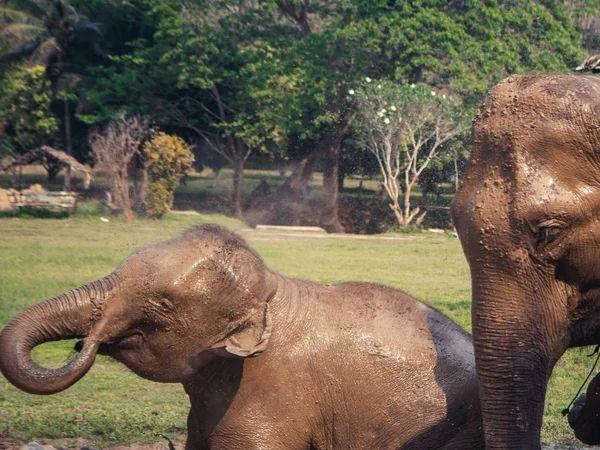
The elephant-sanctuary visit provides income for the long-term care of rescued elephants, specialist staff and veterinary work. The programme described in the source itinerary corresponds to Phuket Elephant Sanctuary, which maintains a 30-acre site and an elephant hospital. Since April 2026, the sanctuary has followed a fully hands-off model. Visitors no longer ride, bathe or feed the elephants and instead observe natural behaviour under the supervision of sanctuary guides.
The sanctuary guides explain Asian elephant behaviour, welfare and the pressures created by logging and animal-based tourism. Exact professional qualifications for each guide have not been supplied, so no specific accreditation is claimed.
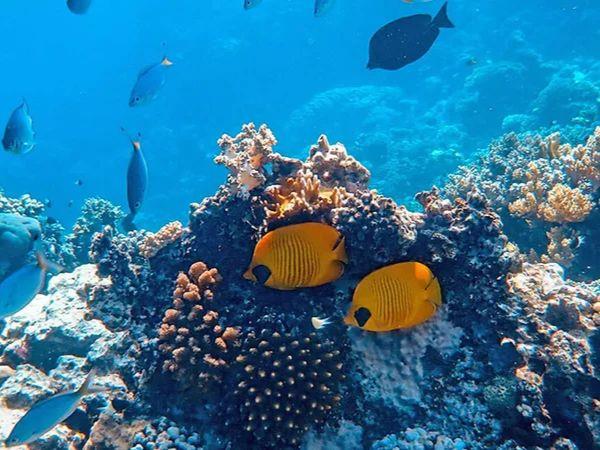
The Phang Nga Bay journey uses an established local boat route. Travellers are instructed not to remove shells or coral, feed wildlife or leave waste on beaches and islands. Swimming is subject to the boat crew’s local advice and prevailing sea conditions.
No donation to a separate named environmental NGO or opt-out conservation fund is included. No protected-area entrance fee is claimed unless it appears in the final confirmed booking documents.
People
LOCAL ECONOMYAll three hotels are Thai-owned, family-owned or part of an independent Thai hospitality business rather than international hotel chains. Chatrium was founded in Bangkok under a Thai family business. Rachamankha is the personal project of Thai owner and designer Rooj Changtrakul, working with Thai architect Ong-ard Satrabhandhu. The Slate describes itself as an independent, family-owned Phuket resort.
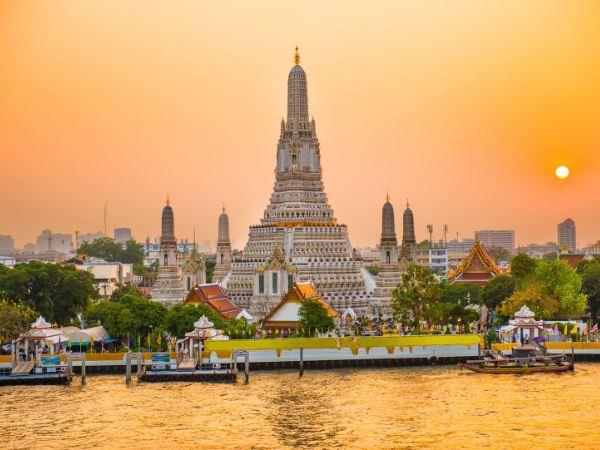
The itinerary directs spending towards local guides and transport providers in each region. Bangkok’s private guide, longtail-boat operator and food guide are based in the city. Chiang Mai visits use local guides, electric tuk-tuk drivers and songthaew drivers. In Phuket, the itinerary employs sanctuary staff, road-transfer providers and a local longtail-boat crew.
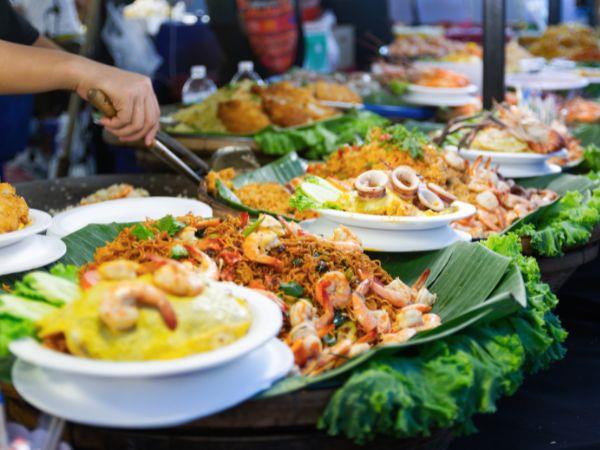
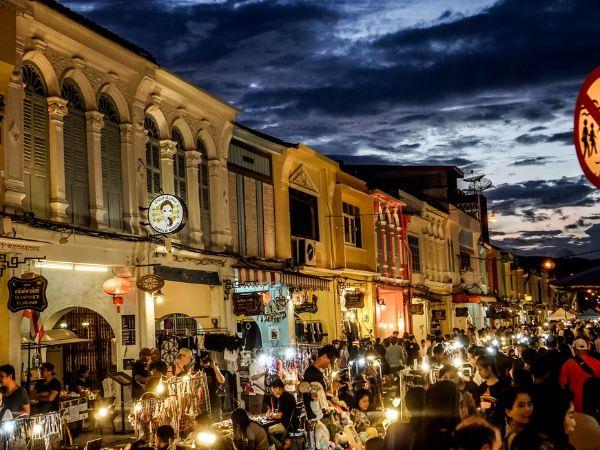
The Bangkok food tour purchases tastings from market stalls, family food businesses and a local restaurant. Samyan and Nang Loeng are working markets rather than enclosed visitor attractions, so trip spending reaches individual traders and cooks.
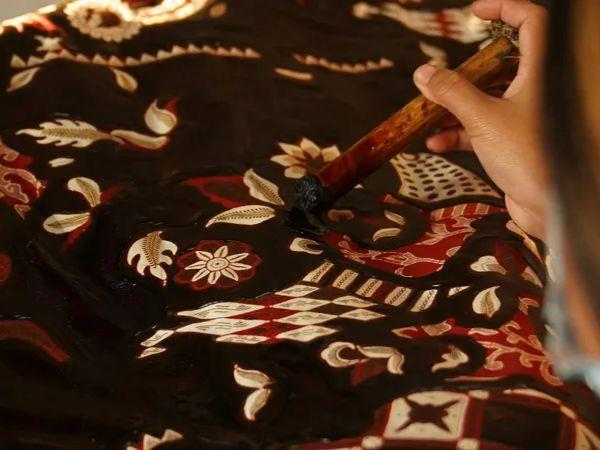
The Chiang Mai artisan day creates direct income for a village community through local guiding, the batik workshop, orchard produce and the organic farm lunch. The visit also includes a museum showing Thai artists. Purchases should be made directly from producers where possible, with respectful bargaining rather than pressure for the lowest possible price.
The cooking class pays a local chef and uses produce from the host’s garden. The Phang Nga Bay cruise includes lunch at Koh Panyi, directing part of the excursion spend to a long-established island community.
The Slate states that it buys ingredients locally and supports regional producers. Chatrium publishes a policy of purchasing seasonal ingredients from local suppliers to reduce transport distances and support farmers and artisans.
EMPLOYMENT, INCLUSIVITY AND DIVERSITY
The holiday creates paid work for Thai guides, drivers, market traders, cooks, artisans, farmers, boat crews and elephant-care staff. The community day outside Chiang Mai is particularly relevant because payment is linked to locally delivered activities rather than a brief viewing stop.
The precise percentage of local employees used by every hotel, transport company and activity provider has not been supplied. No numerical employment claim is therefore made. The same applies to the number of women, disabled people or members of marginalised groups employed within the supply chain.
Chatrium’s published employment policy commits the group to fair wages and equal opportunities. The Slate publishes staff welfare, training and career-development measures. These are company statements rather than an independent audit of every contract used for this holiday.
The elephant sanctuary relies on visitor income to support its elephant-care staff, veterinary work and land management. Its published information states that close to 100 people work in support of the sanctuary and its rescued elephants.
This private itinerary can be adjusted around individual requirements, but it should not be described as fully accessible. The programme includes boat boarding, crowded markets, temple steps, uneven ground, songthaews and a full day moving around an elephant sanctuary. The longtail boats are unlikely to provide level boarding.
Travellers with limited mobility, reduced vision or hearing, or other access requirements should provide full details before booking. Suitable rooms, adapted vehicles, walking distances and assistance at individual sites must be checked separately.
No verified trip-for-a-trip scheme is attached to this itinerary. Exact supplier-level LGBTQ+ policies and workforce-diversity figures have not been supplied, so no unsupported claim is made.
Popular similar holidays
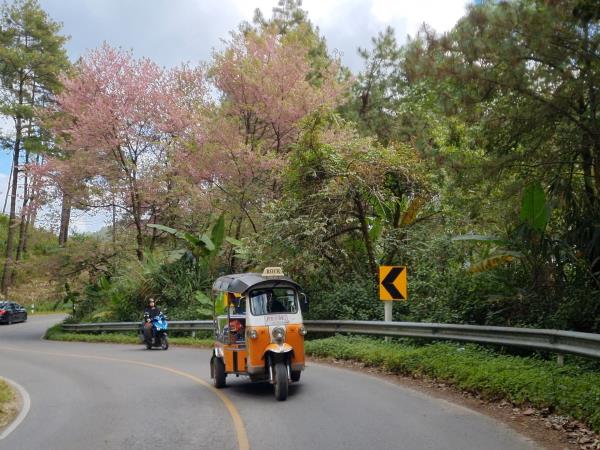
Self drive Tuk Tuk adventure holiday Thailand
From £1595 - £1895 11 days excluding flights
A Tuk Tuk Adventure in the stunning mountains of Thailand
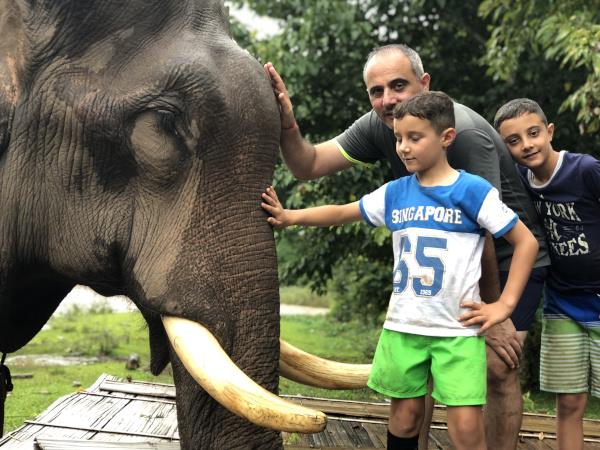
Thailand family adventure holidays
From £1679 14 days excluding flights
Elephant encounters, jungle treehouses and stunning islands
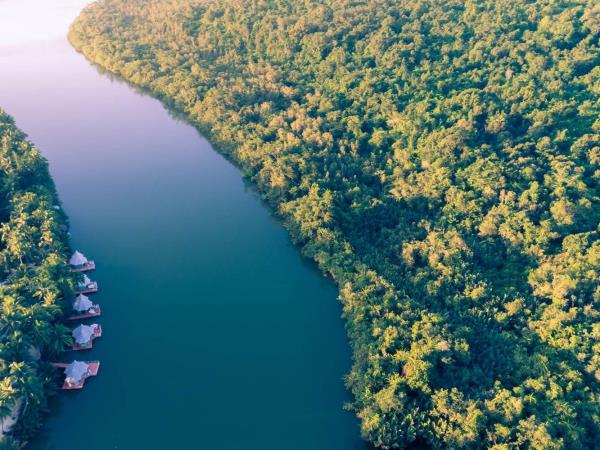
Thailand countryside tour, rivers & reef by train
From £4300 - £4600 15 days excluding flights
Scenic bespoke train holiday through Thailand