Cape Town to Namibia tailored made tour
Price
£2410 excluding flights
Convert currency:


Duration
13 Days
Countries
Namibia, South Africa
Type
Tailor made

Description of Cape Town to Namibia tailored made tour
Price information
£2410 excluding flights
Convert currency:
Departure information
This trip can be tailor made throughout the year to suit your requirements
Travel guides
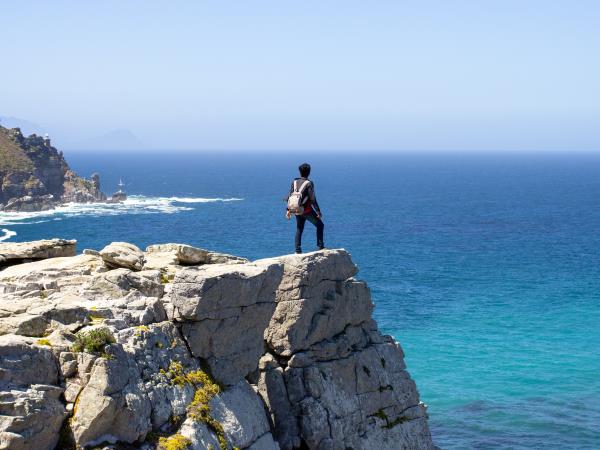
There aren't many places you can see penguins on the beach, whales from the shore, and then go on an incredible safari.
Jump aboard our Africa overland travel guide and pretty soon you’ll learn just what overlanding entails and whether it's for you.
Responsible Travel
As the pioneers of responsible tourism, we've screened this (and every) holiday so that you can travel knowing we've worked to maximise the benefits of your holiday to local people and places, and minimise any negative impacts.
Planet
CARBON REDUCTIONThis itinerary operates as a single overland route from Cape Town to Windhoek, reducing the need for internal flights across Southern Africa. Travelling in a purpose-built safari vehicle allows the group to cover long distances efficiently while lowering per-person emissions compared with fly-in itineraries linking multiple lodges and parks.
The trip is also designed around long-stay, multi-night locations, which reduces daily transfer movements and associated fuel use. Staying two or more nights in key regions such as Sossusvlei, Swakopmund, and Etosha helps reduce unnecessary driving and supports a more efficient route structure.
In addition, shared transport across the group further reduces emissions per traveller, as all transfers, game drives and long-distance travel are completed collectively rather than in separate vehicles.
ENVIRONMENT AND WILDLIFE
The itinerary passes through several of Southern Africa’s most important conservation landscapes, including Etosha National Park, Namib-Naukluft, Sossusvlei and Fish River Canyon regions, all of which are protected under national park or conservation frameworks.
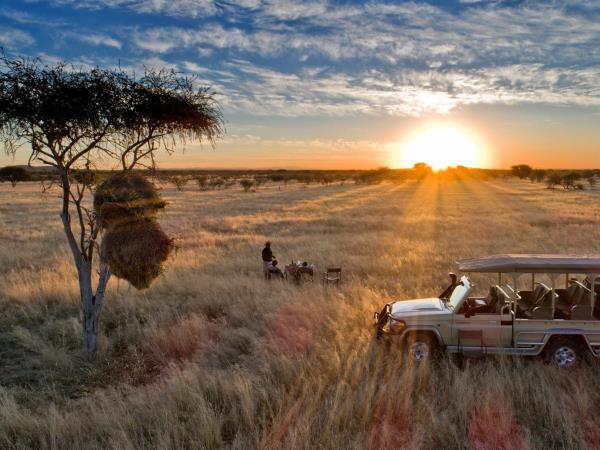
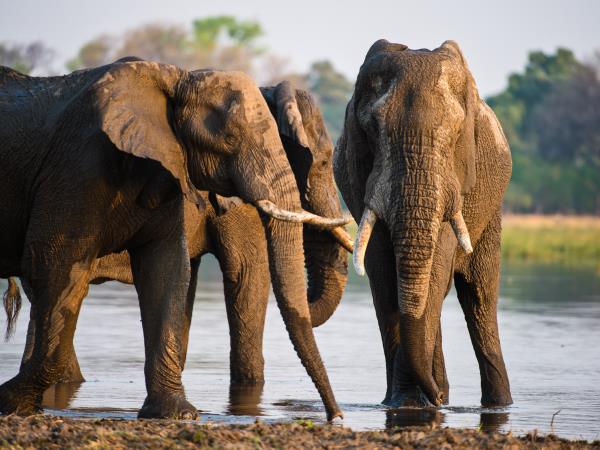
In Etosha National Park, wildlife viewing is regulated through designated tracks and controlled access to waterholes. These restrictions are in place to protect vegetation and reduce disturbance to animals, particularly during dry-season aggregation around water sources. Park entry fees contribute directly to conservation management, anti-poaching units and habitat monitoring programmes.
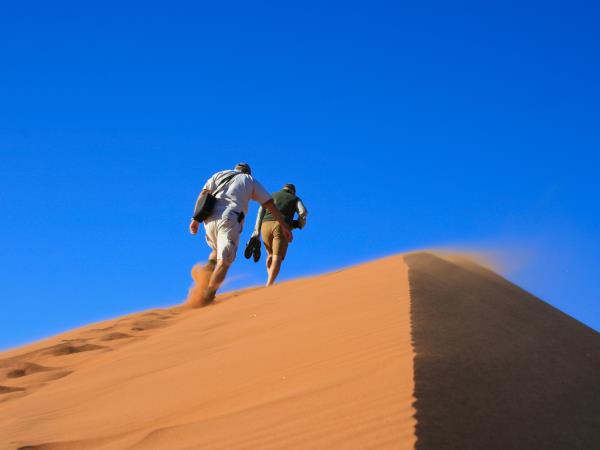
In the Namib Desert, walking routes at Sossusvlei and Sesriem Canyon follow established pathways to prevent erosion of fragile dune systems. The Namib is one of the oldest and most delicate desert ecosystems in the world, and visitor movement is tightly managed to prevent long-term damage to dune structures and salt pans.
Accommodation throughout the route is primarily small-scale lodges and guesthouses, many of which operate in remote environments where resource use is carefully managed, including water conservation systems and controlled waste disposal due to limited infrastructure.
People
LOCAL ECONOMYThis overland route is designed to distribute tourism spend across multiple destinations rather than concentrating it in one location. Travelling from South Africa through Namibia ensures that expenditure supports a wide range of small lodges, guesthouses, local suppliers and regional operators along the route.
Stops in smaller towns such as Rundu and Swakopmund allow travellers to use local cafés, markets and craft outlets, contributing directly to independent businesses. In northern Namibia, roadside craft stalls provide income for local artisans, particularly wood carvers and handmade goods producers, offering a direct link between tourism and local enterprise.
Where possible, accommodation partners are selected for their integration with surrounding communities, including sourcing food locally and working with nearby farmers and suppliers. This helps ensure that tourism spending supports rural and regional economies beyond major urban centres.
EMPLOYMENT, INCLUSIVITY AND DIVERSITY
The trip is operated by a small-group overland team, with local guides, drivers and camp staff employed throughout the journey. This creates direct employment opportunities for people living in or originating from the regions visited, particularly in Namibia and Botswana where tourism is a major rural employer.
Guides play a key role in interpretation, sharing knowledge of wildlife behaviour, ecosystems and cultural history. This ensures that expertise remains locally rooted and supports long-term professional development within the tourism sector.
In addition, the itinerary includes visits to conservation areas and communities where tourism contributes to broader livelihood support. In Namibia, many lodges and conservancies employ staff from nearby settlements, helping to ensure that economic benefits from wildlife tourism are shared with local populations living closest to protected areas.
The small group format also helps ensure more equitable access to employment and reduces pressure on infrastructure, supporting a more balanced and inclusive tourism model across multiple regions.
Popular similar holidays
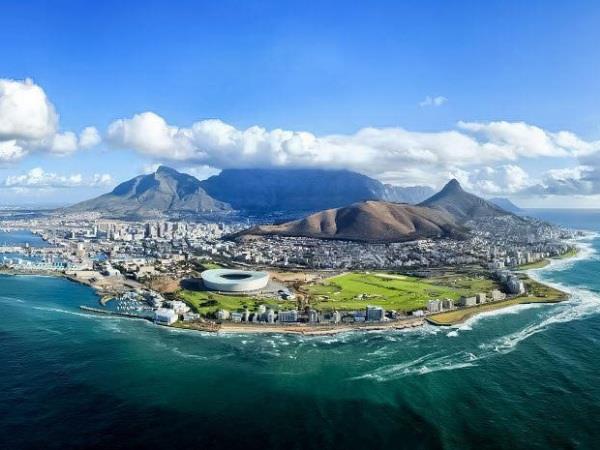
Self drive South Africa holiday
From £3120 - £4165 13 days excluding flights
Explore Cape Town, Winelands & the Garden Route
Cape Town, Kruger and Victoria Falls holiday, South Africa
From £2750 11 days including domestic flights only
Great value highlights tour of South Africa
Honeymoon in South Africa
From £5200 15 days including domestic flights only
Relaxing honeymoon combining safari, wine & culture