Explore African music on holiday
Singing fishermen, royal drummers… for tourists in Africa, some music is easier to find than others. Homogenisation is erasing some long-held traditions – like colonisation before it. And to access more contemporary music means spending more time in the continent’s fantastic, fast-changing cities – areas often neglected by traditional tour itineraries. But all you need to do is follow the beat…
If you drive down the Masaka Road in Mawokota County, Central Uganda, you’ll see wide open doors, all hung with musical instruments. And especially drums. The ebuutus – made with wood and stretched hide, tied tight with a ribcage of twine – are far too big for the door and rest on the floor, waiting to be sold.
Drum construction is a carefully honed art form all over the continent. Drums in Senegal – usually an art of the Wolof people – are meticulously built, with skinny waists and beautiful, curved drumsticks. When played by an expert, they can create so many different sounds that they’re known as talking drums, and produce a quality of sound as expressive and varied as human speech patterns.
Seeing one made isn’t the same as seeing one played. Luckily, it’s not hard to find drummers drumming – in the sunny streets of Dakar, the Wolof people celebrate life events like weddings and naming ceremonies, by playing sabar – traditional drums fixed with goatskin and seven pegs.
In Burundi, drums cut from the umuvugangoma (“the tree that makes the drum speak”) are used to celebrate and herald important occasions – and at other opportunities, too. “Wherever there are Burundians – in the UK in the US, all over the diaspora – they always find time for drums,” says Burundi travel expert Augustin Ndikuriyo, who works with our partner Undiscovered Destinations.
If you drive down the Masaka Road in Mawokota County, Central Uganda, you’ll see wide open doors, all hung with musical instruments. And especially drums. The ebuutus – made with wood and stretched hide, tied tight with a ribcage of twine – are far too big for the door and rest on the floor, waiting to be sold.
Drum construction is a carefully honed art form all over the continent. Drums in Senegal – usually an art of the Wolof people – are meticulously built, with skinny waists and beautiful, curved drumsticks. When played by an expert, they can create so many different sounds that they’re known as talking drums, and produce a quality of sound as expressive and varied as human speech patterns.
Seeing one made isn’t the same as seeing one played. Luckily, it’s not hard to find drummers drumming – in the sunny streets of Dakar, the Wolof people celebrate life events like weddings and naming ceremonies, by playing sabar – traditional drums fixed with goatskin and seven pegs.
In Burundi, drums cut from the umuvugangoma (“the tree that makes the drum speak”) are used to celebrate and herald important occasions – and at other opportunities, too. “Wherever there are Burundians – in the UK in the US, all over the diaspora – they always find time for drums,” says Burundi travel expert Augustin Ndikuriyo, who works with our partner Undiscovered Destinations.

African musical influence
Welcome to the continent that is home of the beat. Just as Africa is the cradle of humankind, it is also a wellspring of music, and its influence has travelled the world over. There is no singular African music. In Western Africa, every tribe has their own music tradition and instrument associated with it.
Of modern African music genres, there are scores of different types: Afrobeat, which originated in the 1960s, is very distinct from the newer Afrobeats, which emerged in the 1990s. Then there’s Amapiano, a subgenre of house music from South Africa that’s heavy on the synths, drums and keys.
The continent arguably has more influence than any other on the sounds we listen to today. Yet despite this, relatively few people travel to Africa for the music scenes.
Of modern African music genres, there are scores of different types: Afrobeat, which originated in the 1960s, is very distinct from the newer Afrobeats, which emerged in the 1990s. Then there’s Amapiano, a subgenre of house music from South Africa that’s heavy on the synths, drums and keys.
The continent arguably has more influence than any other on the sounds we listen to today. Yet despite this, relatively few people travel to Africa for the music scenes.
Carrying sounds
In 2023, the Quai Branly Museum in Paris announced the repatriation of a 3m-long , 430kg drum back to the Ivory Coast. It belonged to the Tchaman (Ebrié) people to communicate warnings between villages. It could transmit messages from 30km away.
Like this talking drum, African music has travelled. It’s made its way across the world, and not always under happy circumstances. Blues, gospel and jazz are American styles, but they find their original roots in the songs of enslaved Africans, victims of the transatlantic slave trade.
In the 21st century, African artists – like Cesaria Evora from Cape Verde and Youssou N’Dour from Senegal – win global awards. The next wave is following fast; now it’s Afrobeats artists like Davido, Asake and Burna Boy, from Nigeria, Beninese Ayra Starr, or R&B and Amapiano artist Tyla, from South Africa who are achieving renown.
Western music has also travelled back. “We now have hip hop music – which is copied from the western world,” explains Baffoe Peprah Ignatius, a Ghanaian tour guide and operations manager from our partner M&J Travel and Tours. “The new generation are in love with that type of music. It is gaining roots in our country.”
This isn’t a new phenomenon. Afro-Cuban jazz was played on Congolese radio stations in the 1940s and 1950s and became popular there. Its chord progressions eventually became the basis for Afropop.
Then there’s Highlife, a genre that uses mostly Western instruments, played to more typically African rhythms. How did it get its name? “After the introduction of guitars into our country, people started playing these foreign instruments,” says Baffoe. “The audience was generally the middle classes. The lower-class people saw this as high class.”
Like this talking drum, African music has travelled. It’s made its way across the world, and not always under happy circumstances. Blues, gospel and jazz are American styles, but they find their original roots in the songs of enslaved Africans, victims of the transatlantic slave trade.
In the 21st century, African artists – like Cesaria Evora from Cape Verde and Youssou N’Dour from Senegal – win global awards. The next wave is following fast; now it’s Afrobeats artists like Davido, Asake and Burna Boy, from Nigeria, Beninese Ayra Starr, or R&B and Amapiano artist Tyla, from South Africa who are achieving renown.
Western music has also travelled back. “We now have hip hop music – which is copied from the western world,” explains Baffoe Peprah Ignatius, a Ghanaian tour guide and operations manager from our partner M&J Travel and Tours. “The new generation are in love with that type of music. It is gaining roots in our country.”
This isn’t a new phenomenon. Afro-Cuban jazz was played on Congolese radio stations in the 1940s and 1950s and became popular there. Its chord progressions eventually became the basis for Afropop.
Then there’s Highlife, a genre that uses mostly Western instruments, played to more typically African rhythms. How did it get its name? “After the introduction of guitars into our country, people started playing these foreign instruments,” says Baffoe. “The audience was generally the middle classes. The lower-class people saw this as high class.”
Accultration
Not all musical exchange is seen as a good thing. For some, the loss of regional identities to a dominant culture is a serious problem.
“This is part of the culture we are losing the most of in the young generation now – they don’t know the name of the musical instrument of their tribe,” says Gambian guide Assan Saine, who accompanies travellers on our Senegal tours.
Baffoe agrees: “Acculturation – copying western culture and taking it instead of yours – is setting in.”
For visitors, though, seeing some forms of African music in situ is not only easy, it’s a highlight of the trip. And drums are just the beginning.
“This is part of the culture we are losing the most of in the young generation now – they don’t know the name of the musical instrument of their tribe,” says Gambian guide Assan Saine, who accompanies travellers on our Senegal tours.
Baffoe agrees: “Acculturation – copying western culture and taking it instead of yours – is setting in.”
For visitors, though, seeing some forms of African music in situ is not only easy, it’s a highlight of the trip. And drums are just the beginning.
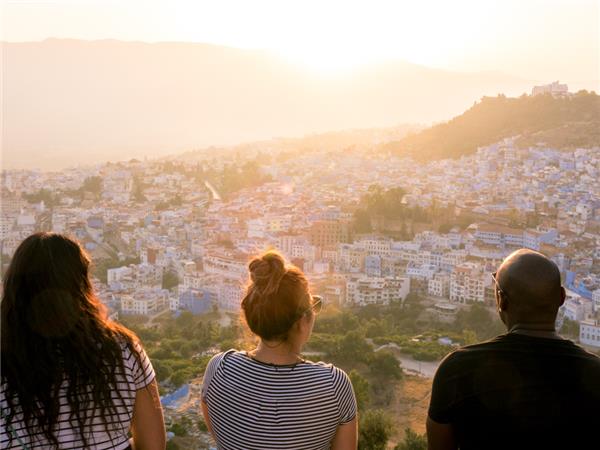
Morocco cultural tour
Come and see Morocco's kaleidoscope of colours
From
£952 to £1315
15 days
ex flights
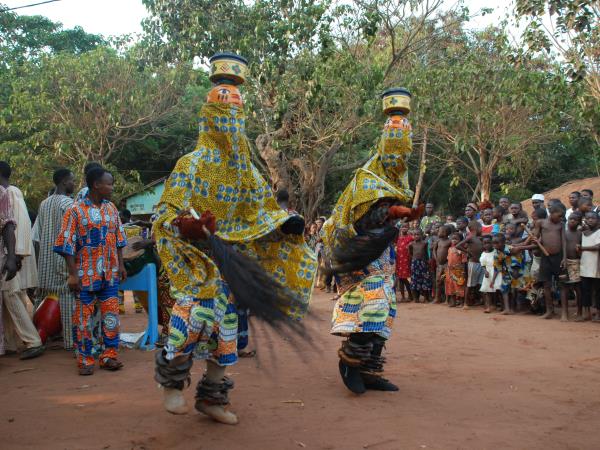
Ghana, Togo and Benin holiday, gold and magic
Traditional villages and voodoo in Ghana, Togo and Benin
From
£3699 to £4065
14 days
ex flights
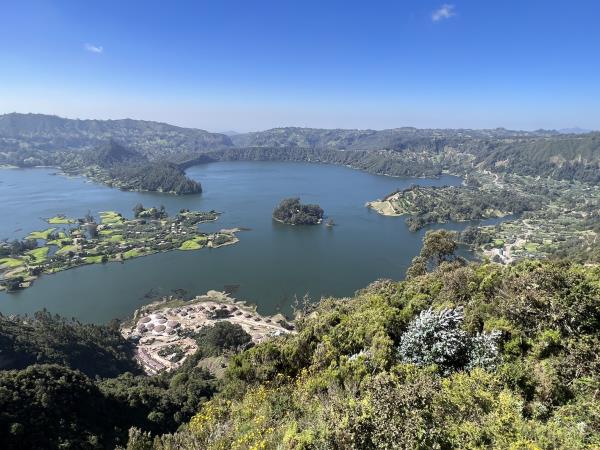
Ethiopia holidays, tailor made
Discover the natural beauty and culture of Ethiopia
From
£3975
14 days
ex flights
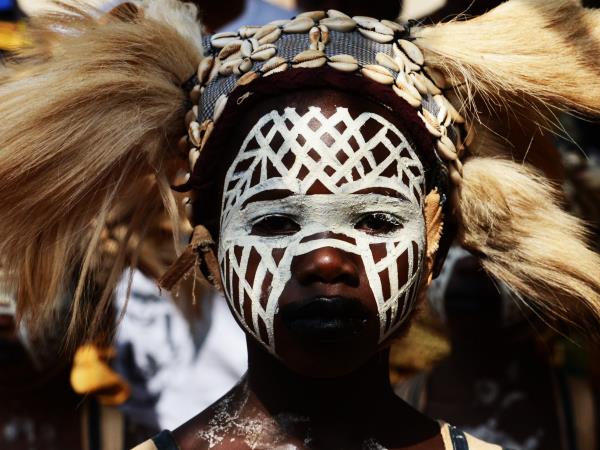
West Africa tour, Bissau to Cotonou
Voodoo heartlands, traditional storytellers and lush islands
From
£9899 to £11199
4 weeks
ex flights
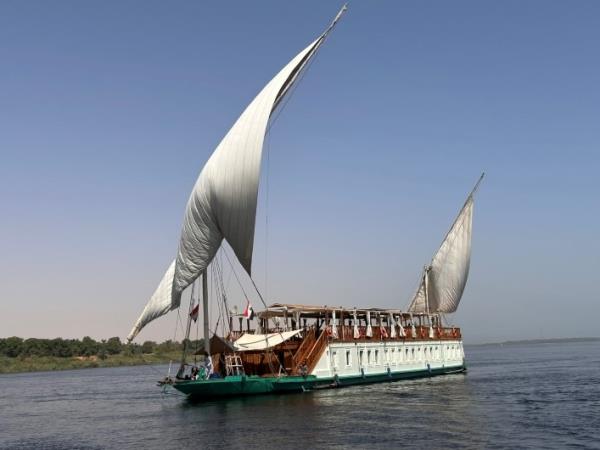
Egypt off the beaten track tour with cruise
Captivating pyramids, and Dhabiya serene Nile cruise
From
£4152
14 days
ex flights
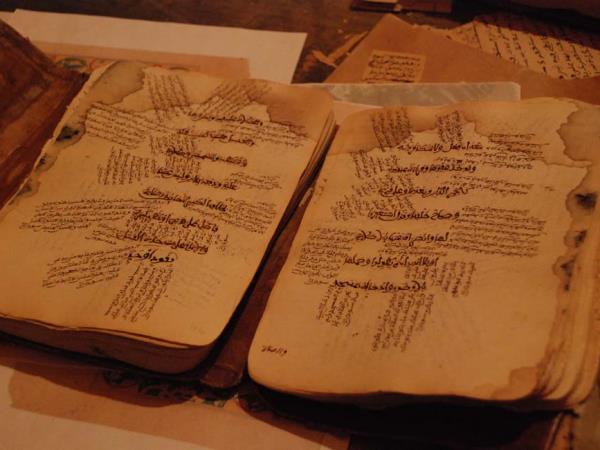
Mauritania small group holiday
Ancient towns, stunning desert scenery and nomadic culture
From
£2349 to £2525
10 days
ex flights


Contact Us
Call us for a chat about our holidays. We are happy to discuss your holiday and help in any way we can. No bots, queues or awful hold music.

01273 823 700
Call us tomorrow after 9am
Calling from outside the UK

How to experience African music on holiday
The view from the boat
On Rwanda’s Lake Kivu, the fishermen sing to boost their morale – it’s been a long night of waiting on the boats with the nets out and now they must gather the strength to pull them up. On our Rwanda tour you can observe the singing fishermen from a nearby boat, and listen out as their voices come across the water.
Voices in the forest
If you travel to the forests of Central Africa on our wildlife holiday, you’ll meet the Ba’Aka people – a much marginalised group whose rich and complex polyphonic singing is full of extraordinary improvisation. Tourism is an important source of income for the Ba’Aka, who have few sustainable employment opportunities.
Around the campfire
“Music is very vibrant in all the ethnic groups across the length and breadth of Ghana,” says Baffoe, who is Asante. “Every tribe has its own unique music and the type of instruments they use.” On a Ghana culture holiday you might end up at a campfire – a magnet the world over for musicians – in a small village, listening to traditional songs.
Music festivals in Africa
If you time your visit with a festival, you can see music in its natural home – a place of spectacle, celebration and emotion, writ large. Religious festivals include the Voodoo Festivals in Benin, where music and dance accompany dramatic ritual, and the Timkat Festival celebrations in Ethiopia, where pilgrims and priests and choirs walk in procession to a local water source to mark the baptism of Jesus in the River Jordan, sometimes taking hours to reach their destination as they stop to sing and dance.
Other festivals include Kenya’s Marsabit Lake Turkana Cultural Festival, Lake of Stars Festival on the shores of Lake Malawi in September, and Gnaoua Music Festival, held every year in June in Essaouira, a celebration of mainly Gnawa music (Moroccan religious song). In February, there’s Sauti za Busara Swahili Music Festival in Zanzibar, and you can go on our trip to see Mali’s Ségou’Art Festival on the Niger. So you like jazz? Head to Senegal for one of the continent's most celebrated jazz festivals, held at Saint Louis. Our eight day Senegal Saint Louis jazz festival holiday gives you the full tour.
Other festivals include Kenya’s Marsabit Lake Turkana Cultural Festival, Lake of Stars Festival on the shores of Lake Malawi in September, and Gnaoua Music Festival, held every year in June in Essaouira, a celebration of mainly Gnawa music (Moroccan religious song). In February, there’s Sauti za Busara Swahili Music Festival in Zanzibar, and you can go on our trip to see Mali’s Ségou’Art Festival on the Niger. So you like jazz? Head to Senegal for one of the continent's most celebrated jazz festivals, held at Saint Louis. Our eight day Senegal Saint Louis jazz festival holiday gives you the full tour.
Africa’s musical cities
It’s easiest to catch music if you immerse yourself in the sights and sounds of a big city. “Harare has an incredible music scene,” says Chris Wrede, from our Africa overland experts Encounters Travel. There are beach parties, day parties and DJ sets in Accra. And then there’s glitzy, hyper-capitalist Lagos, Africa’s biggest city, considered a global music destination. Nigeria’s many music scenes have produced a raft of globally recognised artists, including Rema, whose track Calm Down became the first ever African artist-led track with a billion streams on Spotify.
However, traditional tours to Africa don’t spend nearly as much time in its urban areas as similar tours do on other continents, and cultural tourism is not nearly as well-established as wildlife tourism. There is less infrastructure for tourists and fewer tourist numbers. But as is always the way, it is in cities where some of the most exciting collaborations, fusions and parties happen.
Madri Bowmont, travel specialist at our partner Odyssey World, describes the music scene that is emerging in South Africa: “A very vibrant nightlife has sprung up around the villages... the local music scene has exploded as younger generations get access to the internet.” Then there’s Uganda’s Nyege Nyege festival founded in 2015 – four hectic days of electronic dance music, previously banned by the government on morality grounds.
For the average tourist, it’s harder – and not always appropriate – to intercept local music scenes. And as with any grassroots cultural scene that is born out of partying, there are problems.
But there are ways in. Our cultural tours of Ghana spend time in Kumasi, including a night experiencing the nightlife – or you could time a trip so that it coincides with Accra’s AfroFuture festival (formerly Afrochella) a winter festival full of – you’ve guessed it, Afrobeats. Cape Town has the largest jazz festival on the continent, and you can visit on our eight-day trips. And the beat goes on…
However, traditional tours to Africa don’t spend nearly as much time in its urban areas as similar tours do on other continents, and cultural tourism is not nearly as well-established as wildlife tourism. There is less infrastructure for tourists and fewer tourist numbers. But as is always the way, it is in cities where some of the most exciting collaborations, fusions and parties happen.
Madri Bowmont, travel specialist at our partner Odyssey World, describes the music scene that is emerging in South Africa: “A very vibrant nightlife has sprung up around the villages... the local music scene has exploded as younger generations get access to the internet.” Then there’s Uganda’s Nyege Nyege festival founded in 2015 – four hectic days of electronic dance music, previously banned by the government on morality grounds.
For the average tourist, it’s harder – and not always appropriate – to intercept local music scenes. And as with any grassroots cultural scene that is born out of partying, there are problems.
But there are ways in. Our cultural tours of Ghana spend time in Kumasi, including a night experiencing the nightlife – or you could time a trip so that it coincides with Accra’s AfroFuture festival (formerly Afrochella) a winter festival full of – you’ve guessed it, Afrobeats. Cape Town has the largest jazz festival on the continent, and you can visit on our eight-day trips. And the beat goes on…
More Cultural Africa articles
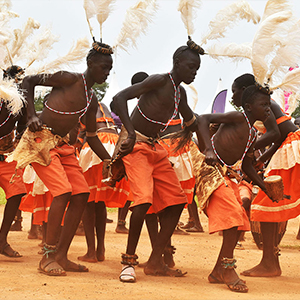
From Burundian drumming to Nollywood in Lagos, Africa’s culture is vast and varied.
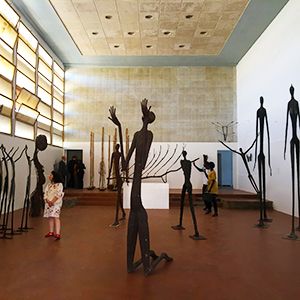
Find out about the fantastic new spaces planned across the continent.
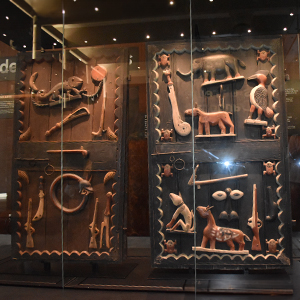
Most cultural holidays to Benin focus on visiting traditional villages over exploring its contemporary culture.
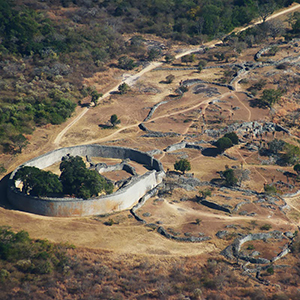
Discover the history and significance of Zimbabwe’s ancient capital.