How do you protect a society on the edge of the Sahara Desert? The M’Zab Valley’s fortified hill villages have preserved their way of life since the 12th century.
How do you stay cool in 40°C heat? Or preserve water when it takes decades to dig a well? And how many uses can you find for the fat from the hump of a camel?
The inhabitants of the M’Zab Valley in Algeria have followed the same way of life for centuries. Their innovative architecture, irrigation systems and food production all reflect their isolated location.
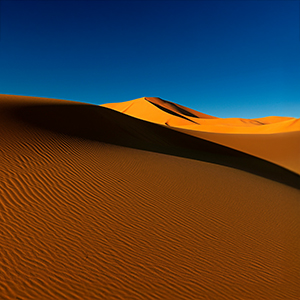
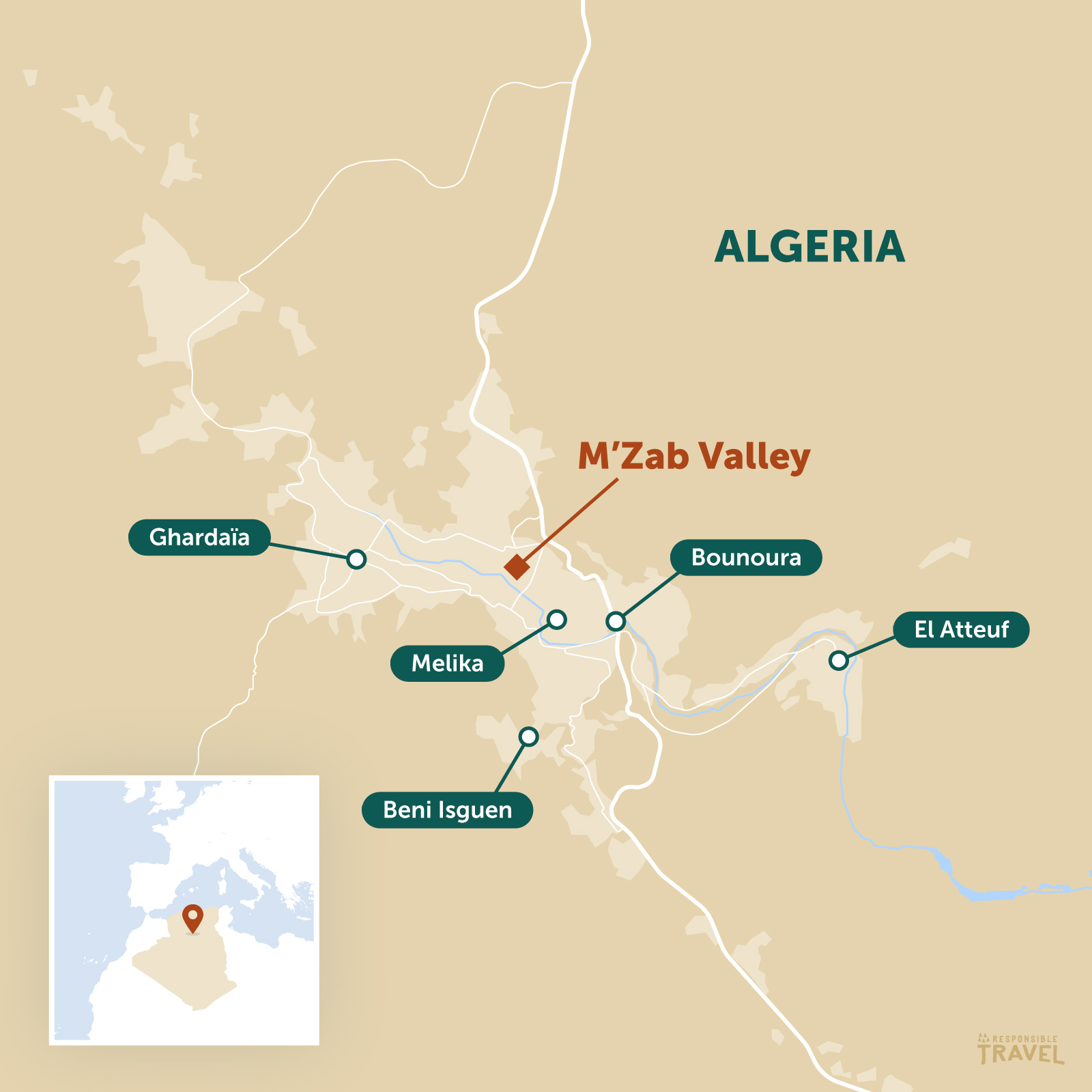
Around 350,000 people live here on the fringes of the Sahara Desert, around 500km south of Algiers, most of them in five UNESCO-listed ksours (fortified towns) built along the valley riverbed: capital Ghardaia, the highly conservative city Beni Isguen, beautiful El Atteuf, and Bounoura and Melika. Collectively, these five settlements, which have merged together as they have grown, are known as the ‘Pentapolis’. You can visit them on our
Algeria and the M’Zab Valley small group holiday. There are two other oasis towns, Guerrara and Berriane, further north.
“The reason we go to the M’Zab Valley is that culturally it feels very different from the far north,” says Antony Barton, North Africa expert at our partner Explore. “The first full day in Algeria we spend on the coast then we take an evening flight and then we get a full day in M’Zab.”
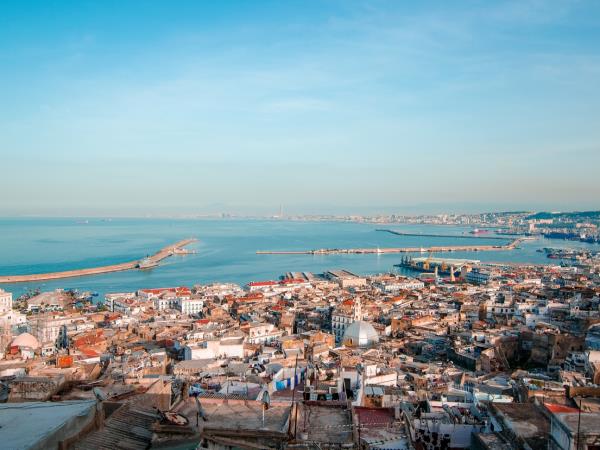
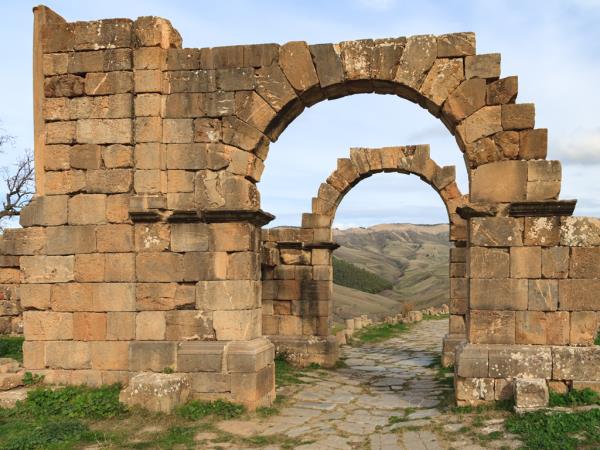
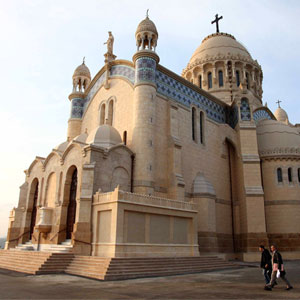
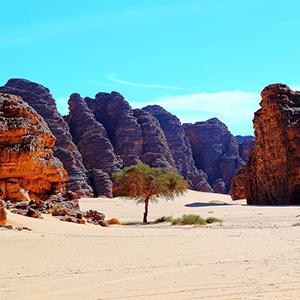
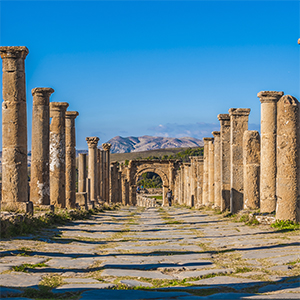
North Algeria feels somewhat Mediterranean: green hills, a French-influenced capital, and Roman ruins. By heading south you get a very different perspective on the largest country in Africa, especially if you go somewhere as unusual as this valley.
The towns in the M’Zab Valley are inhabited by Mozabites, a Berber ethnic group. Most are Ibadi Muslims and follow a conservative and traditional way of life. They settled here in the 11
th century and have lived for centuries in relative isolation from other parts of the country, which has preserved their culture to a huge degree.
Their valley is an oasis; ground water feeds shade-giving date plantations between the towns, whilst the hills are reserved for settlements. Everything has been designed to preserve water (dry spells can last for years), keep out heat, and keep out intruders.