Ocean and California beaches
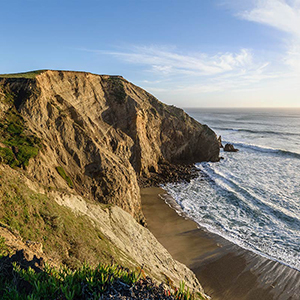
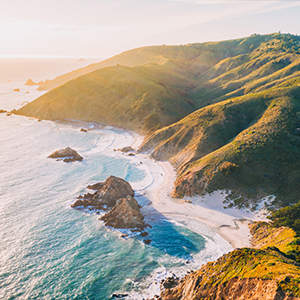
California’s waters and shores offers superb wildlife-watching opportunities, including whale-watching, birdwatching, scuba diving and tidepooling. The cool but nutrient-rich Pacific ocean supports healthy populations of fish, crustaceans and molluscs which in turn feed an abundance of seabirds and marine mammals.
Estuaries and wetlands
Only a few of California’s major river mouths and wetlands have been left undeveloped, but some are protected, providing feeding and breeding areas for migratory and resident birds. Good examples inlcude Bolinas Lagoon in Marin County, Palo Alto Baylands Nature Preserve in San Francisco Bay, Elkhorn Slough near Monterey, Bolsa Chica Ecological Reserve in Orange County and San Elijo Lagoon Ecological Reserve in San Diego County.
Coastal meadows and hills
The grassy coastal meadows and tangled, ferny woodlands of laurel, oak and alder harbour butterflies, weasels, foxes and deer. Tule elk, once critically endangered, were introduced at Tomales Point at Point Reyes National Seashore in the 1970s and are now flourishing.
Desert grasslands
Though plain and brown for much of the year, it doesn’t take much spring rain for the arid grasslands to burst into glorious technicolor. When the wildflowers are in bloom, between February and May, the grasslands are abuzz with insects, reptiles and birds. To see a sea of iconic California poppies in full bloom, head for the Antelope Valley California Poppy Reserve near Lancaster in northern Los Angeles County.
Rivers and lakes
The Sacramento and San Joaquin rivers and their tributaries run through California’s agricultural heartland, but despite widespread development many parts of their banks still support ducks, geese, teal, kingfishers and other freshwater birds, along with mammals such as skunks and raccoons. Lakeshores are good places to see bald eagles and other raptors. Mono Lake, east of Yosemite, is one of several lake habitats which have been threatened over recent decades by plans to divert water for domestic or agricultural use. Following a successful conservation campaign, its water supply is now protected.
Sequoia forestsCalifornia’s mighty sequoias, Sequoia sempervirens (the coast or California redwood, common on the North Coast and parts of the Central Coast) and Sequoiadendron gigantem (the giant sequoia, found on the western slopes of the Sierra Nevada), are the state’s most distinctive trees. Sequoia forests are very shady and harbour fungi, ferns, snails, porcupines, mink, deer, mountain lions, ospreys and owls.
MountainsThe majestic Sierra Nevada contains several climate and altitude zones, featuring alpine wildflower meadows, chaparral and forests of pines, oaks, dogwood and willows, home to ground squirrels, marmots, jays, owls and black bears.
Deserts
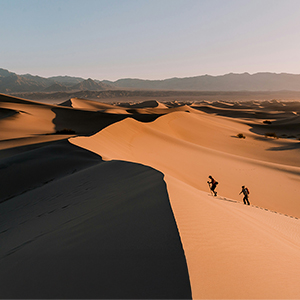
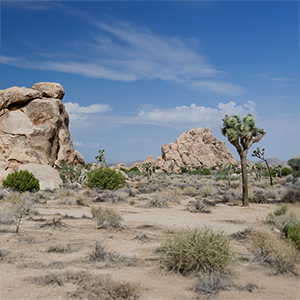
Conditions are harsh in the desert, but plenty of hardy plants survive here. They include cacti; sagebrush, a fragrant herb; creosote, a shrub with puffy yellow flowers; and Joshua trees, a distinctive yucca with clumps of spiky leaves. In spring, the deserts are carpeted with wildflowers. California’s desert-adapted wildlife species include kit foxes, coyotes, bighorn sheep, desert tortoises and kangaroo rats.