Colombia travel guide
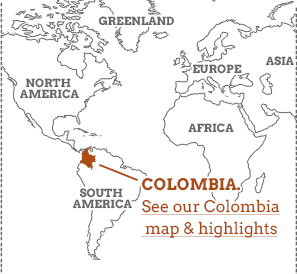
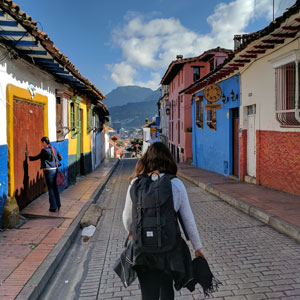
It could be the potent coffee of the lowlands, the mind-bending heat and humidity of the coast, or the lack of oxygen in the Andes – but somehow, when you travel around Colombia everything feels a little dreamlike, and the distinction between truth and fiction starts to blur. Begin in Bogotá, where hipster youths lean on political graffiti-clad walls of colonial buildings, against a breathtaking Andean backdrop. Move on to cobbled colonial villages, where you’ll believe time stopped 300 years ago, as you sip sweet chocolate con queso in whitewashed cafes.

Any fan of Gabriel García Márquez’s novels will admire the way his words tint the everyday with sparkles of magic and surrealism. Visiting his homeland, you’ll understand where this insight comes from.![]()

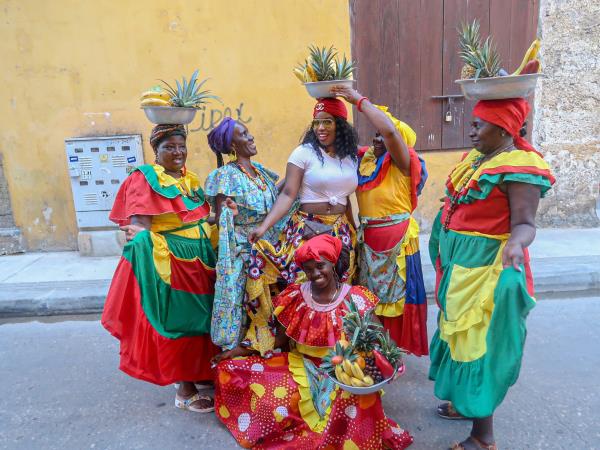
Canoe through the Amazon, where pink dolphins frolic in the flooded forests as monkeys and macaws shriek in the background. Then head to the coast, where the country’s highest mountains overlook calm, Caribbean waters. Nearby, the streets of candy-coloured Cartagena echo to the sound of beating congas, the clatter of hooves, and the calls of Afro-Colombian women balancing bowls of pineapple and papaya on their heads.
Read on in our Colombia travel guide.
Read on in our Colombia travel guide.

Colombia is…
home to around 10 percent of all the earth’s species. It is the second most biologically diverse country in the world.
Colombia isn’t…
dangerous. The few pockets of trouble are far from the tourist trail, leaving you to wander worry free.
What we rate & what we don't
Underrated
Bogotá
High in the Andes, Bogotá is chilly, overcast, noisy and often soggy. But this ramshackle city has a strange charm, as well as being a wonderful introduction to typical Colombian life. Visit the superb Gold Museum with over 55,000 gold artefacts, take a street art tour, hang out with the hipsters in the cute cafes of La Candelaria, and take the funicular up Mount Monserrate for sweeping views across the capital.
Hospitality
It could be the innate Latino warmth, or perhaps the desire to rid their country of its scary image, but Colombians are some of the most warm and hospitable people you could hope to meet. You’ll be served food not just with a smile, but with a back story about ingredients, preparation and family ties. You’ll be invited to dance, offered coffee and rum, and come away feeling you’ve made genuine connections.
Pacific Coast
Remote, sweltering and little developed, Colombia’s Pacific coast has barely opened to tourism and is generally only accessible via plane. But there are ample rewards for those who reach these tropical shores flanked by Chocó Rainforest. Stay at a stunning ecolodge, trek to waterfalls and enjoy deserted beaches. In June, keep an eye out for migrating humpback whales; guides can take you to the best beaches to spot them.
Bird watching
An astonishing diversity of landscapes – from Andes and Amazon to cloud forest and coast – are home to some 1,900 species of birds, including 74 endemics. Amazon River cruises and mountain treks will introduce you to some of the iconic species, while dedicated bird watching holidays explore the country’s many bird reserves, to spot hummingbirds, toucans, parrots, finches and Andean cock-of-the-rocks.
Rated
Old Cartagena
Imagine Havana if it hadn’t been left to crumble, and was intact in all its colourful, colonial glory: that is Old Cartagena. Tropical plants twist around the wooden railings of the double height windows, the cobblestone streets echo with the sound of hooves, birds flit from flower to flower, and the lazy sound of salsa wafts through the still, humid air. You can lose yourself here for days.
The Amazon
The Amazon covers over a third of Colombia; the gateway town of Leticia on the Peru-Brazil border is only accessible by air. Start your jungle exploration at the Ethnographic Museum, before travelling along rivers to isolated lodges and private reserves, past macaws and pink dolphins. Take jungle treks, look down from canopy walkways and visit the village of Mocagua for a different perspective of this rainforest.
Coffee Region
You don’t need to be a caffeine addict to get a buzz from Colombia’s Zona Cafetera. This incredibly pretty region sits in the folds of lower Andean slopes, providing a perfect climate for coffee – and for people. Stay on an organic coffee farm (finca), take a hike or go mountain biking, soak up the atmosphere in sleepy Salento and venture into the surreal Valle de Cocora to see the world’s tallest palm trees.
Music
It’s not all about Shakira; Colombia’s music is as good an insight as any into its regional cultures. The sweltering Caribbean offers up the languid African rhythms of Cuban salsa, along with accordion-heavy Vallenato. Cali is the country’s salsa capital, and the music here is frenetic, with lightning fast footwork. Andean Bambuco waltzes along to the melody of Spanish guitar. Do some YouTube research before you get here!
Overrated
Off piste exploration
While anywhere in Colombia you are likely to venture as a tourist is incredibly safe, there are still large but remote swathes of the country which are out of bounds; the FCO advises against all but essential travel to these regions. Unfortunately, some reckless travellers see this as a challenge. If they disappear or are kidnapped, the overstretched Colombian authorities have to pay the price.
Captive dolphins
Although it is possible to see wild whales and dolphins in Colombia, tourists still flock to see their captive cousins off the Caribbean coast. These may be netted-off seawater pens, rather than SeaWorld-style swimming pools, but this is still far from a natural environment. Travel instead to the Pacific coast to see breaching humpbacks, or seek out mysterious pink river dolphins, bubbling their way up the Amazon.
Drug tourism
Cocaine may be eye wateringly cheap, with dealers hanging out at party hostels and in touristy areas, but if the threat of a jail sentence doesn’t put travellers off, then the impacts on Colombians should. The drugs trade increases crime, taints Colombia’s image, and has caused extended wars, murders, guerilla warfare and the most internally displaced refugees of any country in the world. Your recreational drug is someone else’s death sentence.
Healthy eating
Traditional Colombian food is tasty and filling, but pretty repetitive and heavily dependent on carbs and meat. Vegetarians might struggle here, although if you eat fish you’ll be happy enough on the coast. And the carbs of choice are rice, cassava, plantain and maize flour, so wheat is scarce. Fresh fruit is abundant, cheap and delicious though, and cities are developing foodie scenes, with more varied options.
FOOD, SHOPPING & PEOPLE
Eating & drinking
Like much of South America, Colombian food is based on meat and carbs, with fried fish popular along the coast.
Bandeja paisa is the national dish. Ingredients vary, but usually include steak, sausage, fried egg, rice and beans, corn arepa, plantain and pork crackling. Oh, and sliced avocado, just to balance things out.
Lechona is suckling pig, stuffed with rice, pulled pork and peas, and roasted for hours. It tastes considerably better than it looks…
Café con queso is literally coffee, with chunks of cheese in it. You can also dunk cheese into hot chocolate.
Culture & language
Spanish is Colombia’s national language. Indigenous people comprise around 3.4 percent of the population, with almost 90 ethnic groups, mostly in the Amazon. Along the Pacific coast are Afro-Colombian communities, descended from former slaves. Do learn as much Spanish as you can, it will be gratefully received and will make things easier for you.
For a real cultural icebreaker, we recommend learning a few steps of salsa or cumbia – which could be described as Colombia’s real national language. Two left feet? Try a few words in Chibcha, the language of the Muisca people:
Chibú/Yswa = Hello to one person/more than one
Chowá? = How are you?
Haspkwa sihipkwá = Goodbye
There is a growing herd of wild hippos in Colombia – the descendants of four hippos that Pablo Escobar kept in his own zoo. No one is quite sure how to contain them.![]()
Gifts & shopping
Take a tour of a coffee finca and pick up some fresh coffee direct from the farmer while you are there.
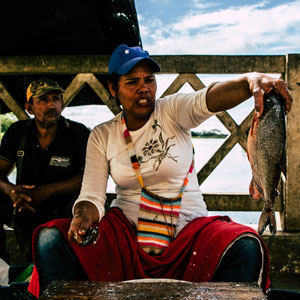
The indigenous Wayúu weave traditional bags, known as mochilas.These are colourful and practical – pick them up around the Sierra Nevada de Santa Marta.
Pre-Colombian communities were expert goldsmiths, particularly renowned for their intricate filigree. Modern day Colombians continue the tradition in Mompós, where you can buy jewellery from a local maker.
How much does it cost?
Budget flight Bogota to Cartagena: £15-£60
Tinto (small black coffee) from a street vendor: 15p
Entry to the Gold Museum: £1
Ferry Cartagena-Islas del Rosario: £15
Handmade Wayúu mochila: £25-£50
Colombia is the only South American country with Pacific and Caribbean coastlines. Its Sierra Nevada de Santa Marta is the highest coastal mountain range in the world, reaching 5,700m.![]()
Private tour of Colombia
Cities, coffee, the outdoors and coastal gems
From
£4500 to £5500
15 days
ex flights
Colombia hiking holiday
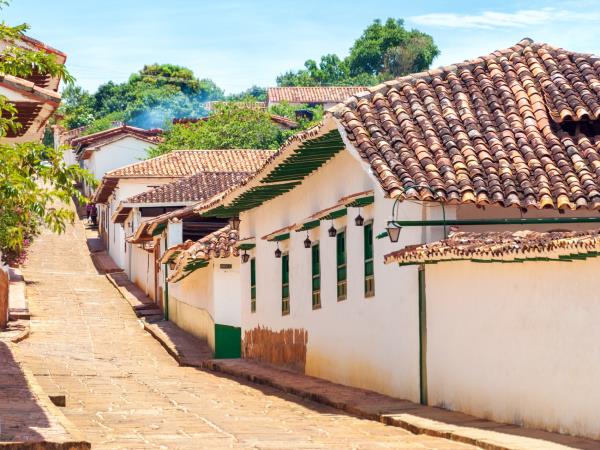
From the capital to the beaches: Bogotá,Barichara, Tayrona
From
US $1758 to US $2767
15 days
ex flights
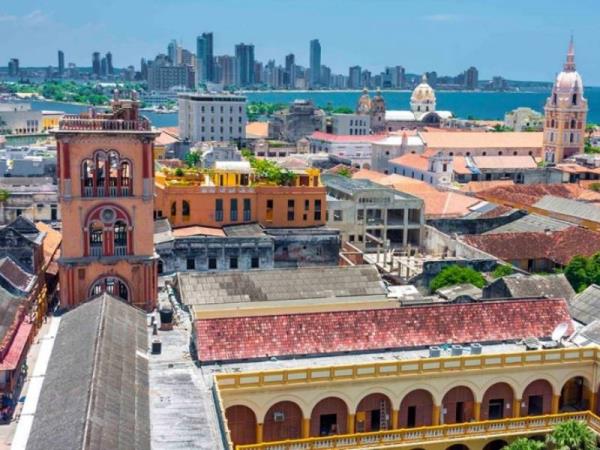
Colombia 20 day tour, cities to Caribbean coast
Discover Colombia's bustling cities and stunning coastline
From
£2395
20 days
ex flights
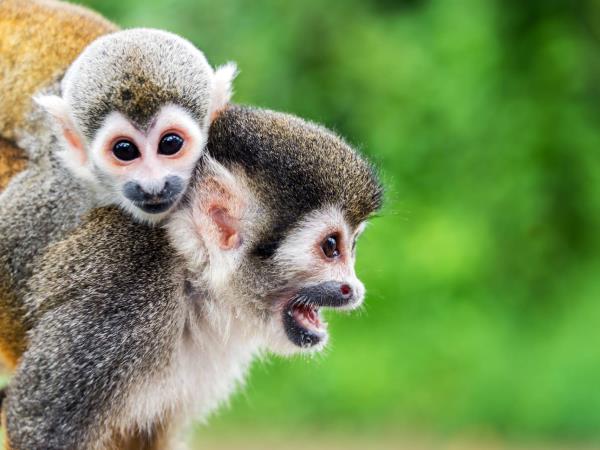
Colombia wildlife & nature holiday
Wildlife and adventure in Colombia's jungles, beach & cities
From
US $2369 to US $2455
10 days
ex flights
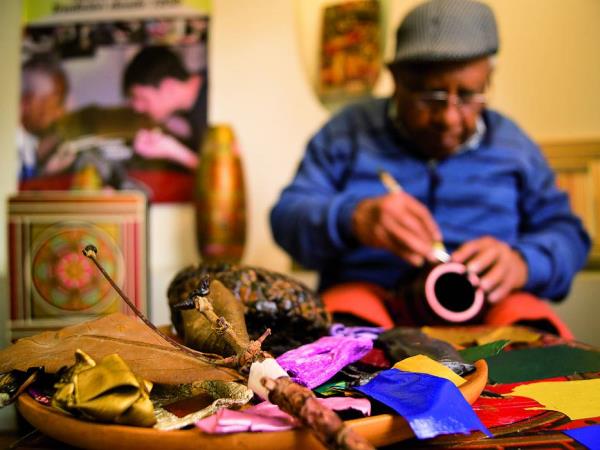
Colombia slow travel holiday
A slower-paced journey through the best of Colombia.
From
£6950
22 days
ex flights
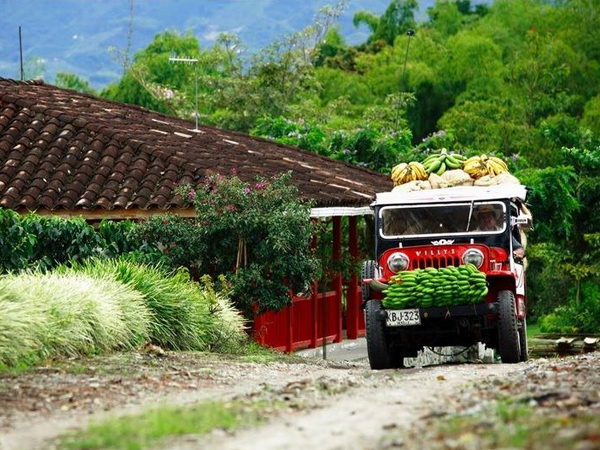
Colombia small group tour
A comprehensive overview of Colombian diversity
From
£3260 to £4405
14 days
ex flights


Contact Us
Call us for a chat about our holidays. We are happy to discuss your holiday and help in any way we can. No bots, queues or awful hold music.

01273 823 700
Call us after 10am
Calling from outside the UK

A brief history of Colombia
Colombia has an incredibly rich human history dating back over 14,000 years. Although it mostly lacks the vast archaeological sites left by neighbouring Incan, Mayan and Aztec empires, it does have an astonishing wealth of artifacts, thousands of which are well preserved and visible today in the country’s superb museums. You can happily spend a few hours in Bogota’s Gold Museum, for example, and marvel at how the Europeans ever considered this phenomenally skilled society to be ‘uncivilised’. Read more
More Colombia articles
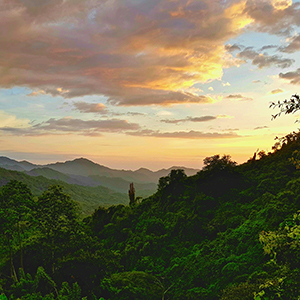
The best time to go to Colombia is in December to March, when the Andes are drier.
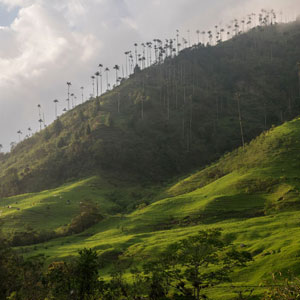
Colombia is huge; there’s no way you’re going to be able to explore it all in a single trip.
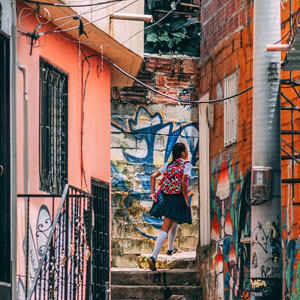
From Cali to Cartagena, Colombia’s cities are shaking off their dangerous reputations and reinventing themselves.
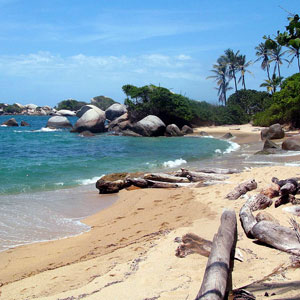
It's little wonder the Caribbean coast is the grand finale on most tours through Colombia.
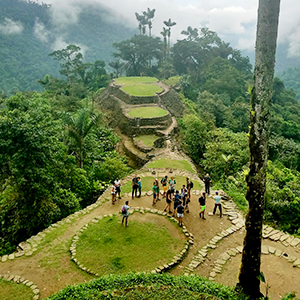
Discover the Lost City Trek in Colombia, a hike to a city abandoned 400 years ago.
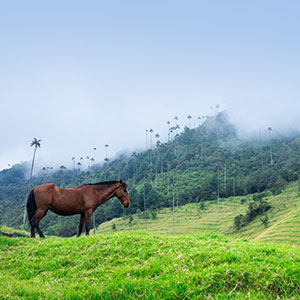
Tours through Colombia’s Zona Cafetera reveal the traditional coffee-making process.
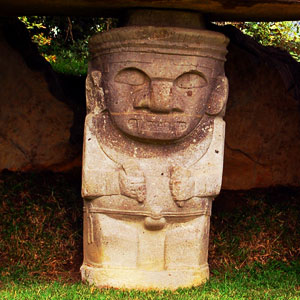
Explore one of South America’s most important archaeological sites at San Agustin.
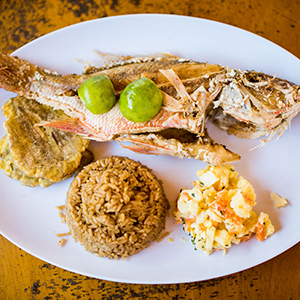
Coffee, cacao, chicha and more besides with our guide to traditional Colombian cuisine.
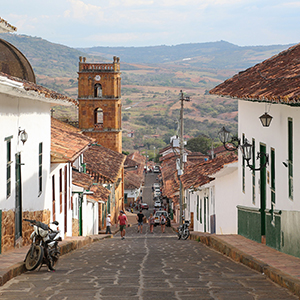
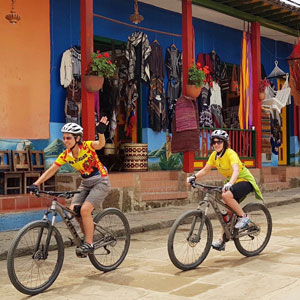
For Colombians, cycling is something of a national past time: practically everyone has a bike and knows how to use it.
Get top travel tips from our South American experts. They’ve shared their advice on what to do – and what not to.
Colombia is pretty new to tourism, so its development in the next few years will be crucial.