Food & drink in Colombia
Colombia is a vast country, with an incredibly varied cuisine that differs widely between Caribbean and Pacific coasts, Andean peaks, open plains where cattle are raised, and Amazonian rainforest. Overlaid on that geography, you have culinary influences from more than 100 Indigenous groups making up around four percent of the population; from trade along the coasts, much of it from Asia; from three centuries of Spanish colonisation and from more than a million African enslaved peoples brought over the ocean during that period.
“What makes our cuisine different? The presence of the land. If I go out in my garden, I have most of the things I need, and if I don’t then the grocery or store down the road will, and their suppliers are all local, too.” Natalia Arbalez is a manager for our partner BnB Colombia Tours, as well as a chef and biology student. This is one of the world’s most biodiverse countries and the cuisine is strongly influenced by whatever grows in the area.
But while Colombian food culture is defined by geography, its history also plays a major part. On our cultural holidays you won’t just taste food and drinks like coffee, cacao and chicha, you’ll also learn the often fascinating stories behind them.
“What makes our cuisine different? The presence of the land. If I go out in my garden, I have most of the things I need, and if I don’t then the grocery or store down the road will, and their suppliers are all local, too.” Natalia Arbalez is a manager for our partner BnB Colombia Tours, as well as a chef and biology student. This is one of the world’s most biodiverse countries and the cuisine is strongly influenced by whatever grows in the area.
But while Colombian food culture is defined by geography, its history also plays a major part. On our cultural holidays you won’t just taste food and drinks like coffee, cacao and chicha, you’ll also learn the often fascinating stories behind them.

Regional food in Colombia
Most Colombia tours visit three areas. In the mountainous highlands, where traditional farm-style cooking is most prevalent, the staples tend to be potatoes and corn, wheat and meat. In the coffee regions in the Andean foothills and around Medellin, the cuisine is a lot lighter, and includes many treats like caramel and chocolate. Seafood is rarely eaten in these parts, but on the coast it’s seafood all the way – think ceviche, hearty stews, platters of fried fish. On the Caribbean coast, in places like Cartagena, many seafood dishes are infused with coconut, reflecting hereditary ties with West and Central Africa. “On our tours we go fishing in the mangroves there, and then you cook whatever you catch,” says Natalia. “It’s an experience everyone loves and it provides more money for local fishermen.”
What to eat in Colombia
Chicha tastings
Chicha is a fermented alcoholic drink often made with corn, with deep roots in Indigenous culture. Chosen women, often community elders, would chew the corn for hours (and sometimes for days) before important traditional ceremonies and rituals, as it was thought their wisdom then passed into the drink. Later, that process was mechanised, but the drink’s importance to Colombia’s Indigenous peoples was undiminished.Thick and frothy, packed with carbohydrates and sugar, chicha was originally an energy drink for manual workers in rural areas, to the point that many would wear gourds made from calabash shells around their necks, into which their chicha could be poured.
Then, from the late 19th century, chicha began to be stigmatised as unhealthy, and a pathway to violence and crime. Some suspected the accusations were part of a plan to boost beer consumption instead. Eventually chicha was banned altogether. Those who made, sold or even drank it faced imprisonment. But prohibition didn’t work. Bootlegging became common – everyone knew who in their neighbourhood could supply it. “Women would make it in their homes. How could the government stop it after all, because we need corn for arepas, too, so who is to say where it is being used,” says Natalia.
Eventually chicha made something of a comeback. Though it remains illegal, consumption has been legitimised in some areas, and you may see street sellers with their colourful bottles denoting different flavours. On our Colombia slow travel holidays you might take part in a chicha tasting experience – “but it’s more than just a tasting,” says Sam Gough, founder of our partner Travel Differently. “Chicha has been around for hundreds of years – thousands of years, probably. What’s amazing about our tasting experience is hearing how the drink relates to Colombian culture. You get a whole history of the last 500 years through the story of a drink.”
Colombian coffee culture
Most tours will visit at least one of Colombia’s 17 coffee regions – there are around half a million coffee farmers here, ranging from huge multinational operations to tiny subsistence growers.
“Coffee is super important for us,” says Natalia, who lives in the Risaralda department, where the Arabica variety is cultivated. “We call it tinto. If you go to a Colombian house and they don't offer you tinto, they don't want you there! We can drink coffee from morning to evening. Even the kids – we had a big discussion over whether to give our kids a cafe con leche. Because they have to grow into it.”
“If you go to a local cafe, you’re getting the average stuff and not necessarily Colombian coffee, so that’s why it’s still worth going to the coffee region itself,” adds Sam. When arranging coffee farm tours, our Colombia holidays work with families that have been growing coffee for generations, eschewing more touristy experiences in favour of guided walks around plantations led by people who can share first-hand knowledge of what’s involved in this immensely physical process, from planting the beans to hauling sacks onto the trucks for roasting. You can try ‘cupping’, learning to differentiate a coffee’s origins by its taste and aroma.
“Coffee is super important for us,” says Natalia, who lives in the Risaralda department, where the Arabica variety is cultivated. “We call it tinto. If you go to a Colombian house and they don't offer you tinto, they don't want you there! We can drink coffee from morning to evening. Even the kids – we had a big discussion over whether to give our kids a cafe con leche. Because they have to grow into it.”
“If you go to a local cafe, you’re getting the average stuff and not necessarily Colombian coffee, so that’s why it’s still worth going to the coffee region itself,” adds Sam. When arranging coffee farm tours, our Colombia holidays work with families that have been growing coffee for generations, eschewing more touristy experiences in favour of guided walks around plantations led by people who can share first-hand knowledge of what’s involved in this immensely physical process, from planting the beans to hauling sacks onto the trucks for roasting. You can try ‘cupping’, learning to differentiate a coffee’s origins by its taste and aroma.
Cacao
Cacao-tasting is one of the most popular food experiences in Colombia. On our holidays you can visit a finca (ranch) and take a guided hike around a cacao plantation. Other activities include learning how to make your own artisanal chocolate bar, or spa experiences such as an exfoliation using a mixture of chocolate and cocoa bean husks.
Cacao is strongly related to Indigenous culture, with some communities considering it a gift from the gods. And if you’ve ever had Colombian drinking chocolate fresh from the factory, you’ll probably agree. “Cacao was used as an offering to the gods and the ancestors, and also a form of currency in trade,” says Natalia. “It’s been in our culture for a long time, and nowadays we get a lot of chefs doing new, interesting and delicious things with it. For example, I tried meat with a cacao sauce once.”
Cacao is strongly related to Indigenous culture, with some communities considering it a gift from the gods. And if you’ve ever had Colombian drinking chocolate fresh from the factory, you’ll probably agree. “Cacao was used as an offering to the gods and the ancestors, and also a form of currency in trade,” says Natalia. “It’s been in our culture for a long time, and nowadays we get a lot of chefs doing new, interesting and delicious things with it. For example, I tried meat with a cacao sauce once.”
You say potato…
Picture, if you will, the potato. Nothing particularly remarkable about this humble root vegetable, you might think. Yet in Colombia, the spud is a symbol of spirited rebellion, of freedom and the importance of protecting biodiversity.
In the early 20th century, a collective of Colombian Indigenous groups, environmentalists and farmers faced off with the formidably rich and powerful agribusiness and food tech lobby. The battle was over the growing of genetically modified crops, which carry the promise of higher yields and less requirement for pesticides, yet which many fear leads to cross-pollination with native seeds, a creeping uniformity in taste and appearance, a form of ‘genetic erosion’.
Potatoes are the staple crop of Boyaca, a town in central Colombia’s Andean region. “The US multinational Monsanto came in 20 or 30 years ago, effectively taking over all the farms in the area and banning all the local seeds so they were only growing their own super-efficient, super-cheap varieties,” says Sam. “There was a huge rebellion amongst the local farmers. There were strikes and protests and sabotage, all part of what made me fall in love with Latin America in the first place – the pride and the spirit. And they won and they kicked Monsanto out.”
But by this point, many potato seed varieties were in danger of being lost, at a cost to biodiversity. So, a local family set up a farm and began growing dozens of them. On our holidays you can visit the farm, and see and taste potatoes of many colours and shapes, at the same time getting a fascinating snapshot of Colombian history. “All of these potato varieties can’t be reintroduced into cooking easily because people find them unusual or don’t know what to do with them,” says Natalia. “But it’s important to keep them in the genetic pool, so we have them in case they’re needed for the future.”
In the early 20th century, a collective of Colombian Indigenous groups, environmentalists and farmers faced off with the formidably rich and powerful agribusiness and food tech lobby. The battle was over the growing of genetically modified crops, which carry the promise of higher yields and less requirement for pesticides, yet which many fear leads to cross-pollination with native seeds, a creeping uniformity in taste and appearance, a form of ‘genetic erosion’.
Potatoes are the staple crop of Boyaca, a town in central Colombia’s Andean region. “The US multinational Monsanto came in 20 or 30 years ago, effectively taking over all the farms in the area and banning all the local seeds so they were only growing their own super-efficient, super-cheap varieties,” says Sam. “There was a huge rebellion amongst the local farmers. There were strikes and protests and sabotage, all part of what made me fall in love with Latin America in the first place – the pride and the spirit. And they won and they kicked Monsanto out.”
But by this point, many potato seed varieties were in danger of being lost, at a cost to biodiversity. So, a local family set up a farm and began growing dozens of them. On our holidays you can visit the farm, and see and taste potatoes of many colours and shapes, at the same time getting a fascinating snapshot of Colombian history. “All of these potato varieties can’t be reintroduced into cooking easily because people find them unusual or don’t know what to do with them,” says Natalia. “But it’s important to keep them in the genetic pool, so we have them in case they’re needed for the future.”
Traditional dishes in Colombia
In Colombia they say chocolate without cheese is like love without a kiss. It may sound like an unusual mix, but sweet and savoury is a classic combination and dipping cubes of cheese into a cup of hot chocolate, fondue-style, is delicious.
Other traditional Colombian food includes bandeja paisa (essentially the Colombian equivalent of the full English breakfast). A large plate is stacked with plantains, cornbread, beans, meat and avocado. It’s most commonly found in rural, mountainous areas.
Arepas are flat, fried cakes made of cornmeal with fillings such as meat, cheese or egg. The taste and appearance can vary widely. “There is a longstanding argument between Colombia and Venezuela about who invented the arepa,” says Natalia. “We have them all over the country. They're all different, and in every region they're going to tell you that theirs are the best.”
Every region of Colombia also has its own special soup. Ajiaco is common in Bogota. It’s a creamy concoction made with chicken and potato, flavoured with capers and wild mountain herbs. “I love it and try to make it at least once a week,” says Natalia. “It's a comfort food and it also helps when understanding the culture in the mountains, of coping with the cold weather.” Another popular mountain soup is changua, a milky broth with eggs in it. Sancocho is a versatile soup, where you put in whatever you have in the cupboard, or at risk of going off. So it might have chicken, beef or pork, or all three, perhaps fish if you’re on the coast, along with vegetables like yucca and plantain.
Other traditional Colombian food includes bandeja paisa (essentially the Colombian equivalent of the full English breakfast). A large plate is stacked with plantains, cornbread, beans, meat and avocado. It’s most commonly found in rural, mountainous areas.
Arepas are flat, fried cakes made of cornmeal with fillings such as meat, cheese or egg. The taste and appearance can vary widely. “There is a longstanding argument between Colombia and Venezuela about who invented the arepa,” says Natalia. “We have them all over the country. They're all different, and in every region they're going to tell you that theirs are the best.”
Every region of Colombia also has its own special soup. Ajiaco is common in Bogota. It’s a creamy concoction made with chicken and potato, flavoured with capers and wild mountain herbs. “I love it and try to make it at least once a week,” says Natalia. “It's a comfort food and it also helps when understanding the culture in the mountains, of coping with the cold weather.” Another popular mountain soup is changua, a milky broth with eggs in it. Sancocho is a versatile soup, where you put in whatever you have in the cupboard, or at risk of going off. So it might have chicken, beef or pork, or all three, perhaps fish if you’re on the coast, along with vegetables like yucca and plantain.
Colombian street food
“A la orden?” comes the constant refrain whenever you walk through the market. “A la orden? A la orden?” “Can I help you?” It’s the chant of the street vendor, at your service with a freshly baked empanada, fried plantain chips, a parcel of churros sprinkled with chocolate sauce or an almojabana, an irresistible cheesy bread that’s a favourite of morning commuters.
Our Colombia tours will often feature guided market tours in places like Medellin, Bogota and Cartagena to explore the local street food scene. They’re a great way of getting your bearings in a new place, and a new culture.
Empanadas are one of the most popular street foods in Colombia, baked or deep fried, and packed with meat and spices. Drizzle some picante salsa over them for a bit more heat. Popayan is a quiet little town that has nevertheless been recognised by UNESCO as a cradle of regional gastronomy, with one notable dish being a small empanada called pipian which is made with peanuts and has a very thick crust.
You can find some mouthwatering temptations, like trays of roasted suckling pig, and also some more offbeat but intriguing dishes. Pick up a bag of hormigas culonas and you’ll be tucking into ‘big-bottomed ants’ – protein-rich leafcutter ants that are fried or roasted in salt, with a taste often compared to pork scratchings or peanut shells. Some people consider them an aphrodisiac.
Our Colombia tours will often feature guided market tours in places like Medellin, Bogota and Cartagena to explore the local street food scene. They’re a great way of getting your bearings in a new place, and a new culture.
Empanadas are one of the most popular street foods in Colombia, baked or deep fried, and packed with meat and spices. Drizzle some picante salsa over them for a bit more heat. Popayan is a quiet little town that has nevertheless been recognised by UNESCO as a cradle of regional gastronomy, with one notable dish being a small empanada called pipian which is made with peanuts and has a very thick crust.
You can find some mouthwatering temptations, like trays of roasted suckling pig, and also some more offbeat but intriguing dishes. Pick up a bag of hormigas culonas and you’ll be tucking into ‘big-bottomed ants’ – protein-rich leafcutter ants that are fried or roasted in salt, with a taste often compared to pork scratchings or peanut shells. Some people consider them an aphrodisiac.
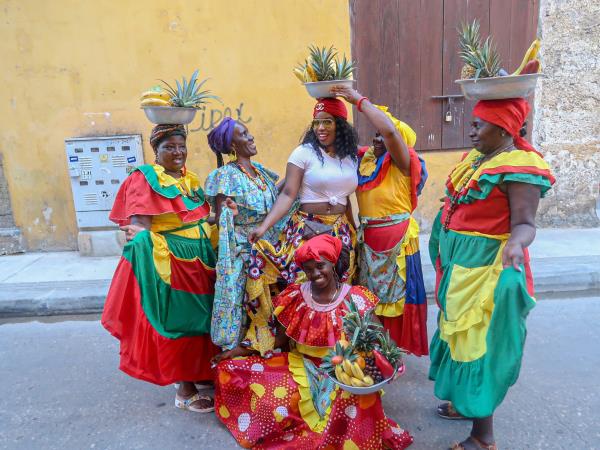
Private tour of Colombia
Cities, coffee, the outdoors and coastal gems
From
£4500 to £5500
15 days
ex flights
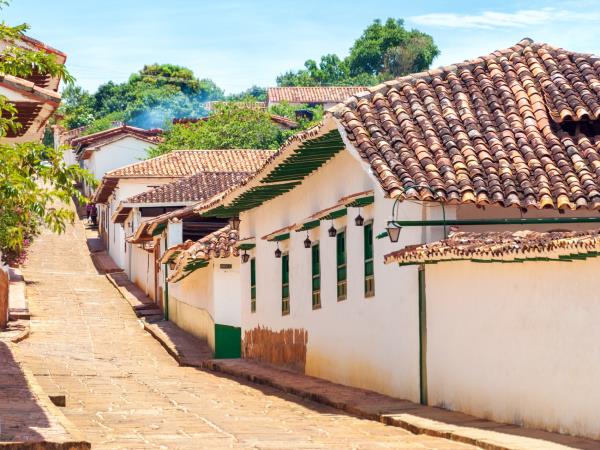
Colombia hiking holiday
From the capital to the beaches: Bogotá,Barichara, Tayrona
From
US $1758 to US $2767
15 days
ex flights
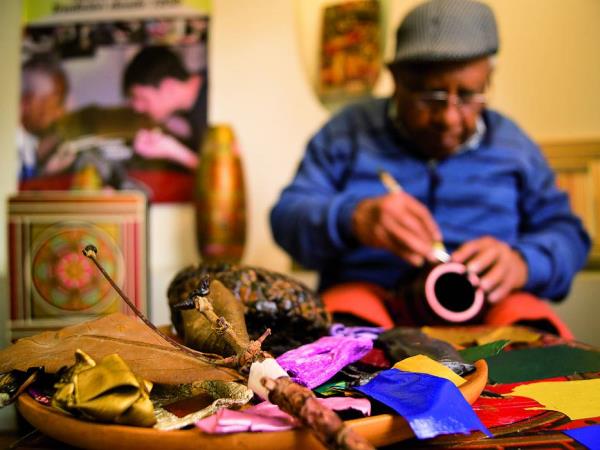
Colombia slow travel holiday
A slower-paced journey through the best of Colombia.
From
£6950
22 days
ex flights
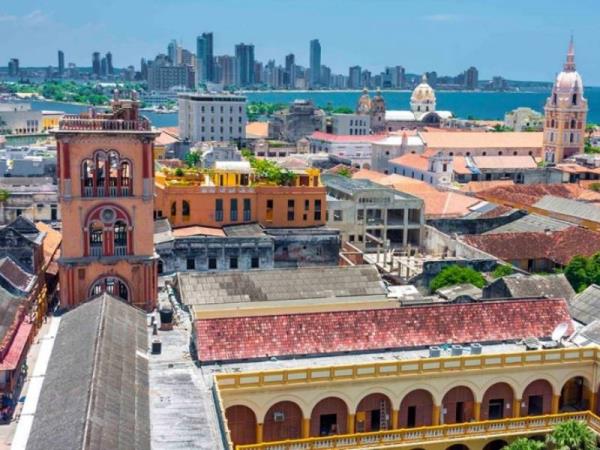
Colombia 20 day tour, cities to Caribbean coast
Discover Colombia's bustling cities and stunning coastline
From
£2395
20 days
ex flights
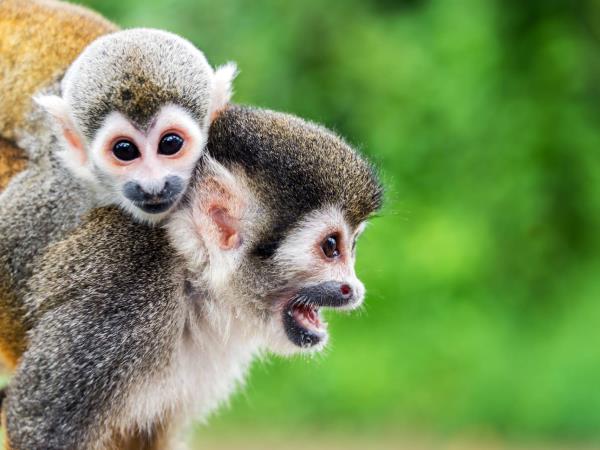
Colombia wildlife & nature holiday
Wildlife and adventure in Colombia's jungles, beach & cities
From
US $2369 to US $2455
10 days
ex flights
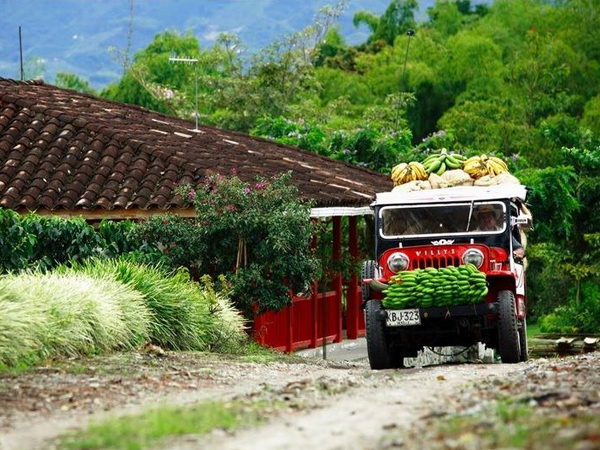
Colombia small group tour
A comprehensive overview of Colombian diversity
From
£3260 to £4405
14 days
ex flights


Contact Us
Call us for a chat about our holidays. We are happy to discuss your holiday and help in any way we can. No bots, queues or awful hold music.

01273 823 700
Call us after 10am
Calling from outside the UK

Our travellers also ask…
What is Colombian food like?
Colombian cuisine is immensely varied, strongly regional and typically made with locally sourced ingredients. Many people will only eat the traditional food available in their area. So, while you will get seafood restaurants in Bogota, it’s not very common, as the fish has to be flown up from the coast. Another aspect of this regionality is that you’ll find different takes on the same dish depending on where you are in the country, with arepas, or corn cakes, a prime example.
Is Colombian food spicy?
Colombian food is not especially spicy. Some dishes have a little heat to them, but if you want to dial it up a notch then ask for some aji picante, which is a hot sauce made with peppers, cilantro and lime juice.
Is Colombia good for vegetarian and vegan travellers?
Vegetarians shouldn’t have much difficulty in Colombia. In rural areas, vegan travellers may struggle a little, and you’ll eat a lot of rice and beans, though fruit and vegetables are always plentiful, too. In cities such as Medellin and Bogota, however, there are no such difficulties, and you’ll find dozens of vegan restaurants among a diverse culinary scene. Popular street foods such as arepas, empanadas and tamales can be veganised, as can soups and stews.
What food is Colombia famous for?
Some of the most well-known Colombian foods include arepas and soups, with variations found in every region of the country. Empanadas, stuffed pastries, are a popular street food. Bandeja paisa, a mountain of food on a plate that will fuel a manual worker for the day, is the national dish. Coffee and cacao are two of Colombia’s biggest exports and are best-tasted in the regions where they are grown.
What do people drink in Colombia?
Popular Colombian drinks include the fermented corn drink chicha, though technically it’s illegal and not widely available. Viche is another homebrewed alcoholic drink, made from sugar cane and found mostly along the Pacific coast. Coffee is taken at all hours, and if you ever visit a Colombian home, expect to be offered a cup of tinto before you’ve even taken your shoes off.

Responsible Travel would like to thank ProColombia for their sponsorship of this article.
More Colombia articles
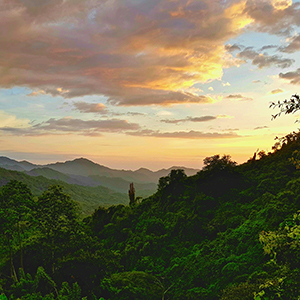
The best time to go to Colombia is in December to March, when the Andes are drier.
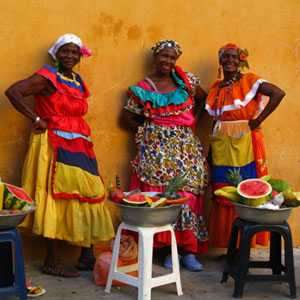
Our guide explores this country where, as the tourist board once claimed, 'the only risk is wanting to stay'.
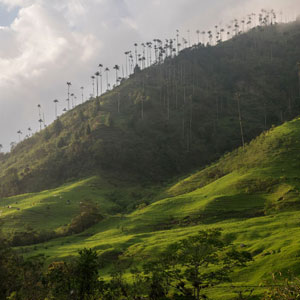
Colombia is huge; there’s no way you’re going to be able to explore it all in a single trip.
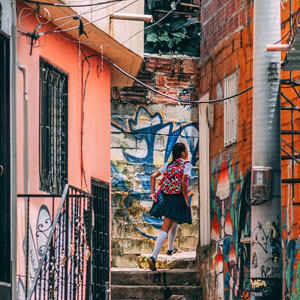
From Cali to Cartagena, Colombia’s cities are shaking off their dangerous reputations and reinventing themselves.
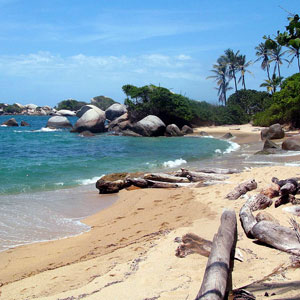
It's little wonder the Caribbean coast is the grand finale on most tours through Colombia.
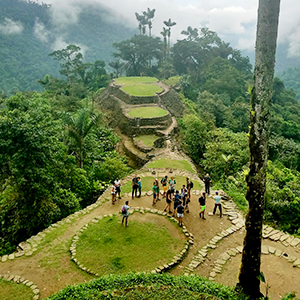
Discover the Lost City Trek in Colombia, a hike to a city abandoned 400 years ago.
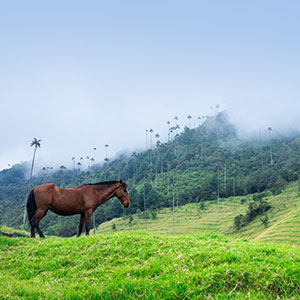
Tours through Colombia’s Zona Cafetera reveal the traditional coffee-making process.
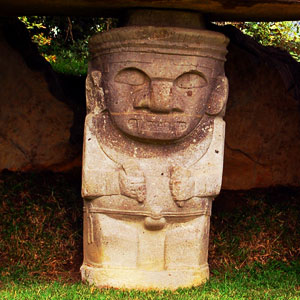
Explore one of South America’s most important archaeological sites at San Agustin.
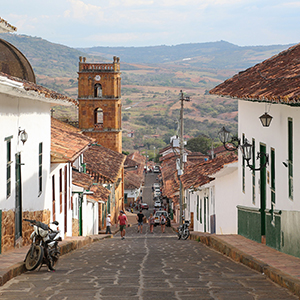
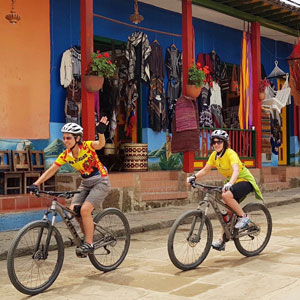
For Colombians, cycling is something of a national past time: practically everyone has a bike and knows how to use it.
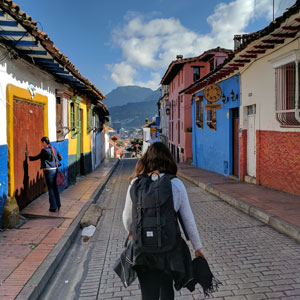
Get top travel tips from our South American experts. They’ve shared their advice on what to do – and what not to.
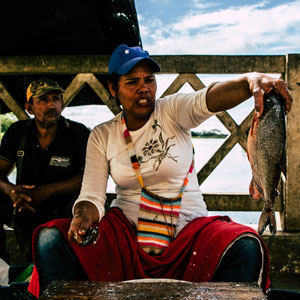
Colombia is pretty new to tourism, so its development in the next few years will be crucial.