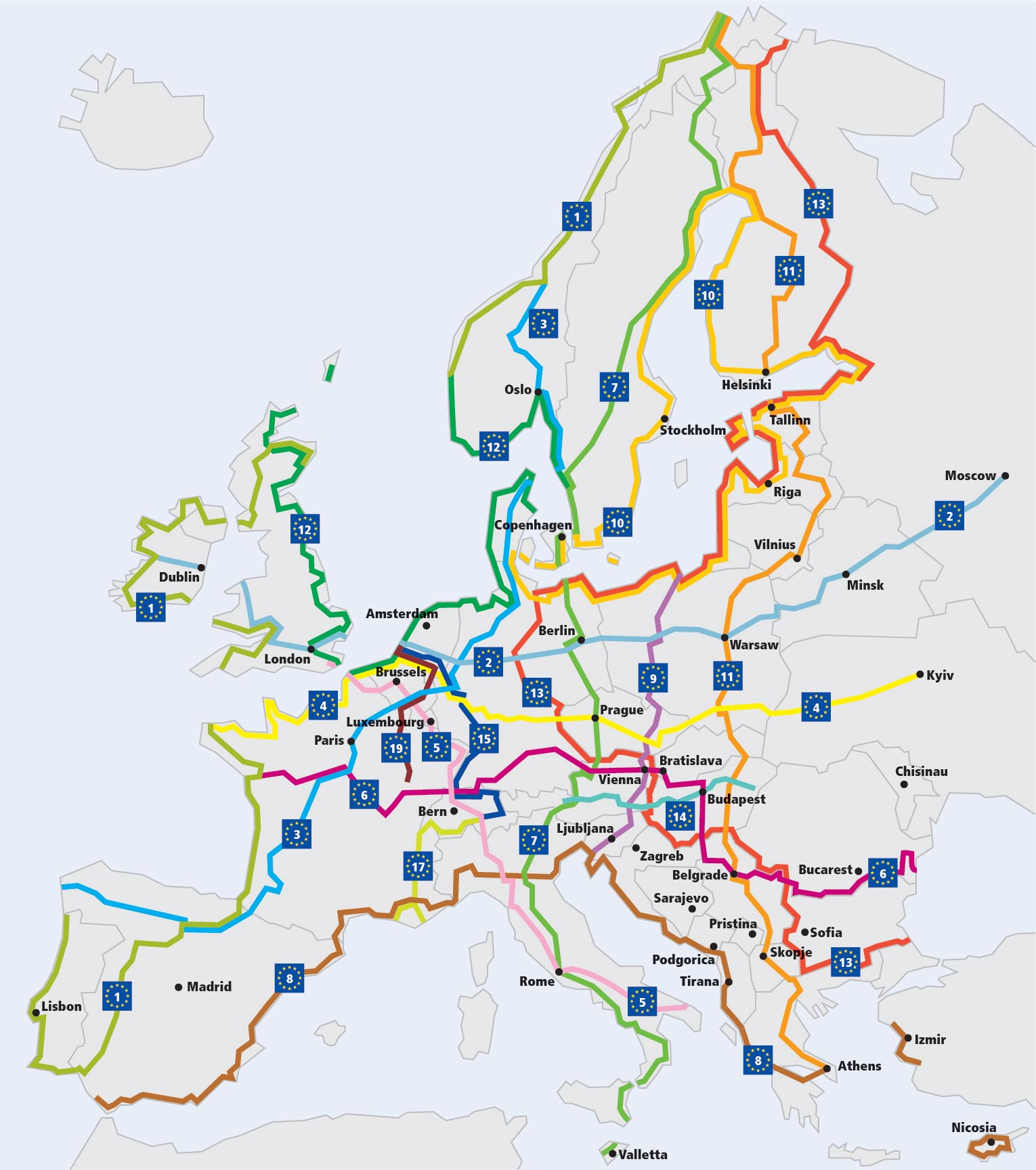
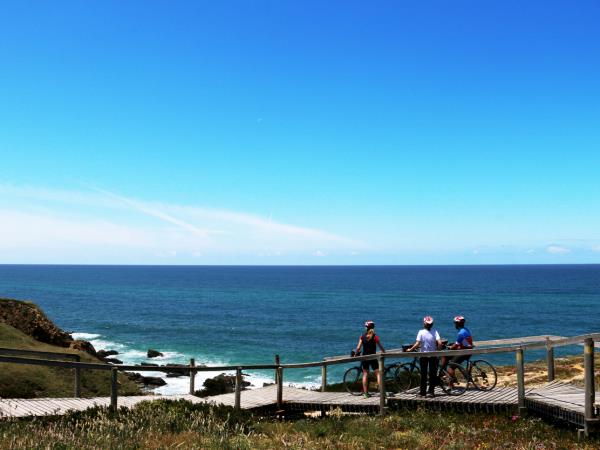
Given that most travellers aren’t planning to do the entire route, there are fantastic highlights on every route in the EuroVelo universe.
Many people eye with interest the Iron Curtain Trail (EuroVelo 13), a 9,000km border cycle that traces where the Iron Curtain fell across the continent. It’s on Jessica’s to-do list, “I have a background in Eastern European studies– contemporary European history is very meaningful to me.” But, weaving as it does across and along borders, the route has so far proved hard to develop beyond the planning stages.
Some routes are historic: the Via Romea Francigena (EuroVelo 5) follows a 10th-century pilgrimage route from London to Rome. EuroVelo 3 follows the French Way of the Camino de Santiago. EuroVelo 9, from the Baltic to the Adriatic, follows the Amber Road, which used to transport the gemstones from the Baltic.
Some routes are thematic. The Sun Route (EuroVelo 7) begins in Norway and Finland – the lands of the midnight sun – and takes you to the even brighter sunshine of Italy and Malta.
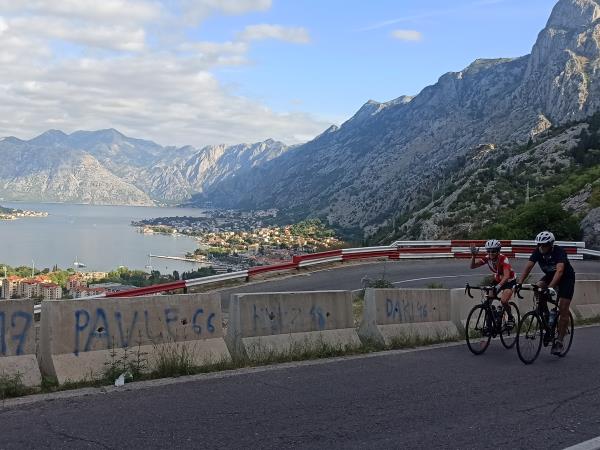
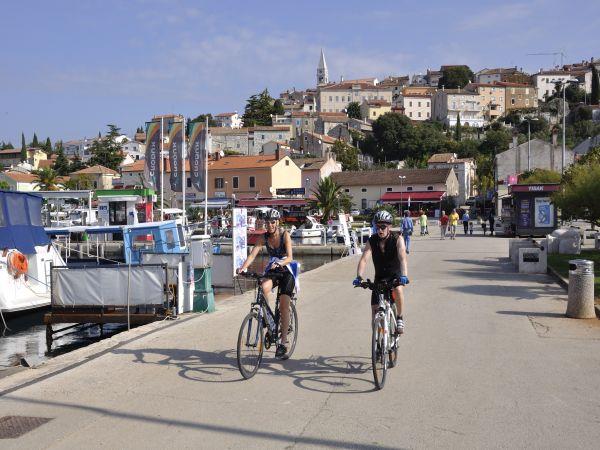
The Route of Health and Friendship, on the disused Parenzana railway in Slovenia, takes the prize for the best name. It forms part of the Mediterranean Route (EuroVelo 8), which also contains a cycle up the R-25 serpentine road leading out of Montenegro’s Bay of Kotor, and the pretty
Trieste to Pula cycle route.
Some journeys cannot help but be political: the Capitals Route (EuroVelo 2) goes from Dublin to London, Berlin and Warsaw, finishing in Moscow’s Red Square. The Central Europe Route (EuroVelo 4) starts in France, dips into Belgium, the Netherlands, Germany, Czechia and Poland, passing Pochayiv Monastery in Ukraine before finishing in Kyiv.
Cycling is like telling a story, but the name of the route is only half of the tale. For many, the story of their journey is very personal. Witness the thousands who take to the saddle to cycle for charity, in memory of others, or after life-changing news.