Georgia travel guide

Georgia holidays open a world where ancient stone towers appear organically from velvet green mountain shelves and legendary characters are toasted with the same golden tongue as peace, wives and new-found friends. As our Georgia travel guide reveals, this is a land at the crossroads of civilisations, not quite Asian nor European, where you're just as likely to find an Orthodox Christian church as you are an inn or guesthouse; and where neighbours, such as Armenia and Azerbaijan, offer their own distinctly different experiences to help keep cultural travellers totally captivated.

Georgia has enormous soul and is one of those countries that won’t leave you thinking: ‘where can I go to next’ but ‘when can I come back?’![]()

Prepare your feet for the foothills of the Caucasus, your ears for polyphonic singing and your spirit for Georgian hospitality, which always includes at least two or three drinking toasts. From Tbilisi's cobbled labyrinths to the medieval monuments of Mestia, in the stunning Svaneti region, Georgia stands alone when it comes to cultural epitaphs and has long melted the iron apron strings of Mother Russia.

GEORGIA
IS/ISN'T
IS/ISN'T
Georgia is…
as welcoming as a warm hug on a cold winter’s day.
Georgia isn't…
just a misplaced piece of a Russian jigsaw.
What we rate & what we don't
Underrated
Wine
Think European wines and France and Italy jump to mind; but Georgians also have a long and storied wine culture: in fact, they claim to have invented it! Visit the wine growing region of Kakheti, where ancient winemaking methods are still practiced today, and you’ll find an array of delicious vintages to sample, including semi-sweet Saperavi and dry deep red Mukuzani.
Georgian art
Georgia has a solid artistic heritage and you’ll see works of Georgia’s renowned primitivist painter Niko Pirosmani on many a poster or restaurant sign. You can also peruse his work at the Sighnaghi National Museum in Kakheti or at the National Gallery in Tbilisi, as well as check out Tbilisi’s small contemporary art galleries that promote modern Georgian artists.
Myths & storytelling
Whether it’s the country’s heroic version of Prometheus, Amirani, or Jason’s trials with the Golden Fleece, the advent of Christianity did next to nothing to dampen the myths, legends and Slavic folklore tales recounted on Georgia holidays. New Shuamta Nunnery, Alaverdi Church and Davit Gareja Monastery and caves all hold their own fascinating stories, whilst Stalin’s birthplace and museum in Gori offers an authentic glimpse of life back in the USSR.
Rated
Mountain hikes
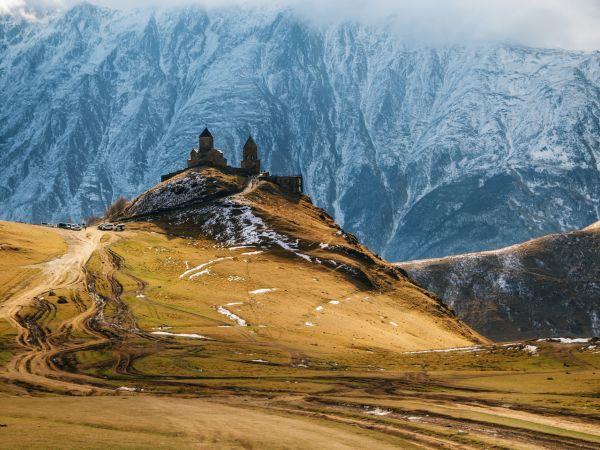
It’s nigh on impossible to escape the Caucasus, with the Upper Svaneti region in the northwest and Tusheti in the northeast offering extremely attractive ‘must tramp’ locations. Hiking in the presence of Chalaadi Glacier, Mount Shkhara and the UNESCO sites of Jvari Monastery and Svetitskhoveli Cathedral is just a joy and securing the services of a local guide is just as advisable as remembering your stoutest pair of walking boots.
Local hospitality
A guest is a gift from God, goes the saying in Georgia; and visitors are often surprised by the warmth of their welcome. Georgians also love to drink, it’s just in their nature, and if you’re invited into a local family home be prepared for at least three toasts from the tamada (toastmaster), probably involving Chacha, the lethal Georgian schnapps.
Eating
Georgian cuisine is the stuff of comfort food dreams – dumplings, hearty stews, cheese stuffed breads and gently spiced kebabs all feature heavily. And Georgians will use any excuse for traditional celebration dinners, called supras. Feasts of biblical proportions, they last for hours on end, and are accompanied by copious amounts of booze and, occasionally, polyphonic singing.
History
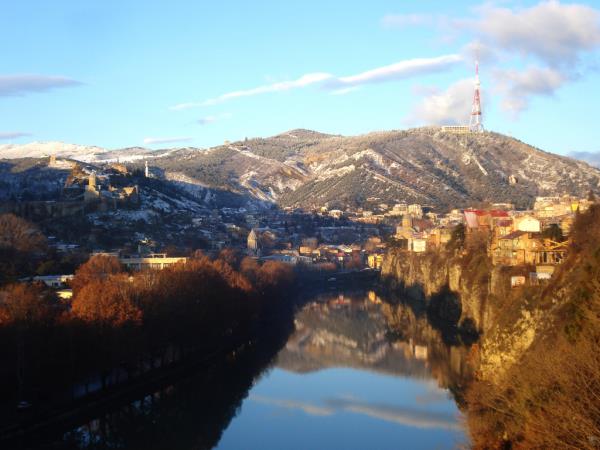
Wander the streets of Georgia’s capital, Tbilisi, and you’ll find a diverse selection of architecture that tells the story of the city’s history. Head out into the countryside, meanwhile, and you’ll find mountaintop and cliff-side castles, monasteries, and medieval towers, many in a ruined or semi-ruined state, that positively drip with atmosphere.
Overrated
Beachside glitz
Batumi is Georgia’s premier coastal resort, attracting people from across the country and from Armenia and beyond, to sit on the beaches, gamble in the casinos and party in the clubs. While it has an elegant 19th century core, a rapid increase in both tourists and building means that if you’re looking for authentic Georgian charm you should head elsewhere.
International hotel chains
As Georgia increases in popularity as a tourist destination, so too do the number of international chains, and while it may be comforting to bed down in the local Marriot or Hilton, you’ll be getting an experience that you could find anywhere else in the world. The country is known for its incredible hospitality, so go local and choose a Georgian run guesthouse or homestay – your visit will be all the richer for it.
Independent travel
While travelling Georgia independently is possible, organised tours take you well away from the tourist hubs and into deeply rural areas – without you having to negotiate any of the country’s challenging logistics. They’ll also use local guides and ensure that your money goes into the hands of local business owners and craftspeople.
Zoos
Responsible Travel does not promote any trips which visit zoos or wildlife parks – and Georgia’s zoos are no exception. Following floods at a zoo in June 2015, for example, dozens of animals drowned, while many others, who had escaped on to the streets, were shot by emergency forces. The disaster left half of the zoo’s inhabitants dead. If you’d like to see wildlife, best stick to seeing it in the wild.
Short tour in Georgia, tailor made
Short break in Georgia for time-limited travellers
From
£995
5 days
ex flights
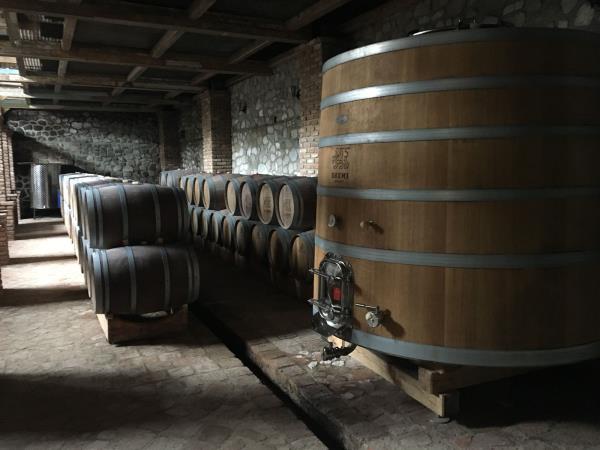
Georgia culture & wine tasting holiday
Expert led tour through the birthplace of wine
From
£1865
9 days
ex flights
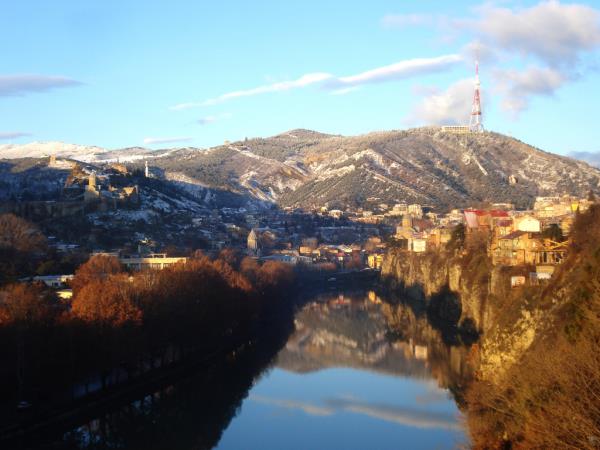
Classic Georgia tour, tailor made
A short journey in fascinating and beautiful Georgia
From
£1525
8 days
ex flights
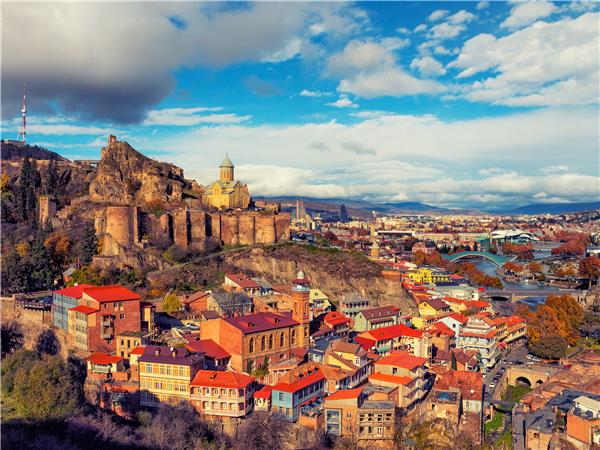
A week in Georgia, guided tour
Churches, monasteries, snow capped mountains, lakes & waterfalls
From
£2027 to £2079
9 days
ex flights
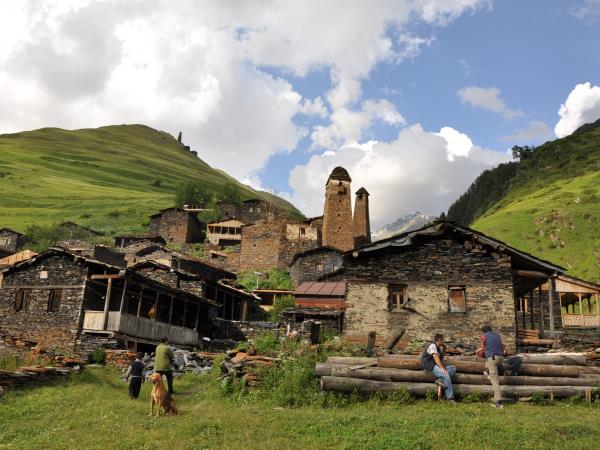
Hiking in Georgia holiday
Hiking holiday amongst Georgia's stunning peaks and valleys
From
£3995
15 days
ex flights


Contact Us
Call us for a chat about our holidays. We are happy to discuss your holiday and help in any way we can. No bots, queues or awful hold music.

01273 823 700
Call us after 10am
Calling from outside the UK

Food, shopping & people
Eating & drinking in Georgia
Diverse and delicious, Georgian food has been shaped by outside influences throughout the centuries, from the Mediterranean world, to Arab, Persian and Mongol kitchens.
Georgian food and wine culture is exemplified through supra – a traditional feast lasting several hours and featuring a mindboggling array of dishes and accompanied by huge amounts of wine.
Georgia’s Kakheti hills are a wine producing hotspot. Georgians boast that their country invented wine some 8,000 years ago, and many rural people make their own wine in a qvevri, or clay pot.
People & language
Georgian is the country’s official language. It is a Kartvelian language (there are three other minority Kartvelian languages in the country – Mengrelian, Svan and Laz) and is unrelated to any other language in the world. Its beautiful and unique alphabet is thought to have been adapted from Aramaic as far back as the third century AD. Russian is widely spoken in the country.
Please = tu sheidzleba
Thank you = madlobt
Goodbye = nakhvamdis
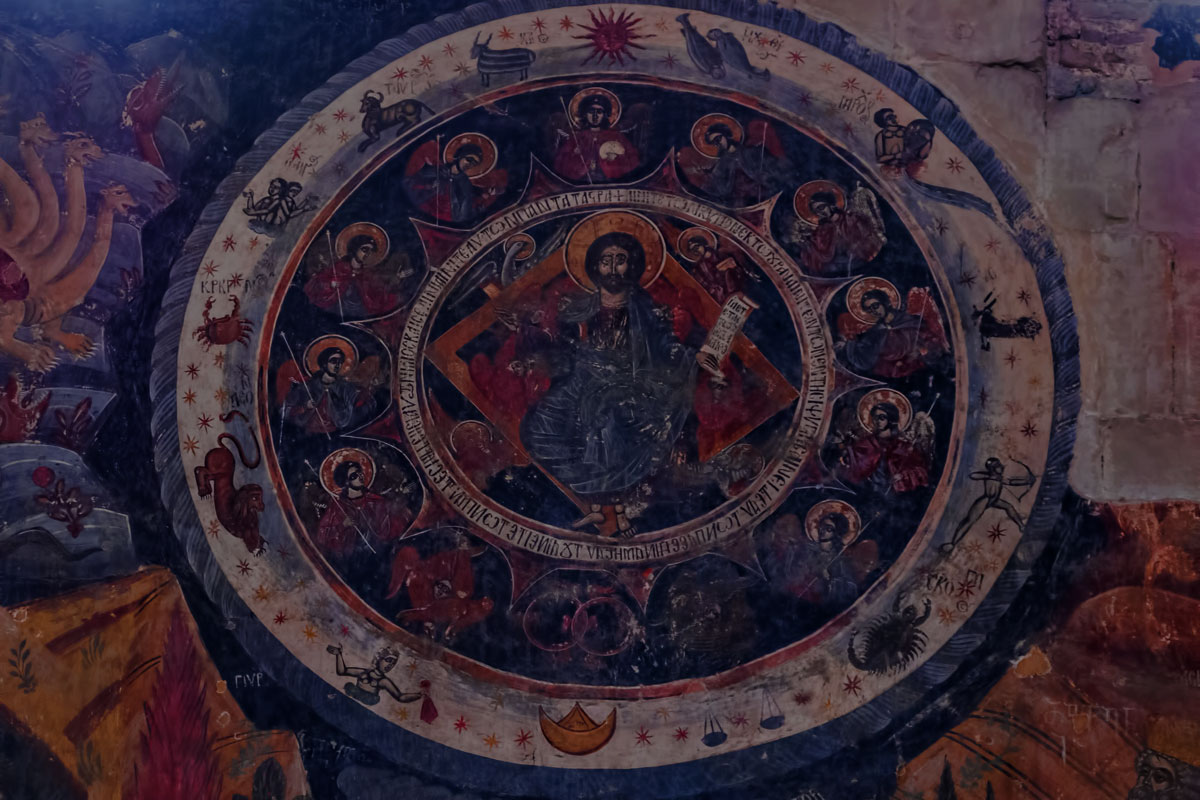
The Orthodox Church in Georgia is booming. Over 80 percent of Georgians say they belong to the Church and that number is growing.![]()
Gifts & shopping
Georgians have a strong tradition of wool and silk carpet making, said to be inherited from the Byzantine master weavers. Georgian rugs are known for their strong contrasts and use of black and brightly coloured fibres.
Another famous Georgian textile is lurji supra or ‘blue tablecloths’. These beautifully patterned indigo cloths were once found in every household in the country’s east and are still hugely popular with both residents and tourists. Traditionally, lurji supra are made by transferring designs onto cotton using woodblock prints. Common patterns include dancers, warriors, crosses, and decorative paisley motifs.
The sweet toothed can pick up churchkhela – traditional Georgian sweet made from thickened grape juice and walnuts, and tklapi – a pureed fruit sheet which ranges from sour to sweet.
Georgia has Europe’s highest permanent settlements – the villages of Bochorna and Ushguli, which stand at 2,345m and 2,100m above sea level, respectively![]()
How much does it cost?
A local beer = £1
A Georgian carpet = from around £200
A bottle of water = 20p
A meal in a local restaurant = £5
A bus ticket in Tbilisi = 15p
A brief history of Georgia
Early Georgia
In classical times, Georgia was made up of two kingdoms: Colchis in the west and Kartli in the east and south. In the 4th century, it became the second country to adopt Christianity, when King Mirian and Queen Nana of Kartli were converted to the faith by St Nino. In the 5th century, Colchis forged relations with the Byzantine Empire, while Kartli came under Persian control. King Vakhtang Gorgasali (447–502), considered the father of the Georgian nation, forced the Persians out for a time, moving the capital from Mtskheta to Tbilisi, but the conquerors came again, this time in the form of the Arabs in 654, and then the Turks in the 11th century. Read more
In classical times, Georgia was made up of two kingdoms: Colchis in the west and Kartli in the east and south. In the 4th century, it became the second country to adopt Christianity, when King Mirian and Queen Nana of Kartli were converted to the faith by St Nino. In the 5th century, Colchis forged relations with the Byzantine Empire, while Kartli came under Persian control. King Vakhtang Gorgasali (447–502), considered the father of the Georgian nation, forced the Persians out for a time, moving the capital from Mtskheta to Tbilisi, but the conquerors came again, this time in the form of the Arabs in 654, and then the Turks in the 11th century. Read more
More Georgia articles
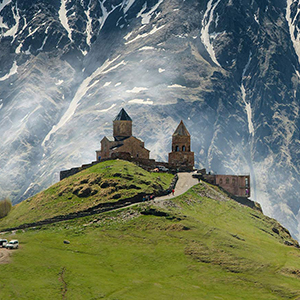
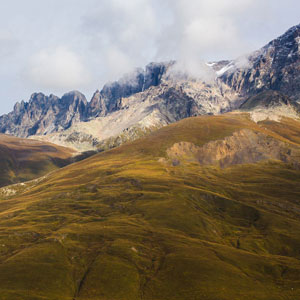
Discover monasteries and cave cities, stay in local homes and discover a rich food culture.
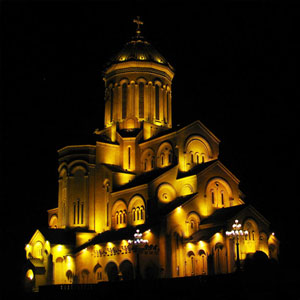
Deepen your understanding of the Eastern Europe Orthodox church in Georgia.
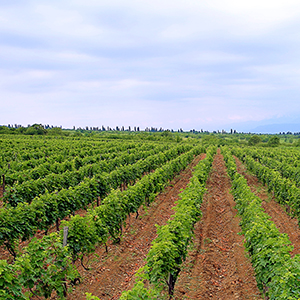
Traditional techniques still hold sway in one of the world's oldest wine producers.
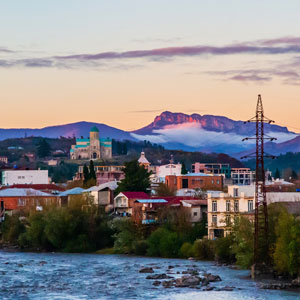
Neighbours, yes, but not the same: explore in the furthest reaches of Eastern Europe.

Consider combining your trip with a visit to Armenia and Azerbaijan, too.
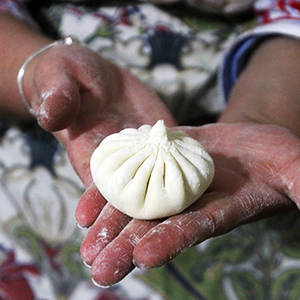
What you should eat in Georgia, from cheese-filled breads to delicious salads. I'd go back and eat it all all over again.
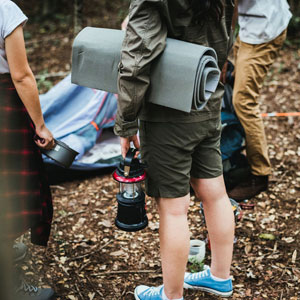
Gung-ho types will be in their element on a family holiday in Georgia.
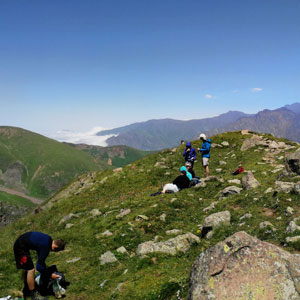
Get travel advice from our local experts on everything from where to stay to local culture, and hiking in the mountains.

A responsible holiday here can create sustainable incomes and reduce urban migration.