LGBTQ+ Holidays in Malaysia
A history of LGBTQ+ rights
Malaysia is one of a handful of former British colonies to retain homophobic colonial-era laws, introduced in the late 1870s by British administrators. Section 377 of Malaysia’s Penal Code criminalises sex between men, which is punishable by up to 20 years in jail, and famously led to charges and a prison term for opposition leader Anwar Ibrahim in 1998. As well as being charged under secular law, people have also been targeted under religious law – for example, under Sharia (Syariah in Malay) laws prohibiting sex and cross-dressing.Historically, transgender people were widely accepted in Malaysia, but this changed with the introduction of new laws from the 1980s onwards, criminalising transgender people and forcing them into the shadows. Malaysia is now one of the worst countries in the world for trans rights. People can be arrested just for wearing clothes thought not to belong to the gender they were assigned at birth. Transgender women are particularly at risk, often preferring to be called Mak Nyah to counter the derogatory words imposed on them.

The Malaysian government’s increasing move towards a more conservative version of Islam has also made things more difficult in almost every aspect of life over the past few years, and discriminatory incidents have hit the headlines both in Malaysia and in the foreign press.
In 2017, a Pride march in Kuala Lumpur was cancelled due to “religious complaints”; the health ministry launched a contest for young people on how to ‘prevent’ same-sex attraction, sparking protests from activists; and Malaysia’s board of film censors tried to prevent the release of Beauty and the Beast over a ‘gay moment’, eventually caving in to pressure and allowing the movie to be shown.
In 2018, Hong Kong singer Denise Ho, who is lesbian, complained that Malaysian officials had denied her application to perform in the capital due to her support for the LGBTQ+ community; and the Malay-language Sinar Harian newspaper caused protest and ridicule when it published a list on how to spot gay people.
In 2022, a Halloween party attended by people from the LGBTQ+ community was raided and 18 people arrested, and drag shows have been shut down. Even wearing rainbows is viewed with suspicion. Swatch’s rainbow watches were banned in 2023 (along with a host of other products thought to be promoting LGBTQ+ ‘ideals’), with wearers facing up to three years in jail.
Attitudes towards the LGBTQ+ community
Harsh laws and government support for campaigns seeking to demonise same-sex attraction mean that the Malaysian LGBTQ+ community faces a general lack of acceptance. Bullying in schools, workplace discrimination, exposure to violence and limited access to healthcare are some of the many challenges facing the gay community. There are also concerns that growing religious conservatism may further affect the rights of LGBTQ+ people.
Violent incidents against LGBTQ+ people are increasing, including homophobic attacks and murder. Some abuses are legal. Two Malaysian women were caned for allegedly having sex in 2018 and conversion therapy is zealously practised and promoted. The police sometimes use the law as an opportunity to harass people, and many high-profile figures, including former Prime Minister Najib Razak, have declared same-sex relationships to be an enemy of Islam.
Despite these threats, there are welcoming LGBTQ+ communities in Malaysia, especially in the capital, Kuala Lumpur, where there are numerous gay-friendly clubs and saunas, and a ‘don’t ask, don’t tell’ attitude.
LGBTQ+ travel in Malaysia
LGBTQ+ travellers are unlikely to encounter hostile reactions, and authorities are likely to turn a blind eye to tourists acting discretely.
LGBTQ+ culture in Malaysia remains fairly underground; you won’t find openly gay bars, but there are clubs, cafés and karaoke bars that are well-known in the community as gay-friendly hangouts, as well as a number of specifically LGBTQ+-friendly hotels and guest houses around the country. Kuala Lumpur has the biggest (discrete) gay scene in the country, with Penang, Johor Bahru and Borneo Island also having a number of LGBTQ+-friendly venues. Many websites are blocked by the Malaysian government, so it’s worth investing in a decent VPN before you go.
While we always try to point out any discriminatory or unethical behaviour in the tourist industry, we also recognise that there is a very fine – and at times blurred – line between expressing your identity (whether on the grounds of sexuality, religion or politics, for example), and being respectful of local customs.
When The 1975 lead singer Matty Healy kissed his bandmate in protest during a concert in Kuala Lumpur in 2023, some LGBTQ+ activists feared that it would endanger the community by encouraging political backlash. Others believed it was a problematic but valid statement in light of increasing restrictions on LGBTQ+ rights. Whatever you think, the best thing to do is to take your cue from the LGBTQ+ community in Malaysia.
As a whole, Malaysia remains a very conservative society, and couples of any orientation should avoid kissing and putting their arms around each other in public. In fact, if you do see two men or two women with their arms around each other or holding hands, this is usually a sign of friendship.
LGBTQ+ culture in Malaysia remains fairly underground; you won’t find openly gay bars, but there are clubs, cafés and karaoke bars that are well-known in the community as gay-friendly hangouts, as well as a number of specifically LGBTQ+-friendly hotels and guest houses around the country. Kuala Lumpur has the biggest (discrete) gay scene in the country, with Penang, Johor Bahru and Borneo Island also having a number of LGBTQ+-friendly venues. Many websites are blocked by the Malaysian government, so it’s worth investing in a decent VPN before you go.
While we always try to point out any discriminatory or unethical behaviour in the tourist industry, we also recognise that there is a very fine – and at times blurred – line between expressing your identity (whether on the grounds of sexuality, religion or politics, for example), and being respectful of local customs.
When The 1975 lead singer Matty Healy kissed his bandmate in protest during a concert in Kuala Lumpur in 2023, some LGBTQ+ activists feared that it would endanger the community by encouraging political backlash. Others believed it was a problematic but valid statement in light of increasing restrictions on LGBTQ+ rights. Whatever you think, the best thing to do is to take your cue from the LGBTQ+ community in Malaysia.
As a whole, Malaysia remains a very conservative society, and couples of any orientation should avoid kissing and putting their arms around each other in public. In fact, if you do see two men or two women with their arms around each other or holding hands, this is usually a sign of friendship.
All the tour operators we work with describe themselves as LGBTQ+-friendly, but it’s worth finding out how this is put into practice in their Malaysia holidays. It’s easier to operate an LGBTQ+-friendly tour in Kuala Lumpur than it is in rural or more conservative areas, for example, and your tour operator should be able to share information about customs and beliefs – not just for Malaysia as a whole, but for individual regions and places of interest across the country.
Contact Us
Call us for a chat about our holidays. We are happy to discuss your holiday and help in any way we can. No bots, queues or awful hold music.

01273 823 700
Call us until 4pm
Calling from outside the UK

LGBTQ+ festivals, events & resources
There is no official LGBTQ+ rights organisation in Malaysia and Seksualiti Merdeka, an annual celebration of sexual diversity and gender rights in Malaysia, was banned in 2011.
Groups to keep on your radar include….
PT Foundation – voluntary nonprofit organisation providing sexuality and HIV/AIDS education, care and support programmes for marginalised communities.
SEED Foundation – community-led organisation focusing on supporting vulnerable groups, including the transgender community.
People Like Us Hang Out (PLUHO) – offers mental health services with a focus on LGBTQ+ empowerment and inclusivity.
Justice for Sisters – grassroots organisation campaigning for the rights of the Mak Nyah community.
Jejaka – a social support group for gay, bisexual and queer men in Malaysia.
Utopia Asia provides information about nightspots, restaurants and LGBTQ+-friendly accommodation across the country.
This guide is updated regularly but do check news sources, the Human Dignity Trust and Human Rights Watch for up-to-date information.
Utopia Asia provides information about nightspots, restaurants and LGBTQ+-friendly accommodation across the country.
This guide is updated regularly but do check news sources, the Human Dignity Trust and Human Rights Watch for up-to-date information.
More LGBTQ articles
We have created this LGBTQ+ guide to help travellers understand if they will face discrimination.
In this formerly closed country, mindsets have taken a while to shift. But times are changing.
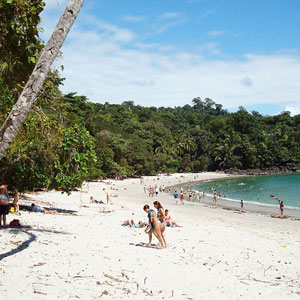
Costa Rica has a liberal mindset, increasingly progressive laws and superb nature.

After decades of persecution and harassment, new laws and a new constitution are giving LGBTQ+ Cubans long-denied rights.
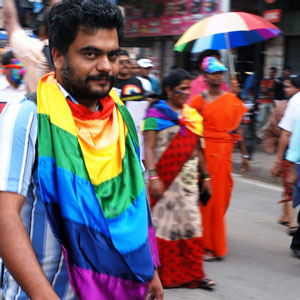
India’s changing laws have opened space for conversations, protests, festivals and a creeping acceptance of LGBTQ+ rights.
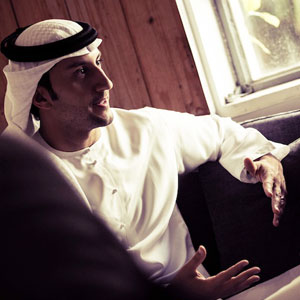
Morocco is one of the safest countries in Africa for LGBTQ+ travellers.
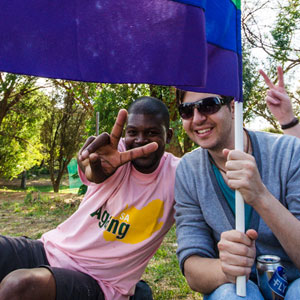
South Africa is seen as one of the most welcoming country in Africa for LGBTQ+ travellers.
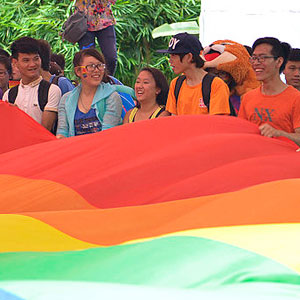
Thailand may be known as the gay capital of Asia, but Vietnam is at the forefront too.
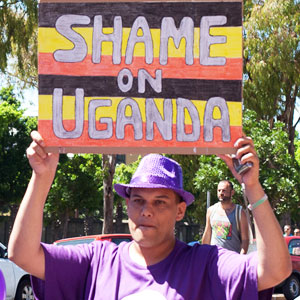
Uganda still has some of the harshest anti-LGBTQ+ laws in the entire world.
Our guide aims to help LGBTQ+ travellers make informed choices about where they travel.