Lofoten Islands travel guide

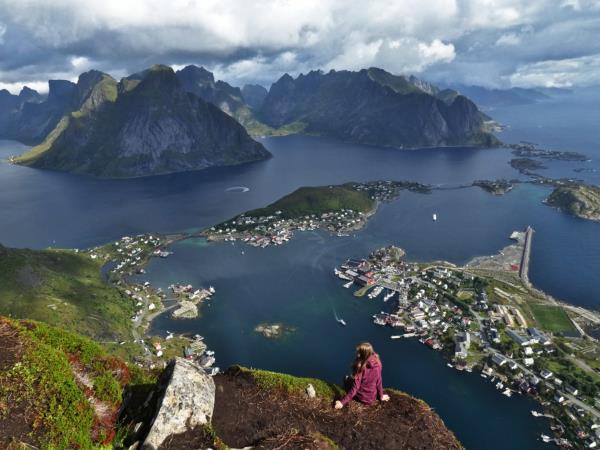
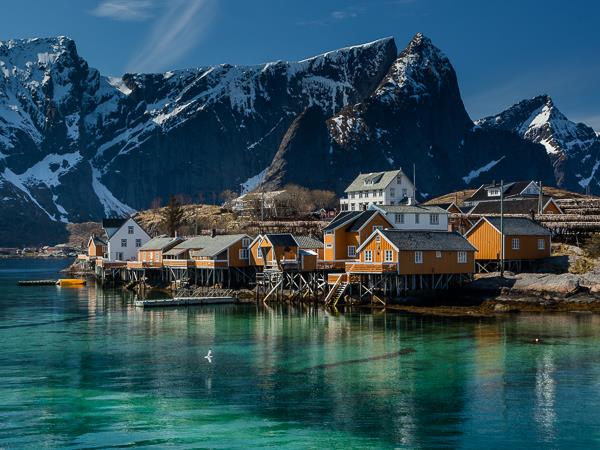
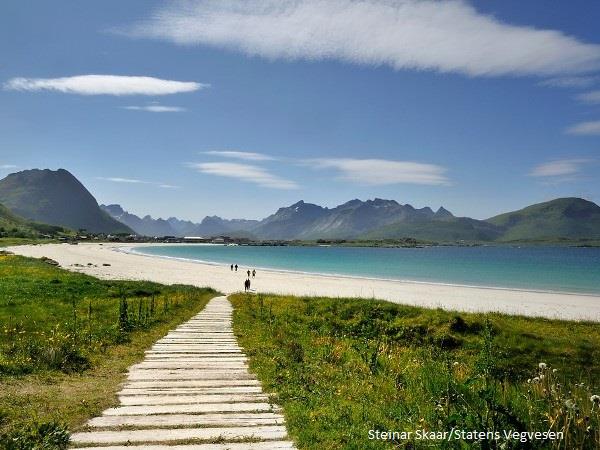
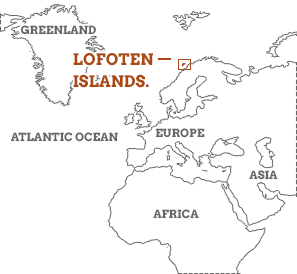
This diverse archipelago combines the epic and the intimate in a relatively compact footprint of 1,200 sq km. Mighty mountains and sheer-sided fjords drop down to sheltered harbours and pretty fishing hamlets, their red clapboard cabins perched on stilts above crystal clear waters. Bridges link the larger islands, with a single road wiggling down to the village of Å near the tip. Gleaming white sand beaches pepper the coast, while spiky Moskenesøya is an island out of Tolkien. The silky Arctic light has long drawn artists here and galleries showcase their work, while a handful of museums celebrate the area’s fishing and Viking history.
Take a thesaurus to the Lofoten Islands - you may overuse 'wow!' Its epic peaks, glacial fjords, fishing hamlets and rich wildlife demand superlatives.
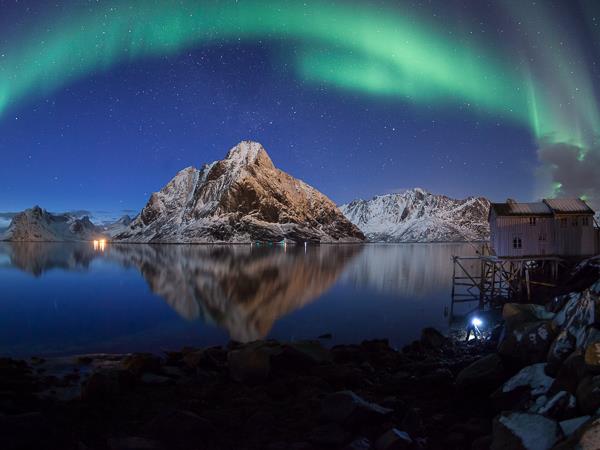
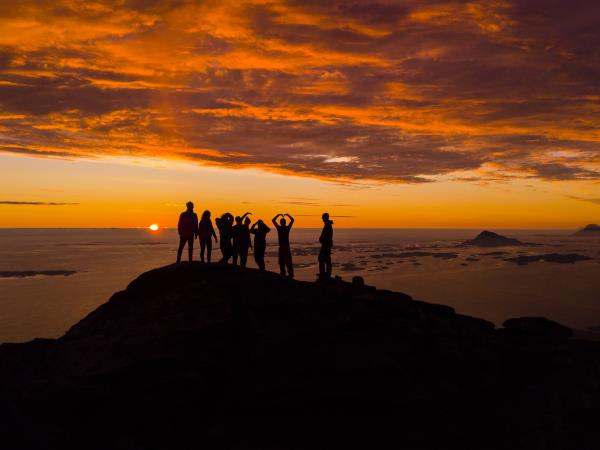
With wildlife as abundant as the days are long in summer, cyclists, hikers and photographers are in their element and, if you brave the Arctic winter, you may see the Northern Lights, rippling across pitch black skies.
The Lofoten Islands are...

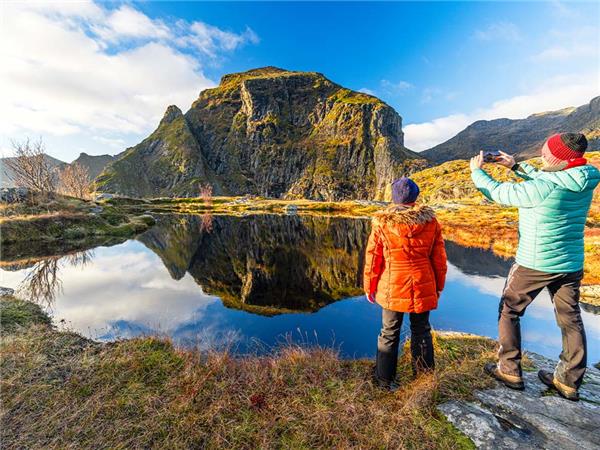
a unique wilderness landscape blessed with fertile waters and very fresh air, admired by humans but belonging to nature.

The Lofoten Islands aren't...

A place to rush. You can get a flavour in a day or two, but hiking, biking and wildlife in the clear Arctic light are worth lingering over.

Things to do in the Lofoten Islands...

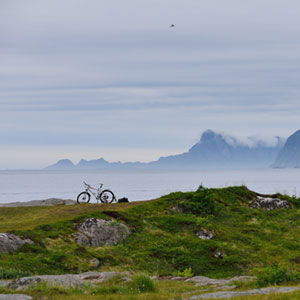
Get on your bike! Cycling is the perfect all-senses way to experience the Lofoten Islands. Beautiful scenery waits around every corner, and you can hop off any time to visit a gallery or explore a fishing village. Most routes hug the space between mountain and sea, so are reasonably flat, and from early June to mid-July you can even ride all night, with the midnight sun as your guide. Embrace the Norwegian philosophy of friluftsliv, meaning 'free air life'. The idea is simply that returning to nature is returning home, but even if you're more Surrey than Scandi, it's easy to experience the bliss and calm of this landscape, just be prepared to get out there. Pull on hiking boots or jump on a bike to commune with mountains, fjords, marshes, lakes and wooded slopes. Stay in a rorbuer. These traditional red or yellow fishing cabins are the manmade mascots of the Lofoten Islands and many have now been converted into holiday accommodation. Sit out on the deck of one as the summer sun hovers over the horizon, gazing over racks of drying cod towards the sea, and you could have time travelled back a century or more.

Contact Us

Responsible Travel, Travel Team

Call us for a chat about our holidays. We are happy to discuss your holiday and help in any way we can. No bots, queues or awful hold music.

Responsible Travel, Travel Team

Things not to do in the Lofotens...

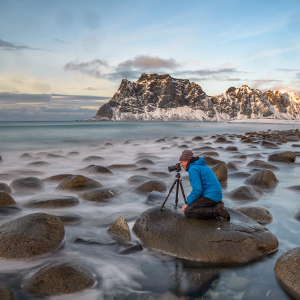
Leave your camera behind. It's hard to take a bad shot in the Lofoten Islands. In summer, vivid colours - green mosses, turquoise waters, red fishing huts - compete for attention, while the mix of snow, blue skies and crisp Arctic light turns most winter snaps into classics. For keen amateurs and more experienced photographers alike, photography holidays reveal the best wildlife and landscapes, day and night, summer or winter; capturing the Northern Lights a goal of any winter trip.
Ignore the wildlife. Although inside the Arctic Circle, the Lofoten Islands are warmed by the Gulf Stream, with mild sea temperatures. This pulls in herring and cod in their thousands, with whales, porpoise, dolphins, seals and seabirds pursuing this fishy banquet. Take to the waves and follow the crinkly coastline to see riotous colonies of cormorants and kittiwakes and spot marine life swimming past, while sea eagles are easily viewed from a RIB in Trollfjorden.
Eat whale meat. Norway continues to defy global opinion over commercial whaling, killing 1,000-2,000 whales a year for meat – much of it aimed at curious tourists in search of novel dining. Whalers cite tradition and claim their prime target – minke whale – is abundant. We disagree. If you want to eat something distinctly Norwegian try elk or moose, but remember to bring your credit card. Budget £75 for a meal for two in a mid-range restaurant, without alcohol.
Written by Joanna Simmons
Photo credits: [Page banner: Galyna Andrushko] [Is/Isnt: Frode Bjorshol] [Things to do : Holly Rowland]