Nyerere National Park travel guide (Selous)

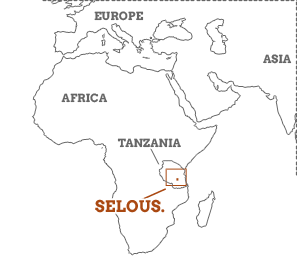
Larger than Switzerland, Selous Game Reserve’s vastness is often sold as its most defining feature. But a safari in Africa’s largest reserve reveals delights on a much more human scale. Boutique lodges are scattered sparingly around the savannah, each with a just handful of raised tents overlooking its own patch of water or woodland; no permanent structures are permitted within this UNESCO World Heritage Site. A bushwalk with a passionate, naturalist guide could bring you within metres of a herd of buffalo or elephant, where you’ll be praying that the thumping of your heart doesn’t cause a stampede. A nighttime game drive will sharpen your sense of hearing, too – for a snapped branch, the rustle of dry grass – as you scan the darkness for the reflection of an eye.
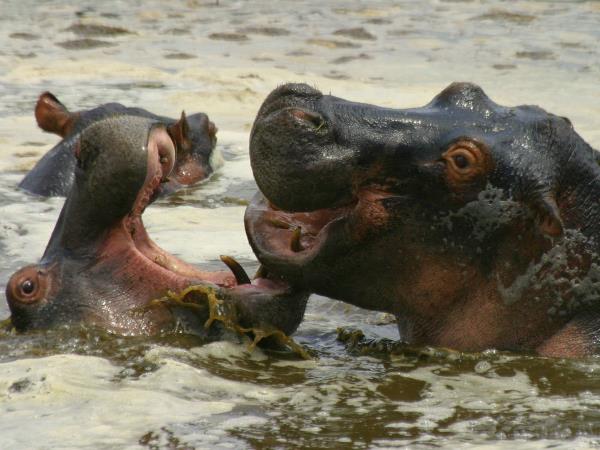
Selous’ geographical location means that both Southern and East African game roam across its grasslands, lured to the sweet waters of its rivers and lakes where boats cruise past bathing elephants and bobbing hippos.
Selous dwarfs the far more famous Serengeti, yet receives just a fraction of the visitors. It is one of Tanzania’s most exclusive destinations, and its remoteness, expanse and limited lodging ensure it remains so. Animals far outnumber tourists, and the rare experience of being deep in the East African wilderness is one not to be missed.
Things to do

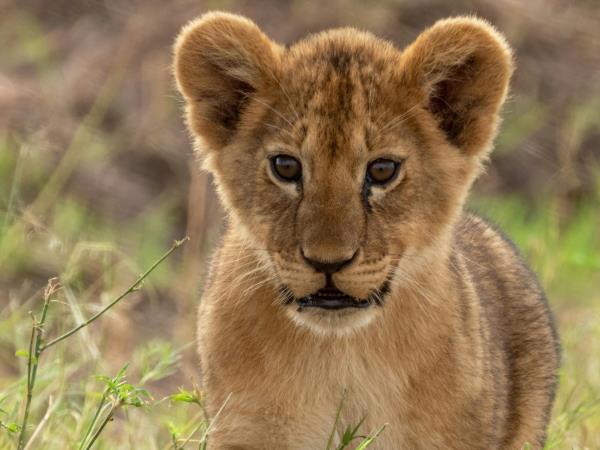
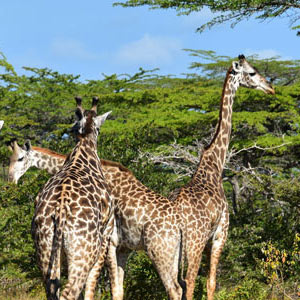
So many safaris focus on the Big Five – but a bush walk encourages you to turn your attention instead to the smaller details. Learn to identify creatures from their tracks, find bones – and teeth! – embedded in the earth, and discover the diminutive reptiles and insects of the bush. But this doesn’t mean you won’t find yourself face to face with a herd of buffalo or hungry lioness – and the experience is sure to be more memorable than any encounter from a Land Cruiser. Bush walks are only possible as the reserve regulations are more relaxed than those in the national parks. Unlike Tanzania’s northern parks, Selous can be exlpored by boat. Cruises on the Rufiji River and Lake Tagalala are a soothing alternative to bone-shaking game drives – as well as getting you up close to the animals. Hippos yawning, elephants bathing and giraffes splaying their long legs to drink are some of the scenes to look forward to. Do check age restrictions if travelling with kids. Selous can be a fantastic place for children, but most lodges will have a minimum age, and bush walks, for example, are only available for children aged over 12 – or in some cases 16. Game drives in Selous are exhilarating – and definitely worth getting up at the crack of dawn for. But after several days of early morning bush walks, sunset river cruises and nighttime game drives, you may just feel like you need a holiday from your holiday! This is where Tanzania’s islands come in. Many itineraries hop over to Zanzibar, Mafia or Chole Islands for a well deserved rest after all that activity – once in your beachside villa, you can lie in as long as you like.

Contact Us

Responsible Travel, Travel Team

Call us for a chat about our holidays. We are happy to discuss your holiday and help in any way we can. No bots, queues or awful hold music.

Responsible Travel, Travel Team

Things not to do in Selous

Don’t use plastic bottles if at all possible – they cannot be safely disposed of here. Many lodges provide filtered water – or mineral water in large dispensers, which are then reused. So bring a refillable bottle or flask – and maybe some purification tablets just in case. Sadly, over 90 percent of Selous is made up of hunting reserves. While we accept that well-managed trophy hunting can generate essential income and assist in the conservation of wildlife and habitats (especially in a region of this size), at Responsible Travel we do not promote hunting safaris. We urge travellers to visit these regions and demonstrate that animals are worth far more alive than dead. The reserve entrance fee can add a decent amount onto the cost of any holiday here – but don’t begrudge it. The fee includes an amount set aside for conservation – with the rest well spent on rangers, road repairs and general upkeep. The higher fees (as well as the added cost of a flight to get here) also ensure that Selous remains an exclusive destination with few visitors and boutique accommodations – lower charges would necessitate more visitors to cover costs. Don’t forget about the local people who live alongside the wildlife – and know the secrets of the savannah. There are many opportunities to visit villages bordering Selous, and some lodges work closely with nearby Maasai tribespeople – meeting a chief and his wife and learning about Maasai customs and traditions is every bit as engaging as discovering the wildlife.
Written by Vicki Brown
Photo credits: [Page banner: Cathy T] [Things to do: Rob]