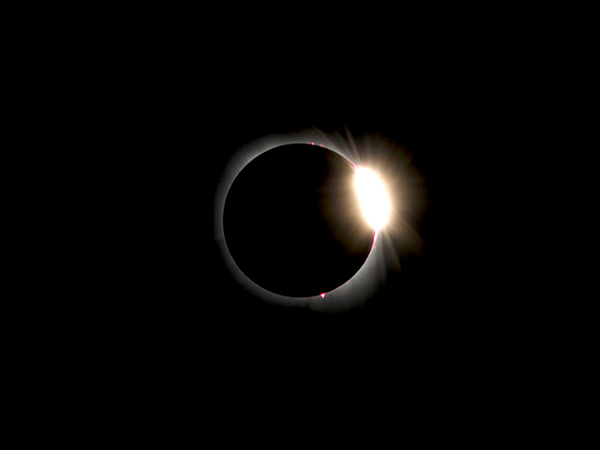
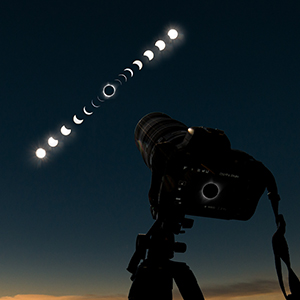
This eclipse – sometimes called the Great North African Eclipse – traces a path of totality 15,000km long, and a total eclipse will be seen in nine countries in total, including much of north Africa: Spain, Morocco, Algeria, Tunisia, Libya, Egypt, Saudi Arabia, Yemen and Somalia. During the eclipse, the moon’s shadow will travel at 2,500km an hour across north Africa.
The area just south-east of Luxor in Egypt has been described as
the perfect place to see the 2027 solar eclipse, with the longest period of otherworldly darkness. For comparison, in Tunisia, totality will total 5 minutes 41 seconds (in Sfax) and in Morocco, 4 minutes 50 seconds (in Tangier). In 2026, the eclipse that was viewable from parts of western Europe had its longest totality just off the coast of Iceland: two minutes and 18 seconds.
“Luxor's the big one,” says Anthony Horrobin from our eclipse watching expert partners, Encounters Travel, “Six minutes 23 seconds, the longest anywhere on land for this eclipse, and Upper Egypt in August is about as close to a cloud guarantee as you'll get – the weather risk more or less disappears. Watching it go dark over Karnak is a bucket-list travel experience and one I urge people to experience.”
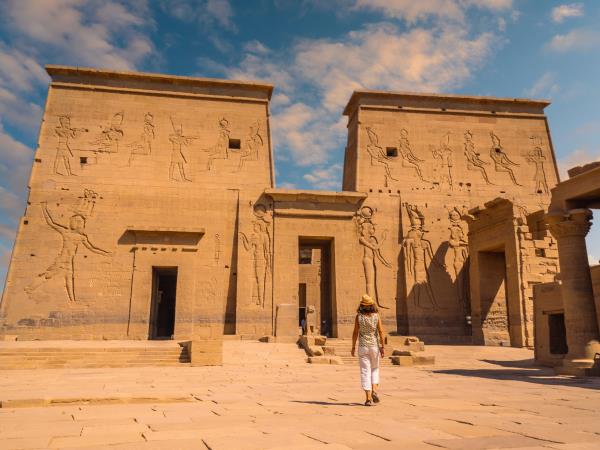
The vast Karnak complex near Luxor, an ancient site of temples and other buildings, is the second most visited historic place in Egypt. There’s something particularly special about convening here, to see a phenomenon that has inspired people for millennia, in a place where humanity has gathered for thousands of years.
There are plenty of other places to see the eclipse in Egypt if you can't get into Karnak. We have holidays to view the eclipse from a
cruise on the Nile and from
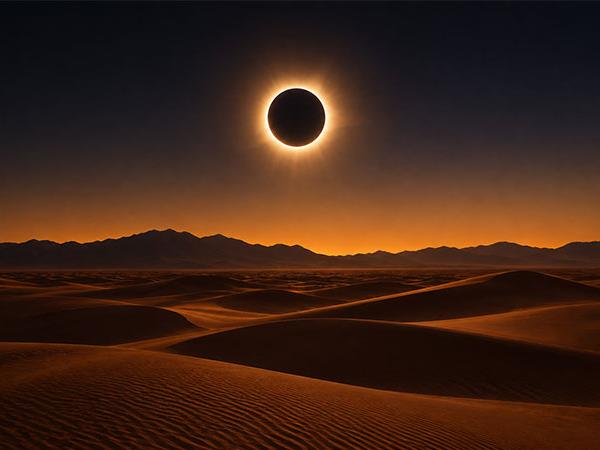
the Sahara Desert.