Angkor Wat travel guide

The entire Angkor archeological park is vast, in fact 160sq km vast, and if you're thinking of tackling it all in a day then you're probably missing the point. This is an experience that takes strategic planning to help you explore outside of tourist timetables in order to capture an unobstructed observation or uniquely personal pocket of peace.

Arming yourself with a well-thumbed reference book or an equally useful local tour guide gives you every opportunity to expand your understanding of what religion means to the Khmer people, with chances to simply stop and stare adding to an overriding sense of spirituality
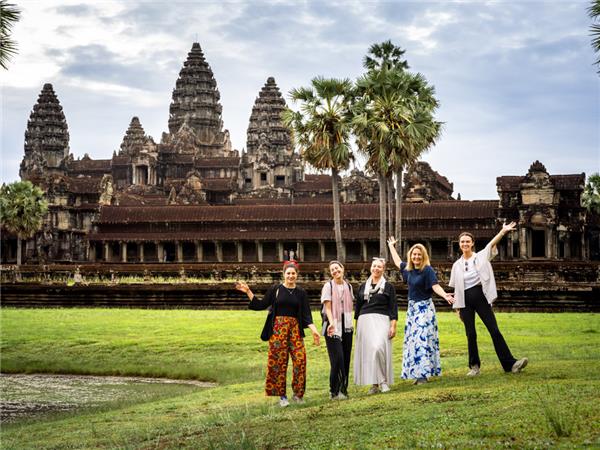
As one of the world's largest and most fascinating religious monuments, Angkor Wat deserves both time and research to really do it justice.
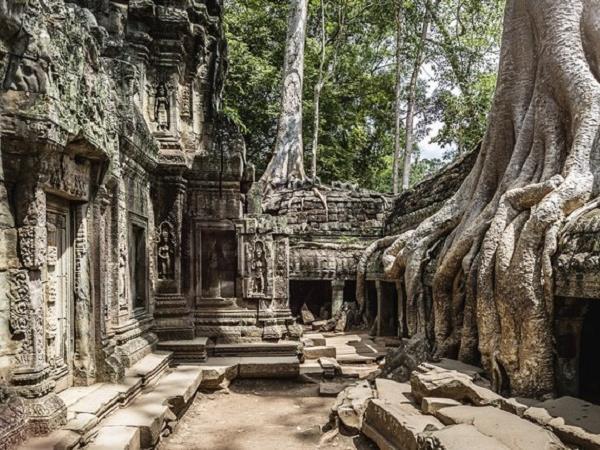
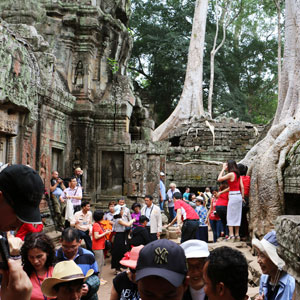
Creeper covered playground for photographers, or testament to the industry and devotion associated with Hinduism and Buddhism; whatever you discover whilst exploring Angkor, you’ll never look at Cambodia in quite the same way again.
Things to do in Angkor Wat...

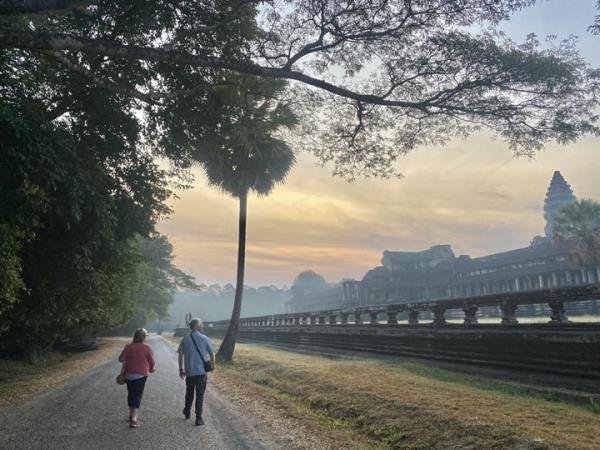
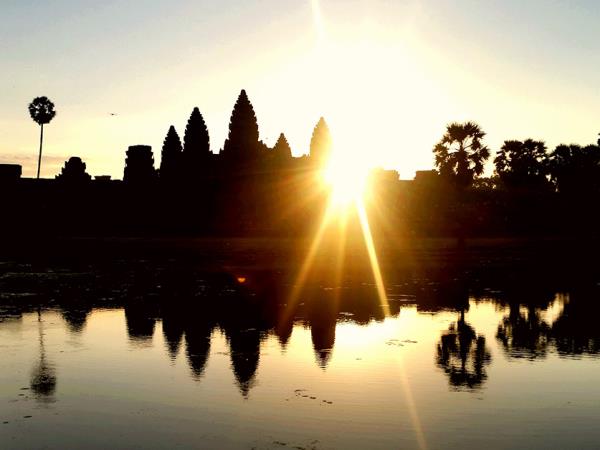
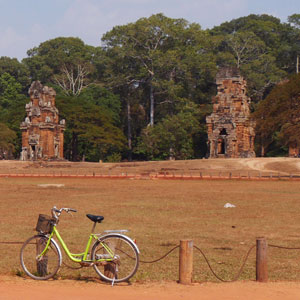
There are several tried and tested cycle tracks around Angkor, and depending on your length of stay it’s worth spending at least three days getting to know the area on two wheels. The obvious independence gifted to cyclists lets you escape tourists and travel at your own pace following circuits that have been designed to encounter all of Angkor’s best loved and most important sites. There can be few more memorable or less crowded opportunities to absorb the enormity of Angkor other than an early morning balloon flight. Rising before dawn to watch the eeriest of shadows stretch across hallowed temple grounds as the sun rises is a sight to behold, and definitely something to add to a honeymoon list or just a fabulous family photo album. You’d be hard pressed not to take at least one good photo at Angkor Wat but accompanied by a professional travel photographer, this is an experience that’s practically guaranteed to have National Geographic battering down your door. Dripping jungle creepers, silhouettes at dusk or reflections in temple waterways, a photography tour in Angkor Wat has about as many possibilities as your eye can hope to appreciate.

Contact Us

Responsible Travel, Travel Team

Call us for a chat about our holidays. We are happy to discuss your holiday and help in any way we can. No bots, queues or awful hold music.

Responsible Travel, Travel Team

Things not to do in Angkor Wat...

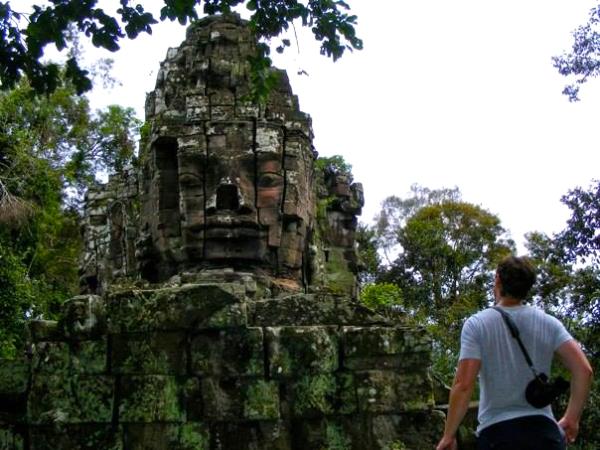
Volunteer in an orphanage. Vulnerable children need stability, and a revolving door of unqualified, unchecked, short-term volunteers is definitely not in their best interests. Furthermore, where there’s money there’s exploitation, and many orphanages have been created by unscrupulous owners with many of the “orphans” being handed over by misguided parents. The number of “orphanages” in Siem Reap (population: 100,000) has risen to 35 – not in line with the number of true orphans, but with the number of tourists. Worse still, research has revealed that conditions may be kept deliberately pitiful to encourage higher donations. Rush through it all. It really helps to pace yourself at Angkor to avoid getting some kind of temple burn out. Visiting at different times of the day, hiring a bike to get around or reading about a specific site prior to setting off are all good ideas to keep things fresh, and following a knowledgeable guide is definitely the best way to make the most of your time. Waste water. We could say this about any destination, but Angkor Wat has a very pressing problem with overuse of water. Two million tourists visit Siem Reap every year which takes its toll on the water supply. Increased pumping of groundwater is damaging the temples, and it’s up to travellers to act responsibly by opting for accommodation that has an active water policy, and only using water when absolutely necessary. Elephant rides. The thought of riding an elephant around Bayon temple may seem glamourous at first, but once you have researched what went into “training” that elephant you may feel differently. Riding elephants damages their spines – and the animals have been beaten or prodded into submission so that they allow riders on their backs. Read more in our elephant conservation guide.
Written by Chris Owen
Photo credits: [Page banner: dia_n] [Things to do: Dion Hinchcliffe]