Coimbra
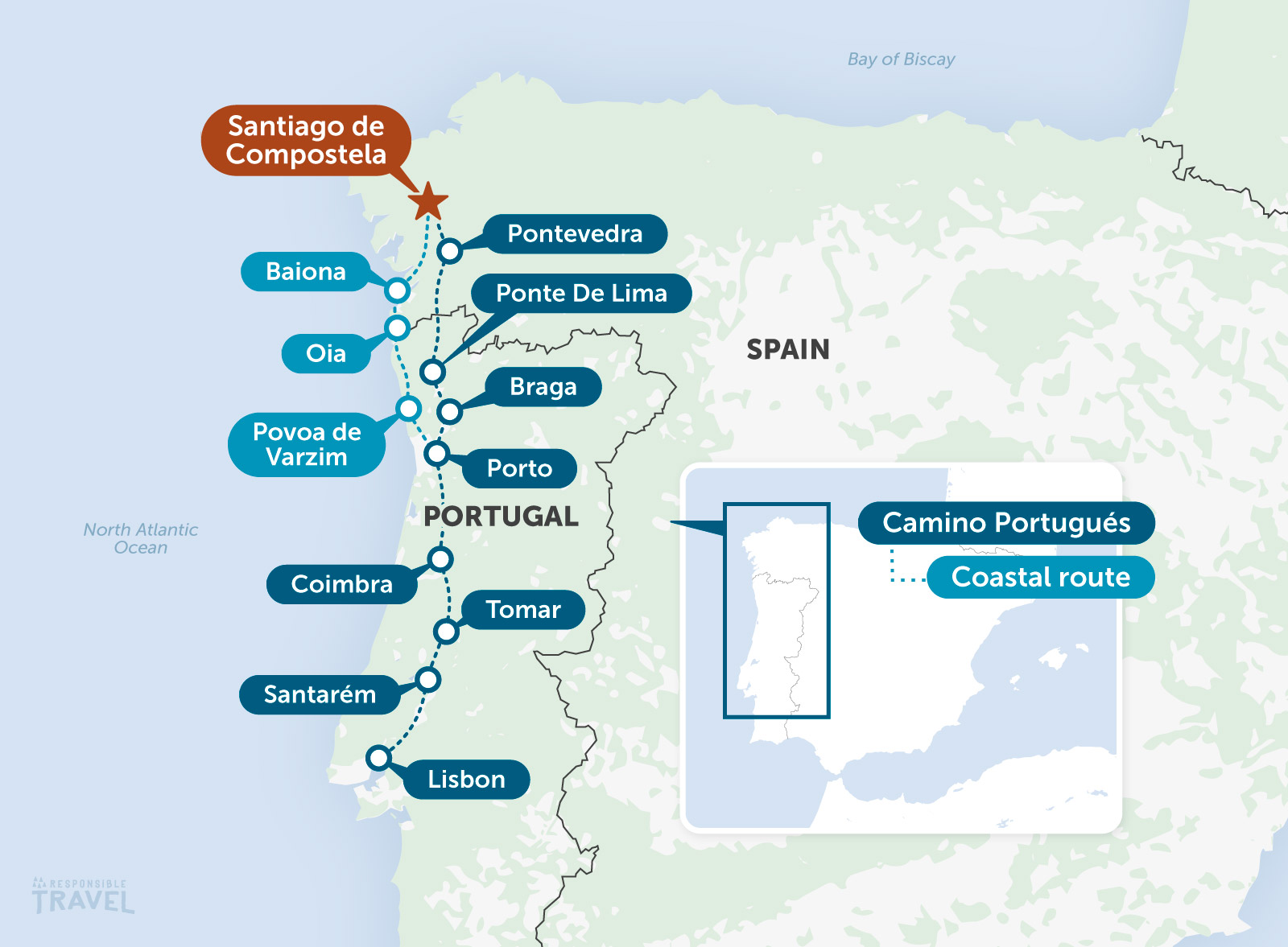
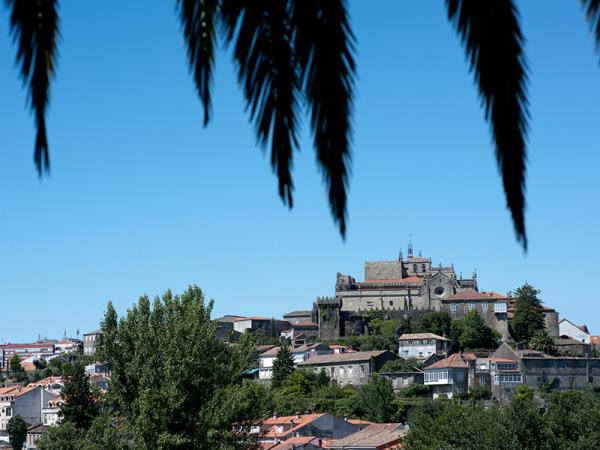
Luis de Camões, Portugal’s most revered poet, studied in the ancient university city of Coimbra, its historic architecture spilling down a hillside. Dignified and romantic, Coimbra also has a modern flair as you might expect from such a large student population, especially around the trendy riverside. In the evenings you will often hear the lilting, melancholic strains of fado singing accompanied by guitar in the streets around the cathedral and the Santa Cruz Monastery.
Ponte de Lima
The Camino crosses a Roman bridge in Ponte de Lima, among the oldest towns in Portugal. Situated between two of the most challenging sections of the Portugal Way, and full of cultural charm, Ponte de Lima makes an ideal stopping point. It’s a very photogenic place, especially around dusk, but it’s worth noting that it does get very busy with daytrippers on weekends.
Porto
Most walkers on the Portugal Way start their journey in Porto, which is more relaxed than the capital but certainly no slouch when it comes to cultural heritage. The historic centre is a UNESCO World Heritage Site, and of course this is the home of port wine, with lodges where you can taste it either straight or mixed into a cocktail on the Gaia bank of the River Douro.
Santarem
If you start your walk in Lisbon then you’ll reach Santarém early on. In centuries past this was a royal city, and Santarém also has links with some of Portugal’s most famed maritime explorers, including Henry the Navigator. The city is perhaps best known today for its beautifully preserved historic and religious architecture, but arrive in October and you may catch a renowned food and drink festival – great walking fuel.