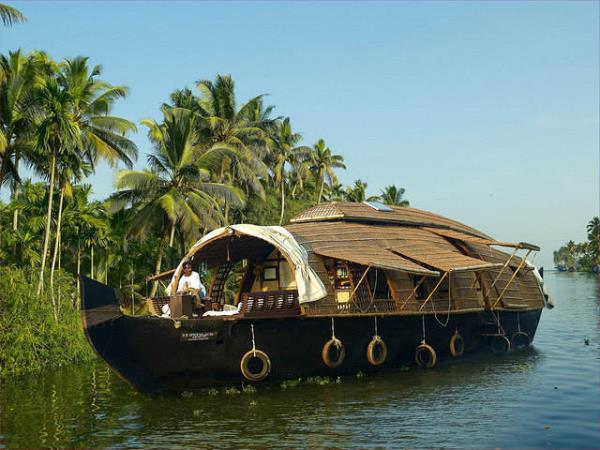
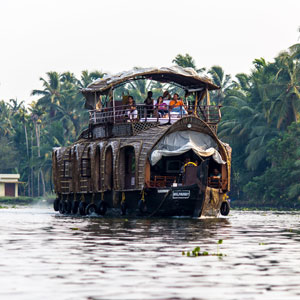
Whoever came up with the idea, many years ago, of converting Kerala’s rice boats (
kettuvalloms) for houseboat tourism must have been a genius. Kerala's backwaters, its villages and varied waterscapes were suddenly accessible, and tourists who thought Kerala was all Kovalam and Kathakali began to see a whole new, exciting picture.
Renting houseboats has allowed many local people in Alleppey and Kumarakom to develop profitable livelihoods alongside traditional paddy farming and fishing, and tourism is now a major part of the regional economy.
But the number of vessels on the backwaters has grown rapidly, and today there are well over a thousand in operation, not all of them licensed. This leads to overcrowding, pollution in places such as Vembanad Lake, and a degraded experience for travellers. Houseboats will often empty untreated waste directly into the water. Along with fuel leakage and the dumping of inorganic matter like plastics, combined with chemical run-off from rice fields, the fragile ecosystems that make up the Kerala backwaters are under threat. Many communities depend on these waters for fishing and for drinking water.
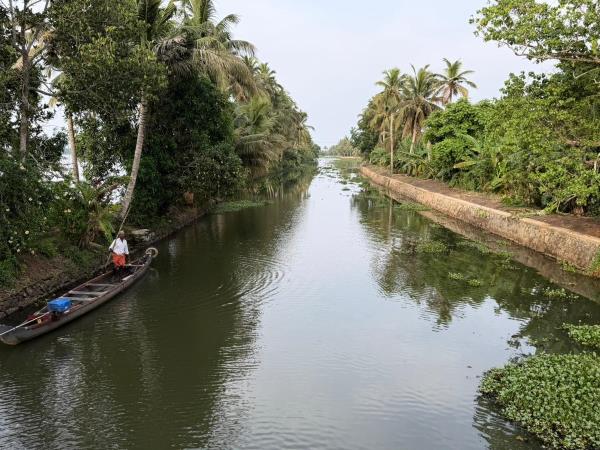
There is also a congestion issue for many local people who still transport their kids to school by canoe, and have safety concerns due to the numbers and speed of houseboats. Privacy is another concern, with poor regulation (and even poorer enforcement) of mooring. Many local communities complain of tourist boats mooring alongside houses, of noise, inappropriate behaviour and invasive use of cameras.
The government has brought in a classification system based on compliance with ecological, safety and responsible tourism standards. However, these regulations are not always enforced, and there are many houseboats on the backwaters that pay them no heed.
Why you can trust our Kerala houseboat holidays
Our houseboat holidays in Kerala only use vessels that align with recommended environmental standards and best practices. These include only disposing of waste at certified septic treatment plants, using renewable energy whenever possible, minimising single use plastics, using locally sourced food, and hiring local people.
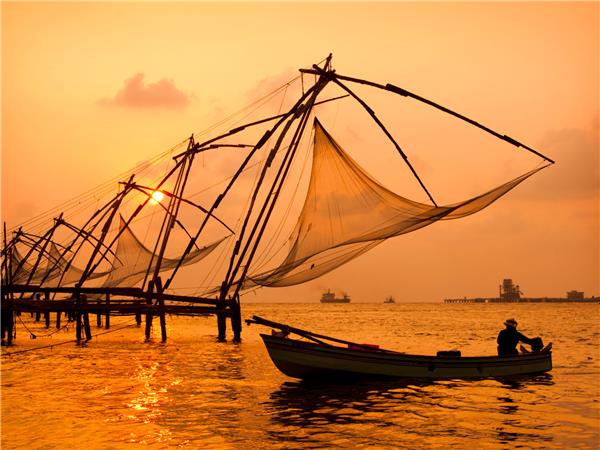
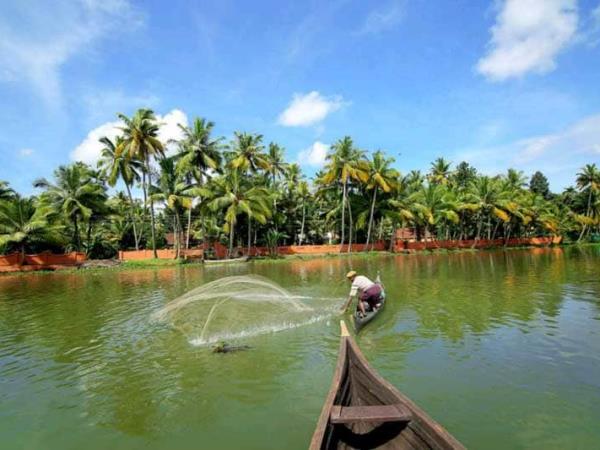
Furthermore, our holidays ensure that biodegradable soaps and natural disinfectants are employed to clean the houseboats, reducing harm to aquatic life, and they dock from 5.30pm onwards so as not to interfere with local fishermen casting their nets.
What you can do
Cruise for at least two or three nights. Any less, and you don’t have time to escape the busiest areas of the backwaters. Going for longer means you can find more space and more peace, enjoying rural life as you spend time (and money) in villages along the way.
You can also ask your boat tour operator about their environmental practises. Keep an eye on what goes on aboard, and always give feedback to your tour operator and the
Kerala Houseboat Owners Association if you feel they are not doing as they ought.
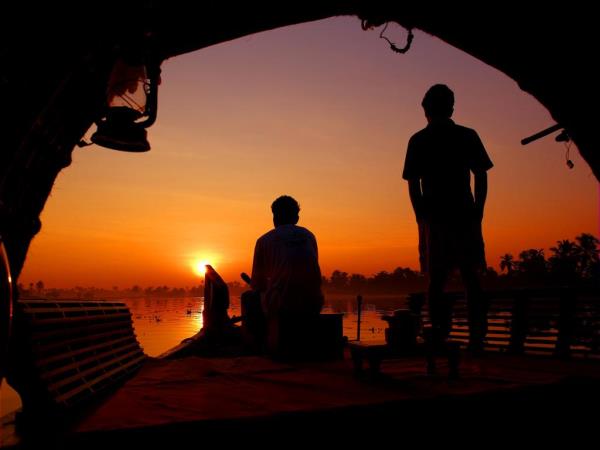
Act responsibly on houseboats and remember that you are going through communities that may be quite conservative. Even though you are on a boat, you are still visible from the shore, and it is advisable to still dress modestly, keep the noise down and generally be respectful of the areas you pass through.
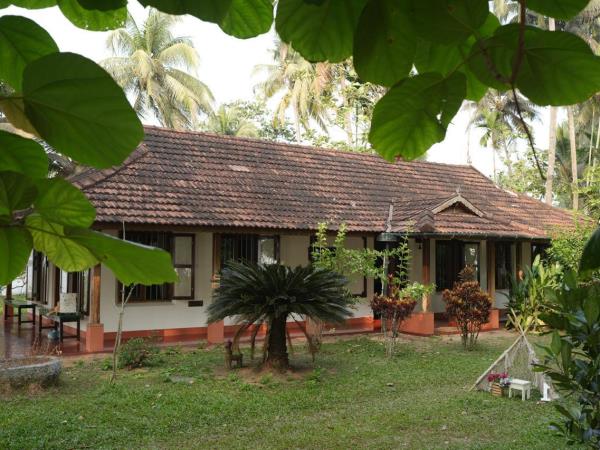
We also highly recommend combining a houseboat stay with a homestay, which gives you an even deeper cultural connection, and ensures more of your tourism spend goes directly into the local community.