Mass tourism has behaved predictably – surface-level pleasure hides a dark underbelly. All-inclusive resorts at Magaluf, Palma Nova and Santa Ponsa offer happy hours that fuel a sometimes dangerous lack of inhibition, and resulting assaults and other crimes. Police now patrol beaches to crack down on antisocial behaviour.
In Palma’s bay, things are no less grimy. The city has some of the worst pollution levels from cruise ships in Europe, according to the Platform Against Megacruises, a collaboration between 25 separate organisations and a number of famous Spanish personalities, including ambassadors and artists. At the peak of the problem, Palma had as many as eight daily cruise ships arrivals.
Local businesses along Palma’s shopping streets are now more likely to sell postcards than groceries. Summer resorts become ghost towns in winter months, their communities disbanded. Property prices soar, and there have been calls for restrictions on property purchases for anyone who has lived on the island for fewer than five years.
It’s thought that there are as many as 235,000 unregulated holiday lets in the Balearic Islands, compared to just 26,500 that are legitimately run and paying the proper tourism tax. In the last five years, over 15,600 properties were bought by foreign nationals, again, mostly Brits and Germans. In the 2010s, Palma banned most Airbnb properties from operating, after rental prices for local people increased 40 percent in two years. It was the first city in Spain to do so, but the difficult to regulate ban did not stop adverts for short term lets appearing every summer.
As tourism puts pressures on the island’s finite systems – its water, its roads – residents are faced with a worsening quality of life.
Local people are being
priced out of their own cities across the Balearics, forced to move in with friends or relatives or to move away. People live in campervans between their work shifts, unable to afford rent. Mallorca is wealthy, but tourism has created an unequal distribution of wealth, and many jobs on the island remain poorly paid – Mallorcan wages are below average for Spain, and hospitality jobs are among the worst paid.
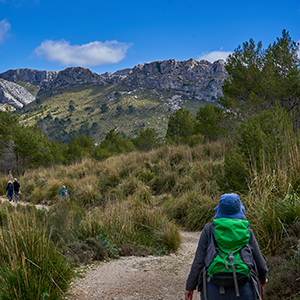
In the last couple of years, social media has made Mallorca’s busy summer not just a problem for historically touristy areas, but hidden beauty spots, too. These are now only a location-share away from the eyes of the world. What were once quiet places are now subject to pollution, erosion, noise and overcrowding. It’s a situation that has prompted Mes per Mallorca, the island’s opposition party, to describe the island as “on the brink of collapse”.