

Best time to go to the Northern Territory

Even during peak tourism months of June and July, it isn’t hard to get off the beaten path in NT. It should be called MT, really – because it’s always empty.
NT covers two climate zones; the Top End is tropical and humid and the Red Centre pretty much every colour on the orange, red and pink spectrum all year round. The northern tropics have summer rains from Nov or Dec to Apr, which bring luscious, tropical landscapes bursting into life, plus huge relief from the intense humidity. The best time to go to the Northern Territory is in the dry season, from May-Oct, when the Red Centre is at its coolest, although it’s all relative; NT’s capital, Darwin, has an average temperature of 32°C all year round.

Northern Territory, MONTH BY MONTH

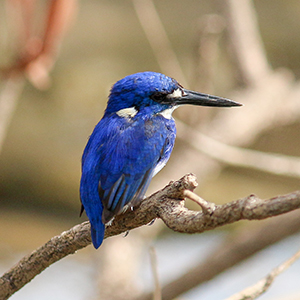
Kakadu National Park is at its greenest and most gorgeous just after the rains end in March or April. If you are planning to travel on the Ghan Railway which links Adelaide, Alice Springs and Darwin it goes once a week from November to March, and twice a week between April and October. Mary River National Park is teeming with wildlife all year around, although some local businesses don’t open again until end of March towards the end of the wet season. Average rainfall goes from 17 days per month in March to six days in April. Birdlife in the Mary River Wetlands and the Top End generally is at its most busy July, August and September. During this period up to a third of Australia’s bird species congregate in this one place. Kakadu National Park is vast and so certain sections may not be accessible at certain times, particularly during the wet season. Check out the Australian National Parks website for daily updates. The dry season in May to October is the busiest so you need to book accommodation in advance, although your tour operator will handle this for you. You will have far fewer visitors at Kakadu National Park during the tropical summer months of November to April, with dramatic storms illuminating a vibrant green landscape. Flooding does close some attractions but many stay open such as Nourlangie (Burrungkuy) and Yellow Water. The waterfalls are gushing madly and often inaccessible, making this a very popular time to take a flight over them to see them in full flow. The killer box jellyfish season around the coast is October to May. Don’t take any risks on beaches that have ‘beware stinger’ signs, and only swim where there are lifeguards. Unlike tropical Queensland, there are no stinger nets to enclose swimming areas in NT. Maybe because the crocs would eat them anyway! Offshore islands such as Bremer are a safer bet. Anzac Day, 25 April, coincides with the Tjungu Festival as an Aboriginal alternative to traditional remembrance ceremonies. ‘Tjungu’ means ‘meeting together’ with Inma dancing, bush food stalls, artists, performers, musicians and sporting events held at Uluru over four days. In Darwin, most of the rain falls between January, February and March, which is the most common time for cyclones too. The busiest time for tourists in Northern Territory is the Australian winter holiday, which is end June to end July. The popular sites can be packed at that time.

Darwin Weather Chart

 
MIN °C
MAX °C
RAIN (mm)
JAN
25
32
428
FEB
25
31
333
MAR
25
32
311
APR
24
33
97
MAY
22
32
20
JUN
20
31
1
JUL
19
31
1
AUG
21
31
3
SEP
23
33
15
OCT
25
33
74
NOV
25
33
135
DEC
26
33
240

Our top trip

Australia holidays, tailor made

Australia holidays, tailor made

Best of the Outback by air & rail

From £16650 19 days inc UK flights
Tailor made:
Available all year. This suggested itinerary can be modified entirely to your personal wishes including departure date, duration, accommodation used and how long you spend in each destination

Contact Us

Responsible Travel, Travel Team

Call us for a chat about our holidays. We are happy to discuss your holiday and help in any way we can. No bots, queues or awful hold music.

Responsible Travel, Travel Team

NORTHERN TERRITORY TRAVEL ADVICE

Where to go in NT

David (Thommo) Thomson, Northern Territory expert with our partner, Intrepid Travel:
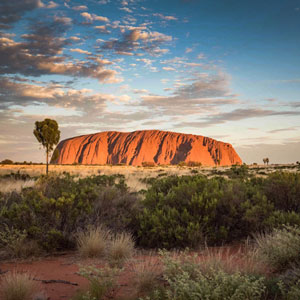
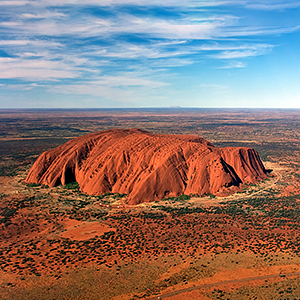
“Uluru is a really special place for me – I’ve guided 250 trips to Uluru and even now I still get the hairs on the back of my neck standing up. The size of Uluru pales into comparison to the depth of the local (Anangu) culture and knowledge. In Kakadu National Park, Gunlom Waterhole is a magic spot. It’s like sitting in an infinity pool, but you’re on top of the Kakadu escarpment overlooking a vast, natural landscape.”

Best time to go tips

Thommo,
“I love to visit the Northern Territory in the shoulder seasons. In the Red Centre, April and October are my favourite months. The summer months can have temperature up to 40°C and winter months can have nights below zero – it’s a semi arid desert region, after all. The ‘in between’ months are not too hot, not too cold and not too busy. My favourite time to visit the Top End is April to May. The whole ecosystem is pumping with wildlife and waterfalls, and the swimming waterholes are crystal clear, following the heavy rains of the wet season. For the most part the skies are clear, and landscape is lush and green after the wet. What amazes me is that there are not many people about, so you’re often experiencing waterholes in a world heritage listed park by yourself.”

Tjungu festival

Aimy Hasson:
“Tjungu Festival coincides with ANZAC Day to provide an Aboriginal alternative to traditional remembrance ceremonies. Aṉangu people are considered to be the Aboriginal owners of Uluru, and in Aṉangu language ‘Tjungu’ means ‘meeting together’ with Inma dancing, bush food stalls, artists, performers, musicians and sporting events all held at the Ayers Rock Resort over a long weekend in April.”

Packing tips

Thommo:
“In a semi arid desert most people forget that it gets really cold at night. If you are visiting Uluru between June and August you need to take a warm jumper, and even a beanie. Bring a decent camera. This is still a big mistake that I make – I don’t know how many times I’ve spotted something amazing and taken a photo to realise that my dodgy phone isn’t going to do the moment justice. Don’t overpack. Maybe it’s an insecurity thing, but it’s amazing how much ‘stuff’ some travellers carry on their trips. I’ve got a camera, clothes, and a towel which weigh a total of 5kg. On our Red Centre trips the limit is 15kg. In the Top End it’s 10kg. The weather in the Top End is always warm so you don’t need to carry much.”

Aboriginal culture

Thommo:
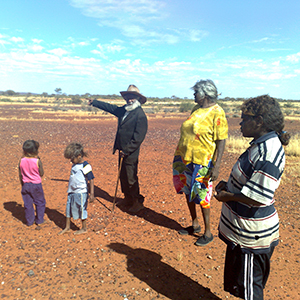
“The cornerstone of our business is supporting the local people. We include four different First Peoples experiences in our itineraries in the Northern Territory. Please make sure you ask local people for permission before taking photos.”

NORTHERN TERRITORY TIPS FROM OUR TRAVELLERS

At Responsible Travel, we think the best people to advise our travellers are often... other travellers. They always return from our tours with packing tips, weather reports, ideas about what to do – and opinions about what not to.
We have selected some of the most useful Northern Territory travel tips that our guests have provided over the years to help you make the very most of your holiday – and the space inside your suitcase.
Ensure you book well in advance to get the best fare deals. Take out additional insurance if you book a car as an accident could cost you over AUD 3000. Use cash where possible as the surcharge on credit cards is high.
– Jan Baker
"Arnhem Land. This is one of the most special places I have ever visited. It's Aboriginal Land, and only about 6 small tour operators are licensed to take visitors in. As a result we felt less like tourists and more like we'd been given the key to a semi-secret land. It's enormous, and looks and feels wilder than Kakadu. Perhaps the highlight was the visit to the Art Centre and the cave paintings at Gunbalanya."
– Justin Francis

"Probably more important for Europeans than Canadians or Americans (who live in big-scale countries): realise emotionally, not just intellectually, that once you leave the eastern coast, Australia has a whole lot of geography with relatively few communities, people or manmade attractions/distractions. You're going to spend many hours travelling through countryside before you hit on another community or ‘Thing To Do’. If you think that countryside is empty, rather than rich in and of itself, pick a different holiday. Canadians get this fact automatically, because that's our own reality. For Europeans (including Brits), it can be dismaying.” – Penny Williams

"Uluru. Camping was a bit basic but a wonderful experience – cooking over an open fire under a clear unpolluted night sky was simply ethereal. My most memorable bit was the tour of Kata Tjuta - Ben the guide's knowledge and experience was simply wonderful. I've never met someone who could talk with such knowledge about geology, wildlife, country lore." – Farida Parkyn
Perhaps the highlight was the visit to the Art Centre and the cave paintings at Gunbalanya.
– Justin Francis
Written by Catherine Mack
Photo credits: [Page banner: Jon Connell] [Kata Tjuta: Maarten Danial] [Uluru: Holger Link] [Red landcape - sunset: Alberto...] [Barunga festival: Roderick Eime] [Walking boots: Fidel Fernando] [Local guide: Edwin Farrel - Intrepid] [Small group trip - camp beds : Edwin Farrel - Intrepid] [Vehicle - Uluru: Karl JK Hedin] [Cave painting - Arnhem Land: Jon Connell]