Akagera National Park
Come for the rhino, stay for the views: Rwanda’s only savannah national park is actually a beautifully mixed landscape of lakes, hills, wetland, forest and plain.
There’s a rhino in the road – but is it black or white? White rhinos are bigger, but both are pretty big. The secret is all in the lips: white rhinos have flat mouths for mowing grass, black rhinos have hooked lips, adept at stripping leaves from branches.
Akagera has both species of African rhino: recent additions to one of the continent’s oldest national parks – additions which, alongside lions, make it a Big Five safari destination. Rhinos might amble onto the road in front of your car – a foreground hump to complement the rolling background of this thousand-hill land on our Rwanda safari holiday.
There’s a rhino in the road – but is it black or white? White rhinos are bigger, but both are pretty big. The secret is all in the lips: white rhinos have flat mouths for mowing grass, black rhinos have hooked lips, adept at stripping leaves from branches.
Akagera has both species of African rhino: recent additions to one of the continent’s oldest national parks – additions which, alongside lions, make it a Big Five safari destination. Rhinos might amble onto the road in front of your car – a foreground hump to complement the rolling background of this thousand-hill land on our Rwanda safari holiday.

Rwanda’s safari park: for wildlife without the crowds
“You will see a lot of wildlife there,” says Steve Venton, director of our partner, Kingfisher Journeys, who run tours for us in the park. “They’ve perhaps not got the numbers compared to other parks in Africa – but what you’ll find is a wide variety of habitats – lakes, rivers, and quite an interesting variety of species.”
For international visitors, one of Rwanda’s biggest draws is gorilla watching in Volcanoes National Park and watching for chimps in Nyungwe forest. A safari in Akagera can be added en route. The park is just two to three hours’ drive from Kigali.
“It’s a small park but it’s really well managed and it’s not got the overtourism,” says Steve. Over the border of the Kagera River which runs on one edge of Akagera is Tanzania – far and away more popular for safari. Akagera gets fewer visitors: “You’re stumbling on wildlife and there’s no herd of cars trying to watch the lions,” says Steve.
Akagera can’t compete with some of Tanzania or Kenya’s great parks in terms of epic sights. Whilst the population is growing, Akagera has fewer than 100 lions; the Masai Mara has around 900.
There are still some 12,000 animals to spot, and 480 species of bird, including rehabilitated great crowned cranes, which are rescued from the pet industry and released here. Staying overnight means you can participate in nocturnal safari – not always offered in national parks – or simply sleep knowing that you’re surrounded by nature. “You can hear the animals – and even see them coming into the compound,” says Steve. “You get hippos and baboons around the tent.”
For international visitors, one of Rwanda’s biggest draws is gorilla watching in Volcanoes National Park and watching for chimps in Nyungwe forest. A safari in Akagera can be added en route. The park is just two to three hours’ drive from Kigali.
“It’s a small park but it’s really well managed and it’s not got the overtourism,” says Steve. Over the border of the Kagera River which runs on one edge of Akagera is Tanzania – far and away more popular for safari. Akagera gets fewer visitors: “You’re stumbling on wildlife and there’s no herd of cars trying to watch the lions,” says Steve.
Akagera can’t compete with some of Tanzania or Kenya’s great parks in terms of epic sights. Whilst the population is growing, Akagera has fewer than 100 lions; the Masai Mara has around 900.
There are still some 12,000 animals to spot, and 480 species of bird, including rehabilitated great crowned cranes, which are rescued from the pet industry and released here. Staying overnight means you can participate in nocturnal safari – not always offered in national parks – or simply sleep knowing that you’re surrounded by nature. “You can hear the animals – and even see them coming into the compound,” says Steve. “You get hippos and baboons around the tent.”
Why Akagera is a success story for Rwanda’s nature tourism
Akagera National Park has been a big success story for Rwanda’s nature tourism. In just a few years the park, which contains the largest protected wetland in central Africa, has become the home of the Big Five and has demonstrated it can self-sustain through tourism income: because when there’s lots of wildlife to see, us travellers want to go and see it.
Yet 20 years ago Akagera looked very different. Once a successful wildlife preserve, the park became a battleground in the early 1990s during the civil war. After the 1994 Rwandan genocide, parkland was given to displaced people and used for cattle grazing, radically reducing the area of the park from its original 2,800km2. Farmers, protecting their crops and livestock, had driven away or killed wild animals; others were hunted for food, and fish were removed from the lakes.
This is one of Africa’s oldest national parks, founded in 1934 by an occupying Belgian government and once known for its wild dog population (hence its original name, Park aux Lycaons – though they disappeared from the park in the 1980s).
In 2009 the Rwandan government began joint management of the park between the Rwandan Development Board and African Parks, a private company which manages dozens of protected areas in Africa.
Management changed: the park was fenced and patrolled by anti-poaching units with dogs, helicopters surveyed from the air and herded animals back from neighbouring farmland. A solar-powered electric fence is in place, which allowed the park to introduce lions and rhinos, brought in through several large translocations.
Lions and the first rhinos arrived in 2017, and with them the park became a Big Five destination again. In 2025 the largest translocation of rhinos ever made – some 70 southern white rhinos ambitiously shipped in crates on lorries to great fanfare – were added to the park. Rhinos are breeding in the park; the first in a decade was born in 2017. Now the park has white and black rhinos together, perhaps for the first time, cohabiting in peace.
Yet 20 years ago Akagera looked very different. Once a successful wildlife preserve, the park became a battleground in the early 1990s during the civil war. After the 1994 Rwandan genocide, parkland was given to displaced people and used for cattle grazing, radically reducing the area of the park from its original 2,800km2. Farmers, protecting their crops and livestock, had driven away or killed wild animals; others were hunted for food, and fish were removed from the lakes.
This is one of Africa’s oldest national parks, founded in 1934 by an occupying Belgian government and once known for its wild dog population (hence its original name, Park aux Lycaons – though they disappeared from the park in the 1980s).
In 2009 the Rwandan government began joint management of the park between the Rwandan Development Board and African Parks, a private company which manages dozens of protected areas in Africa.
Management changed: the park was fenced and patrolled by anti-poaching units with dogs, helicopters surveyed from the air and herded animals back from neighbouring farmland. A solar-powered electric fence is in place, which allowed the park to introduce lions and rhinos, brought in through several large translocations.
Lions and the first rhinos arrived in 2017, and with them the park became a Big Five destination again. In 2025 the largest translocation of rhinos ever made – some 70 southern white rhinos ambitiously shipped in crates on lorries to great fanfare – were added to the park. Rhinos are breeding in the park; the first in a decade was born in 2017. Now the park has white and black rhinos together, perhaps for the first time, cohabiting in peace.
Why Akagera National Park is so much more than a savannah park
It’s not just the animals that make Akagera special. Rwanda is arguably a very beautiful country: a lush, green, hilly land. The park is home to the country’s only savannah habitat – the place to go to see antelope species, zebra, giraffes and more.
Savannah isn’t the only draw. Whilst it is one of the smaller national parks for game watching at 1,122km2 (Selous, in neighbouring Tanzania, is 55,000km2) its landscape is very varied. Savannah sits alongside a large wetland: 10 major lakes and swamps of papyrus comprise a third of the park. There are rivers, hills covered in forest, plains and valleys. It means that your giraffe photographs come with beautiful hilly backdrops.
Savannah isn’t the only draw. Whilst it is one of the smaller national parks for game watching at 1,122km2 (Selous, in neighbouring Tanzania, is 55,000km2) its landscape is very varied. Savannah sits alongside a large wetland: 10 major lakes and swamps of papyrus comprise a third of the park. There are rivers, hills covered in forest, plains and valleys. It means that your giraffe photographs come with beautiful hilly backdrops.
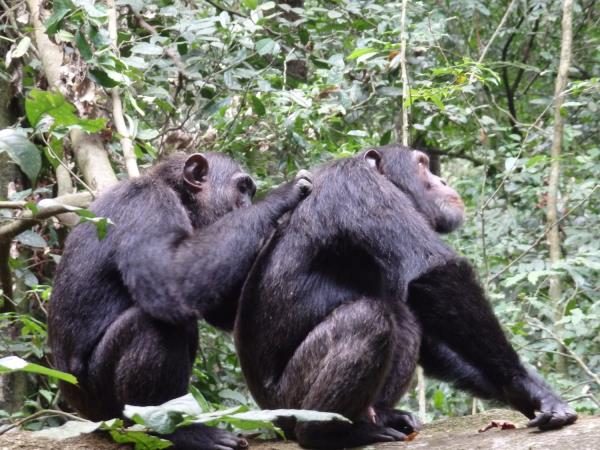
Rwanda primate holiday, 6 days
Gorilla, Chimp, Colobus and Golden Monkey trekking
From
US $4261 to US $6562
6 days
ex flights
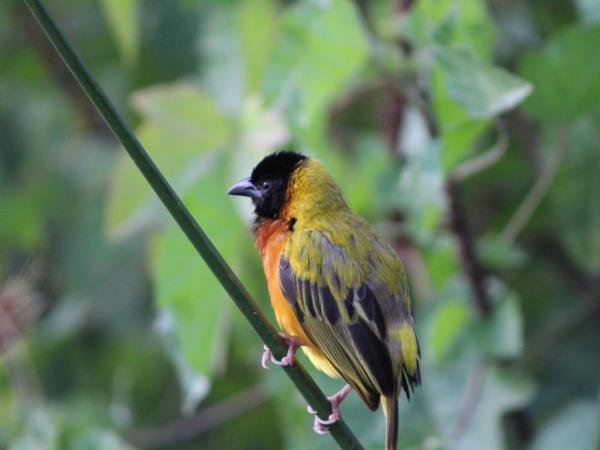
Rwanda bird watching holiday and gorilla trek
Birding Rwanda and gorillas safari
From
US $6949 to US $11818
12 days
ex flights
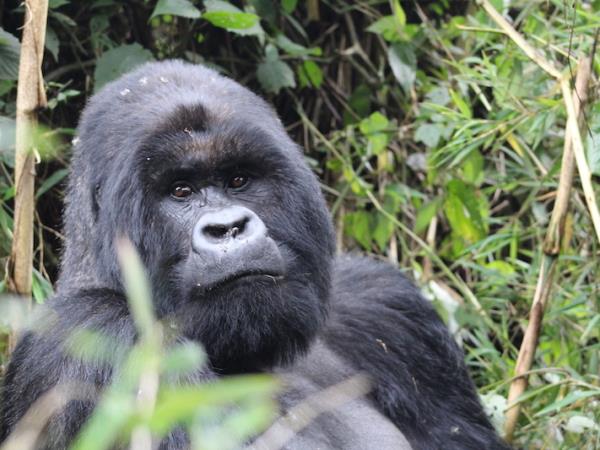
4 day primate and cultural tour, Rwanda
Gorilla & golden monkey trekking in volcano National Park
From
US $3428 to US $4994
4 days
ex flights
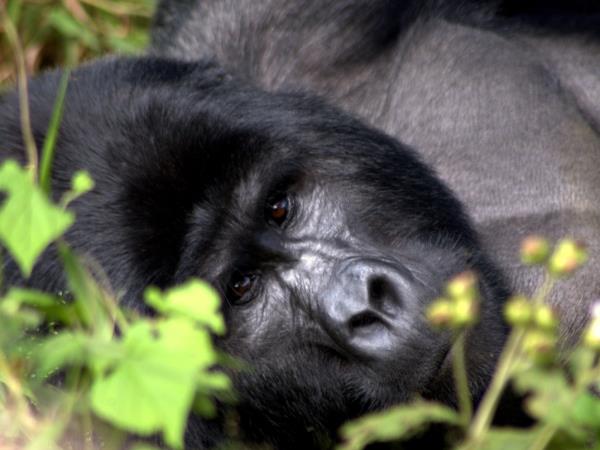
Primate tour in Rwanda and Uganda
Track down mountain gorillas and chimps in Uganda & Rwanda
From
£7950
11 days
ex flights
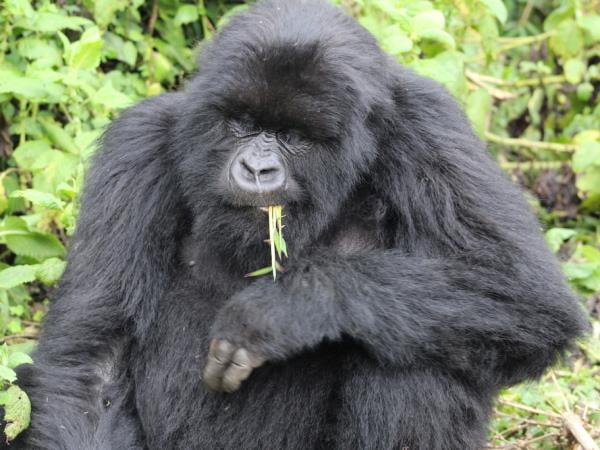
Best of Rwanda safari, 12 days
Explore Rwanda's beautiful nature in 2 weeks
From
US $6819 to US $11176
12 days
ex flights
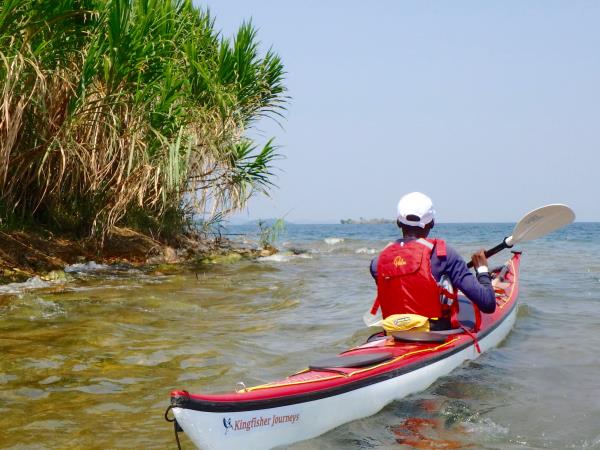
Rwanda kayaking holiday and gorilla safari
A unique kayaking adventure on Lake Kivu
From
£6500
10 days
ex flights


Contact Us

Call us for a chat about our holidays. We are happy to discuss your holiday and help in any way we can. No bots, queues or awful hold music.

01273 823 700
Call us after 9am
Calling from outside the UK


Things to do in Akagera National Park

You’re stumbling on wildlife and there’s no herd of cars trying to watch the lions.![]()

Start with safari: Kilala plain, the park’s large grassland, presents easy wildlife-spotting as animals graze in the open – but you hopefully won’t spot too many other vehicles whilst you’re there. Jeep safaris can be complemented by walking safaris, and even hot air balloon rides.
Boat rides are a great way to explore the park’s large lakes. Going at sunset or sunrise on Lake Ihema is a relaxing way to cruise and crocodile-spot.
The aardvarks come out at night. The leopard drops down from its tree, mongoose make haste, and scavenging jackals follow behind ready to pick up the pieces. Not all national parks permit nocturnal safari – Kenya’s national parks forbid it, for instance – but Akagera allows nocturnal safaris with approved guides for those staying in the park.
Akagera’s rehabilitated grey crown cranes aside, the park is a great place for birdwatching, and the varied habitats mean you can see lots of different birds over a small area – from open grassland birds to wetland birds. There are over 480 species recorded. Migratory birds swell the numbers from November to April.
Walking a 7km stretch of Akagera’s perimeter fence allows you to engage with the local communities who live on the edge of the park and learn about the beekeeping, fishing and banana beer making activities that allow them to profit from tourism in the park.
Outside of the islands, Rwanda is the most densely populated country on the African continent and unlike in other countries, there is no buffer zone separating park and people. It means that you might see their homes in the distance whilst you’re on safari, but a community visit, and making purchases of local products, can bridge the gap between tourists and residents.
Boat rides are a great way to explore the park’s large lakes. Going at sunset or sunrise on Lake Ihema is a relaxing way to cruise and crocodile-spot.
The aardvarks come out at night. The leopard drops down from its tree, mongoose make haste, and scavenging jackals follow behind ready to pick up the pieces. Not all national parks permit nocturnal safari – Kenya’s national parks forbid it, for instance – but Akagera allows nocturnal safaris with approved guides for those staying in the park.
Akagera’s rehabilitated grey crown cranes aside, the park is a great place for birdwatching, and the varied habitats mean you can see lots of different birds over a small area – from open grassland birds to wetland birds. There are over 480 species recorded. Migratory birds swell the numbers from November to April.
Walking a 7km stretch of Akagera’s perimeter fence allows you to engage with the local communities who live on the edge of the park and learn about the beekeeping, fishing and banana beer making activities that allow them to profit from tourism in the park.
Outside of the islands, Rwanda is the most densely populated country on the African continent and unlike in other countries, there is no buffer zone separating park and people. It means that you might see their homes in the distance whilst you’re on safari, but a community visit, and making purchases of local products, can bridge the gap between tourists and residents.
Quick facts about Akagera National Park
Where is Akagera National Park?
Akagera National Park is in eastern Rwanda, around 100km from the capital. The Kagera River runs along its eastern border, separating the park from next door Tanzania.
How can I visit Akagera?
You can drive from Kigali to Akagera National Park. The roads are good and it’s between two or three hours’ drive. When you get to the park it’s best to book into a Jeep safari so that you get a guide.
What animals can I see in Akagera?
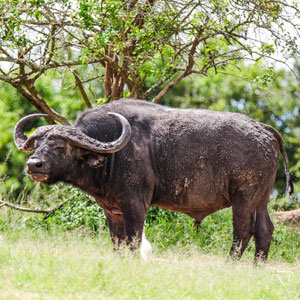
You can see the Big Five in Akagera National Park: buffalo, leopard, lion, elephant and rhino. There is a large amount of savannah wildlife, including various kinds of antelopes. You can also see around 480 bird species and, if you’re lucky, the shoebill stork.
When is the best time to visit Akagera National Park?
The best time to visit Akagera National Park is in the dry season. The peak time is in the dry season which runs from June to September. There is a second dry season from December to early February. Don’t completely discount the rainy season, which can be quieter.
In summary
More Rwanda articles
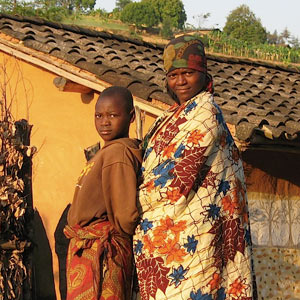
If you want to go gorilla trekking, the best time to go to the country is whenever you can manage to get a permit!
Rwanda has three vital aspects that tourists flock to see: people and culture, national parks and gorillas!
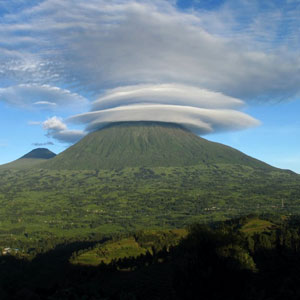
A country featuring volcanoes, verdant rainforest, the Virunga Mountains and a vast array of wildlife.
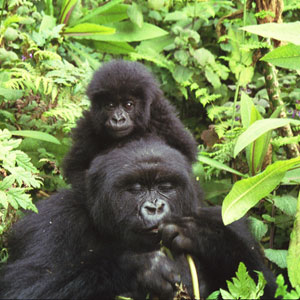
One of the world's great wildlife experiences is found when you trek in Volcanoes National Park and Virunga Mountains.
The most sought-after travel experiences in the world; the reality seldom disappoints.
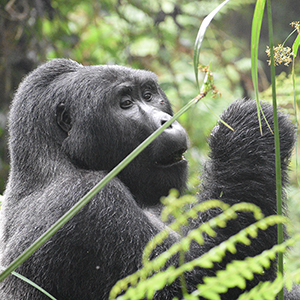
Rwanda’s wonderful wildlife of gorillas and chimpanzees exists in the most densely populated country in Africa.
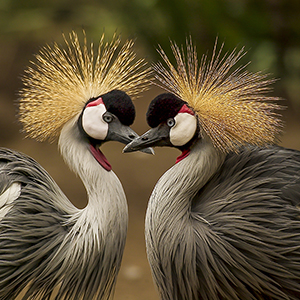
Whilst Rwanda’s protected areas are great for gorillas, you can spot birds everywhere.
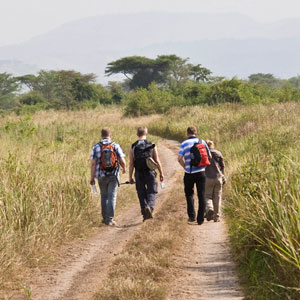
From trekking to taking in the history, cultural awareness to local cuisine, Rwanda is a fascinating country.
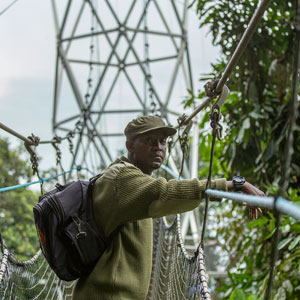
Responsible tourism in Rwanda revolves around peace, respect and understanding.