THE STANS TRAVEL GUIDE
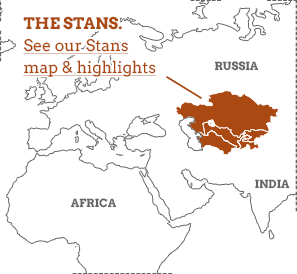
Central Asia has a more colloquial name: the Stans. This vast region, stretching from the Caspian Sea to China, consists of Uzbekistan, Turkmenistan, Kazakhstan, Kyrgyzstan and Tajikistan, with Afghanistan and Iran below and Russia looming to the north. The suffix ’stan is Persian and Urdu for ‘land of’. So, if you’re in Kyrgyzstan, you’re in the land of the Kyrgz. Simple. What isn’t simple is generalising about what you’ll find on a trip to two or more Stans. Turkmenistan is dominated by desert, but Tajikistan is all about mountains. Uzbekistan brims with Silk Road cities, but Kyrgyzstan is the place for hiking and horse riding.

Travelling to a handful of Stans brings dazzling variety, but while the sights vary, the welcome never falters.![]()

Tourism is in its infancy, so there’s a real sense of discovery to travelling here, and the few visitors that pass through are treated with instinctive hospitality by local people who, beyond the odd glitzy Soviet capital, live simply, in ways little changed in centuries.

The Stans are…
five very different countries, with diverse landscapes and long history.
The Stans aren’t…
all about the Silk Road.
WHAT WE RATE & WHAT WE DON'T
Underrated
Accommodation
The hotels in the Stans – where available – are generally pretty decent midrange places, with en suite facilities. In remote areas, you might be in a local guest house with shared facilities or even on a yurt homestay. While avoiding mass tourism development, the Stans have seen more visitors in the last six or seven years, and accommodation has diversified as a result.
Active exploration
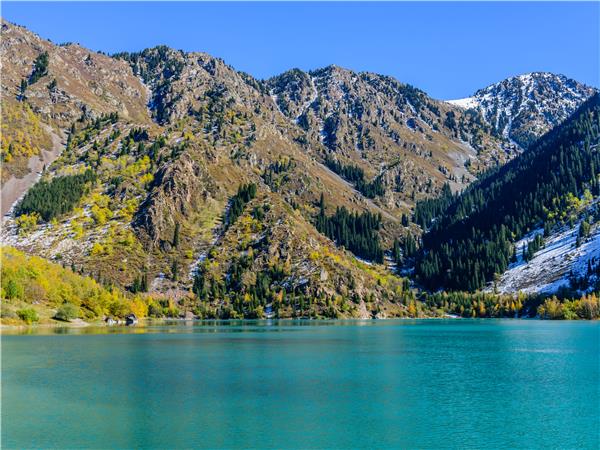
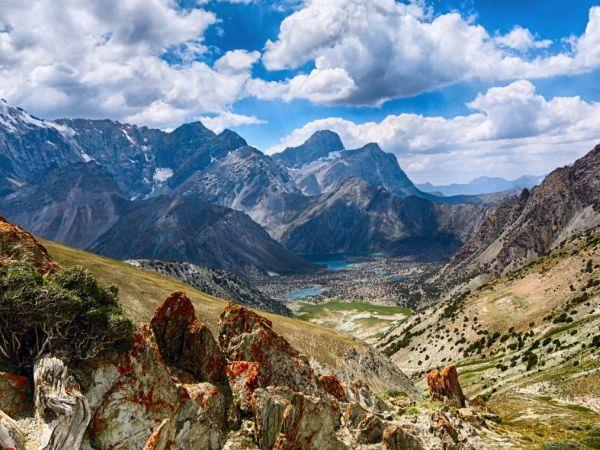
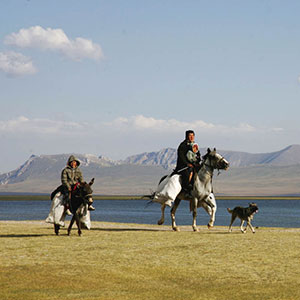
Trekking around gorgeous Iskander-Kul lake in Tajikistan, horse riding through meadows at Kyrgyzstan’s Song Kul lake, discovering the singing dunes of Kazakhstan’s Altyn-Emel National Park and camping by the flaming Darvaza crater in Turkmenistan – the Stans aren’t well known as a soft adventure hotspot, but they should be. In some, cosy yurt homestays round off a day exploring, weaving local culture in with outdoor fun.
Kazakhstan
Kazakhstan remains one of the least visited Stans. Much of it is empty steppe, but the south has dramatic canyons, the striped Aktau Hills, singing dunes and wildlife, plus Iron Age sites and Silk Road monuments. Keep an eye on the desert regions of Mangistau in the west, too – just opening to travellers.
Soviet history
The Stans’ recent history, under Russia and the USSR, gets a bit overlooked by travellers hungry for Silk Road cities and wild Pamirs, but it shouldn’t be ignored. Stalinesque public buildings, Tashkent’s metro, avenues wide enough for military parades and rusting tanks are the legacy. In Tajikistan’s capital, Dushanbe, Soviet era buildings are being razed and replaced with modern blocks. Travel with a local guide who can share a glimpse of the impact of Soviet rule, and how things have changed since the five countries gained independence.
Rated
Local hospitality
The people who live in the Stans are famous for their warmth. The Turkmen people tend to be a little reserved, because the political situation makes it impossible to speak freely, but other countries are more open, especially once you get out to the nomadic people of Kyrgyzstan, perhaps the warmest of all.
Silk Road cities
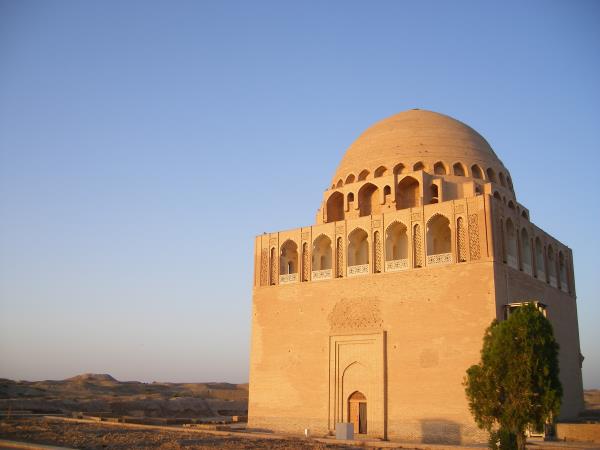
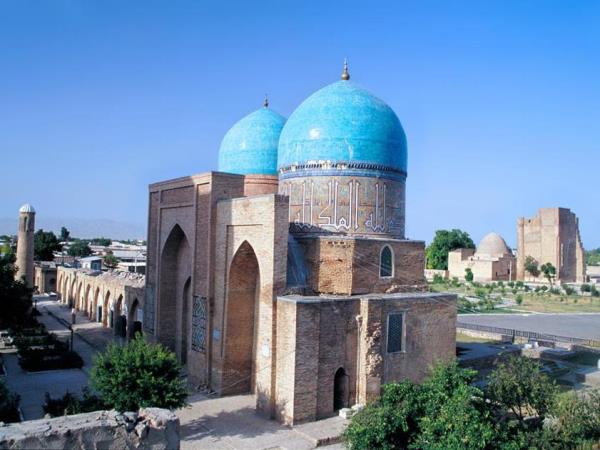
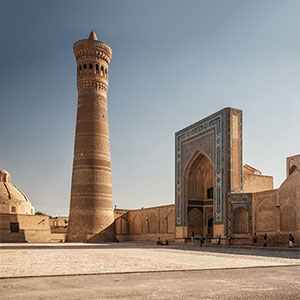
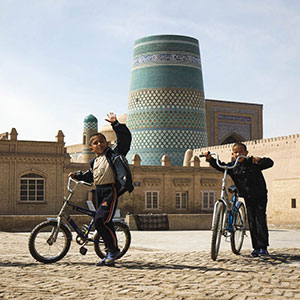
Uzbekistan’s famous Silk Road cities never fail to impress: Khiva’s frozen-in-time old town; Bukhara’s 140 protected buildings, and Samarkand, Timur’s splendid capital, with the vast Registan at its heart. Timur was descended from Mongols and nomads, and ironically preferred to camp out in Samarkand’s gardens and open spaces. These bold and beautiful buildings were meeting places for foreign visitors and for show – then and now.
Song Kul lake, Kyrgyzstan
Almost 18km across and 29km wide, fronted by lush summer pastures and ringed by distant peaks, lake Song Kul is idyllic. It’s what many people imagine when they think of the Stans – vast grasslands, grazing horses and clusters of yurts. Stay with a nomadic family here and ride horses, hike the lake shores or simply gaze at the vast sky reflected in its watery surface.
The Pamir Highway
One of the world’s loftiest routes, running through the ‘roof of the world’, the Pamir Highway is a truly spectacular route. It’s rough, narrow and potholed in parts, with vertiginous drops in places, and you can expect massive lorries to thunder along behind you, so you’ll need pretty strong nerves, but the views of rugged peaks and racing rivers are breathtaking.
Overrated
Entry requirements
It’s much easier than it used to be to get visas to the Stans, and Kazakhstan and Kyrgyzstan are visa free for UK travellers, but Uzbekistan lags behind the other Stans in terms of ease and, despite announcing in 2017 that it was going to launch visa free entry for UK travellers, it later backtracked on that. Your tour company can support you through this sometimes painful process.
Food
Food in the Stans is at best a glorious mélange of flavours from east and west; at worst, barely edible if you’re vegetarian. You can find Chinese flavours, in the manti dumplings and noodles, and a Soviet influence in the vodka and tea, but generally, expect meaty broths – prepare for fat – and lots of bread, tomatoes and cucumbers.
Human rights
The right to freedom of expression and peaceful assembly is restricted throughout the Stans, while homosexuality is frowned upon in some and illegal in others. Arbitrary arrests, poor treatment of those in detention and discrimination against minority groups and women also blight this region, and Uzbekistan and Turkmenistan are heavily controlled police states. Read updates from Amnesty International before you travel.
Independent travel
Rubbish roads, long distances, police checks and a lack of accommodation mean it’s not easy to travel independently in the Stans. Each country has different entry requirements, too, and English isn’t widely spoken. It’s more practical – and fun – to join a small group tour that includes guides, a driver, oodles of pre-departure support and introductions to local people.
Central Asia overland tour, the stans
Epic journey through five Stans of Central Asia
From
£7199 to £7899
26 days
ex flights
The Silk Road small group tour
Discover the Silk Road in Uzbekistan, Kyrgyzstan and China
From
£3338 to £3921
16 days
ex flights
Uzbekistan tour, Road to Samarkand
Travel the ancient Silk Road through remote Central Asia.
From
£1870 to £1945
11 days
ex flights
Kazakhstan and Kyrgyzstan adventure tour
Explore the futuristic and ancient from Astana to Bishek
From
£2295 to £2630
11 days
ex flights
Silk Road holiday, five Stans of Central Asia
Journey through the 5 stans of Central Asia
From
£7945 to £8250
29 days
ex flights
Silk Road holiday, small group
Discover amazing Uzbekistan, Turkmenistan and Tajikistan
From
£3475
15 days
ex flights


FOOD, SHOPPING & PEOPLE
Eating and drinking
Plov is eaten all over Central Asia, and a national obsession in Uzbekistan and Tajikistan. At its simplest it’s rice with onion, carrots and some form or meat, cooked slowly in layers.
Soup is ubiquitous in the Stans, ranging from tasty noodle soup called laghman to less appetising fatty, meaty broths.
Vodka, a hangover from the Soviet era in every sense, is still popular across the region, and there are plenty of cheap but tasty local varieties to sample as you travel from Stan to Stan.
Soup is ubiquitous in the Stans, ranging from tasty noodle soup called laghman to less appetising fatty, meaty broths.
Vodka, a hangover from the Soviet era in every sense, is still popular across the region, and there are plenty of cheap but tasty local varieties to sample as you travel from Stan to Stan.
People and language
Languages belonging to the Turkic group are spoken across the Stans – Turkmen in Turkmenistan, Uzbek in Uzbekistan – with sometimes several spoken in a single country. Russian, though, is the de facto language, spoken throughout the region and especially in cities, a linguistic legacy of the time the Stans were the Soviet Central Asian Republics. Very few people speak English.
Learn how to say ‘thank you’ around the region:
Rahmat in Uzbek
Sag bolu? in Turkmen
Raqmet sizge in Kazakh
Learn how to say ‘thank you’ around the region:
Rahmat in Uzbek
Sag bolu? in Turkmen
Raqmet sizge in Kazakh
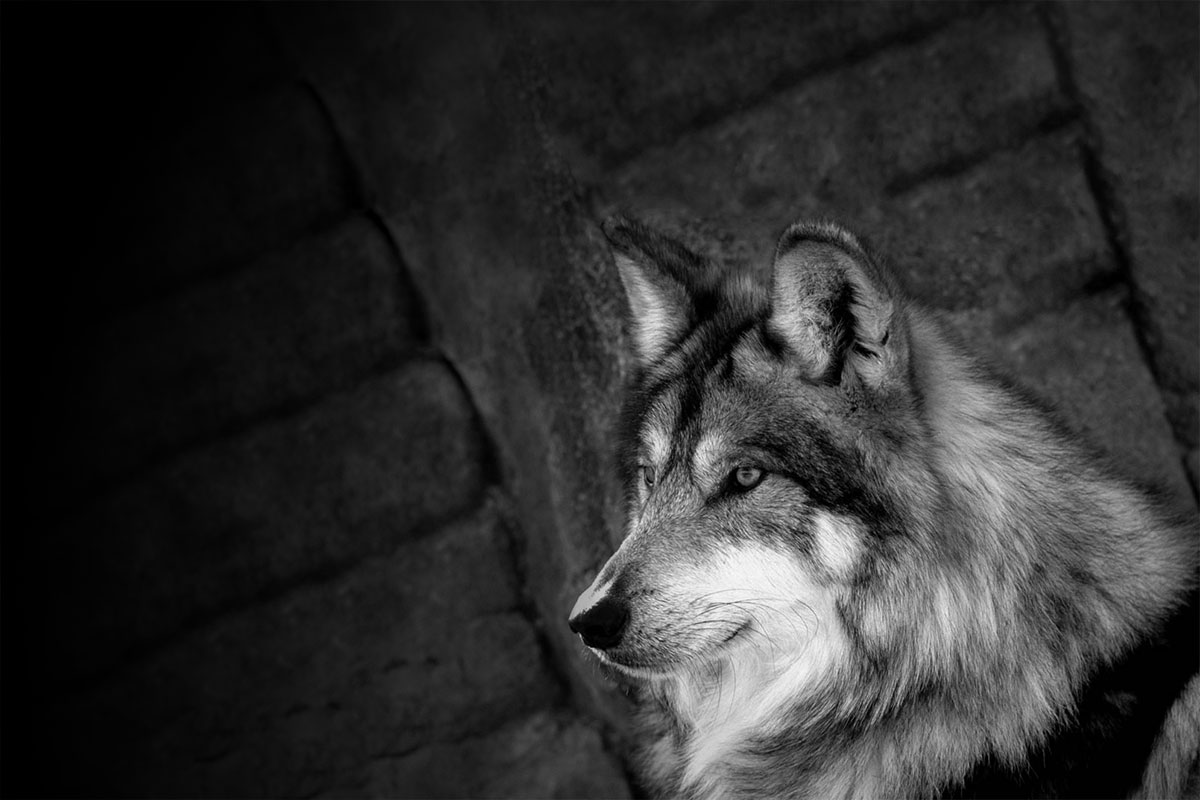
Kazakhs like to joke that they are second in the world in terms of meat consumption after, no, not Argentina, but wolves.![]()
Our top trip
Central Asia overland tour, the stans
Epic journey through five Stans of Central Asia
From
£7199 to £7899
26 days
ex flights
Small group travel:
2027: 22 May, 26 Aug
2028: 20 May, 24 Aug
2027: 22 May, 26 Aug
2028: 20 May, 24 Aug
Contact Us
Call us for a chat about our holidays. We are happy to discuss your holiday and help in any way we can. No bots, queues or awful hold music.

01273 823 700
Call us after 10am
Calling from outside the UK

Gifts and shopping
Gorgeous rugs and carpets are a speciality of Uzbekistan and Turkmenistan, with the Tolkuchka bazaar in Turkmenistan and Bukhara’s four covered bazaars great places to shop. In Kyrgyzstan, look out for shirdaks, traditional felt rugs used by nomads to cover their yurt floors.
Ceramics are ubiquitous, from inexpensive tea bowls in Kyrgyzstan to large plates with bold patterns throughout Uzbekistan.
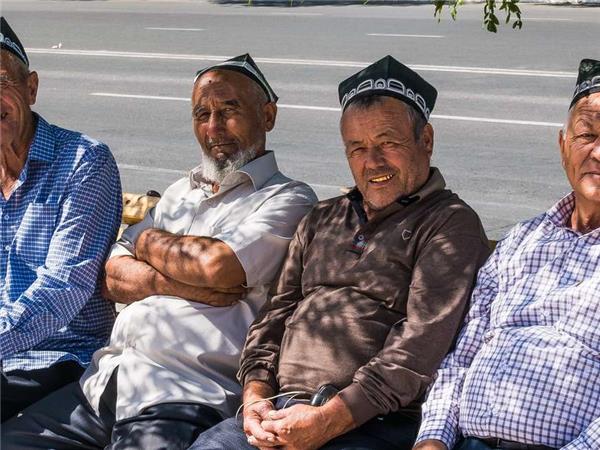
Most Stans have their own unique style of hat. Turkmenistan has the furry telpek, while Uzbekistan and Tajikistan have embroidered skullcaps. The kalpak has a high crown and is made of white felt or sheepskin, symbolising the peaks of the Kyrgyz Mountains.
Ceramics are ubiquitous, from inexpensive tea bowls in Kyrgyzstan to large plates with bold patterns throughout Uzbekistan.
Most Stans have their own unique style of hat. Turkmenistan has the furry telpek, while Uzbekistan and Tajikistan have embroidered skullcaps. The kalpak has a high crown and is made of white felt or sheepskin, symbolising the peaks of the Kyrgyz Mountains.
According to myth, Timur bought 100,000 craftsmen to work on Samarkand’s Bibi Khanum mosque. When he toured the site, he rewarded workers by throwing coins and meat at them.![]()
How much does it cost?
Samarkand to Tashkent by train, Uzbekistan: about £4.50
Plov and tea for two in standard restaurant, Uzbekistan: £1.50-2.50
Kalpak hat, Kyrgyzstan: £13
Loaf of white bread, Kazakhstan: 20p
0.5l beer, Tajikistan: 35p
Plov and tea for two in standard restaurant, Uzbekistan: £1.50-2.50
Kalpak hat, Kyrgyzstan: £13
Loaf of white bread, Kazakhstan: 20p
0.5l beer, Tajikistan: 35p
More The Stans articles
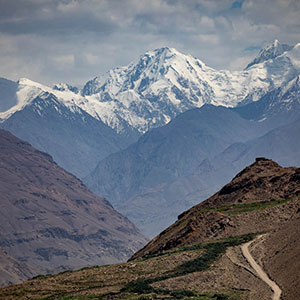
There's a climate of extremes – fierce cold in the winter, soaring heat in the summer.
Discover the natural wonders and Silk Road centres sprinkled across these five countries.
Discover a little more about the five unique countries that are known as the Stans.
Tips and advice from experts and travellers who have already been is invaluable for your Central Asia holiday.