Tuscany travel guide

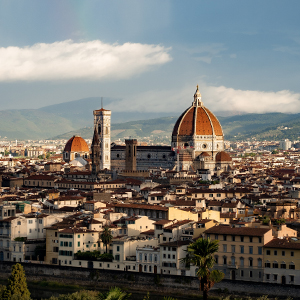
Tangled knots of vine stretch as far as the eye can see, and as you pause momentarily to dab your brow from the heat of the day you’re reminded, yet again, what a good idea it was to decline that coach trip to Florence. Tuscany’s cities are magnificent, boasting world-renowned Renaissance art and Romanesque architecture. However, during the summer they are packed with tourists, and not at all fun to visit.
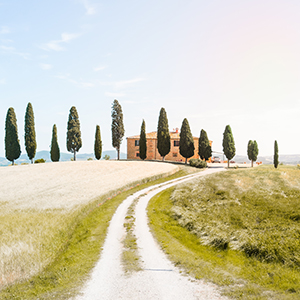
Get lost in the hillsides of Tuscany and uncover the relationship between the land and the people of one of Italy’s best loved rural regions.
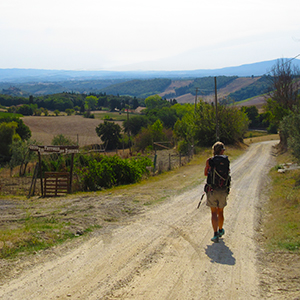
Exploring lesser-known villages and towns instead, especially outside of the summer, offers a much more relaxed take on Tuscany, with the landscapes promising endless opportunities to walk, cycle and generally appreciate life outdoors. Staying on a working farm immerses you in Tuscany’s most glorious rural scenery, and if you fancy eating alfresco with grapes hanging overhead and chickens scratching around in the yard, then a family-owned agriturismo is the way to go.
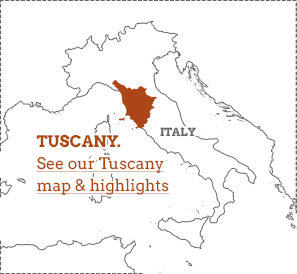
Tuscany is...

far more than what the postcards and paintings suggest. An idyll for walkers, families, and foodies.

Tuscany isn't...

just for sightseeing, it’s for taking a rest and learning to lunch alfresco for an entire afternoon.

What we rate & what we don’t

Underrated

Long & winding roads

Yes, Italy has something of a reputation for ‘fearless’ drivers and yes, the roads in Tuscany are notoriously twisty turny, but don’t let this put you off exploring by car. Ditch that wide-wheeled SUV, though, for a classic, zippy, Cinquecento, a car that will help you negotiate narrow tracks and hug those hairpin bends with a touch more confidence.

Days at the beach

Many Tuscans treat the beach in a similar fashion to their seasonal wardrobe – come the autumn, it needs to be mothballed and rarely visited until summer temperatures begin to rise. This leaves you to wander beaches almost entirely bereft of people, seeking solitude under statuesque pines. And dips in the Med, even in October, can still be warm.

Cooking & food holidays

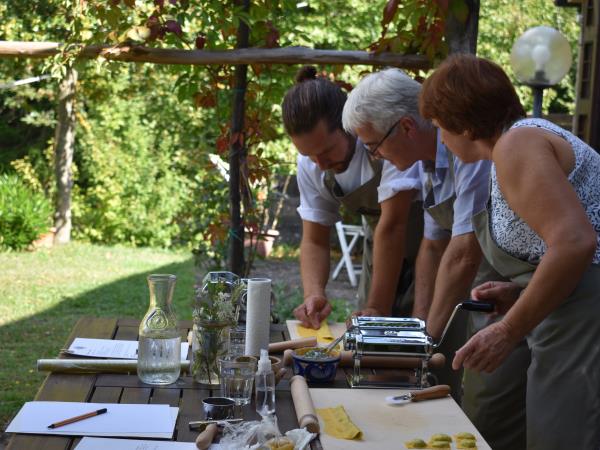
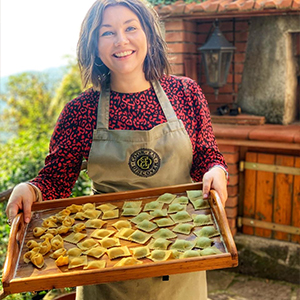
From masterclasses in whipping up a plate of gnocchi, to touring buffalo mozzarella producers and hazelnut or olive oil farms, cooking and food holidays in Tuscany are to be savoured. Tour markets and meet producers with a professional chef, then learn how to make traditional Tuscan fare, and how to impress your friends back home.

Family fun

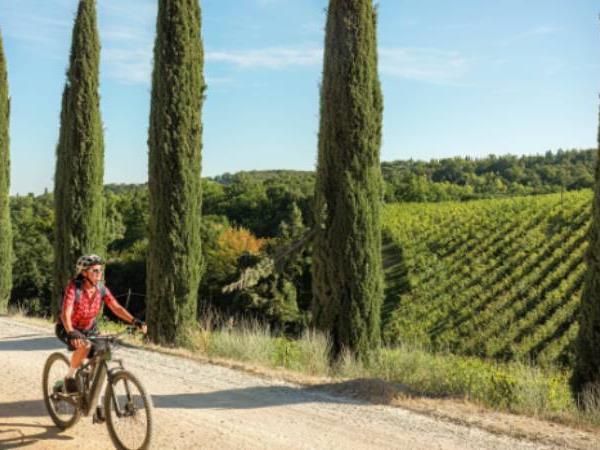
The Garfagnana Valley is a sublime location for active family holidays. Here you can hike, cycle, SUP and canyon to your hearts’ content, take day trips to Florence, Pisa or the coast, and return in the afternoons to gorge on homecooked Tuscan cuisine, and relax around the swimming pool. And all of this in a sedate, sunny setting, where you can visit untouristy towns and villages and grab a meal or a tangy glass of fresh lemonade.
RATED

Lunchtime dining

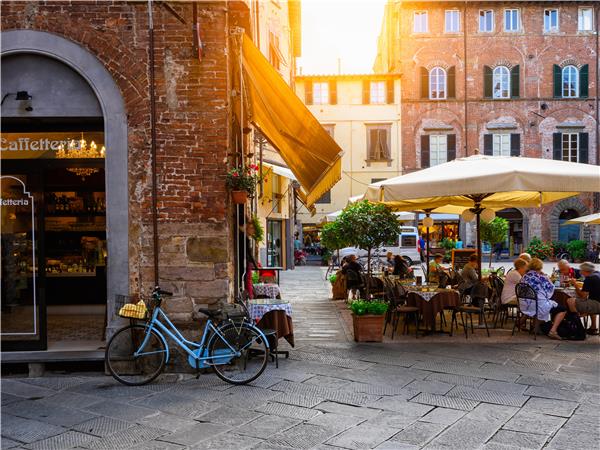
Eating out in Tuscany is not something to be confined to the evening, and certainly not just for expensive restaurants yards from the Ponte Vecchio in Florence, or Siena’s Piazza del Campo. Lunch in Tuscany is the most important meal of the day, with shops closing – pausa pranzo – from 1pm until 4pm. Avoid the main touristy areas if you hope to find a tiny trattoria without inflated prices.

Wine-tasting tours

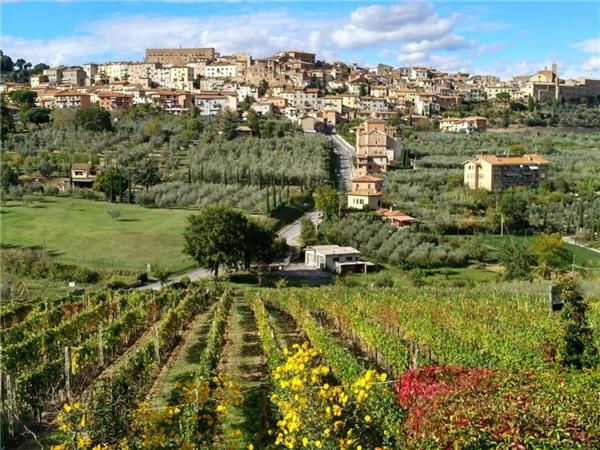
Il sole, la terra, and la colline all combine to create Tuscany’s fabled Sangiovese grape. Sampling the fruits of the vines surrounding Montefioralle, Montalcino, and Montepulciano, will put a smile on your face as wide as the Arno River. From a blood red, oak-infused Chianti to the crisp, citrus flavours of a white Vernaccia di San Gimignano – wine tasting tours in Tuscany have their legendary status sealed in.

Guided sightseeing tours

We’re not talking about following a tour guide with a telescopic umbrella here. Small group holidays in Tuscany are all about discovering the region with the insight of a local. You’ll learn their informative, and often very entertaining impressions of the nature, history, and culture of their home, without an umbrella in sight.

San Gimignano

The medieval hill town of San Gimignano gets immensely busy, but if you have time to explore, escaping the crowds is easy. There's a lovely walk around the perimeter of the town that offers views over rolling Tuscan hills knotted with vines, and there are plenty of affordable and authentic places to eat as well, once you get away from the touristy restaurants.
Overrated

Coach tours

Although an organised coach tour may at first glance seem like a relaxing way to travel around Tuscany, it’s entirely the opposite. Watching the clock, and sightseeing en masse, throws you into a whirl of whistle-stop photography with little or no time to rest, explore and soak up the atmosphere of places away from the souvenir shops and overpriced restaurants.

Cramming it all in

Lucca, Florence, Siena, Pisa, San Gimi-watsit! Arrghhh. Sometimes what was meant to be a pleasant week away can turn into more of a constant checklist of sights to see. Don’t overdo it. Visit one or two places, but also spend an afternoon by the pool or linger a little longer over lunch. Those medieval ramparts have been there a while and, you know what, they’ll still be there next time you visit.

Expensive restaurants

The essence of Tuscan dining is whatever’s in season, served simply. You know the sort of thing: freshly picked basil, tomatoes straight from the vine, a splash of olive oil, a drizzle of balsamic vinegar. Although expensive restaurants will often offer an inviting ambience, nothing beats rustic dining done well. So do yourself a favour and swap Michelin in Florence for mozzarella on a hillside – you won’t regret it.

Snacking on the street

Residents of many over-popular destinations in Tuscany complain of tourists behaving badly, causing annoyance and offence. In Florence, one of the consequences is a ban on eating on the streets of the historic centre at lunchtime and dinner time, with fines of up to €500. You can also find yourself paying a hefty fine if you damage a historic monument, or get into a public fountain, which is entirely fair.

Contact Us

Responsible Travel, Travel Team

Call us for a chat about our holidays. We are happy to discuss your holiday and help in any way we can. No bots, queues or awful hold music.

Responsible Travel, Travel Team

Food, shopping & people

Eating & drinking

Pecorino is a delicious nutty tasting cheese and comes in three types: stagionato (hard and mature), semi-stagionato (a little softer) and fresco (mild, soft and creamy). Great after a meal with walnuts, pears and honey, or just gobbled on its own with a drop of Chianti.

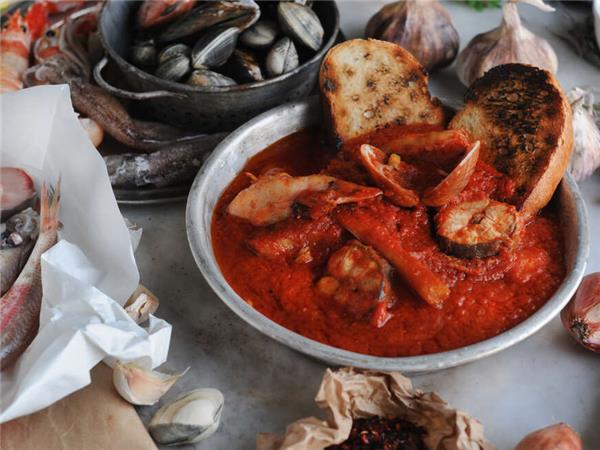
Prosciutto crudo (dry-cured ham) and Tuscan bean soup are both rural favourites, but if you're heading to Livorno, on the coast, then cacciucco is a local seafood stew speciality – perfect for pit-stops after a bracing winter walk along the seafront.

A pre-dinner drink, apertivo (singular), or an after-dinner drink, digestivo, are both used to stimulate the stomach, for either food consumption or digestion. Typical Tuscan digestivi (plural) include: ponce alla livornese, vin santo (dessert wine) and ammazzacaffè literally meaning ‘coffee killer’.

People & language

After the unification of Italy in the 19th century, the language spoken by the Florentine upper-class was adopted by the country as a whole. Therefore, Tuscans consider that they speak authentic Italian, much to the disgruntlement of the Milanese and the Romans.

Practise your Italian by saying:

Cos'e questo? ‘What is this?’ or Quanto costa? ‘How much is this?’ Of course, a warm Buon giorno ‘good day’ or Buona sera ‘good evening’ never go amiss along with grazie, per favore and arrivederci. Come si dice? ‘how do you say’ is very helpful, especially when you point at something and add the word questo, to form: ‘how do you say this one?’

Gifts & shopping

Bottles of Limoncello or Amaretto, complete with amaretti biscuits, make ideal gifts to bring home.

When buying Chianti keep an eye out for the DOCG label sealed onto bottles which means that they've been certified as only using grapes from the region, primarily Sangiovese grapes. Chianti Classico has to be encased in oak for a minimum of seven months whereas Chianti Classico Riserva will have been aged for at least two years before appearing in the shops.

How much does it cost?

Train ticket price from Pisa Airport to Florence: €14

Basic adult ticket to Uffizi Gallery, Florence: €26

Three course meal (without wine) in rural restaurant: €30

Single scoop ice cream or slice of pizza per la via (for the road): €2.50

Cappuccino at the bar or per la via: €1.40

Servizio covers the service charge and equates to a 10% or 12% tip

A brief History of Tuscany

Following the alpine cattle herders of the Apennines who inhabited the area during the late Bronze and Iron ages, the Etruscans were Etruria’s (central Italian regions of Tuscany, Lazio and Umbria) first civilised residents who farmed, mined and transported materials in between the Arno and Tiber rivers before finally succumbing to the might of the Roman Empire. The Romans set to work establishing links between citadels by extending roads and introducing aqueducts and sewer systems; although subsequent sackings by Goths, Byzantines and Lombards all befell the region prior to the rise of independent communes or republics during the Middle Ages. Read more
Written by Chris Owen
Photo credits: [Page banner: Luca Micheli] [Is/Isn't: Engjell Gjepali] [Underrated: Salvadonica Borgo del Chia] [Rated: Johny Goerend] [Overrated: Unsplash+] [Eating & drinking: Aliona Gumeniuk] [Gifts & shopping: Aleksandrs Karevs]