Pumas & sheep coexisting: The story of Estancia Cerro Guido
“We are fighting a tradition,” says Soledad Lama, a marketing, tour and travel manager, who represents Cerro Guido, Chile’s largest operating ranch. This ranch farms sheep and cattle over its 107,000 hectares and in 2019 set up a conservation arm, Cerro Guido Conservation Foundation. It is working with Panthera, a global wild cat charity, to come up with a way for estancia and pumas to coexist. It wants other estancias to follow its model.
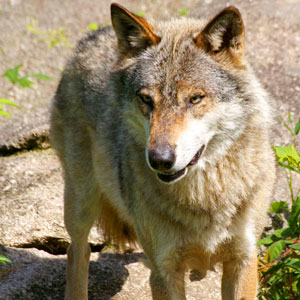
The property uses guardian dogs – specifically Maremma and Pyrenean mountain dogs from Europe – to protect the sheep. “These dogs are bred to live alongside the sheep – maybe they believe they are sheep!” explains Soledad. “They protect the sheep and give the herd the scent of the dog. The puma smells the dog and stays away.” Maremma are massive, white, fluffy dogs that are raised alongside sheep so that they bond with the herd. They were originally used in Italy to protect flocks from wolves.
“Pumas are opportunistic – if the dog barks – they go away,” says Soledad. “The puma hunts alone and if they can be hurt by the dog they die, so they’re really careful when they’re hunting.”
The introduction of dogs to protect the flocks has been deemed a success. The estancia also uses other non-lethal management techniques, like Foxlights – an after dark lighting system developed by an Australian farmer to keep foxes away from his lambs, and now adopted worldwide. The flashing light imitates the pattern of a person patrolling a property, which warns pumas to stay away.
Whilst pumas are encouraged to stay away from the sheep, they still roam the vast property, and guests on the estancia can head out into the landscape to try and spot them on the ranch's dedicated Conservation Experience. Cerro Guido uses two guides, one from the ranch and one from the foundation, who use radios to keep abreast of sightings, tell guests the story of the property, and use camera traps and other monitoring to keep an eye on the pumas – as well as the other wildlife in the area. Cerro Guido monitors their population and tests their scat for elevated levels of stress hormones in case tourism is causing problems.
This is not a tracking experience. “We don’t chase puma,” says Soledad, “If we see one, we keep our distance to around 50m or more. Keeping a safe distance, we use a scope or binoculars to watch them. If you chase a puma you are modifying its behaviour. And if they cross the Argentina border [where hunting puma is not outlawed] they can get killed.”
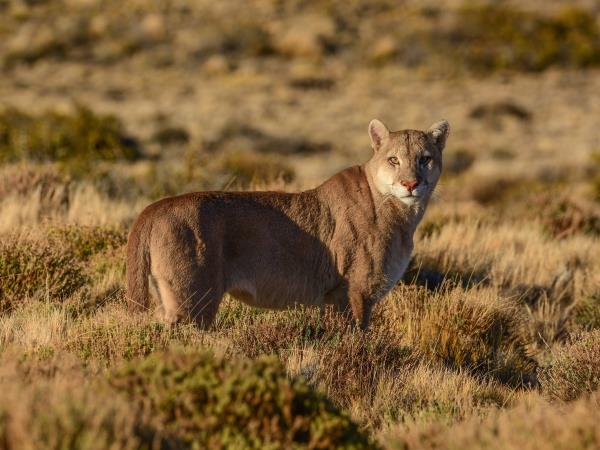
What’s it like seeing a puma? “I’ve taken the tour three times,” says Soledad, “And the three times I have seen the puma. It’s beautiful – you see it far away and they can blend in a lot with the environment. The tracker needs to tell you where they are, they might say, “You see that stone over there? At 6 o’clock? That’s a puma”. It’s really difficult to spot them with the naked eye – they blend really well. The landscape is literally the same colour as their fur. Especially during the day, they’re resting, they don’t move a lot, they’re sleeping, eating, or just enjoying the sun.”