


Orangutan watching travel guide

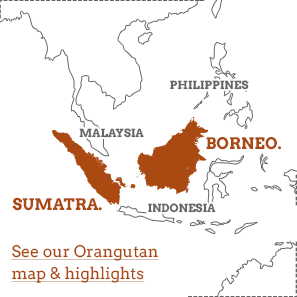
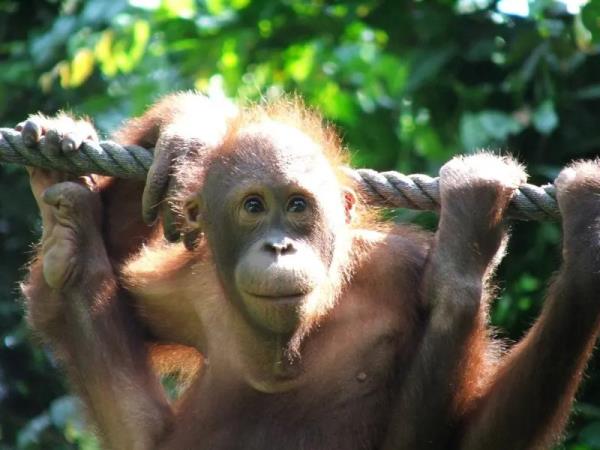
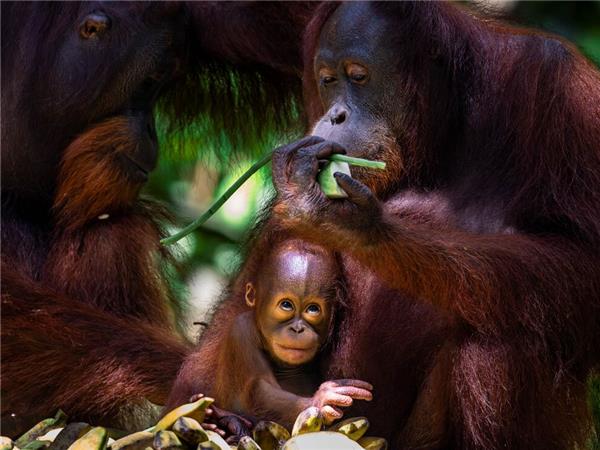
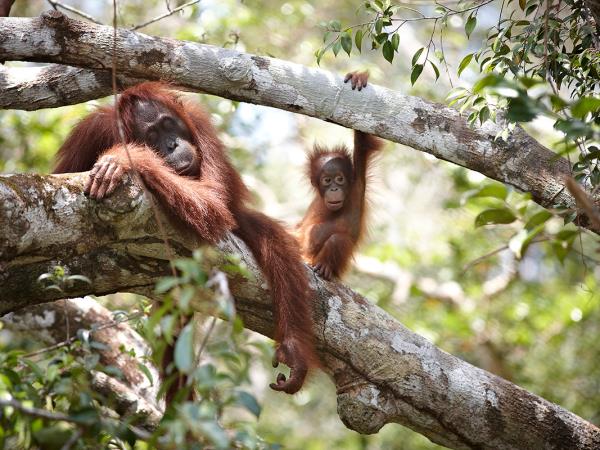
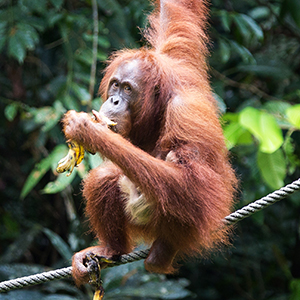
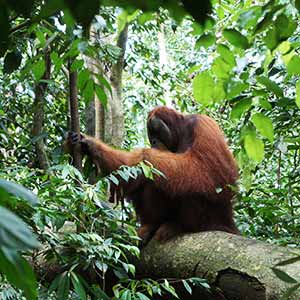
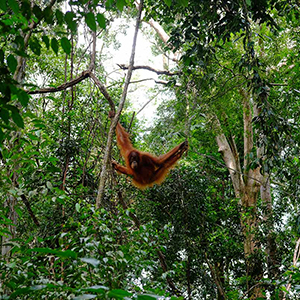
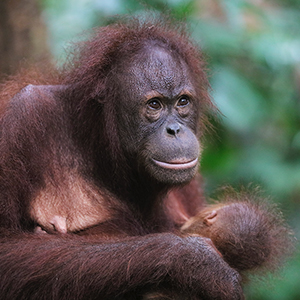
‘Orang-hutan’ means ‘person of the forest’, and they share over 96 percent of our DNA. Their excitable “longcalls” resonate around the canopy, drawing eyes to rust-red fur amid the leafy treetops. Orangutans are only endemic to the islands of Borneo and Sumatra, yet each year, thousands make the pilgrimage here to see the dwindling numbers that remain, despite long haul flights and the fact that interaction is not permitted. The lure of seeing something so unique and intelligent – which may cease to exist within a few decades – is powerful, and each visit to a sanctuary, rehabilitation centre or remaining tract of rainforest supports the conservation of these creatures for future generations.
Their excitable “longcalls” resonate around the canopy, drawing eyes to rust-red fur amid the leafy treetops.
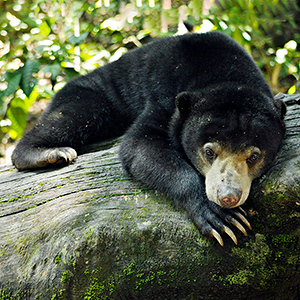
The isolated forests still shelter a marvellous menagerie, including proboscis monkeys, hornbills, slow lorises and pygmy elephants, so tracking orangutans reveals a whole, wonderful world of wildlife. Read our orangutan watching guide to find out more.

Go on an orangutan watching holiday if...

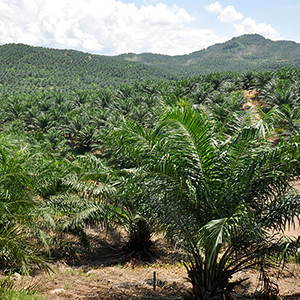
... you want to contribute to their conservation. Rehabilitation centre visits help keep these much needed sanctuaries open, while forest treks demonstrate the value of keeping their natural habitat intact. ... you love getting off the beaten track.  If you’re watching them in Kalimantan or Sumatra, you’re really heading into the wilderness. ... you want to understand the bigger picture. The future of orangutans depends on the government, local communities, farming practices, dams, wildlife traffickers... and not just on a couple of rehabilitation centres. So come with an open mind, and ask questions.

Don't  go on an orangutan watching holiday if...

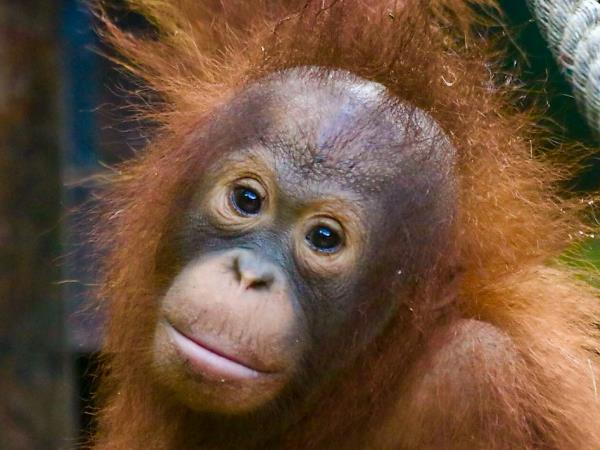
...you want to cuddle them. Orangutans are genetically very similar to humans and can catch diseases from us; a common cold can kill a young orangutan fast. ...you want to see babies. Most rehabilitation centres keep their tinier residents in separate enclosures away from the crowds until they’re big enough to fend for themselves. ...you don’t like stepping out of your comfort zone. Even seeing orangutans in a sanctuary requires a certain amount of walking in heat, humidity and bug filled forests. ...you’re freaked out by leeches, or mosquitoes, or mud! That wild orangutans still have some unspoiled forests is something to be celebrated – and that means accepting all the creepy crawlies that come with it.

Contact Us

Responsible Travel, Travel Team

Call us for a chat about our holidays. We are happy to discuss your holiday and help in any way we can. No bots, queues or awful hold music.


Responsible Travel, Travel Team

Watching orangutans

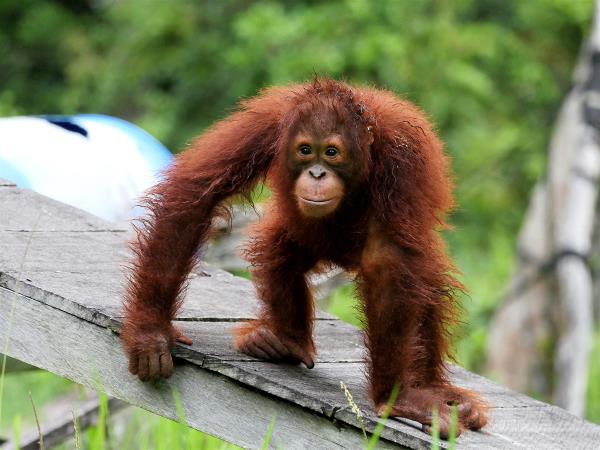
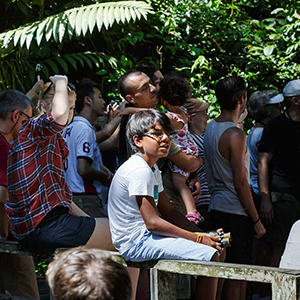
Watching orangutans can generally be done in two ways: in rehabilitation centres and sanctuaries, and in the wild. The former is the most popular option, as it offers a greater chance of seeing the orangutans, and is much more accessible. Some centres do have caged individuals – as they may need extra care, or be waiting for transferral to a more permanent home in the sanctuary. The big attraction are the twice-daily feeding times, where semi wild orangutans who have been reintroduced into protected areas of forest clamber down from the canopy to visit the feeding platforms. You’ll see them up close but interaction is not allowed, and sanctuary staff will do their best to keep wandering individuals away from the tourists. Sometimes you can also walk through the sanctuary forests with a researcher, who will give you more information on the orangutans, and the work carried out by the centres.
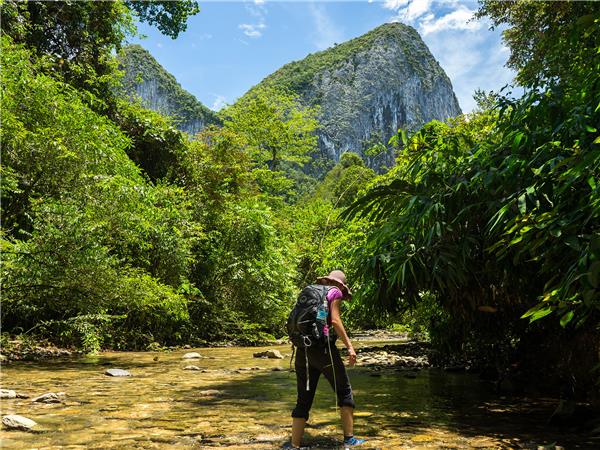
Tracking orangutans in the wild is quite a different experience. You may be on foot or in a boat, and jungle expeditions may last several days – with no guarantee of sightings. For this reason it is important to choose a knowledgeable, experienced guide who can talk about all the other wonders of the forest, rather than focusing on this one goal. If you do see them they may simply be orange blobs in the treetops – but those who have been lucky enough to observe this claim it is a far more moving and meaningful experience than seeing them in the sanctuaries.
Hardcore travellers also have a third option – volunteering. Contrary to popular belief, this does not include any handling of the orangutans themselves, as diseases are easily spread and long quarantine periods would be necessary.

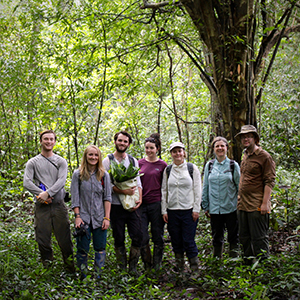
Volunteer work generally involves cleaning out cages, and building fences, enclosures and structures for the orangutans to climb on – volunteers should be physically fit, especially given the heat and humidity.

A brief History

At the turn of the 20th century, an estimated 315,000 wild orangutans inhabited the impenetrable tropical forests of Sumatra and Borneo; today that number stands at just over 60,000. Bornean and Sumatran orangutans are two distinct species, and the Sumatran orangutan has suffered the most – just 6,600 are estimated to remain on the island and the species is classified as critically endangered. Read more
Written by Vicki Brown
Photo credits: [Page banner: DUPAN PANDU] [Go on an orangutan watching holiday if...: Fabrizio Frigeni] [Watching orangutans : e-smile]